


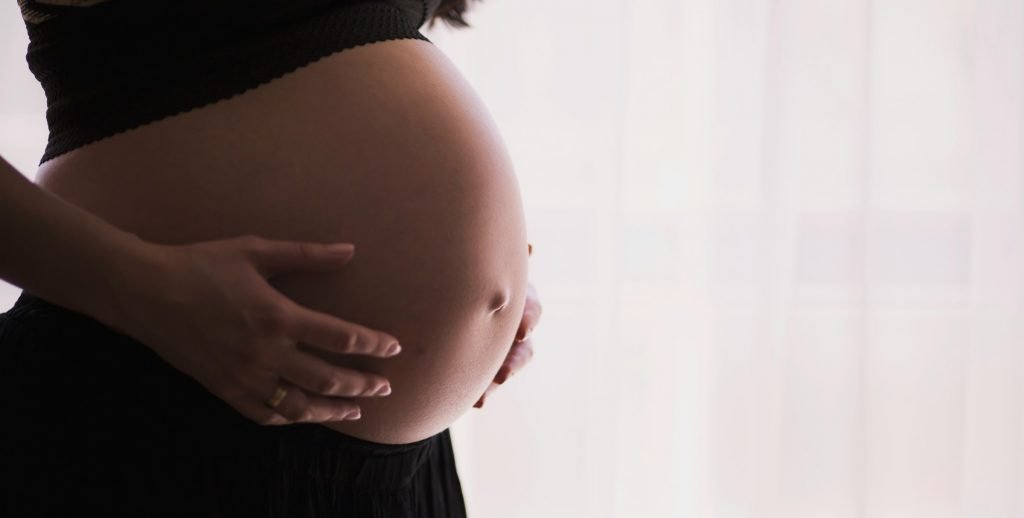
Conceiving can be very difficult for many individuals and couples. There are all kinds of conditions and lifestyle choices that can hinder someone’s ability to get pregnant.
Sexually transmitted infections (STIs) can seriously affect your fertility. But there is one infection that many people may consider a serious fertility concern.
Much research has been conducted in recent years on the effect HPV can have on fertility. Should you be worried?
Keep reading to find out.
HPV is the most common STD in the world. If you think you have genital warts or an HPV infection, test yourself at home with Better2Know’s HPV Home Test Kit.
What is HPV?
If you want to understand how HPV can affect your fertility, you need to understand what it is.
Human papillomavirus (HPV) is a virus that is usually passed between people through sexual contact. While the main modes of transmission are through vaginal, anal, and oral sex, it is also possible to contract HPV through skin-to-skin contact, such as touching a sexual partner’s genitals during foreplay.
The HPV virus is the most common STD in the world because it is very easily passed from one person to another. Indeed, most people will be infected with some form of HPV in their lifetime. In most cases, these infections are harmless and are cleared by the immune system without causing symptoms. It would be fair to say that having HPV is practically a normal part of human existence.
However, there are cases where HPV can cause symptoms (we notice something on our body) or other health problems without symptoms.
The most common symptom people experience with HPV is genital warts – small, fleshy bumps that can appear on the genitals or around the groin. They vary in color depending on skin tone and do not cause unpleasant sensations such as itching or burning.
In some very rare cases, genital warts can grow to such a size that they make intercourse or childbirth more difficult.
But for the most part, genital warts are quite benign for people who experience them. They do not threaten your health if they are unsightly and can be removed with topical creams, freezing or surgery. But most cases of genital warts disappear on their own after about six months to two years.
Warts caused by HPV are usually caused by the benign strains of the virus. But there are other strains of HPV that may be more problematic because of their association with certain cancers.
14 high-risk strains of HPV, particularly HPV 16 and HPV 18, are responsible for 3% of cancers in women and 2% of cancers in men. High-risk HPV is responsible for 99% of cervical cancers and 60% of penile cancers. The virus can also cause other head and neck cancers. However, just like “wart” strains, the usual situation is that your body will clear the virus on its own after a few years without developing into cancer. It is a small minority who are at risk of more serious complications.
But HPV, it seems, isn’t content with just causing warts and cancers…
Can HPV affect fertility?
While it is widely accepted that STIs such as chlamydia and gonorrhea can have adverse effects on fertility (including causing pelvic inflammatory disease in women and epididymitis in men), less data has been collected on the effects HPV can have on people trying to get pregnant.
However, with greater public awareness of the effects of the virus on overall health, more attention is being paid to this virus. And several studies published in recent years paint a complicated picture of the effects this virus can have on fertility.
Fertility in women
Many women, no doubt concerned about HPV’s known links to cervical cancer, they are concerned about the effect the virus may have on their fertility. While there is no association between HPV vaccination and infertilitysome studies suggest that having certain strains of HPV can reduce fertility rates in women.
A study conducted in 2015 found that the presence of certain strains of HPV can make it more difficult for an embryo to implant in the wall of the uterus or uterus. HPV infections can also harm the fetus itself.
Other study was published on The Journal of Infectious Diseases 2020 found a significant association between HPV infections and preterm births and preterm premature rupture of membranes. Infection was also associated with intrauterine growth restriction, low birth weight, and fetal death. There is also one link between cervical HPV infections and pregnancy loss.
Of course, cervical cancer treatment itself can also affect a woman’s ability to conceive. Many treatments for cervical cancer include hysterectomy (removal of the uterus). Radiation therapy for cervical cancer can also adversely affect the uterus and ovaries. Some treatments for early cervical cancer, however, can leave fertility relatively unaffected, such as cone biopsies or radical trachelectomies.
Despite this, however, it is vital to emphasize that more research is needed in this area, and very few definitive conclusions have been reached about how HPV may affect fertility in women.
Fertility in men
Because of many messages about the risks HPV can have on women’s health, many men may not be as concerned about the effects HPV can have on their health. However, there is considerable data on the association of male infertility with HPV infection.
Many studies show that HPV infections can negatively affect sperm qualitymaking fertilization less likely. This virus can attach to the sperm head, reducing the quality of motility. Men with fertility problems are 3-4 times more likely to have HPV. Specific strains of HPV have been associated with male fertility problemsmainly (in descending order) HPV 45, 16, 52, 18, 59, and 13. (It should be emphasized that this is an association, not a causation.)
However, as with fertility issues in women, more research is needed to further establish the link between HPV infections and male fertility.
Worried about STDs? Get tested at a sexual health clinic near you.
Will HPV be transmitted to the infant during pregnancy or delivery?
If you are pregnant and have HPV, you can pass it on to your baby during delivery or pregnancy. However, most babies infected with HPV in utero will clear the infection without incident. In very rare cases, HPV can cause genital warts in the baby, which can be removed with surgery.
Will the HPV vaccination affect my fertility?
As mentioned above, there is no link between HPV vaccination and infertility.
In fact, vaccination can increase the chance of conception for many couples, as the vaccine provides effective protection against strains of HPV that have been linked to cancer and infertility.
How can I avoid HPV?
The best way to prevent HPV in the first place is to get the HPV vaccine. Doing this will protect you from certain high-risk strains. It may also provide protection against other low-risk strains that can cause genital warts and are linked to infertility.
The vaccine is usually offered to girls who have not started their sexual life and in some countries it is also offered to boys. However, the vaccine is still effective in people who have already started having sex and provides some protection up to the age of 30. So you don’t have to be a teenager to get vaccinated.
The next best way to avoid HPV is to practice safe sex. This includes using barrier methods such as condoms and dental dams during sexual activity. You may also consider limiting your sexual partners in order to reduce your level of exposure.
Because HPV is so common, all countries have national guidelines on HPV surveillance. Women over 30 and those who have changed partners should be tested and have their HPV status checked. Any positive results will be carefully monitored to make sure there are no consequences of the virus emerging.
However, it is important to note that most people will get some form of HPV throughout their lives, and most infections are completely harmless and cleared by the immune system without incident.
What other STDs can cause infertility?
If you want to protect your sexual health and fertility, you should also take steps to protect yourself from other STDs. STDs that can negatively affect your fertility include:
You can avoid these infections and protect your fertility by practicing safe sex and getting tested for STDs regularly if you are sexually active.
Final thoughts
HPV has been linked to certain types of infertility. To protect yourself, get vaccinated, get regular PAP tests and practice safe sex.
Don’t leave your sexual health to chance. Early testing and treatment for STDs can help you preserve your fertility and avoid the worst consequences of an infection.
If you are concerned about an STD, contact Better2Know today. The comprehensive series of STD tests will give you the best possible picture of your sexual health.
For a comprehensive picture of your sexual health, take advantage of Better2Know’s full screen, which checks for the 7 most common STDs in the UK.
This article has been peer-reviewed by Dr. Steve Chapman, 29/07/2024.
