


From MotherToBaby and experts from the Centers for Disease Control and Prevention (CDC)
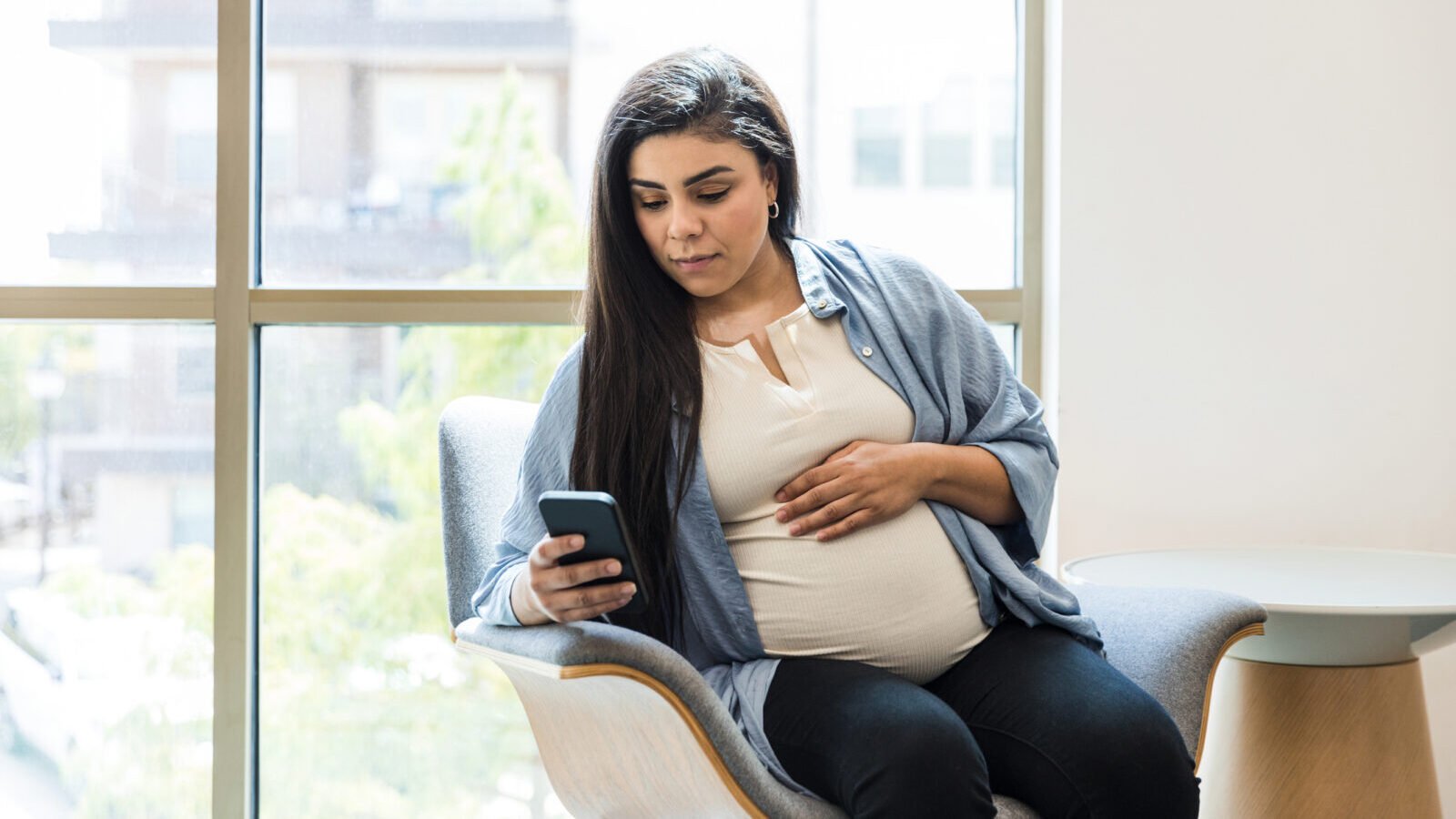
At 16 weeks pregnant, Maria is busy planning a summer trip for her family. But lately, every time she opens her phone, she sees another headline about measles cases.
It makes her pause and wonder: What does this mean for me and my baby?
What is measles and why are people worried about it?
Measles is a highly contagious virus that spreads through the air when someone who is sick with measles coughs or sneezes. From the measles it spreads So easily, up to nine out of 10 unvaccinated people who come into close contact with someone who has measles will become infected.
Symptoms often include high fever, cough, runny nose, red eyes and rash. Measles can lead to serious health problems complications and serious illness. During 2025about 1 in 10 people with measles were hospitalized.
In recent years, the United States has seen an increase in measles cases. In the past, measles mainly affected children, but recent increases have also been seen among people of childbearing age. In 2025, almost a third of measles cases (1 in 3) were in adults aged 20 and over. So far in 2026almost a quarter of measles cases (1 in 4) have occurred in adults. This tendency is one reason Maria may feel particularly anxious.
Why is measles infection during pregnancy a concern?
When you are pregnant, your body changes in many ways. These changes can increase your chances of getting sick from infections during pregnancy.
For example, if you are pregnant and have measles, you are more likely to:
- Patient
- Developing pneumonia
- Death is rare
Measles during pregnancy can also increase the chance of health problems for the baby, such as:
- Pregnancy loss (including miscarriage or stillbirth)
- Premature birth
- Low birth weight
Measles can also be passed from mother to baby if infection occurs during pregnancy. This can cause severe illness in newborns, hearing loss and — very rarely — a fatal brain condition called subacute sclerosing panencephalitis, or SSPE, years later.
Even after birth, measles can be dangerous for babies who are too young to be vaccinated against measles.
How can I protect myself and my baby from measles?
This was Maria’s main question as she began to plan her trip. When she talked to her health team, she learned that the MMR (measles-mumps-rubella) vaccine is the best protection against measles. Fortunately, Maria had had this vaccine when she was younger.
If you are not up to date on vaccinations, the ideal time to get the MMR vaccine is at least one month before you become pregnant. The MMR vaccine is not recommended during pregnancy. However, it can be given after delivery, even during breastfeeding.
If you are not sure if you are immune to measles, talk to your healthcare provider. MotherToBaby has a tool to help you start the conversation. Although it is important to weigh the risks and benefits of any vaccine with your healthcare provider, serious reactions from MMR vaccination are rare.
After delivery, when you start taking your baby to their well-child visits, talk to your baby’s health care provider about the MMR vaccine and ask any questions you may have. Starting the discussions early can help you feel confident when it’s time for your baby to be vaccinated.
What should I do if I plan to travel soon or live in an area with a current measles outbreak?
This was also a key question in Maria’s mind. She brought this up with her health care provider and together they discussed her immunization status as well as the status of others in her household. They also looked at measles activity at the location of her summer trip and talked about monitoring measles symptoms for 21 days after the trip. If you are pregnant, these are helpful steps to follow.
If a measles outbreak occurs near where you live, follow local recommendations. Consider avoiding crowded public facilities and avoiding contact with people who are sick. Encourage people around you (partners, family members, carers) to be informed about MMR vaccination to help protect you and your baby.
What should I do if I am exposed to measles during pregnancy?
If Maria were exposed to measles during her trip, her first step would be to call her health care provider’s office immediately. They can tell her what to do next and how to get into the office safely, if necessary, to avoid exposing others.
For pregnant patients who are not immune to measles or don’t know if they are immune, they could be given antibodies called immunoglobulin (IG) after exposure to measles. If you have measles during pregnancy, talk to your baby’s healthcare provider about IG, which may also be recommended for your newborn.
What if I develop measles symptoms while pregnant?
If you develop a fever and rash, especially if you live in an area with measles or have recently traveled, call your health care provider right away and they can give you further instructions. Be sure to let them know if you’ve had the MMR vaccine in the past and where you’ve traveled.
Some key points:
- Fever in early pregnancy can be dangerous, especially if it lasts for a long time. Talk to your healthcare provider about the best way to treat your fever with fever-reducing medications.
- Taking extra vitamin A is not recommended during pregnancy because high doses may increase the chance of certain birth defects.
What should I know if I am breastfeeding?
Measles is not transmitted through breast milk, and infants can receive breast milk from a mother with measles infection. Follow instructions from your healthcare team about precautions, which may include staying away from unvaccinated people, expressing breast milk, and having someone who is not sick feed your baby your breast milk. Or, you may be advised to wear a mask and practice careful hygiene when breastfeeding and caring for your newborn.
If you’re pregnant or breastfeeding and unsure of your immunity to measles or worried about exposure, you’re not alone with these questions. As with Maria, your healthcare provider and MotherToBaby are here to help answer any questions you may have.
References
- Joseph, NT. Measles in pregnancy: Clinical considerations and challenges. Obstetrics & Gynecology 147(1):p 44-53, January 2026. | DOI: 10.1097/AOG.00000000000006126:
- Rasmussen, SA; Jamieson, DJ. What Obstetrical Health Care Providers Need to Know About Measles and Pregnancy. Obstetrics & Gynecology 126(1):p 163-170, July 2015. | DOI: 10.1097/AOG.00000000000000903
- Congera P et al. Measles in pregnant women: A systematic review of clinical outcomes and a meta-analysis of antibody seroprevalence. Journal of Infection 80(2):p152-160, February 2020. | DOI: 10.1016/j.jinf.2019.12.012
Disclaimer: The contents of this post are solely the responsibility of the authors and do not necessarily represent the official views of the Centers for Disease Control and Prevention. Reference to any third party, company, or product is for factual information only and does not imply any form of endorsement or approval by CDC or the US Department of Health and Human Services.
