

Close Menu
Healthtost
  • News
  • Mental Health
  • Men’s Health
  • Women’s Health
  • Skin Care
  • Sexual Health
  • Pregnancy
  • Nutrition
  • Fitness
  • Recommended Essentials
What's Hot

Why men’s mental, emotional and relational health is essential now more than ever

May 25, 2026

“Is exercise medicine?” – Exercise through a cancer diagnosis

May 25, 2026

Fildena 50 User Experience and Benefits Review

May 25, 2026
Facebook X (Twitter) Instagram
  • About Us
  • Contact Us
  • Privacy Policy
  • Terms and Conditions
  • Disclaimer
Facebook X (Twitter) Instagram
Healthtost
SUBSCRIBE
  • News

    New AI model detects hidden antibiotic resistance genes beyond standard databases

    May 25, 2026

    AI-engineered p53 superproteins may reshape future cancer therapies

    May 24, 2026

    Psilocybin can provide long-term relief from chronic nerve pain

    May 24, 2026

    Scientists envision a key cellular protein that regulates inflammatory disease pathways

    May 23, 2026

    Skilled care helps a child thrive despite a chronic swallowing disorder

    May 23, 2026
  • Mental Health

    Healing is where change begins. Habits are…

    May 24, 2026

    The Antidepressant Myth RFK Jr. he wants you to believe

    May 20, 2026

    Are you caught in the cycle of chronic pain? How does Thera…

    May 15, 2026

    Why Menopause Matters in Substance Use Disorder Prevention, Treatment, and Recovery

    May 14, 2026

    because you might be right to leave a party without saying goodbye

    May 14, 2026
  • Men’s Health

    Why men’s mental, emotional and relational health is essential now more than ever

    May 25, 2026

    30 minute bodyweight workout routine for beginners

    May 21, 2026

    Fewer sessions of radiation therapy for prostate cancer have few side effects

    May 19, 2026

    Tackling the approach/avoidance dance and finding the love you need

    May 18, 2026

    10 Best Bodyweight Movements for Strength and Muscle

    May 14, 2026
  • Women’s Health

    “Is exercise medicine?” – Exercise through a cancer diagnosis

    May 25, 2026

    The MIND Diet: A Brain-Health Approach

    May 23, 2026

    6 Major Health Benefits of Beetroot Juice

    May 22, 2026

    How to keep your reproductive system healthy and why

    May 22, 2026

    Minimally Invasive Surgery, Robotic Operations for Lung Cancer

    May 21, 2026
  • Skin Care

    Is the UltraClear laser resurfacing for you?-SkinCare Physicians

    May 23, 2026

    Ceramides for Skin Barrier: What they are and why your skin needs them

    May 22, 2026

    10 myths about sun care that are damaging your skin

    May 21, 2026

    Non-food Skin Care: What Really Clogs Pores?

    May 18, 2026

    Itchy scalp and greasy roots? Here’s what might be going on

    May 17, 2026
  • Sexual Health

    Fildena 50 User Experience and Benefits Review

    May 25, 2026

    PROGRESS OF CREATING EVIDENCE-BASED KNOWLEDGE LOCALLY < SRHM

    May 24, 2026

    Can gonorrhea turn into HIV?

    May 23, 2026

    The new wave of smart sex toys and why sex professionals should care — Sexual Health Alliance

    May 22, 2026

    What’s Actually in Your Lube? – HANX

    May 21, 2026
  • Pregnancy

    Does creatine cause hair loss in women? – Pink Stork

    May 24, 2026

    Supporting Women through the Sacred Transitions of Life

    May 22, 2026

    39 gender reveal quotes for the perfect Instagram caption

    May 20, 2026

    Prevention of Hyperemesis Gravidarum (HG) and First Home Birth, Fourth Baby

    May 19, 2026

    Stretchy Wraps Are Magic For Newborns (Until They’re Not)

    May 19, 2026
  • Nutrition

    Does your appetite change in the summer?

    May 25, 2026

    Why I Don’t Count Macros • Kath Eats

    May 24, 2026

    Does less protein increase FGF21 for longevity?

    May 23, 2026

    How to eat to feel grounded

    May 23, 2026

    Dietitian’s Guide to Energy, Gut, Hormones

    May 22, 2026
  • Fitness

    What is Locus of Control? Empowering Customers

    May 24, 2026

    Russell Dickerson Reveals Exact Training Plan That Keeps Him Shredded on Tour

    May 24, 2026

    You walk. This is great. Here’s what you’re still missing.

    May 23, 2026

    Clothes from the last time – The Fitnessista

    May 21, 2026

    The best newsletters from the past year 🙌

    May 21, 2026
  • Recommended Essentials
Healthtost
Home»News»Intensive lowering of LDL cholesterol shows significant benefits for patients with heart disease
News

Intensive lowering of LDL cholesterol shows significant benefits for patients with heart disease

healthtostBy healthtostMarch 29, 2026No Comments5 Mins Read
Facebook Twitter Pinterest LinkedIn Tumblr Reddit WhatsApp Email
Intensive Lowering Of Ldl Cholesterol Shows Significant Benefits For Patients
Share
Facebook Twitter LinkedIn Pinterest WhatsApp Email

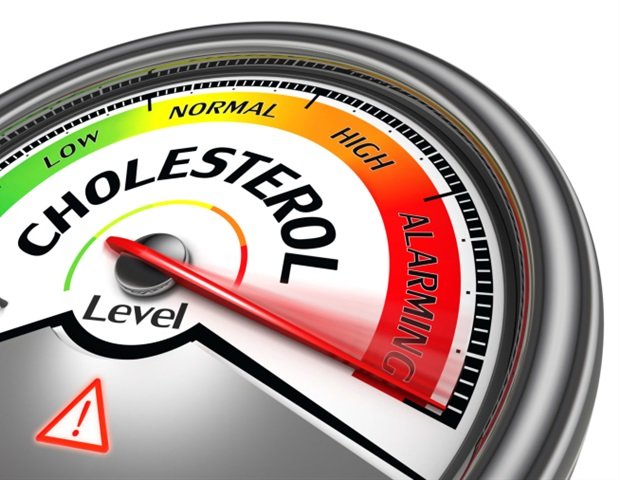
More intensive use of cholesterol-lowering drugs to achieve a more aggressive target for low-density lipoprotein cholesterol (LDL-C) reduced the rate of major cardiovascular events by one-third among patients with atherosclerotic cardiovascular disease (ASCVD).

The results help fill an evidence gap in guiding treatment for patients with heart disease who are at high risk of major cardiac events. Although guidelines have lowered the recommended LDL-C goal for patients with ASCVD from less than 70 mg/dL to less than 55 mg/dL, evidence supporting this recommendation was limited. The new trial, called Ez-PAVE, is the first randomized, head-to-head comparison of these two LDL-C targets in patients with ASCVD.

The Ez-PAVE trial adds practically and clinically relevant evidence by demonstrating that, in patients with ASCVD, targeting an LDL-C level of less than 55 mg/dL results in a significantly lower three-year risk of major CVD compared with the conventional target of 70 mg/dL, without compromising safety.


Byeong-Keuk Kim, MD, director of the Division of Cardiac Catheterization and Intervention and professor in the Department of Cardiology at Severance Hospital, Yonsei University College of Medicine in Seoul, South Korea, and lead author of the study

ASCVD is a type of heart disease in which plaque builds up in the artery walls. LDL-C contributes to plaque build-up. Treatments that lower LDL-C can help slow the buildup of plaque in artery walls and reduce the chance that the plaques will break and cause serious events, such as heart attacks and strokes. However, most previous studies have focused on evaluating outcomes from various LDL-C-lowering therapies rather than evaluating the optimal LDL-C level to target with those therapies, Kim said.

The researchers enrolled 3,048 patients at 17 sites in South Korea. Participants were 64 years old, on average, and 21% were women. All participants had ASCVD, defined as having a previous acute coronary syndrome, stable angina with objective evidence, a procedure to open blocked arteries (revascularization), stroke or transient ischemic attack, or peripheral artery disease. Overall, the study cohort reflects a high- to very-high-risk population based on the high prevalence of prior acute coronary syndrome, revascularization and diabetes, according to the researchers.

Half of the patients were randomly assigned to an LDL-C goal of less than 55 mg/dL and half to a goal of less than 70 mg/dL. At three years, patients in the first group had a median LDL-C of 56 mg/dL and those in the second group had a median of 66 mg/dL. To achieve these LDL-C goals, treating physicians followed medical guidelines by increasing the intensity of statin therapy and adding other medications such as ezetimibe and PCSK9 inhibitors when needed. Treatment decisions, including dose adjustments, addition of different therapies, and management of adverse events, were left to the discretion of the clinician to reflect real-world clinical practice.

The study’s primary endpoint was a composite of cardiovascular death, nonfatal heart attack, nonfatal stroke, any revascularization, or hospitalization for unstable angina (chest pain or tightness). At three years this composite endpoint occurred in 6.6% of those assigned to an LDL-C goal of less than 55 mg/dL and in 9.7% of those assigned to a target of 70 mg/dL, a 33% reduction in risk in favor of the more aggressive target. This benefit came mainly from a reduction in nonfatal heart attacks and revascularization. The composite of cardiovascular death, heart attack, or stroke was also significantly lower in the more intensive target group (2.3% vs. 3.6%).

“The consistency in the overall population and in key subgroups suggests that the benefit of targeting LDL-C lower than 55 mg/dL applies broadly across the spectrum of patients with ASCVD and is not limited to specific patient subsets,” Kim said, noting that the findings are particularly relevant for patients in higher-risk categories, for whom lower LDL targets are recommended.

The two study groups showed a similar safety profile, with no significant differences in the incidence of muscle symptoms, new-onset diabetes, or worsening glycemic control among people with diabetes. An increase in creatinine (a marker of worsening kidney function) was less common in the intensively targeted group, and the researchers said future studies could help clarify whether more intensive LDL-C lowering could slow the progression of kidney disease.

The study was not blinded because treating clinicians needed to know which LDL-C level to target for each patient. In addition, the trial was conducted entirely in South Korea and all participants were from East Asia, potentially limiting applicability to other countries or racial and ethnic groups that may see different differences in cardiovascular risk or different patterns of LDL-C-lowering treatment.

Kim also said that in the more intensive targeting group, 39% of patients never reached the goal below 55 mg/dL LDL-C. During the study period, newer non-statin cholesterol-lowering therapies, including inclisiran and bempedoic acid, were not available in South Korea, and the use of PCSK9 inhibitors was generally limited due to reimbursement policies. Kim said that more intensive use of such non-statin therapies may have resulted in lower achieved LDL-C levels and possibly greater clinical benefit. Additional studies could evaluate the effects of more intensive use of such treatments.

The study was funded by the Cardiovascular Research Center under contract to Yuhan Corporation.

This study was simultaneously published online at New England Journal of Medicine at the time of presentation.

Kim will present the study, “Intensive Low-density Lipoprotein Cholesterol Targeting in Patients with Atherosclerotic Cardiovascular Disease,” on Saturday, March 28, at 3:45 p.m. CT / 8:45 PM UTC on the Main Stage, Great Hall.

Source:

American College of Cardiology

benefits cholesterol disease heart Intensive LDL Lowering Patients shows significant
bhanuprakash.cg
healthtost
  • Website

Related Posts

Fildena 50 User Experience and Benefits Review

May 25, 2026

New AI model detects hidden antibiotic resistance genes beyond standard databases

May 25, 2026

AI-engineered p53 superproteins may reshape future cancer therapies

May 24, 2026

Leave A Reply Cancel Reply

Don't Miss
Men's Health

Why men’s mental, emotional and relational health is essential now more than ever

By healthtostMay 25, 20260

I first heard about “Man Therapy” when I read an article in 2019 and contacted…

“Is exercise medicine?” – Exercise through a cancer diagnosis

May 25, 2026

Fildena 50 User Experience and Benefits Review

May 25, 2026

Does your appetite change in the summer?

May 25, 2026
Stay In Touch
  • Facebook
  • Twitter
  • Pinterest
  • Instagram
  • YouTube
  • Vimeo
TAGS
Baby benefits body brain cancer care Day Diet disease exercise finds Fitness food Guide health healthy heart Improve Life Loss Men mental Natural Nutrition Patients Pregnancy protein research reveals risk routine sex sexual Skin Skincare study Therapy Tips Top Training Treatment ways weight women Workout
About Us
About Us

Welcome to HealthTost, your trusted source for breaking health news, expert insights, and wellness inspiration. At HealthTost, we are committed to delivering accurate, timely, and empowering information to help you make informed decisions about your health and well-being.

Latest Articles

Why men’s mental, emotional and relational health is essential now more than ever

May 25, 2026

“Is exercise medicine?” – Exercise through a cancer diagnosis

May 25, 2026

Fildena 50 User Experience and Benefits Review

May 25, 2026
New Comments
    Facebook X (Twitter) Instagram Pinterest
    • About Us
    • Contact Us
    • Privacy Policy
    • Terms and Conditions
    • Disclaimer
    © 2026 HealthTost. All Rights Reserved.

    Type above and press Enter to search. Press Esc to cancel.