


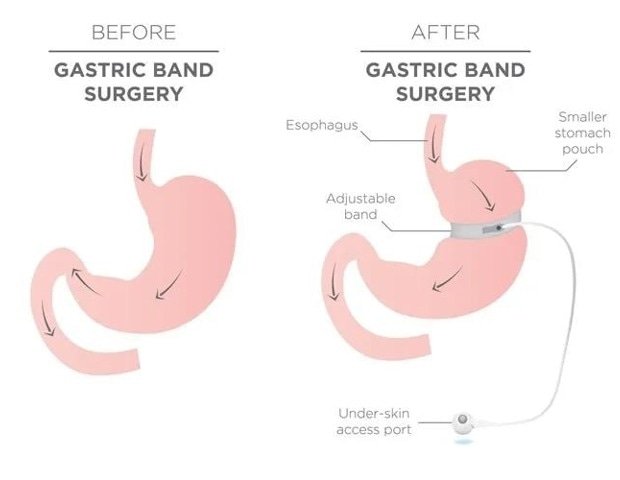
A new study by researchers at LSU’s Pennington Center for Biomedical Research, FMOL Health | Our Lady of the Lake Regional Medical Center and Metamor Institute demonstrate that metabolic and bariatric surgery can be performed safely and effectively in adolescents and young adults living with severe obesity, offering promising improvements in weight loss and obesity-related health conditions.
Posted on Bariatric Surgery“Outcomes of Metabolic and Bariatric Surgery Among Adolescents and Young Adults in Southern Louisiana” looked at outcomes from 76 patients ages 10 to 25 who underwent bariatric surgery from January 2020 to March 2025 through a Louisiana-based bariatric surgery program in Metamor. The researchers evaluated both safety outcomes and long-term health improvements, helping to expand understanding of how obesity surgery can benefit younger populations.
Obesity among teenagers and young adults continues to rise across the country, increasing the risk of chronic conditions such as type 2 diabetes, hypertension, fatty liver disease, sleep apnea and cardiovascular disease. While bariatric surgery has become an increasingly recognized treatment option, more long-term data in younger and socioeconomically diverse populations remains critically important.
Our findings suggest that metabolic and bariatric surgery can be performed safely and effectively in young patients when delivered through an integrated, multidisciplinary model of care. This study reflects the importance of carefully selecting patients, matching them to the most appropriate procedure and their environment with coordinated clinical support to achieve the best possible outcomes.”
Dr. Philip Schauer, United Companies Life Insurance Co./Mary Kay and Terrell Brown Chair at Pennington Biomedical and Director of the Metamor Institute
Among the key findings of the study:
- Patients achieved an average of 29 to 32 percent total body weight loss that was maintained over one to five years.
- Among patients with available follow-up, 94 percent had remission of type 2 diabetes, 67 percent had improvement in hypertension and dyslipidemia, and 64 percent had improvement in gastroesophageal reflux disease (GERD).
- Surgical complications remained low, with only 5% experiencing complications within 30 days.
Importantly, the study population represented a broad cross-section of Louisiana patients, with nearly 75 percent covered through Medicaid insurance, highlighting the need to ensure access to advanced obesity treatment options regardless of socioeconomic background.
“The American Academy of Pediatrics (AAP) recommends that adolescents aged 13 years and older with severe obesity (BMI >35 with at least one significant comorbidity) be evaluated for metabolic and bariatric surgery, moving from ‘watchful waiting’ to earlier, more intensive treatments,” said Dr. “The AAP also recommends that these procedures be performed by experienced bariatric surgeons and combined with comprehensive nutritional support and behavioral therapy.”
The researchers note that the successful results were likely driven by the coordinated care model established through the collaboration of Pennington Biomedical, Our Lady of the Lake and Metamor Institute, combining leading expertise in obesity research, clinical medicine and bariatric surgery.
“Severe obesity is a complex chronic disease that often begins early in life and can quickly lead to serious long-term health complications,” said Dr. Vance Albaugh, Assistant Professor of Metabolic Surgery at Pennington Biomedical. “These findings provide encouraging evidence that with the right multidisciplinary approach, surgery can play an important role in improving health outcomes for younger patients, while also reinforcing the need for continued research to better guide care decisions for this population.”
The study findings reinforce the importance of multidisciplinary, evidence-based obesity care. To help healthcare professionals stay current with evolving clinical guidance, Pennington Biomedical’s Greaux Healthy Provider Hub offers continuing education opportunities, practical clinical toolkits and a comprehensive library of resources focused on obesity prevention and treatment for patients across the lifespan, including adolescents and young adults.
Source:
Journal Reference:
