


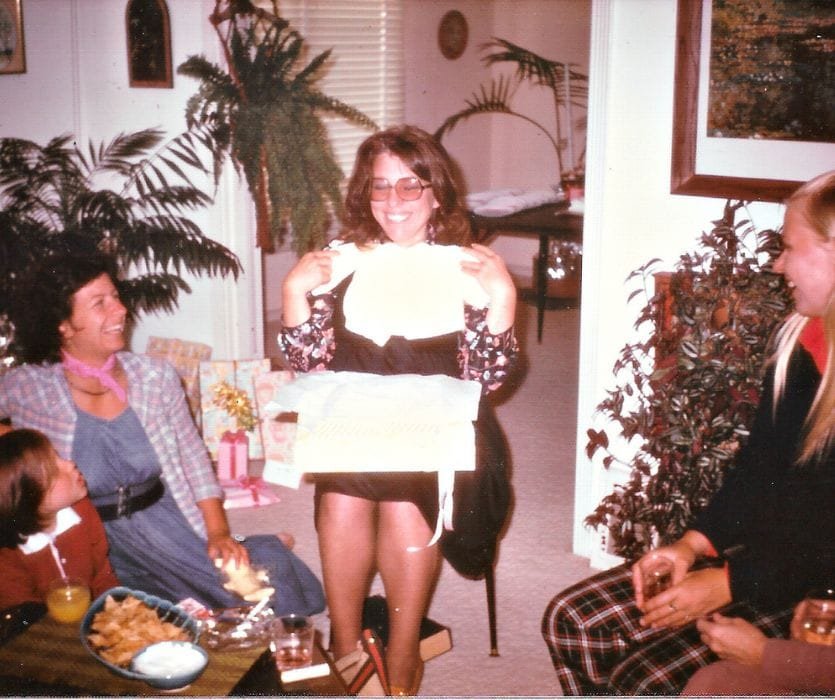
Baby showers are like a modern American invention: pastel balloons, diaper cakes, a mom-to-be in a decorated chair, maybe an aunt who had too many mimosas, but the impulse behind them is thousands of years old. What we think of as “the baby shower” really took shape after World War II, and before that, cultures from ancient Egypt to India had their own very different ways to mark pregnancy.
I’ve been covering pregnancy and new parenthood for more than 15 years, and I’ve watched baby showers change even in this relatively short window — fewer diaper cakes, more sips and stares, a lot more Pinterest boards. Digging into where this tradition actually came from made me appreciate how much of it is truly new and how much of it we’ve quietly borrowed from centuries of ritual without realizing it.
Ancient rituals: protection, purification and prayer
Long before anyone said “baby shower,” ancient societies had elaborate customs surrounding childbirth, though most of them bear little resemblance to a modern-day party with gifts and toys.
- Ancient Egypt they held celebrations after birth, not before. Childbirth was thought to bring impurity, so mother and baby were often separated from the community for a period of purification, which sometimes included visits to local temples. It feels hard, but okay.
- Ancient Greece also wait until after delivery. A cry announced the birth, and a formal welcoming ceremony followed five to seven days later. I like this better, plus the food would be great.
- Ancient India is where this starts to look familiar. A ritual called Simantha, performed in the sixth or eighth month of pregnancy, showered the mother with sweets, dried fruits and baby items, along with prayers for a safe delivery. Music was played for the baby in the womb to “listen” to which, if you’ve ever seen a newborn soothed to a song from your own pregnancy, doesn’t seem like a stretch at all.
- Ancient Rome gave symbolic gifts to new mothers after birth, intended to bring good luck to mother and child.
Medieval Europe: a more formal case
The party spirit did not survive the Middle Ages. Given how dangerous childbirth really was, medieval Europe viewed pregnancy as a serious, even dark, occasion. Priests visited expectant mothers so they could confess their sins before giving birth. It was not about celebration, but about facing real danger with as much mental preparation as possible.
The Victorian Age: Tea, Advice and Modesty
By 1800, the tone had changed again. Victorian gatherings for mothers-to-be were genteel affairs such as tea parties hosted by female friends and relatives, with small gifts exchanged but the real focus on passing on advice from mothers and grandmothers to the next generation. Welcome or not, these tips flowed freely (some things never change).
The phrase “baby shower” didn’t exist yet. But the Victorians built the template by which the 20th century would operate: a women-only gathering built around the transition to motherhood.
Postwar America: the birth of the modern baby shower
The image of the baby shower that most of us today came across in the United States after World War II, and it was no accident, because three things came together at the same time:
- The baby boom. A record number of young couples were starting families and buying houses at the same time.
- A hunger for celebration. After years of wartime hardship, people wanted an excuse to properly signal the good news.
- A booming consumer economy. More disposable income and more baby products on the market meant more for gifts.
It’s also Tupperware party season. Beginning in the mid-1950s, women gathered in a hostess’s living room for product demonstrations that were part sales, part social events — dressed up, connected, and quietly participating in the economy from within the home. Baby showers took on the same DNA: practical, gift-focused, hosted at home, organized by and for women.
Gifts were decidedly practical during this period, such as nappies, blankets, bottles. The baby registry grew directly out of that instinct, so no one ended up with twelve blankets and zero bottles (a problem I can confirm still happens without one).
Late 20th century: bigger, more elaborate, more personal
The showers continued to increase from here. Guest lists expanded beyond immediate family to include co-workers and more casual acquaintances, so some moms ended up having two separate showers (one intimate, one larger) so they could really enjoy time with each group instead of making small talk with 40 people at once. Games, themed decorations, and dedicated shower cakes became standard, and the whole event began to feel a lot more like a birthday party for a guest who hadn’t shown up yet.
The age of social media: issues, revelations and reinvention
The last 15 years have reshaped baby showers, thanks in large part to Pinterest, Instagram and now TikTok. Showers became more visually designed, more themed, more photographed.
This era also produced something completely new: the gender reveal party. It dates back to a 2008 blog post by Los Angeles blogger Jenna Karvounidis, who cut a pink-filled cake to announce she was expecting a girl, after several previous pregnancy losses. It spread to parenting blogs and then exploded onto YouTube and Pinterest in the 2010s — evolving from a simple cake to elaborate productions with smoke, fireworks and confetti cannons, sometimes with real-life consequences like fires and fatal accidents. Karvounidis has since said she regrets popularizing it, noting that putting so much weight on a baby’s gender misses everything else that makes it who it is.
Some other changes worth knowing if you’re planning one now:
- Combined showers are common now, breaking away from the women-only tradition.
- Diaper party and “party for dads” give dads-to-be their own version of the event.
- It sprays they are smaller showers thrown for a second or third baby, without duplicating the entire registry.
- Drink and see happen after the birth, so guests meet the baby and the gift is optional or low-key.
- Virtual baby showers they took off during COVID and are still useful for long-distance families.
- Gender neutral shower they reflect a move away from austere pink and blue decor towards something more personal.
What does this story really tell us?
Strip away the decor, the toys, and the changing technology, and the same thing connects a Simantha ceremony in ancient India with a Pinterest-perfect shower today: people coming together to support a woman entering motherhood, with practical help, shared wisdom, and a shared sense that this new life matters. The shape is constantly changing — sometimes formal, sometimes exaggerated, sometimes controversial — but I feel the underlying instinct hasn’t moved.
If you’re planning one now, you’re not obligated to follow any of this history, but it’s a nice reminder that however you throw it (or skip it), you’re part of something much older than Pinterest.
Related reading: What is Baby Sprinkle? A complete guide to Planning One
