


Why Barre Is Now a Top-5 Fitness Trend and What Taite Heller Means for Mind and Body Health
A decade ago, Barre mostly lived in boutique studios with hardwood floors, mirrored walls and a small, loyal audience. Today, it ranks among the most searched and most visited forms of group fitness in the country, regularly ranking in the top five trends tracked by industry surveys and studio booking platforms. Certified barre instructor and movement enthusiast Taite Heller has watched this shift and agrees that the rise of barre is not a fad, but a reflection of how people want to train now: with intention, with engagement of the nervous system and with long-term health in mind.
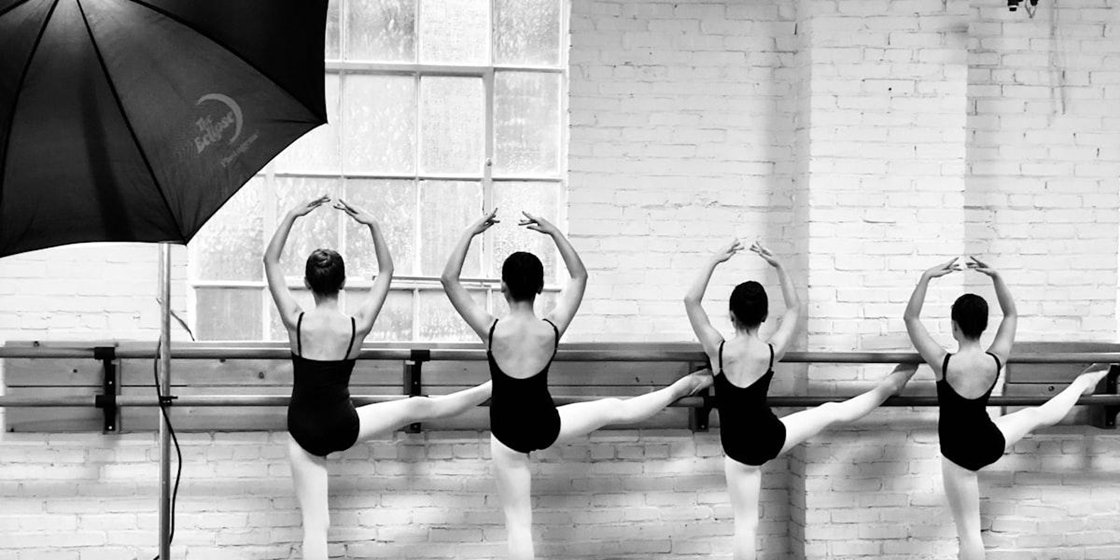
This perspective matters because barre is often misunderstood. If you’ve never taken a class, it’s easy to imagine gentle leg lifts to soft piano music, closer to stretching than training. In fact, barre combines ballet-inspired isometrics, Pilates-based core work, light resistance training, and controlled mobility into a precise, demanding practice that challenges your concentration as much as your muscles. This combination of physical effort and sustained attention helped push barre into the mainstream and, more importantly, keep it there.
From Niche Studio Workout to a Top-Five Trend
Barre’s rise reflects a broader shift in what people expect from exercise. The fitness boom of the 2010s rewarded intensity for its own sake, with high-profile boot camps and max-effort intervals dominating studio schedules. Many of these workouts produced results, but they also left people dealing with exhaustion, joint strain and, in many cases, a short-lived commitment to fitness.
Barre offered something different. It is low impact, which helps protect knees, hips and spine. However, it remains really challenging because holding small, sustained contractions forces the muscles to fatigue in ways that explosive movements often don’t. This balance proved especially attractive to people looking for visible, lasting results without injuries that can derail progress. As remote work reshaped daily routines and more people began looking for workouts they could sustain for years instead of weeks, a discipline built on control and consistency naturally moved from the fringes to the mainstream.

What Really Happens in a Barre Class
A typical classroom follows a clear progression. It usually starts with a warm-up that activates the core and shoulders, then moves on to upper-body work with light hand weights, often just 2 or 3 pounds. The high repetitions gradually tire the muscles before the focus shifts to the bar itself, where the legs and glutes take center stage through the curls, leg lifts and small pulse movements that have become the format’s signature. A special core section and final stretch bring the class to a close.
Efficiency comes from the small range of motion. Rather than relying on long, swinging reps, barre emphasizes micro-movements and isometric holds that engage deep stabilizing muscles that many workouts overlook. That’s why a class that requires little more than light weights and a barrel can make even experienced athletes shudder. This is also why bars combine so naturally with the precision and body awareness developed through dance, a connection often explored in motion and design studies which examine how artistic discipline translates into physical training.
Mind-body engineering that stands out
The phrase “mind-body” is often thrown around in fitness marketing, but in barre, it has a very specific meaning. You can’t zone out if you want to perform the moves well. Each exercise requires you to observe the position of your pelvis, the stability of your foot and the rhythm of your breathing. This constant awareness turns the workout into something that feels surprisingly close to a moving meditation.
Researchers refer to this awareness as interoception, or the ability to sense the internal state of your body. Studies are increasingly associating stronger introspective awareness with better emotional regulation and lower stress levels, which explains why many people leave high school feeling mentally rejuvenated rather than simply exhausted. Barre trains the nervous system alongside the muscles, and this dual benefit is a major reason the form continues to resonate. Heller often returns to this idea ongoing reflections on mindful educationarguing that the most effective modern workouts treat the brain and body as parts of the same system rather than separate projects.
Why Barre resonates right now
Many cultural changes have come together to make this the right time. One is the growing focus on mental health. People are no longer satisfied with exercise that only changes their appearance. They also want movement that helps them manage stress, sleep better and feel more grounded. A practice that requires presence and rewards it with a sense of calm fits these expectations almost perfectly.
Another factor is the growing debate around longevity. Discussions of health, mobility, and aging have transcended medical journals and into everyday wellness culture. Barre’s emphasis on balance, posture, joint stability, and functional strength naturally aligns with these goals. It develops the kind of fitness that helps you stay steady on the stairs, move comfortably throughout the day, and avoid the aches and pains that often come from long hours at the office, not just the kind that looks good in a progress photo.
Accessibility also plays an important role. Because barre is low-impact and highly adaptable, it’s almost universally welcoming to beginners, those returning from injury, and pregnant or postpartum students, while still offering plenty of challenge for experienced participants through deeper holds, greater precision, and added resistance. Few group fitness formats can accommodate such a wide range of experience levels in the same class.
Strength, mobility and longevity benefits
Barre offers many physical benefits, even beyond the mental health benefits. Its high-rep, low-load approach builds muscle endurance and the type of supportive strength that helps protect joints over time. A constant focus on alignment also encourages better posture, which is even more important today as so many people spend hours sitting in front of screens.
Balance training, a staple of nearly every class, strengthens stabilizing muscles and sharpens proprioceptive reflexes that naturally decline with age. These skills play an important role in preventing falls later in life. At the same time, the controlled stretch woven throughout the class improves mobility and helps keep the hips, hamstrings and shoulders flexible. Together, these are exactly the qualities that physical therapists and longevity researchers encourage people to build early and maintain consistently. That’s one reason barre has earned a place in serious fitness discussions rather than being dismissed as another boutique trend.
How to get started without being overwhelmed
For anyone interested in trying barre, the barrier to entry is refreshingly low. Most studios offer beginner-friendly classes, and instructors are usually willing to give gentle form corrections so you can build good habits from the start. The best first step is to just show up to learn the basic positions rather than trying to execute every move perfectly. Tremors and muscle fatigue are completely normal. There are signs that these smaller stabilizer muscles are finally being challenged.
It also helps to think of barre as part of a balanced fitness routine rather than a complete program on its own. Combine this with regular walking, occasional heavier strength training, and adequate recovery to create a sustainable approach that supports long-term progress. For readers who want to create a complete routine, a wider collection of writings on building a balanced practice explores how to combine low-impact disciplines with proper recovery and steady progression so healthy habits really last.
The bigger picture
Barre’s rise to the top five fitness trends says less about the ballet-inspired exercise than it does about what people value most in movement today. They want workouts that strengthen the body without wearing it down, engage the mind instead of encouraging people to control, and support long-term health instead of chasing short-term results. Barre delivers on all three.
As Taite Heller sees it, the format’s popularity warrants attention because it reflects a broader shift toward a more mindful and sustainable approach to fitness. Whether barre remains at the top of the rankings or not, the values that drive its success, its focus, longevity and balance, are unlikely to disappear anytime soon. For anyone rethinking how they want to move into the next decade, a barre class is one of the easiest and most rewarding places to start.
Refusal
The Content is not intended to be a substitute for professional medical advice, diagnosis or treatment. Always seek the advice of your doctor or other qualified health care provider with any questions you may have about a medical condition.
