

Close Menu
Healthtost
  • News
  • Mental Health
  • Men’s Health
  • Women’s Health
  • Skin Care
  • Sexual Health
  • Pregnancy
  • Nutrition
  • Fitness
  • Recommended Essentials
What's Hot

The risk of death due to pregnancy is greatly underestimated

February 24, 2026

Top nutrients and vitamins for skin health (supported by nutrition)

February 23, 2026

Alistair Black’s WWE Workout: The Martial Arts & Powerlifting Plan That’s Keeping Him Strong at 40

February 23, 2026
Facebook X (Twitter) Instagram
  • About Us
  • Contact Us
  • Privacy Policy
  • Terms and Conditions
  • Disclaimer
Facebook X (Twitter) Instagram
Healthtost
SUBSCRIBE
  • News

    Engineers develop high-precision gene editor for safer cystic fibrosis treatments

    February 23, 2026

    Researchers show that red blood cells increase glucose tolerance at high altitude

    February 23, 2026

    Colorful electron microscopy reveals proteins and cellular architecture at nanoscale resolution

    February 22, 2026

    Smarter timing of cancer treatments could improve cure rates, study suggests

    February 22, 2026

    Single prenatal exposure to fungicide linked to disease in 20 generations

    February 21, 2026
  • Mental Health

    50 Inspirational Ways to Navigate Your Life by Susie Hall

    February 22, 2026

    What is medication therapy?

    February 17, 2026

    Why do I have “butterflies in my stomach”?

    February 15, 2026

    Bipolar Disorder: Why It Happens (and How to Snap It Off)

    February 12, 2026

    Exercise may be as effective as drugs for depression and anxiety – new study

    February 11, 2026
  • Men’s Health

    The risk of death due to pregnancy is greatly underestimated

    February 24, 2026

    Can mobile apps change the way we eat?

    February 18, 2026

    Tiny particles, big impact: Toward less invasive brain stimulation

    February 18, 2026

    How to sauna: All frequently asked questions

    February 17, 2026

    The power of sprint-based exercise

    February 12, 2026
  • Women’s Health

    Which SPF 50 formula is for you?

    February 23, 2026

    Take the step to enhance your recovery with contrast therapy

    February 22, 2026

    Who can be called a “professional”? Student Loan Policy and the Future of Black Women in Nursing

    February 21, 2026

    Don’t Get Caught in a ‘Web’ of Misinformation – Dos and Don’ts of Doing Your Diagnostic Research Online

    February 21, 2026

    From knee surgery to the ski slopes: How Ann got her life back

    February 19, 2026
  • Skin Care

    Say goodbye to Frizz with Banana & Repair Ran – The Natural Wash

    February 23, 2026

    Tropic Ambassadors | Susie Ma

    February 23, 2026

    5 daily habits that can age your skin

    February 22, 2026

    LED light therapy for acne at home: what the evidence supports (and what it doesn’t)

    February 22, 2026

    Why Melanin-rich skin loses its firmness and how to restore it – MYXCAPE

    February 21, 2026
  • Sexual Health

    Jesse Jackson opened the doors for black women in politics

    February 22, 2026

    Female Genital Mutilation in Africa: Politics of Criminalization

    February 21, 2026

    The alarming rise in bowel cancer rates in young people

    February 21, 2026

    Lessons from retail expert Nicole Leinbach Hoffman — Sexual Health Alliance

    February 20, 2026

    ACS publishes new guidelines for cervical cancer screening

    February 17, 2026
  • Pregnancy

    Labor and Delivery Schedule: Dreading Birth?

    February 23, 2026

    Why Chromosomally Normal Embryos Still Fail to Implant: New IVF Research Explains

    February 21, 2026

    Can cesarean mothers get cord blood? What to know

    February 19, 2026

    Labor & Pregnancy? the untold truths of labor during pregnancy

    February 17, 2026

    Why investing in one step can save your pelvic floor

    February 16, 2026
  • Nutrition

    Top nutrients and vitamins for skin health (supported by nutrition)

    February 23, 2026

    5 Walking Routines to Lose Body Fat and Burn More Calories

    February 22, 2026

    How to hydrate skin overnight • Kath Eats

    February 22, 2026

    Extremity weight loss devices

    February 21, 2026

    The benefits of raw cocoa

    February 20, 2026
  • Fitness

    Alistair Black’s WWE Workout: The Martial Arts & Powerlifting Plan That’s Keeping Him Strong at 40

    February 23, 2026

    Program Design – Tony Gentilcore

    February 20, 2026

    20 Useful Health Hacks That Work in 2026

    February 20, 2026

    7 Gentle Yoga Poses in Bed for Adults Over 50

    February 19, 2026

    Three unique ways to improve your functional strength

    February 17, 2026
  • Recommended Essentials
Healthtost
Home»Men's Health»Affordable food can be better, both for you and the planet
Men's Health

Affordable food can be better, both for you and the planet

healthtostBy healthtostJanuary 30, 2026No Comments6 Mins Read
Facebook Twitter Pinterest LinkedIn Tumblr Reddit WhatsApp Email
Affordable Food Can Be Better, Both For You And The
Share
Facebook Twitter LinkedIn Pinterest WhatsApp Email


With Sophie KevanyFeeling

Do your New Year’s resolutions include eating better without breaking the bank? If the answer is yes, there is good news ahead. Eating better for you and the planet doesn’t have to be complicated. A new study shows that a healthy, planet-friendly diet doesn’t have to require expensive substitutes or dramatic lifestyle changes. The solution: buy cheaper products from each of the major food groups.

The study models are based on the main food groups listed in Healthy food basket: starchy staples, vegetables, fruit, meat, fish and dairy, legumes, nuts and seeds and oils and fats. Shopping for cheaper food in each of these groups, the study finds, can cut food costs in half while reducing the climate impact of a person’s diet from 2.5kg to 1.6kg of carbon dioxide equivalent. These foods include whole grains, legumes and smaller fish, the study says, while beef and rice are linked to higher emissions.

A planetary diet calculator developed by the Center for Biological Diversity and the University of California (in beta, release TBA) suggests that ideal food-related greenhouse gas emissions are 1.12 kilograms per person each day. People in wealthier countries tend to eat more animal-based products, which have higher nutritional footprints by people in many low- and middle-income countries.

“Choosing less expensive options in each food group can generally help us find foods with lower emissions and foods that generally have a lower environmental impact,” says Elena Martinez, who works at Tufts University. School of Nutrition Science and Policy and is one of the lead authors of the study.

Price-based shopping, he explains, is both simple and attractive to consumers. “Because when we look at grocery shelves, we can’t tell what the greenhouse gas emissions are from the food just by looking at it. And we can’t tell much else about how it’s produced, but we can see how much it costs.”

The differences in price and climate impact between the diets studied are related to the animal protein and starchy foods people choose. The study suggests choosing cheaper, environmentally friendly animal proteins instead of beef (a shift to Chicken can come with animal welfare trade-offs). And instead of rice, which is an affordable staple, but releases a surprising amount of methane as it grows (although less than beef), choose potatoes, wheat, corn or oats. For fruits and vegetables, Martinez says, buy a good variety of the cheapest ones you can find.

Food can be deeply personal and cultural. There are many cuisines for which rice is central, for example. The study suggests that people’s food choices are influenced by a wide range of factors. These can include personal or religious preferences, being too busy to shop and cook from scratch, and some “too persuasive” food marketing that leads people to “more expensive or less nutritious options.”

Based on her own experience at the grocery store, Martinez says, she tends to look for “those lower-cost items that are also mostly raw,” including raw carrots, raw onions, fruit, grains, uncooked flour and oats. In the U.S., he says, that often means looking beyond the main aisles and focusing on the edges of the store where “these kinds of unexciting but nutritious and inexpensive foods are often found.”

When I translate that into practical advice, like when my friends ask me, okay, I don’t have time to cook, take care of my kids, or work long hours. what am i doing I’m thinking of some basic foods that are cheap, low-emissions, and relatively easy to prepare, and again, not those foods that get splashed all over the place. Rather, he says, it might be those “delicious, nutritious foods” that can be turned into good meals relatively quickly, such as canned beans, canned fish, lentils, milk and oats.

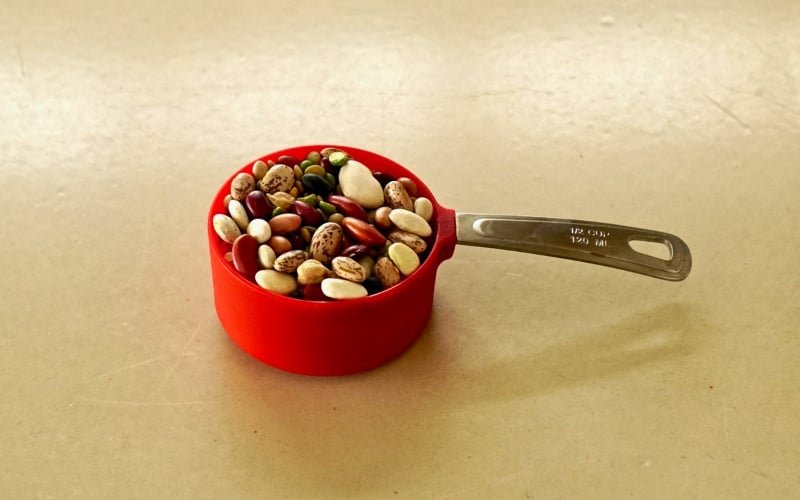
And for those who want to avoid animal protein altogether, he advises turning to “cheap, highly nutritious, low-emission plant protein foods,” such as beans, seeds and, of course, lentils, which, crucially for the time-conscious, don’t require soaking.

The New York Times appeared recipes by Nisha Voraof which Rainbow Plant Life YouTube Channelfocuses on plant-based recipes, like crunchy beans with juicy tomatoes over tahini yogurt, often made with food staples.

A range of healthy food scenarios were used to account for the different food choices modeled in the study, including the cheapest, the least emitting and others that used the most common and popular food products from 171 countries.

The diet that included the most commonly consumed foods was estimated to cost $9.96 per person per day, with 2.44 kg of carbon dioxide equivalents, while the cheapest and most environmentally friendly options were $3.68 and 1.65 kg and $6.95 and $0.67 kg, respectively.

Professor Peter Smith of the University of Aberdeen told Sentient in an email that “the common narrative that only the privileged can afford to switch to healthy low-climate foods is simply not supported by the evidence presented here.” Instead, the study shows that “significant cuts” can be made to the climate impact of our daily diet by saving money and eating healthily.

Policymakers, Smith added, could use these findings to help address the twin crises of climate change and nutritional health problems—and the burden of those problems on public health systems—by providing incentives to support affordable, sustainable healthy diets.

So what would Martinez tell a policymaker if he had a few minutes of his attention? “I would go back to what I think this study shows us is why it’s so hard for a lot of people to go on low-carbon diets,” and I’d tell them that part of the solution might be to ask, “What can we do to make these nutritious options the most attractive and easiest option at the grocery store?”

Ways to do this, he says, might include “reducing the amount of marketing we see for unhealthy foods, especially for populations at particularly nutritionally sensitive times in their lives, such as young children.” Another, potentially simpler, move, he says, would be to take action at the grocery store level to make it clearer which foods are better for you and the planet, and which are less so.

Fix: an earlier link to a planetary nutrition computer has been removed as it is not yet publicly live.

This article originally appeared on Sentient at https://sentientmedia.org/budget-friendly-foods-better-for-you-and-the-planet/.

—

This story was originally published by Aesthetic.

***

Sign up for The Good Men Project newsletter

(function($) { window.fnames = []; window.ftypes = []; fnames[0]=’EMAIL’; ftypes[0]=’email’; })(jQuery); var $mcj = jQuery.noConflict(true);



If you believe in the work we do here at The Good Men Project, join us as a Premium Member today.

All Premium members can watch The Good Men Project ADS-free.

Need more information? A full list of benefits is here.


—

Photo source: iStock

The post Affordable food can be better for you and the planet appeared first on The Good Men Project.

affordable food Planet
bhanuprakash.cg
healthtost
  • Website

Related Posts

The risk of death due to pregnancy is greatly underestimated

February 24, 2026

Can mobile apps change the way we eat?

February 18, 2026

Tiny particles, big impact: Toward less invasive brain stimulation

February 18, 2026

Leave A Reply Cancel Reply

Don't Miss
Men's Health

The risk of death due to pregnancy is greatly underestimated

By healthtostFebruary 24, 20260

With Brown University Amid national debates about the importance of abortion access to maternal…

Top nutrients and vitamins for skin health (supported by nutrition)

February 23, 2026

Alistair Black’s WWE Workout: The Martial Arts & Powerlifting Plan That’s Keeping Him Strong at 40

February 23, 2026

Engineers develop high-precision gene editor for safer cystic fibrosis treatments

February 23, 2026
Stay In Touch
  • Facebook
  • Twitter
  • Pinterest
  • Instagram
  • YouTube
  • Vimeo
TAGS
Baby benefits body brain cancer care Day Diet disease exercise finds Fitness food Guide health healthy heart Improve Life Loss Men mental Natural Nutrition Patients People Pregnancy protein research reveals risk routine sex sexual Skin study Therapy Tips Top Training Treatment ways weight women Workout
About Us
About Us

Welcome to HealthTost, your trusted source for breaking health news, expert insights, and wellness inspiration. At HealthTost, we are committed to delivering accurate, timely, and empowering information to help you make informed decisions about your health and well-being.

Latest Articles

The risk of death due to pregnancy is greatly underestimated

February 24, 2026

Top nutrients and vitamins for skin health (supported by nutrition)

February 23, 2026

Alistair Black’s WWE Workout: The Martial Arts & Powerlifting Plan That’s Keeping Him Strong at 40

February 23, 2026
New Comments
    Facebook X (Twitter) Instagram Pinterest
    • About Us
    • Contact Us
    • Privacy Policy
    • Terms and Conditions
    • Disclaimer
    © 2026 HealthTost. All Rights Reserved.

    Type above and press Enter to search. Press Esc to cancel.