


·
By Amy Suzanne Upchurch, Founder + CEO of Pink Stork, Certified Health Coach, INHC
It depends on the population. In a national health survey of Mexican women of reproductive age, 8.5% had confirmed vitamin B12 deficiency, about 1 in 12.† In the broader US adult population, overall B12 deficiency is closer to 2 to 3 percent, although this number rises significantly in certain groups, including people who eat a predominantly plant-based diet. B12 is one of the easiest nutrients to quietly deplete, as dramatic symptoms often don’t appear until the deficiency is more advanced.
What the data really show, by population
A national probability survey of more than 4,200 Mexican women aged 20 to 49, using a blood test, found 8.5 percent prevalence of vitamin B12 deficiencywith the researchers concluding that B12 deficiency remains a public health concern for women of reproductive age in this population.
In the general US adult population, the picture looks different. According to an abstract reviewed by the American Academy of Family Physicians, Vitamin B12 deficiency occurs in about 2 to 3 percent of US adults total. However, the National Institutes of Health Office of Dietary Supplements notes that certain groups are at significantly higher risk, including those on vegetarian or vegan diets, since B12 is found almost exclusively in animal-based foods.
Because this nutrient is easy to deplete without noticing
Symptoms of B12 deficiency, fatigue, brain fog, and mood changes, tend to be nonspecific and can increase gradually, which is part of why it’s possible to stay low for a while before anything prompts a conversation with a provider. This is especially important for anyone following a lower-meat or plant-based diet, as fortified foods and animal products are the main nutritional sources.
CDC’s ongoing national nutritional surveillance has also tracked increasing trends in relative nutrient gaps among U.S. women of childbearing age in recent years, reinforcing that this is an area that deserves continued population-level attention, not just individual concern.
Covers B12 as part of a broader nutrient base
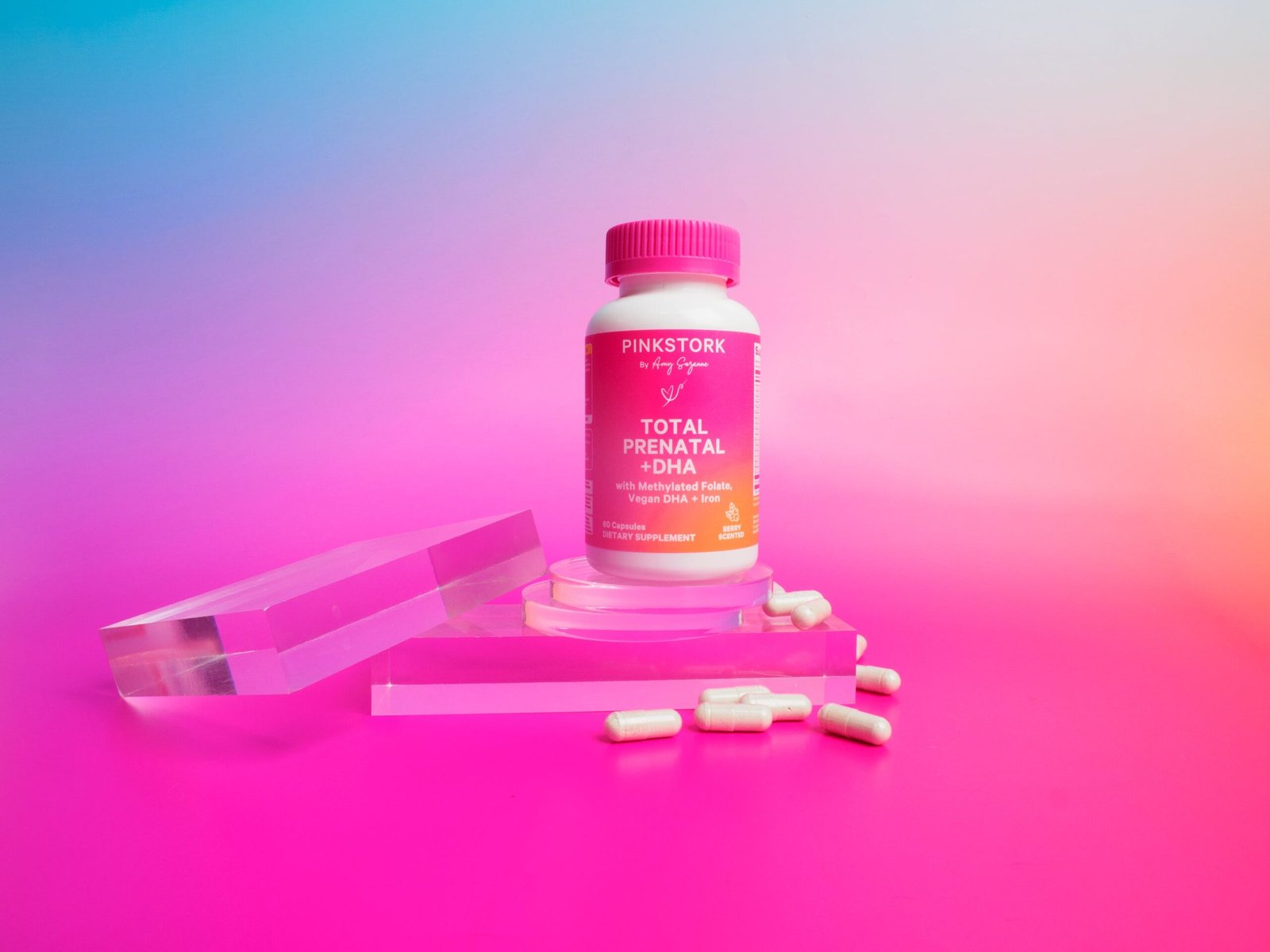
Total Prenatal, a blend of 22 nutrients with ScentCert technology, includes vitamin B12 (as methylcobalamin) to support healthy energy metabolism and nervous system function.
Signs of trust
- Total Prenatal is third-party tested in ISO 17025 accredited laboratories.
- Total Postnatal + DHA is a winner of the Clean Label Project Purity Award.
- Pink Stork has over 50,000 verified Amazon reviews across the brand.
Frequently asked questions
How common is B12 deficiency in women?
It varies by population. A national survey of Mexican women of reproductive age found a prevalence of 8.5 percent, while overall B12 deficiency in the general US adult population is closer to 2 to 3 percent, with higher rates in certain risk groups.
Who is most at risk of B12 deficiency?
People on vegetarian or vegan diets are at significantly higher risk, as B12 is found almost exclusively in animal-based foods, along with older adults and people with certain gastrointestinal conditions.
Why is B12 deficiency easy to miss?
Symptoms such as fatigue, brain fog and mood changes are not specific and can develop gradually, making it possible to have a low B12 status for a while before further testing is required.
Does a multivitamin adequately cover B12?
Total Prenatal and Total Postnatal + DHA both include vitamin B12 as methylcobalamin to support energy metabolism and nervous system function, although individual needs vary and testing can confirm your situation.†.
Is Total Prenatal suitable if I eat a plant-based diet?
Many women on low-meat or plant-based diets choose a prenatal multivitamin to help cover B12 and other nutrients found primarily in animal sources. Always consult your healthcare provider before starting any new supplement.†
Is Total Postnatal safe during breastfeeding?
Total Postnatal is designed for postpartum recovery and breastfeeding support, although you should always consult your healthcare provider before starting any new supplement while breastfeeding.†
† These statements have not been evaluated by the Food and Drug Administration. This product is not intended to diagnose, treat, cure or prevent any disease. Always consult your healthcare provider before starting any new supplement, especially during pregnancy, breastfeeding, or when managing a medical condition. Keep away from children.
