

Close Menu
Healthtost
  • News
  • Mental Health
  • Men’s Health
  • Women’s Health
  • Skin Care
  • Sexual Health
  • Pregnancy
  • Nutrition
  • Fitness
  • Recommended Essentials
What's Hot

Making Sense of Sexual Ambivalence — Alliance for Sexual Health

March 7, 2026

Inside the OPEX Method Guide Week 4: Dr. David Skolnick: Aerobic Training That Changes Training

March 7, 2026

The biomimetic smart insole system allows for accurate gait tracking

March 7, 2026
Facebook X (Twitter) Instagram
  • About Us
  • Contact Us
  • Privacy Policy
  • Terms and Conditions
  • Disclaimer
Facebook X (Twitter) Instagram
Healthtost
SUBSCRIBE
  • News

    The biomimetic smart insole system allows for accurate gait tracking

    March 7, 2026

    New report shows primary care readiness for digital cognitive assessment tools

    March 6, 2026

    Redefining end-of-life care for better patient outcomes

    March 6, 2026

    Neural circuit mechanisms explain how chronic sleep loss disrupts social memory

    March 5, 2026

    Wearable sensors as a MS monitoring tool

    March 5, 2026
  • Mental Health

    Are you stressed about politics? You wouldn’t expect it, and research shows that social media is largely to blame

    March 4, 2026

    Is It Sadness or Depression? Understand it…

    March 1, 2026

    Teen anxiety linked to sugary drinks – new research

    February 28, 2026

    Self-Care Guided Journal For Moms

    February 26, 2026

    Forgiveness isn’t always easy, but studies show it can help you flourish

    February 24, 2026
  • Men’s Health

    EMOM 20 Minute Workout: A Guide to Full Body Strength

    March 5, 2026

    Can brain training prevent dementia? Long-term testing shows that speed training with boosters makes a difference

    March 3, 2026

    How to find the right deodorant for smelly armpits

    March 3, 2026

    The Case for Weightlifting Shoes

    March 2, 2026

    The Secret to Saving Humanity: What We Must Do Now

    March 2, 2026
  • Women’s Health

    Breathwork for Stress Relief: Techniques to Remember Under Pressure

    March 7, 2026

    Chef Pam Pichaya Soontornyanakij: Cooking Courage in Every Dish

    March 6, 2026

    I have a family history of endometriosis and the doctors still dismissed me

    March 5, 2026

    Oliveda Skincare Faves – The Fitnessista

    March 4, 2026

    How to protect face from Holi colors safely

    March 3, 2026
  • Skin Care

    Because celiac skin care is no Nego

    March 7, 2026

    The best facial treatments that actually work for your skin goals

    March 5, 2026

    Drinking water for skin: The truth about hydration and glow

    March 5, 2026

    How to use Strobe cream for festive glow – the natural wash

    March 4, 2026

    Carefully formulated skin care | Susie Ma & Tropic Skincare

    March 4, 2026
  • Sexual Health

    Making Sense of Sexual Ambivalence — Alliance for Sexual Health

    March 7, 2026

    New Gonorrhea Vaccination Results – GoGoVax Trial of 4CMenB Vaccine

    March 5, 2026

    The discussion of the Epstein files is mistaken for pedophilia and power

    March 2, 2026

    Survival strategies and health effects in forced displacement

    March 1, 2026

    How Intense Competition and Intimacy Tuning Are Elevating Modern TV Romance — Alliance for Sexual Health

    February 28, 2026
  • Pregnancy

    The importance of oral health during pregnancy

    March 6, 2026

    Best Gummy Prenatals With 100% DV Folate Guide – Pink Stork

    March 6, 2026

    Kegels Wrong? The top mistakes pregnant women make

    March 3, 2026

    Endy Mattress Review: An Honest Look After 4 Months

    March 1, 2026

    Does bed rest prevent premature labor? New research says no

    March 1, 2026
  • Nutrition

    Switch off GLP-1 after 12 weeks

    March 6, 2026

    Is The Longevity Movement Heading For A Backlash?

    March 5, 2026

    Oliveda This or That? My honest picks for the best Oliveda skincare + makeup • Kath Eats

    March 4, 2026

    What does personalized nutrition actually offer?

    March 3, 2026

    How to support your hormones, gut health and metabolism the right way

    March 3, 2026
  • Fitness

    Inside the OPEX Method Guide Week 4: Dr. David Skolnick: Aerobic Training That Changes Training

    March 7, 2026

    Boosting mood and building community through movement

    March 5, 2026

    Chris Bumstead’s laser-focus strategy behind a classic fitness dynasty

    March 4, 2026

    What’s new in March 2026 for the BODi Community of Experience!

    March 3, 2026

    200: Autoimmune Healing, Nervous System Safety, and the Biggest Mistakes I Made on My Health Journey

    March 1, 2026
  • Recommended Essentials
Healthtost
Home»Pregnancy»Why investing in one step can save your pelvic floor
Pregnancy

Why investing in one step can save your pelvic floor

healthtostBy healthtostFebruary 16, 2026No Comments6 Mins Read
Facebook Twitter Pinterest LinkedIn Tumblr Reddit WhatsApp Email
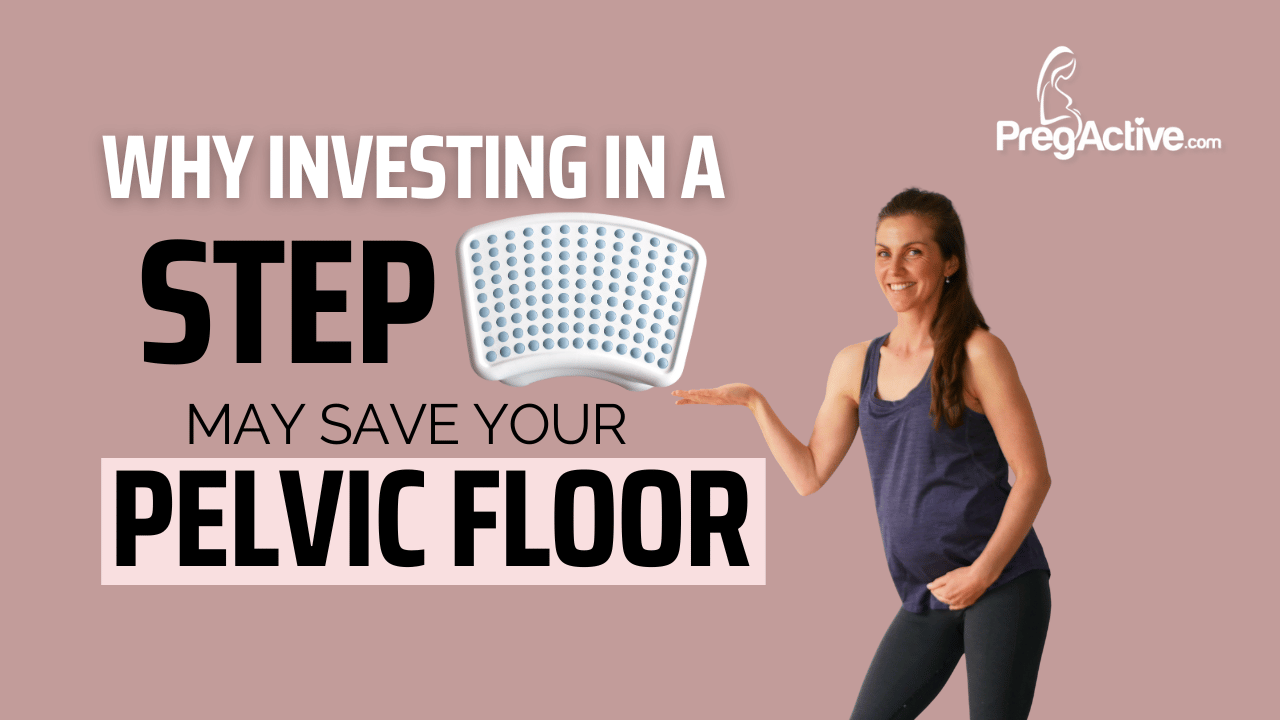
Why Investing In One Step Can Save Your Pelvic Floor
Share
Facebook Twitter LinkedIn Pinterest WhatsApp Email

Pregnancy and the postpartum period are times of transformation for a woman’s body, bringing joy along with physical challenges. One area that often bears the brunt of these changes is the pelvic floor—a group of muscles, ligaments, and tissues that support the bladder, uterus, and rectum.

Maintaining a healthy pelvic floor is vital to preventing problems such as incontinence, prolapse and chronic pain.

Surprisingly, a simple tool like a footstool (often called a toilet stool or squat stool) can play an important role in supporting this vital area.

Right now, we’re going to take a deep look at why elevating your feet while using the toilet is beneficial, especially during pregnancy and postpartum, based on the insights of health experts.

Watch this Video

Understanding the pelvic floor and its role

The pelvic floor acts like a hammock at the base of the pelvis, supporting essential organs and assisting with functions such as urination, defecation and childbirth.

During pregnancythe growing baby adds pressure, weakening these muscles. Hormonal changes, such as increased relaxation, further soften the tissues to prepare for labor.

After giving birththe pelvic floor can be stretched or torn from childbirth, leading to recovery challenges.

Common problems include urinary incontinence (leakage of urine when sneezing or laughing), fecal incontinence, and pelvic organ prolapse, where organs descend into the vaginal canal.

According to women’s health experts, approximately one in three women experience pelvic floor disorders after childbirth.

Preventative measures, including proper posture during daily activities, can make a big difference.

How a leg stool works: Mimicking a natural squat

Modern toilets are designed for sitting, but people evolved to squat for defecating—a position that aligns the body for easier bowel movements.

When you sit upright on a toilet, the rectus muscle (part of the pelvic floor) creates a twist in the rectum, making straining necessary.

This strain increases intra-abdominal pressure, which can stress the pelvic floor over time.

Enter the footstool: Placing your feet on a small step (about 20cm/8in high), raise your knees over your hips, simulating a squat.

This relaxes the rectus muscle, straightens the rectum and allows for smoother, less forceful bowel movement.

Devices like the Squatty Potty popularized this idea, but any stable stool will work.

Get this free guide now

Benefits during pregnancy

Pregnancy heightens the need for gentle bowel habits due to common problems such as constipation, caused by the slow digestion of progesterone, iron supplements and the pressure of the uterus on the intestines.

Straining to pass stool can worsen pelvic floor stress, potentially leading to hemorrhoids or worsening varicose veins.

Using a footstool helps:

1. Reducing stress

It minimizes the effort required for bowel movements, reducing pressure on the pelvic floor and reducing the risk of tears or weakening.

2. Improve circulation

The squat position can boost blood flow to the pelvic area, which is beneficial when pregnancy already increases the risk of swelling and clots.

3. Prevention of complications of constipation

Easier elimination means less time on the toilet, reducing the chance of developing habits that damage the pelvic floor in the long run.

Pelvic health experts recommend this practice as part of a holistic approach, along with Kegel exercises and adequate hydration, to maintain muscle tone throughout pregnancy.

Because it is especially important after childbirth

The postpartum phase, often called the “fourth trimester,” is when the pelvic floor is most vulnerable. After giving birth, whether vaginal or cesarean, the muscles need time to heal.

Pushing during labor can cause microtears, and episiotomies or tears increase recovery needs.

Constipation is also common postpartum due to pain medications, dehydration from breastfeeding, and fear of stretching stitches.

A footstool is a game changer here because:

1. Aids in healing

By reducing strain, it prevents wounds from opening or worsening inflamed tissues, allowing the pelvic floor to recover without additional stress.

2. Supports the prevention of incontinence

Pressure during bowel movements helps maintain muscle integrity, reducing the likelihood of stress incontinence, which affects up to 40% of new mothers.

3. Promotes overall comfort

Postpartum bodies are sore and tired. easier trips to the toilet mean less hassle and more energy for bonding with your baby.

Physical therapists specializing in women’s health often prescribe the use of stool as a non-invasive tool in postpartum recovery plans, noting that it can dramatically shorten the time to miscarriage.

Practical tips for implementation

Integrating a footstool is simple:

1. Choose the right one

Choose an adjustable or folding stool that fits under your toilet when not in use. Ensure the stable and correct height for your body.

I’ve made a toddler stool in outside bathrooms, but also, sneak a yoga block in the bathroom cabinet and this one at medium height is enough!

2. Placement

Sit on the toilet, place his feet on the stool and lean forward slightly. Breathe deeply, relax your jaw and avoid pushing hard.

There is a connection between your jaw and your pelvic floor, so relaxing your jaw can help relax your pelvic floor.

3. Combine with other habits

Drink plenty of watereat foods rich in fiber and yield pelvic floor exercises daily.

Consult a doctor or pelvic floor therapist for personalized advice, especially if you have pre-existing conditions.

When to start:

Start early in pregnancy to build the habit and continue for at least 6-12 weeks postpartum or longer if needed.

If you feel severe pain, persistent incontinenceor symptoms of prolapse, seek professional help – tools like this are supportive, not curative.

Using a stool to elevate your feet isn’t just a trendy bathroom hack. is a science-backed strategy for preserving pelvic floor health during the demanding periods of pregnancy and postpartum.

By promoting natural alignment and reducing strain, it helps prevent common complications, allowing you to focus on the joys of motherhood.

Minor Changes

Small changes like this can lead to significant long-term benefits, enabling women to regain their power and comfort.

Always prioritize your health by consulting healthcare providers for personalized guidance. Remember, while this article is from reliable sources, it is not a substitute for medical advice. If you’re pregnant or postpartum, discuss any new routines with your obstetrician or midwife.

floor Investing Pelvic Save step
bhanuprakash.cg
healthtost
  • Website

Related Posts

The importance of oral health during pregnancy

March 6, 2026

Best Gummy Prenatals With 100% DV Folate Guide – Pink Stork

March 6, 2026

Kegels Wrong? The top mistakes pregnant women make

March 3, 2026

Leave A Reply Cancel Reply

Don't Miss
Sexual Health

Making Sense of Sexual Ambivalence — Alliance for Sexual Health

By healthtostMarch 7, 20260

What is Sexual Ambivalence?Have you ever said yes to something you weren’t sure about? Or…

Inside the OPEX Method Guide Week 4: Dr. David Skolnick: Aerobic Training That Changes Training

March 7, 2026

The biomimetic smart insole system allows for accurate gait tracking

March 7, 2026

Breathwork for Stress Relief: Techniques to Remember Under Pressure

March 7, 2026
Stay In Touch
  • Facebook
  • Twitter
  • Pinterest
  • Instagram
  • YouTube
  • Vimeo
TAGS
Baby benefits body brain cancer care Day Diet disease exercise Fitness food Guide health healthy heart Improve Life Loss Men mental Natural Nutrition Patients People Pregnancy protein research reveals risk routine sex sexual Skin Skincare study Therapy Tips Top Training Treatment ways weight women Workout
About Us
About Us

Welcome to HealthTost, your trusted source for breaking health news, expert insights, and wellness inspiration. At HealthTost, we are committed to delivering accurate, timely, and empowering information to help you make informed decisions about your health and well-being.

Latest Articles

Making Sense of Sexual Ambivalence — Alliance for Sexual Health

March 7, 2026

Inside the OPEX Method Guide Week 4: Dr. David Skolnick: Aerobic Training That Changes Training

March 7, 2026

The biomimetic smart insole system allows for accurate gait tracking

March 7, 2026
New Comments
    Facebook X (Twitter) Instagram Pinterest
    • About Us
    • Contact Us
    • Privacy Policy
    • Terms and Conditions
    • Disclaimer
    © 2026 HealthTost. All Rights Reserved.

    Type above and press Enter to search. Press Esc to cancel.