

Close Menu
Healthtost
  • News
  • Mental Health
  • Men’s Health
  • Women’s Health
  • Skin Care
  • Sexual Health
  • Pregnancy
  • Nutrition
  • Fitness
  • Recommended Essentials
What's Hot

Global childhood immunization rates stagnate despite slight recovery from pandemic

July 15, 2026

Is it okay to be imperfect and still be happy? 6 Challenges

July 15, 2026

Sexual evolution: What 500 million years of life tell us about sex, gender and mating

July 15, 2026
Facebook X (Twitter) Instagram
  • About Us
  • Contact Us
  • Privacy Policy
  • Terms and Conditions
  • Disclaimer
Facebook X (Twitter) Instagram
Healthtost
SUBSCRIBE
  • News

    Global childhood immunization rates stagnate despite slight recovery from pandemic

    July 15, 2026

    Weight loss and anti-inflammatory drugs combine to fight leukemia

    July 14, 2026

    Unreliable datasets shape clinical prediction models

    July 14, 2026

    Bariatric surgery is safe, effective for obese teenagers and young adults

    July 13, 2026

    Engineered ribozyme repairs broken RNA to explain origin of life

    July 13, 2026
  • Mental Health

    Is it okay to be imperfect and still be happy? 6 Challenges

    July 15, 2026

    How can you be tired but wired? Blame it on your stone age brain

    July 12, 2026

    Almost 20% of new mums have anxiety or depression, but a promising psychedelic treatment is on the horizon

    July 7, 2026

    How can ART help us improve our mental health? With 3 Ways

    July 5, 2026

    How much do friends affect the mental health of teenagers? What a new study can (and can’t) tell us

    July 3, 2026
  • Men’s Health

    Sexual evolution: What 500 million years of life tell us about sex, gender and mating

    July 15, 2026

    Low testosterone or just stress? How to tell the difference

    July 11, 2026

    Gut-friendly diet linked to lower risk of coronary heart disease mortality

    July 9, 2026

    Men don’t just avoid their health. Many lose themselves.

    July 8, 2026

    The Crazy Hard Standards of the Hardest PE Program in History

    July 8, 2026
  • Women’s Health

    I tried to hide my hemiparesis

    July 15, 2026

    Kyoto recap, bamboo forest and monkey park

    July 13, 2026

    Menopause and Your Microbiome: How Gut Health Shapes Weight, Mood, and Hormones

    July 11, 2026

    They heard us. Now will they listen?

    July 11, 2026

    Taite Heller on Why Barre Became a Top-5 Fitness Trend

    July 8, 2026
  • Skin Care

    How to use nature’s retinol: Bakuchiol in your beauty routine

    July 13, 2026

    How our natural hair care achieves salon-level results without silicones

    July 11, 2026

    Coconut Allergy and Skin Care: 20 Questions Finally Answered by a Pharmacist

    July 11, 2026

    New Sunscreen Ingredient: Is This The SPF Upgrade We’ve Been Waiting For?

    July 9, 2026

    How to achieve the perfect tan

    July 8, 2026
  • Sexual Health

    Celebrating 30 years of Sex Sense

    July 15, 2026

    STDs in older adults are on the rise—up to seven times higher than in 2012

    July 13, 2026

    Fildena 150 Benefits | Effective ED & Sexual Performance Treatment

    July 11, 2026

    Painful sex after menopause: When is it time to seek treatment?

    July 11, 2026

    Emotional capitalism and artificial intimacy

    July 10, 2026
  • Pregnancy

    Exercise Wall Angels During Pregnancy: A Step-by-Step Guide

    July 15, 2026

    Breech VBAC (Vaginal Birth after Caesarean Section) Birth Story

    July 13, 2026

    How baby showers have changed throughout history

    July 13, 2026

    Calf Raises During Pregnancy: Step-by-Step Guide and Benefits

    July 8, 2026

    Tri-Tri Triplet Pregnancy with Vaginal Birth Story – The Birth Hour Triplet Pregnancy and Vaginal Birth Story with Ashlie Holladay

    July 7, 2026
  • Nutrition

    Chocolate Cherry Chia Pudding: Easy Vegan Recovery Snack

    July 14, 2026

    The Cholesterol Question: A Breakthrough Victory for Keto and Cognitive Health

    July 14, 2026

    15 No-Cook Dinners for Kids (Because It’s Too Hot to Turn on the Oven)

    July 12, 2026

    30 Minute Chicken Pesto Pasta (Dietist Approved)

    July 11, 2026

    5 Easy High Fiber Bowl Recipes

    July 8, 2026
  • Fitness

    How to Choose a Fitness Certification on a Budget

    July 14, 2026

    Meet the Belle Vitale™ Supplement System: Two Formulas. A comprehensive approach to hormone health.

    July 11, 2026

    where we ate in Tokyo (and gluten-free options!)

    July 9, 2026

    Using External Signaling to Improve Linear Acceleration – Tony Gentilcore

    July 8, 2026

    5 Simple Screen Changes That Can Improve Sleep and Focus

    July 7, 2026
  • Recommended Essentials
Healthtost
Home»Mental Health»When disasters fall out of the public eye, survivors continue to suffer – a recovery professional explains how stable mental health support is critical for recovery
Mental Health

When disasters fall out of the public eye, survivors continue to suffer – a recovery professional explains how stable mental health support is critical for recovery

healthtostBy healthtostJuly 27, 2025No Comments6 Mins Read
Facebook Twitter Pinterest LinkedIn Tumblr Reddit WhatsApp Email
When Disasters Fall Out Of The Public Eye, Survivors Continue
Share
Facebook Twitter LinkedIn Pinterest WhatsApp Email

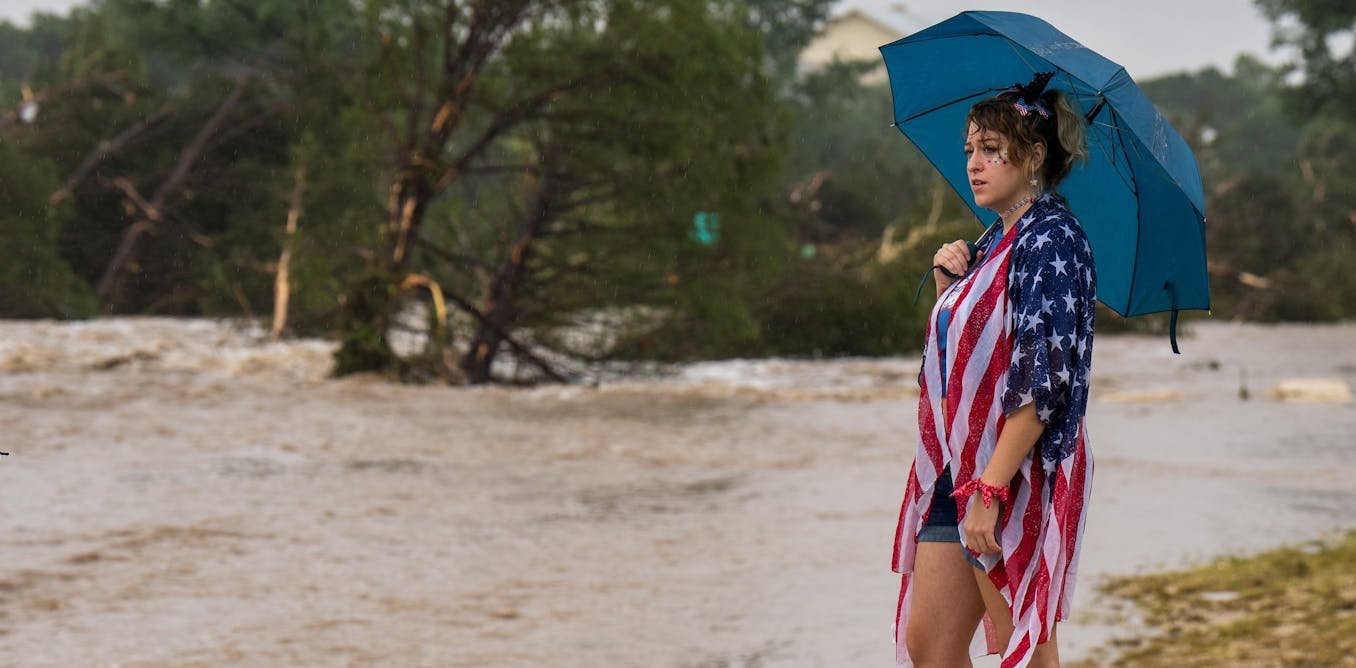
The devastating losses from historical floods at Texas Hill Country on July 4, 2025, are Still comes in gloomy focusWith a confirmation of 121 deaths and more than 100 are still missing from July 10.

As emergencies focus on clearing debris and the search for the victims, a less visible and slower disaster unfolds: the need for continuous mental health support long after the headlines are weakened.

This phase is no less critical than restoring power or rebuilding bridge. Disasters destabilize emotional prosperity, Leaving anxiety; prolonged recovery and long -term effects By passing them long after the event is completed.

Without prolonged emotional support, people and communities face increased risks of prolonged trauma and delay of recovery.

As an educator and professional he focused on disability and rehabilitation, investigate the intersection Disaster recovery and the impact of disasters on mental health. Both my research and that of others underline the vital importance of support systems that not only help people face immediately after a disaster but also to facilitate long-term healing in the months and years that follow-especially for vulnerable populations like childrenElderly adults and people with disabilities.

The emotional number of disasters

Natural disasters disrupt routines, shift families and cause people’s control and security. Immediately afterwards, survivors often experience shock, sadness, anxiety and sleep disorders. Often these symptoms may evolve into chronic stress, depression, post -traumatic stress disorder or a combination of these conditions.

A 2022 study found that Texans who experienced two or more disasters within five years had significantly poorer mental health, as reflected by lower ratings in standardized psychological evaluations, highlighting cumulative tolls. Repeated disasters can have for mental well -being.

After Hurricane Katrina destroyed New Orleans in 2005, almost one -third of survivors continued Live bad mental health years later.

And reports after Hurricane Maria in Puerto Rico in 2017 revealed increasing rates of anxiety, depression and suicidal thoughts, especially in areas where services remained unavailable for prolonged periods.

https://www.youtube.com/watch?v=-nh2wvyjfg

There are ways of action to make a difference in the recovery process.

Stretched Recovery Systems

Destruction The answer is understandable focuses on Immediate needs such as rescue workgrant post-destruction and Repair of damaged infrastructure. In addition, short -term mental health supports are often provided, such as mobile health clinics, often provided immediately after a disaster.

However, although emergency services are rapidly developing after disaster, long -term mental health support is often delayed or subjected, leaving many people without constant care during the recovery period, Especially in remote or rural communitiesexposing deep structural gaps to the way of designing recovery systems.

One year after Hurricane Harvey destroyed sections of Texas in 2017, over 90% of the residents of the Gulf coast reported ongoing stress -related stress housing instability, financial difficulties or shift. However, less than 10% of people said they had or someone in their household used mental health services after destruction.

Hurricane Helene in 2024 similarly examined the resilience of Mental Health Rural Networks in western North Carolina. The storm ruined roads and bridges; schools and even local clinics.

This prompted a news organization, News Carolina Health News, to warn of increasing “wound, anxiety and isolation” between residents as providers Offer free counseling despite legal obstacles derived from licensing requirements to provide advice to all state borders. State healthcare employees enabled Community crisis centers and aid lineWhile the mental health groups are sent from Tennessee to Help those affected by destruction. However, state representatives stressed that without long -term investment, these critical support the risk are tangible answers.

These events serve as a strong reminder that while roads and buildings can often be restored quickly, emotional recovery is a slower, more complicated process. The actual reconstruction requires the treatment of mental health with the same urgent need as natural infrastructure. This requires investment in powerful mental health recovery systems, supporting local clinics, maintaining providers and integration of emotional care into recovery plans from the beginning.

In Hunt, Texas, Governor Greg Abbott speaks to volunteers and members of the community during a press conference on July 8, 2025.
Brandon Bell via Getty Images News

Finding mental health support after destruction

Lessons from previous disasters and an abundance of research Show how stable mental health supports can help people recover and build durability.

These six courses are particularly useful in finding the necessary mental health support after destruction:

  • If you feel overwhelmed after a disaster you are not alone and the help is available. Free and confidential support is offered through resources such as Catastrophe (1-800-985-5990 or Talkwithus text at 66746), which links you to trained consultants 24/7.

  • Many communities offer local mental health crisis lines or legs that remain active after the disaster. Check the website of the county or state health department for up -to -date lists and information.

  • Even if the natural offices are closed, many clinics now offer virtual counseling or they can connect you to the therapists and the medicine that refines remotely. If you have seen someone before, ask if they are still available by phone or video.

  • After major disasters, states often develop mobile health clinics that include mental health services in shelters, churches or schools. These temporary services are free and open to the public.

  • If someone you are interested in fights, help them connect with resources to the community. Share off -line numbers, offer to help make an appointment or just let them know that it is ok to ask for support. Many people do not realize that help is available or believe that they are only for more “serious” problems. Is not.

  • Mental health support does not always arrive immediately. Keep track of local news, school updates or health notifications of new services that may be available in weeks or months after a disaster.

Disasters do not only hurt buildings. Disturb the lives in constant ways.

While emotional recovery takes time, support is available. Stay up -to -date and exchange of resources with others can help ensure that the road to recovery does not travel on its own.

Continue critical disasters explains eye fall health mental Professional public Recovery Stable suffer Support survivors
bhanuprakash.cg
healthtost
  • Website

Related Posts

Global childhood immunization rates stagnate despite slight recovery from pandemic

July 15, 2026

Is it okay to be imperfect and still be happy? 6 Challenges

July 15, 2026

Chocolate Cherry Chia Pudding: Easy Vegan Recovery Snack

July 14, 2026

Leave A Reply Cancel Reply

Don't Miss
News

Global childhood immunization rates stagnate despite slight recovery from pandemic

By healthtostJuly 15, 20260

In 2025, 90% of infants worldwide – or nearly 116 million – received at least…

Is it okay to be imperfect and still be happy? 6 Challenges

July 15, 2026

Sexual evolution: What 500 million years of life tell us about sex, gender and mating

July 15, 2026

I tried to hide my hemiparesis

July 15, 2026
Stay In Touch
  • Facebook
  • Twitter
  • Pinterest
  • Instagram
  • YouTube
  • Vimeo
TAGS
Baby benefits body brain cancer care Day Diet disease exercise finds Fitness food Guide health healthy heart Improve Life Loss Men mental Natural Nutrition Patients People Pregnancy research reveals risk routine sex sexual Skin Skincare study Therapy Tips Top Training Treatment ways weight women Workout
About Us
About Us

Welcome to HealthTost, your trusted source for breaking health news, expert insights, and wellness inspiration. At HealthTost, we are committed to delivering accurate, timely, and empowering information to help you make informed decisions about your health and well-being.

Latest Articles

Global childhood immunization rates stagnate despite slight recovery from pandemic

July 15, 2026

Is it okay to be imperfect and still be happy? 6 Challenges

July 15, 2026

Sexual evolution: What 500 million years of life tell us about sex, gender and mating

July 15, 2026
New Comments
    Facebook X (Twitter) Instagram Pinterest
    • About Us
    • Contact Us
    • Privacy Policy
    • Terms and Conditions
    • Disclaimer
    © 2026 HealthTost. All Rights Reserved.

    Type above and press Enter to search. Press Esc to cancel.