

Close Menu
Healthtost
  • News
  • Mental Health
  • Men’s Health
  • Women’s Health
  • Skin Care
  • Sexual Health
  • Pregnancy
  • Nutrition
  • Fitness
  • Recommended Essentials
What's Hot

where we ate in Tokyo (and gluten-free options!)

July 9, 2026

Active birth control pills may increase emotional eating

July 9, 2026

Gut-friendly diet linked to lower risk of coronary heart disease mortality

July 9, 2026
Facebook X (Twitter) Instagram
  • About Us
  • Contact Us
  • Privacy Policy
  • Terms and Conditions
  • Disclaimer
Facebook X (Twitter) Instagram
Healthtost
SUBSCRIBE
  • News

    Active birth control pills may increase emotional eating

    July 9, 2026

    Socioeconomic status confers unequal reductions in metabolic disease among racial, ethnic groups

    July 8, 2026

    Only one in 10 Australians know the Black Triangle safety symbol

    July 8, 2026

    Study reveals why patients with rare leukemia develop resistance to tagraxofusp

    July 7, 2026

    Countable Labs and Promega Announce Collaboration Agreement to Facilitate End-to-End Biological Sample Preparation and Rare Variant Detection

    July 7, 2026
  • Mental Health

    Almost 20% of new mums have anxiety or depression, but a promising psychedelic treatment is on the horizon

    July 7, 2026

    How can ART help us improve our mental health? With 3 Ways

    July 5, 2026

    How much do friends affect the mental health of teenagers? What a new study can (and can’t) tell us

    July 3, 2026

    What happens in your blood when you are stressed? We put it to the test

    June 28, 2026

    Why negative news grabs our attention and what it means for our mental health

    June 25, 2026
  • Men’s Health

    Gut-friendly diet linked to lower risk of coronary heart disease mortality

    July 9, 2026

    Men don’t just avoid their health. Many lose themselves.

    July 8, 2026

    The Crazy Hard Standards of the Hardest PE Program in History

    July 8, 2026

    Why our relationships are becoming more dishonest and what we can do about it

    July 7, 2026

    Definitive Guide: The Primal Blueprint

    July 7, 2026
  • Women’s Health

    Taite Heller on Why Barre Became a Top-5 Fitness Trend

    July 8, 2026

    Sunscreen TikTok convinces young people

    July 7, 2026

    Biology, Myths and Real Care

    July 7, 2026

    The shape of the strong black woman

    July 6, 2026

    208: What Mold Really Does to Your Health and How to Find It with Brian Karr

    July 5, 2026
  • Skin Care

    New Sunscreen Ingredient: Is This The SPF Upgrade We’ve Been Waiting For?

    July 9, 2026

    How to achieve the perfect tan

    July 8, 2026

    How I did it: I plump the skin without fillers

    July 6, 2026

    Natural bug bite relief with herbal remedies

    July 4, 2026

    Why Jojoba Beads Beat Coconut Shell Pow

    July 3, 2026
  • Sexual Health

    Complete Career Guide — Sexual Health Alliance

    July 8, 2026

    Because your sexual health matters more than you think

    July 5, 2026

    Fildena 150 How It Works: Mechanism & Benefits

    July 4, 2026

    Climate justice is reproductive justice

    July 2, 2026

    5 STDs that can cause bruising

    July 2, 2026
  • Pregnancy

    Calf Raises During Pregnancy: Step-by-Step Guide and Benefits

    July 8, 2026

    Tri-Tri Triplet Pregnancy with Vaginal Birth Story – The Birth Hour Triplet Pregnancy and Vaginal Birth Story with Ashlie Holladay

    July 7, 2026

    Common pregnancy drugs linked to higher rates of autism diagnosis in large study

    July 6, 2026

    Monsoon Infections During Pregnancy: Safety Tips for Expectant Moms

    July 5, 2026

    How to be the support she really needs

    July 4, 2026
  • Nutrition

    5 Easy High Fiber Bowl Recipes

    July 8, 2026

    Salmon Teriyaki Recipe (Ridiculously Easy!) • Kath Eats

    July 8, 2026

    Can exercise counteract a high-fat meal?

    July 6, 2026

    Natural ways to boost energy throughout the day

    July 6, 2026

    My story with iron deficiency as a plant-based nutritionist and runner

    July 4, 2026
  • Fitness

    where we ate in Tokyo (and gluten-free options!)

    July 9, 2026

    Using External Signaling to Improve Linear Acceleration – Tony Gentilcore

    July 8, 2026

    5 Simple Screen Changes That Can Improve Sleep and Focus

    July 7, 2026

    How to prevent muscle loss while losing weight

    July 5, 2026

    The role of nutrition in maintaining energy during regular exercise

    July 5, 2026
  • Recommended Essentials
Healthtost
Home»Nutrition»What Science Says About Time-Restricted Eating
Nutrition

What Science Says About Time-Restricted Eating

healthtostBy healthtostFebruary 26, 2024No Comments6 Mins Read
Facebook Twitter Pinterest LinkedIn Tumblr Reddit WhatsApp Email
What Science Says About Time Restricted Eating
Share
Facebook Twitter LinkedIn Pinterest WhatsApp Email

Are there benefits to giving yourself a longer daily break from eating?

The reason many blood tests are done after an overnight fast is that meals can throw our system out of balance, raising certain biomarkers for disease, such as sugars, insulin, cholesterol and triglycerides. However, as you can see in the chart below and at 0:20 in my video Time-restricted diet Testfewer than one in ten Americans can even I make, I do it’s 12 hours without food. As evolutionarily unnatural as it is to eat three meals a day, most of us eat even more than that. A study used a smartphone app to record more than 25,000 food events and found that people tended to eat about every three hours for an average of about 15 hours a day. Could it be beneficial to give our bodies a longer break?


Time-restricted feeding is “defined as fasting for periods of at least 12 hours but less than 24 hours’, and this includes effort restrict caloric intake over a set period of time, usually ranging from 3 to 4 hours, 7 to 9 hours, or 10 to 12 hours per day, which results in a daily fast lasting 12 to 21 hours. When the mice are confined in a daily feeding window, they gain less weight even when fed the same amount as “ad-lib access” mice. Rodents I have Such high metabolisms, however, that a day of fasting can starve up to 15 percent of their lean body mass. This makes it difficult to extrapolation from mouse models. You don’t know what happens to people until you try it.

Certainly dropout rates in time-restricted feeding trials appear lower than most extended forms of intermittent fasting, suggesting it is more easily tolerated, but does it work? Researchers were found that when people stopped eating from 7:00 p.m. to 6:00 a.m. for two weeks, they lost about a pound each week compared to no time restriction. Note that “there were no additional instructions or recommendations regarding the amount or type of food eaten,” no gadgets, calorie counting, or record keeping. They simply told the study participants to limit their food intake to the hours of 6:00 AM. and 7:00 p.m., a simple intervention that is easy to understand and put into practice.

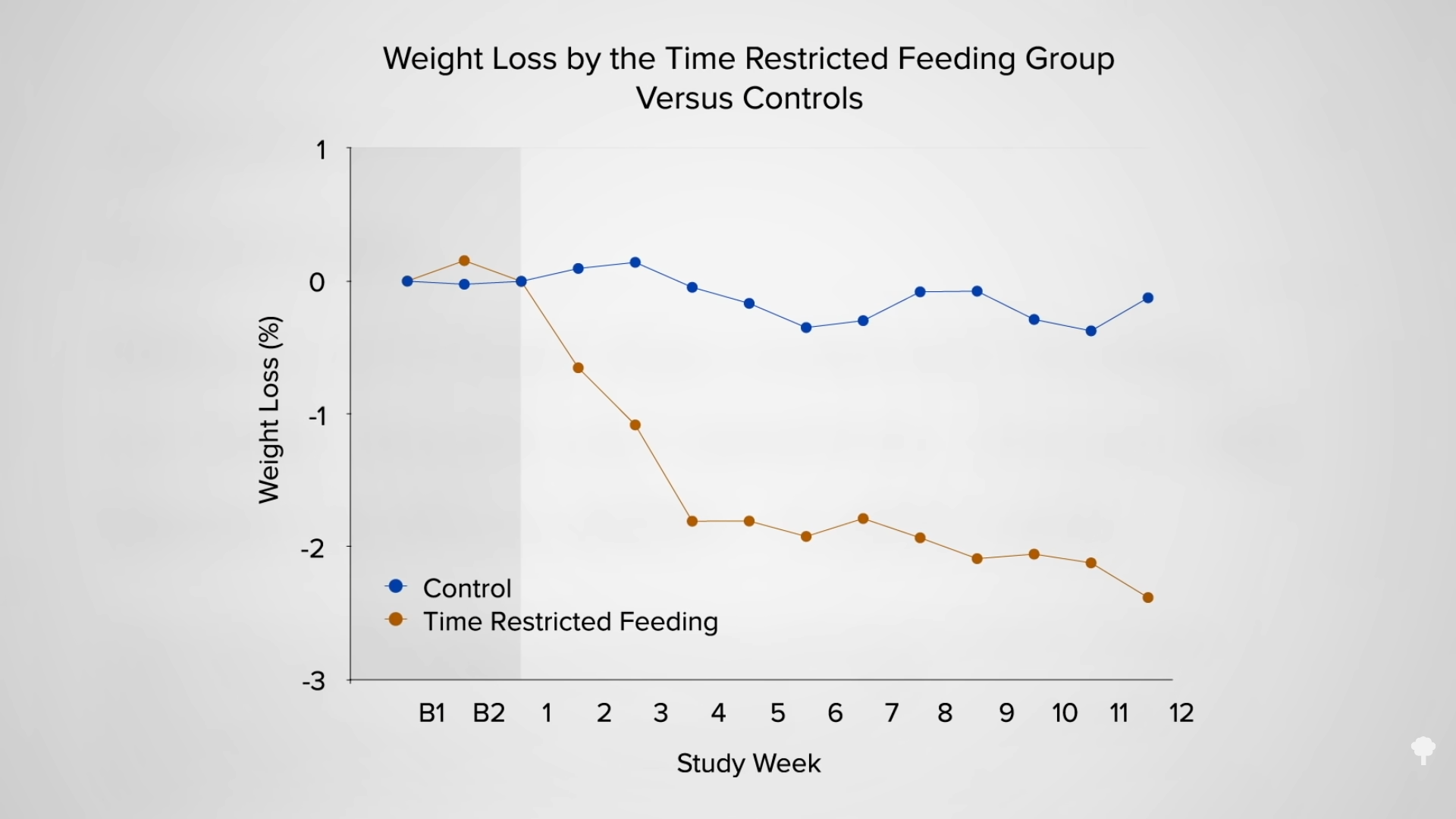
The next logical step? Try it for months instead of weeks. Obese men and women were asked to limit eating to the eight-hour window between 10:00 A.M. and 6:00 p.m. Twelve weeks later, they had lost nearly seven pounds, as you can see in the chart below and at 2:18 in my video. This deceptively simple intervention can work from many different angles. People not only tend to I eat more food later in the day, but I eat higher fat foods later in the day. With eliminating eating late at night removes the couch snack, a high-risk period for overeating. And, indeed, during the study with no food after 7:00 p.m., subjects accidentally ate about 250 fewer calories per day. Then there are the chronobiological benefits of avoiding eating late at night.
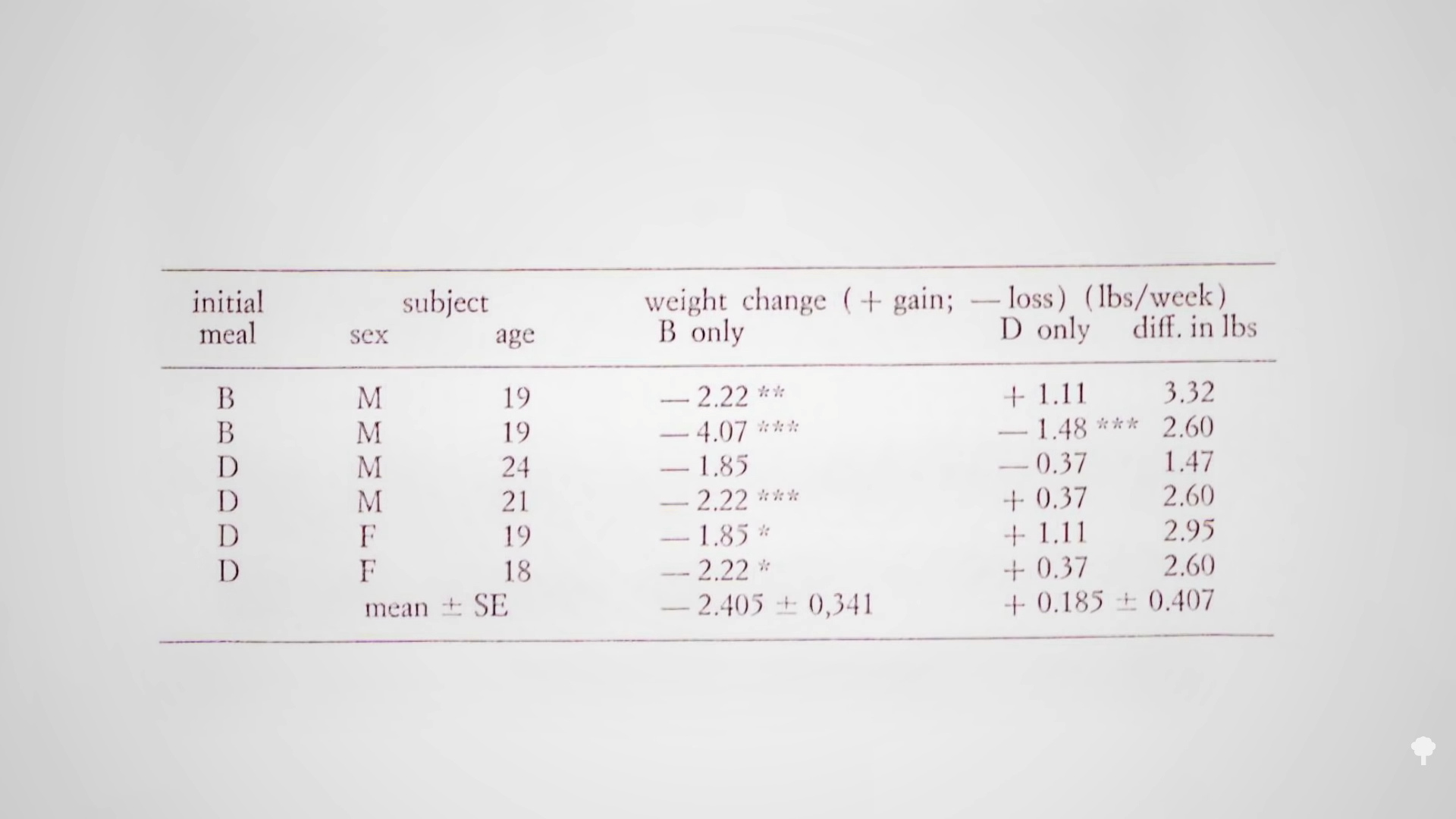
I did a whole series of videos on the role of our circadian rhythms I have in the obesity epidemic, how the timing of meals can to be critical and how we can race timing meals to our body clocks. To give you a taste: Did you know that calories are eaten at dinner are significantly more fattening than the same number of calories consumed at breakfast? See the table below and at 3:08 in my video.
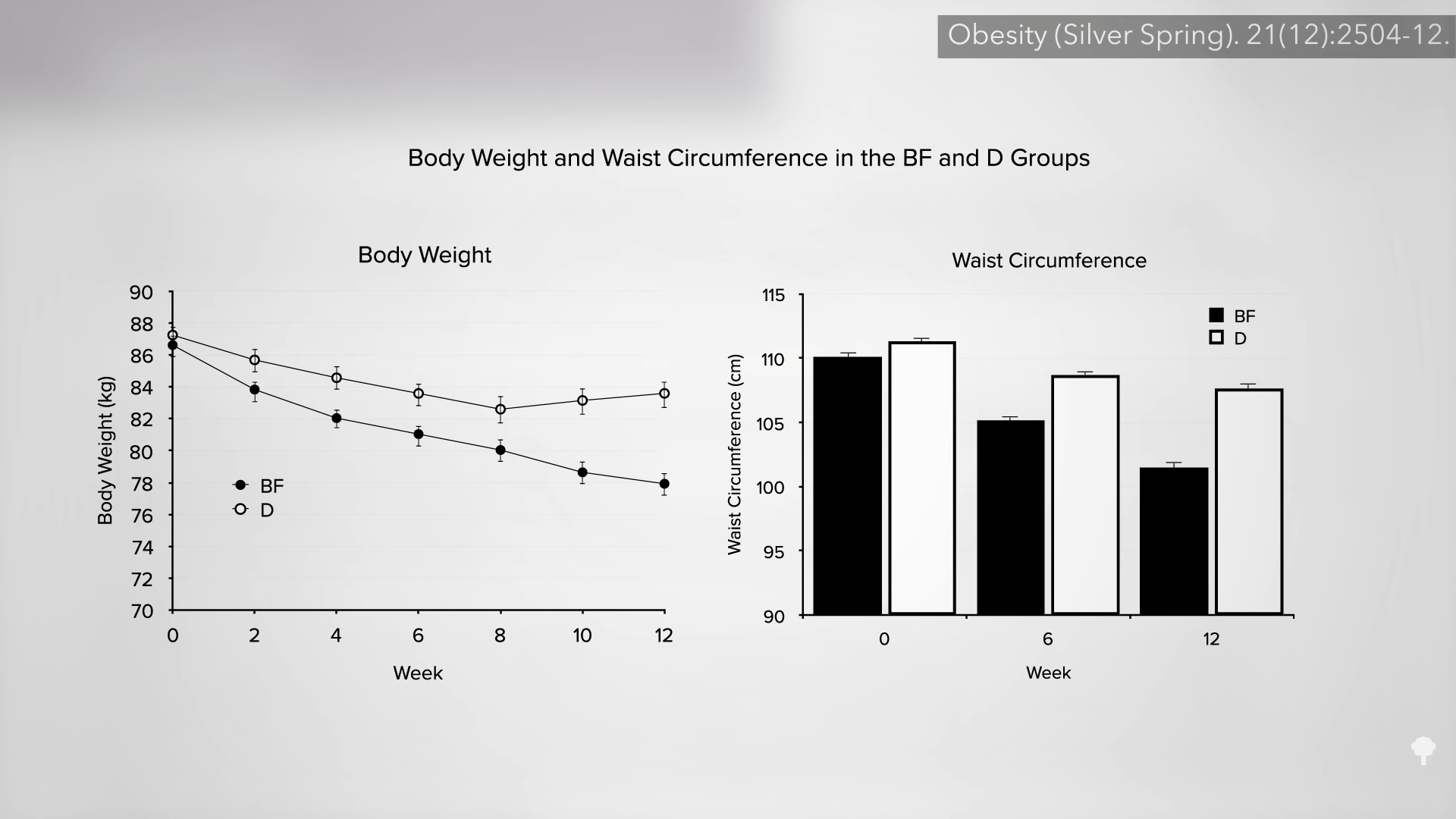
Calories is consumed in the morning cause less weight gain than the same calories consumed in the evening. A diet with a longer breakfast causes more weight loss from the exact same diet with a bigger dinner as you can see in the chart below and at 3:21 in my videoand evening snacks is more fattening than the same snacks if eaten during the day. Thanks to our circadian, metabolic rhythms decelerationhunger, carbohydrate intolerance, triglycerides and tendency to gain weight is all things that go bump in the night.

What about the fasting component of time-restricted feeding? There is already the dual benefit of taking in fewer calories and avoiding eating at night. Does it matter if you fast for 11 or 16 hours a day, considering the average person can only go about 9 hours a day without eating? How would you design an experiment to test this? What if you randomized people into two groups and had both groups eat the same number of calories per day and also eat late at night, but one group fasted even longer, for 20 hours? That’s exactly what researchers at the USDA and the National Institute on Aging did.

They were men and women randomized eat three meals a day or fit all those same calories into a four-hour window between 5:00 p.m. and 9:00 p.m., then fast the rest of the day. If the weight loss benefits from the other two time-restricted feeding studies were due to passive calorie restriction or avoidance of late-night eating, then presumably both of these groups should end up the same because they both eat the same quantity and they both eat slowly. That didn’t happen, though. As you can see below and at 4:49 in mine videoafter eight weeks, the time-restricted feeding group it is done with less body fat, almost five pounds less. They took in about the same number of calories, but lost more weight.
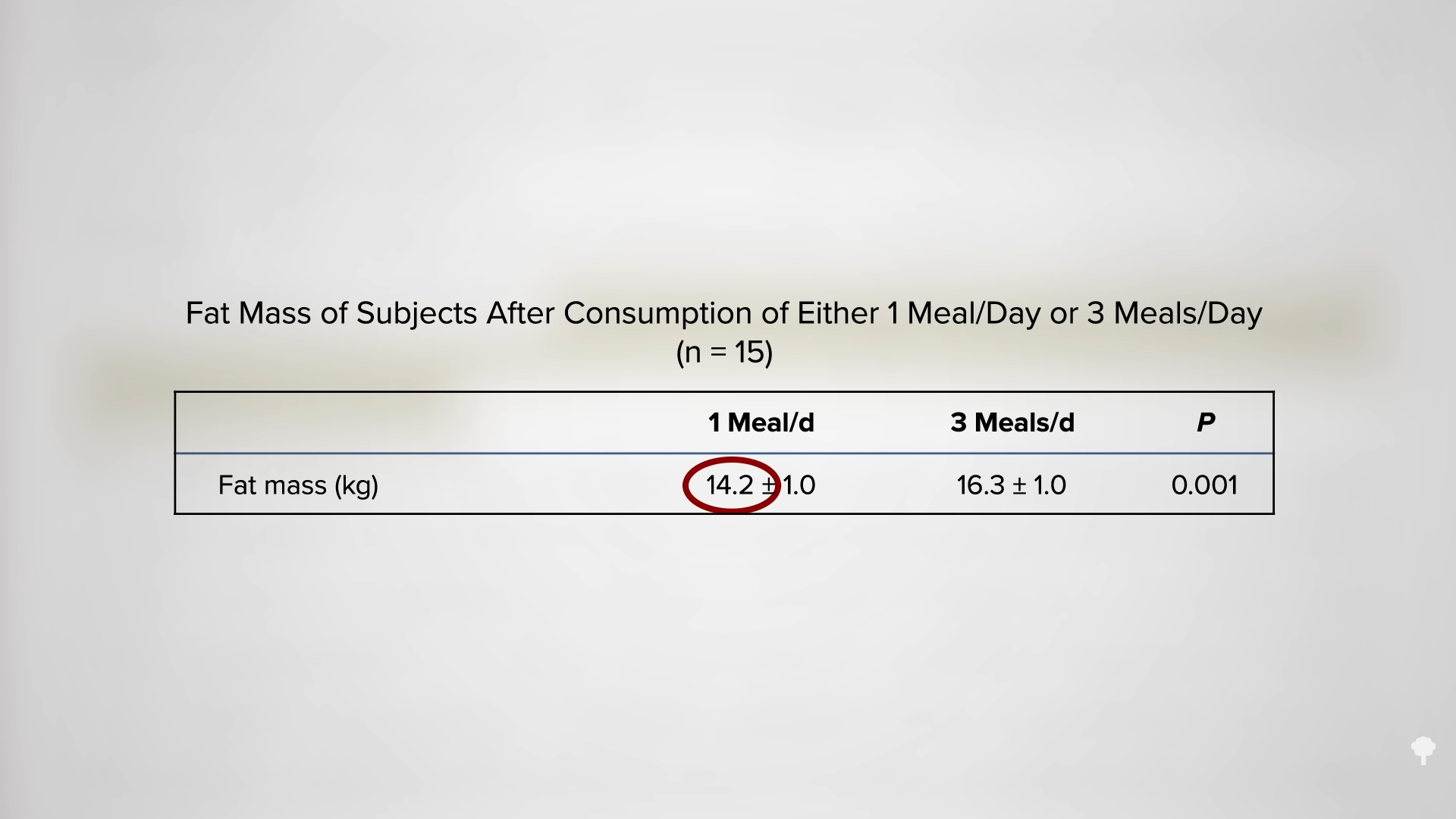
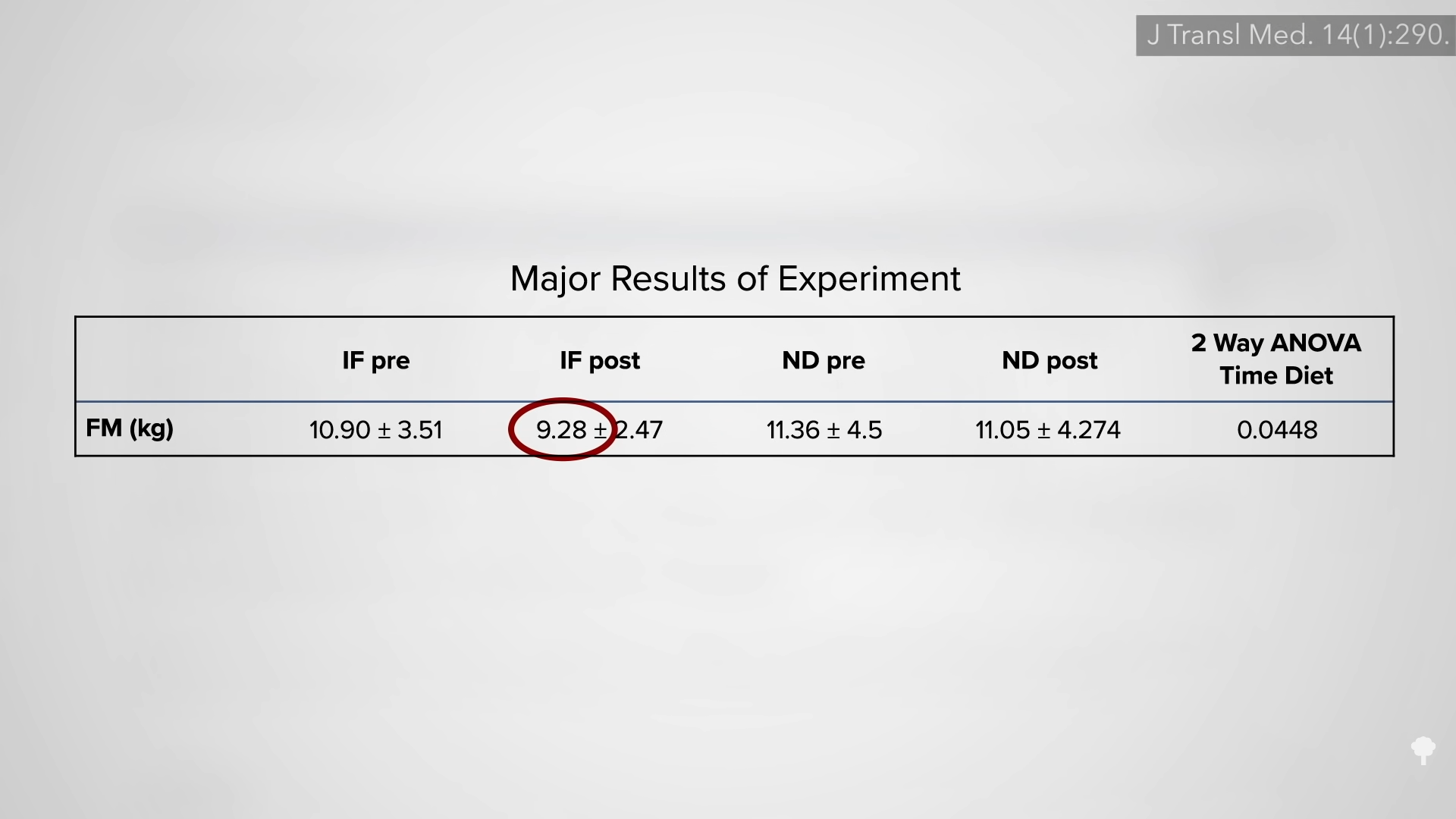
As shown below and at 5:00 on mine videoa similar study with an eight-hour eating window resulted in another three pounds of fat loss. So there seems to be something that gives your body daily breaks from eating around the clock.

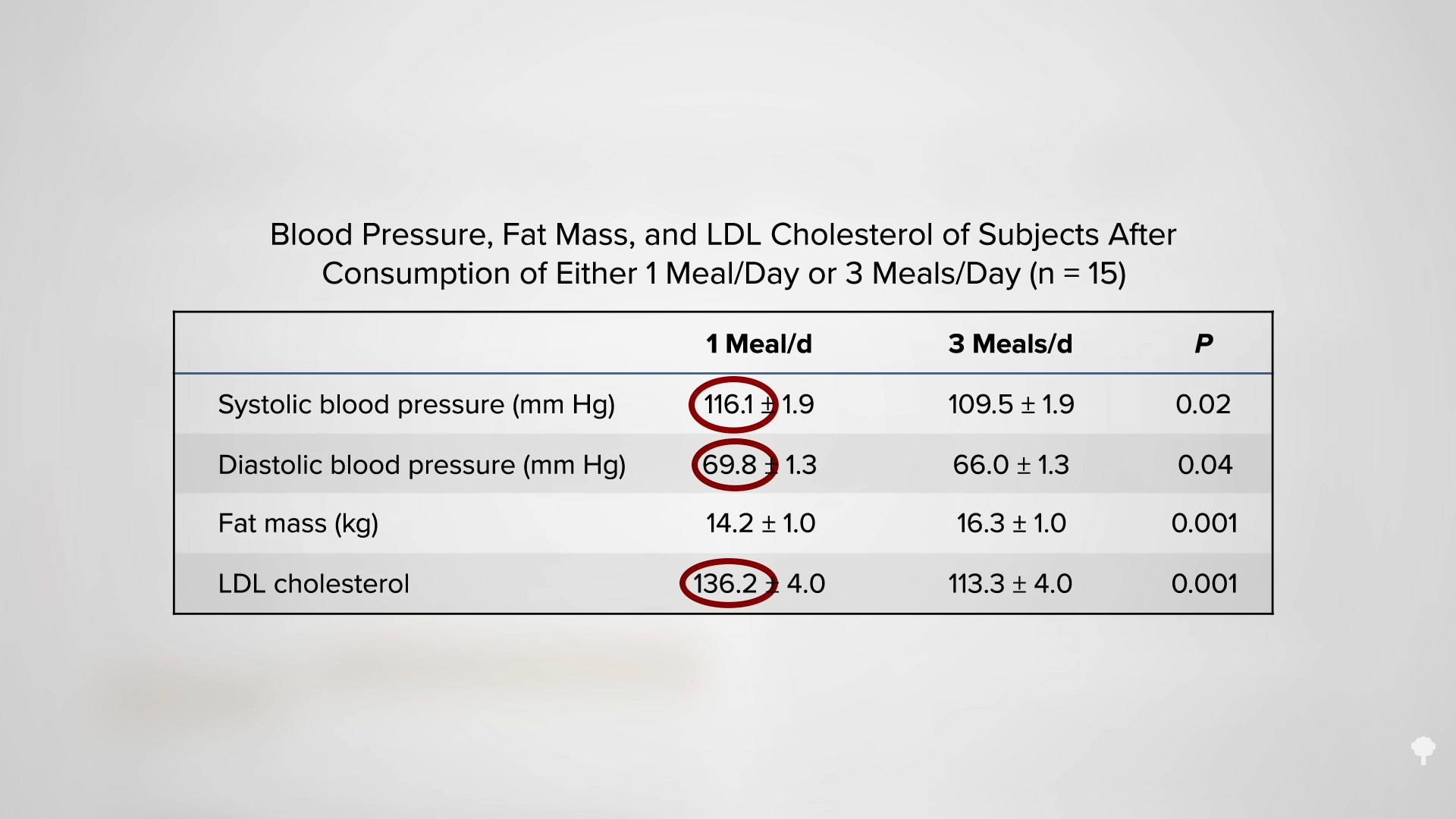
Because this four-hour eating window in the study was at night, however, the participants suffered the chronobiological consequences—significant increases in blood pressure and cholesterol levels—despite weight loss, as you can see below and at 5:13 in my video. It was the best of both worlds turned out in 2018: early time-limited feeding, eating with a narrow window earlier in the day, which I covered in my video The benefits of early limited nutrition.

Isn’t that what’s confusing about the circadian rhythm? Morning calories count less and are healthier than evening calories. So, if you’re going to skip a meal to extend your daily fasting window, skip dinner instead of breakfast.

If you missed any of the other videos in this fasting series, check out the related videos below.

Eating Science TimeRestricted
bhanuprakash.cg
healthtost
  • Website

Related Posts

Active birth control pills may increase emotional eating

July 9, 2026

5 Easy High Fiber Bowl Recipes

July 8, 2026

Salmon Teriyaki Recipe (Ridiculously Easy!) • Kath Eats

July 8, 2026

Leave A Reply Cancel Reply

Don't Miss
Fitness

where we ate in Tokyo (and gluten-free options!)

By healthtostJuly 9, 20260

We’re sharing some of the best things we ate in Tokyo and some gluten-free options!…

Active birth control pills may increase emotional eating

July 9, 2026

Gut-friendly diet linked to lower risk of coronary heart disease mortality

July 9, 2026

New Sunscreen Ingredient: Is This The SPF Upgrade We’ve Been Waiting For?

July 9, 2026
Stay In Touch
  • Facebook
  • Twitter
  • Pinterest
  • Instagram
  • YouTube
  • Vimeo
TAGS
Baby benefits body brain cancer care Day Diet disease exercise finds Fitness food Guide health healthy heart Improve Life Loss Men mental Natural Nutrition Patients People Pregnancy research reveals risk routine sex sexual Skin Skincare study Therapy Tips Top Training Treatment ways weight women Workout
About Us
About Us

Welcome to HealthTost, your trusted source for breaking health news, expert insights, and wellness inspiration. At HealthTost, we are committed to delivering accurate, timely, and empowering information to help you make informed decisions about your health and well-being.

Latest Articles

where we ate in Tokyo (and gluten-free options!)

July 9, 2026

Active birth control pills may increase emotional eating

July 9, 2026

Gut-friendly diet linked to lower risk of coronary heart disease mortality

July 9, 2026
New Comments
    Facebook X (Twitter) Instagram Pinterest
    • About Us
    • Contact Us
    • Privacy Policy
    • Terms and Conditions
    • Disclaimer
    © 2026 HealthTost. All Rights Reserved.

    Type above and press Enter to search. Press Esc to cancel.