



Turning 40 can bring changes that many women don’t expect. Hormonal changes, metabolic changes, gradual muscle loss, and declining bone density can all affect how you feel and how your body responds to habits that once worked for you. Nutrients are the name of the game. The food choices that supported you in your 20s and 30s may no longer provide the same results.
This does not mean that you need a restrictive diet or a complete overhaul of your lifestyle. In fact, healthy aging often relies on small, consistent choices. One of the most effective things you can do is make sure you’re getting enough of the nutrients your body relies on most at this stage of life.
The right nutrients can help support energy levels, muscle strength, bone health, heart health and overall well-being. While everyone’s needs are different, there are a few key nutrients that deserve extra attention after 40.
Here are five nutrients every woman over 40 should prioritize.
1. Prioritize protein to help maintain muscle strength
After 40, women naturally start to lose muscle mass. This process, known as age-related muscle wasting, can become even more noticeable during and after menopause. Over time, muscle loss can affect strength, balance, mobility, and even metabolism.
Protein plays an important role in maintaining lean muscle tissue and supporting muscle recovery. It also helps you feel full after meals, making it easier to maintain healthy eating habits throughout the day.
One reason protein becomes more important with age is that the body becomes less efficient at building and maintaining muscle. This means women often have to be more intentional about including protein in their daily meals.
Good sources of protein include:
- Eggs
- Greek yogurt
- Fish
- Chicken and turkey
- Beans and lentils
- Tofu and tempeh
- cottage cheese
- Nuts and seeds
Instead of eating most of your protein at dinner, try spreading it out throughout the day. A protein-rich breakfast can be a simple place to start and can help support steady energy levels throughout the morning.
2. Increase fiber for better digestion and blood sugar control
While protein gets a lot of attention, fiber is often overlooked. However, many women consume far less fiber than experts recommend.
As you get older, digestive changes can become more noticeable. Fiber supports healthy digestion and regular bowel movements while feeding beneficial bacteria in the gut. A healthy gut is linked to many aspects of overall well-being, including immune function and metabolic health.
Fiber can also help slow the absorption of sugar into the bloodstream. This can reduce blood sugar spikes and the energy crashes that often follow. For women looking to manage their weight, fiber offers another benefit—it helps create a feeling of fullness that can reduce unnecessary snacking.
Research also suggests that high-fiber diets may help support healthy cholesterol levels and heart health.
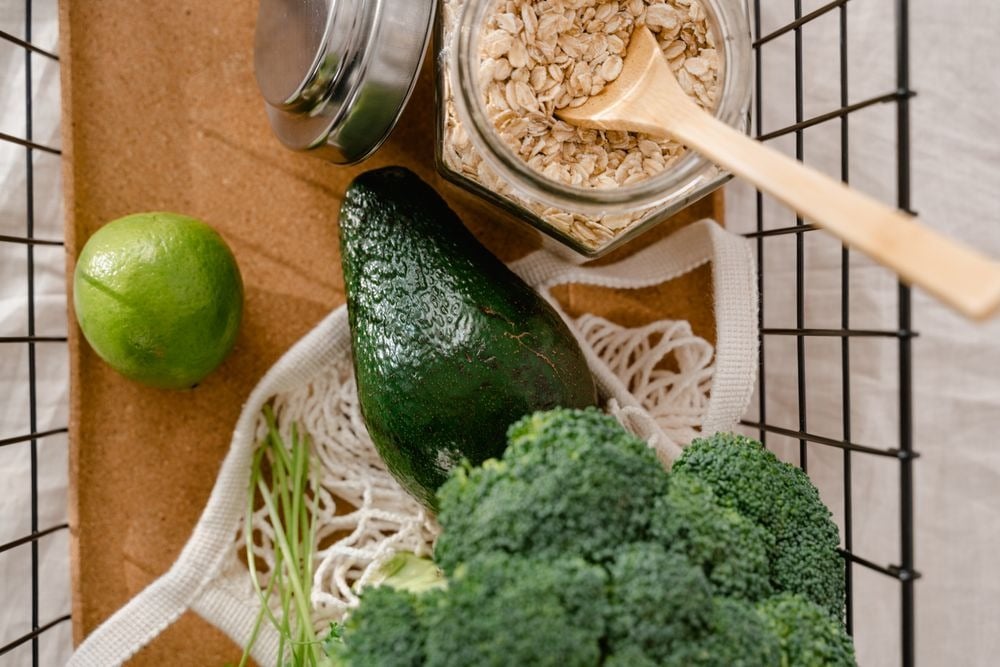
Some great sources of fiber include:
- Vegetables
- Fruits
- Beans and legumes
- Oats
- Whole grains
- Chia seeds
- Linseeds
If you’re trying to increase your fiber intake, do it gradually and drink plenty of water. Adding too much fiber too quickly can sometimes lead to digestive discomfort.
A simple goal is to include at least one fiber-rich food at every meal.
3. Get enough calcium and vitamin D for strong bones
Bone health becomes increasingly important after 40. Hormonal changes, particularly the decline in estrogen that occurs during menopause, can accelerate bone loss and increase the risk of osteoporosis later in life.
Strong bones help support mobility, independence and quality of life as you grow older. They also help reduce the risk of fractures from falls and everyday accidents.
Calcium is one of the most important minerals for maintaining bone strength. However, calcium cannot do its job effectively without vitamin D, which helps the body absorb and use calcium properly.
That’s why it’s helpful to think of these nutrients as a group.
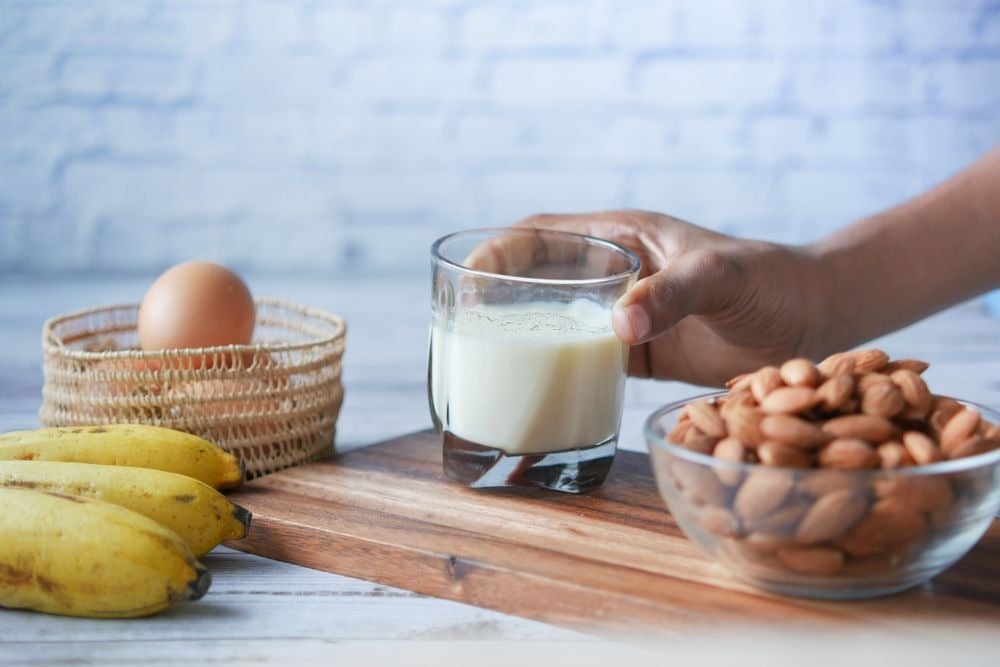
Foods rich in calcium include:
- Milk
- Yoghurt
- Cheese
- Enriched milks of plant origin
- Sardines
- Green leafy vegetables
Vitamin D can be harder to get from food alone. Oily fish, egg yolks and fortified foods contain some vitamin D, but many people also rely on sunlight exposure to help maintain healthy levels.
If you are concerned about your calcium or vitamin D intake, talking with your healthcare provider can help you determine if dietary changes or supplements may be appropriate.
Making bone health a priority today can help support strength and mobility for years to come.
4. Focus on healthy fats to support heart and brain health
For years, many people were taught to avoid fat whenever possible. We now know that healthy fats are an important part of a balanced diet and play several essential roles in the body.
Healthy fats help support hormone production, which is especially important during hormonal transitions that occur after 40. They also help the body absorb vitamins A, D, E and K.
Without enough dietary fat, your body may struggle to fully utilize these important nutrients.
Omega-3 fatty acids are among the healthiest fats you can include in your diet. Research shows they may support heart health, help manage inflammation, and contribute to healthy brain function.
Good sources of healthy fats include:
- Salmon
- Sardines
- Mackerel
- Nuts
- Chia seeds
- Linseeds
- Avocado
- Olive oil
Heart health becomes increasingly important with age, and healthy fats can be a valuable part of a dietary pattern that supports cardiovascular wellness.
Many women also appreciate that meals containing healthy fats tend to be more satisfying, helping them feel fuller for longer.
5. Choose foods with more nutrients
When people decide to eat healthier, they often focus too much on calories. While calories matter, so does the quality of those calories.
Nutrient-dense foods provide vitamins, minerals, antioxidants and other beneficial compounds that support overall health. They offer more nutrition in every bite, helping your body get the nutrients it needs without relying on highly processed foods.
As you age, nutrient-dense foods become even more important because the body may need more nutritional support to maintain energy, recovery, immune function, and healthy aging.

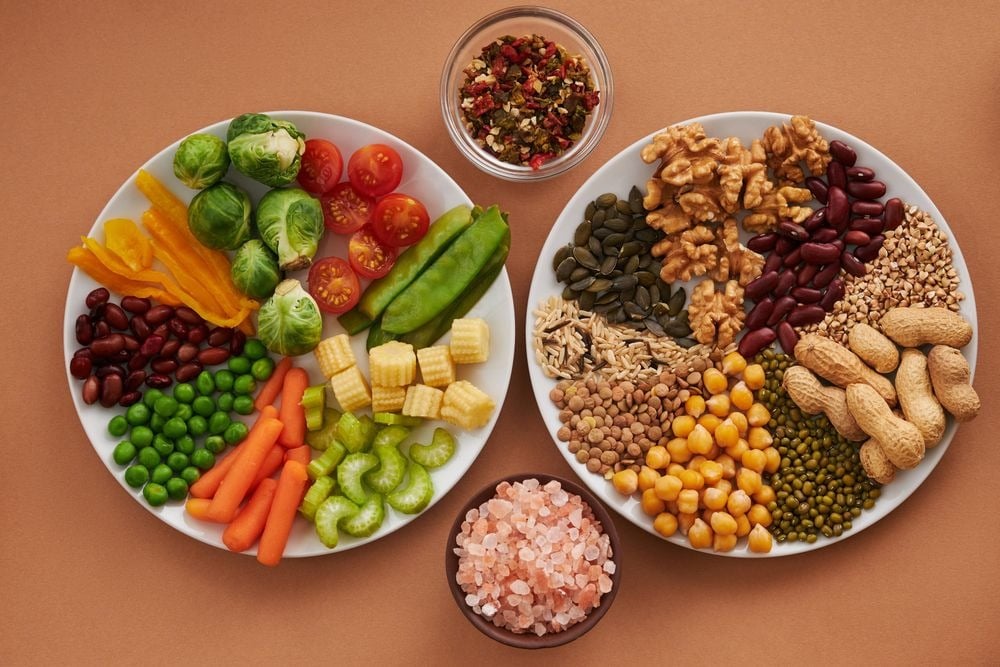
Examples of nutrient-dense foods include:
- Leafy greens
- Berries
- Colorful vegetables
- Beans and lentils
- Nuts and seeds
- Lean proteins
- Whole grains
- Fatty fish
The antioxidants found in many of these foods may help protect cells from oxidative stress, which is associated with aging and chronic disease.
Instead of asking if a food is low in calories, try asking what nutrients it provides. This simple shift in perspective can lead to healthier choices without making food feel restrictive.
The goal is not perfection. It’s creating meals that consistently provide your body with the nutrients it needs to function at its best.
Final Thoughts
Your 40s can be a great time to take a fresh look at your eating habits. While aging brings natural changes, the foods you eat can play an important role in how you feel and function over time. The above foods are widely accepted to be the most important when it comes to nutrition for women over 40
Protein helps support muscle health. Fiber promotes digestive and metabolic well-being. Calcium and vitamin D work together to protect bone strength. Healthy fats support the heart, brain and hormones. Nutrient-dense foods provide the vitamins, minerals and antioxidants your body relies on every day.
You don’t need a perfect diet to benefit from these nutrients. Small, consistent choices made over weeks, months and years can add up in a big way. Prioritizing these nutrients today can help you stay stronger, more energetic, and better prepared for decades to come.
