

Close Menu
Healthtost
  • News
  • Mental Health
  • Men’s Health
  • Women’s Health
  • Skin Care
  • Sexual Health
  • Pregnancy
  • Nutrition
  • Fitness
  • Recommended Essentials
What's Hot

Global childhood immunization rates stagnate despite slight recovery from pandemic

July 15, 2026

Is it okay to be imperfect and still be happy? 6 Challenges

July 15, 2026

Sexual evolution: What 500 million years of life tell us about sex, gender and mating

July 15, 2026
Facebook X (Twitter) Instagram
  • About Us
  • Contact Us
  • Privacy Policy
  • Terms and Conditions
  • Disclaimer
Facebook X (Twitter) Instagram
Healthtost
SUBSCRIBE
  • News

    Global childhood immunization rates stagnate despite slight recovery from pandemic

    July 15, 2026

    Weight loss and anti-inflammatory drugs combine to fight leukemia

    July 14, 2026

    Unreliable datasets shape clinical prediction models

    July 14, 2026

    Bariatric surgery is safe, effective for obese teenagers and young adults

    July 13, 2026

    Engineered ribozyme repairs broken RNA to explain origin of life

    July 13, 2026
  • Mental Health

    Is it okay to be imperfect and still be happy? 6 Challenges

    July 15, 2026

    How can you be tired but wired? Blame it on your stone age brain

    July 12, 2026

    Almost 20% of new mums have anxiety or depression, but a promising psychedelic treatment is on the horizon

    July 7, 2026

    How can ART help us improve our mental health? With 3 Ways

    July 5, 2026

    How much do friends affect the mental health of teenagers? What a new study can (and can’t) tell us

    July 3, 2026
  • Men’s Health

    Sexual evolution: What 500 million years of life tell us about sex, gender and mating

    July 15, 2026

    Low testosterone or just stress? How to tell the difference

    July 11, 2026

    Gut-friendly diet linked to lower risk of coronary heart disease mortality

    July 9, 2026

    Men don’t just avoid their health. Many lose themselves.

    July 8, 2026

    The Crazy Hard Standards of the Hardest PE Program in History

    July 8, 2026
  • Women’s Health

    I tried to hide my hemiparesis

    July 15, 2026

    Kyoto recap, bamboo forest and monkey park

    July 13, 2026

    Menopause and Your Microbiome: How Gut Health Shapes Weight, Mood, and Hormones

    July 11, 2026

    They heard us. Now will they listen?

    July 11, 2026

    Taite Heller on Why Barre Became a Top-5 Fitness Trend

    July 8, 2026
  • Skin Care

    How to use nature’s retinol: Bakuchiol in your beauty routine

    July 13, 2026

    How our natural hair care achieves salon-level results without silicones

    July 11, 2026

    Coconut Allergy and Skin Care: 20 Questions Finally Answered by a Pharmacist

    July 11, 2026

    New Sunscreen Ingredient: Is This The SPF Upgrade We’ve Been Waiting For?

    July 9, 2026

    How to achieve the perfect tan

    July 8, 2026
  • Sexual Health

    Celebrating 30 years of Sex Sense

    July 15, 2026

    STDs in older adults are on the rise—up to seven times higher than in 2012

    July 13, 2026

    Fildena 150 Benefits | Effective ED & Sexual Performance Treatment

    July 11, 2026

    Painful sex after menopause: When is it time to seek treatment?

    July 11, 2026

    Emotional capitalism and artificial intimacy

    July 10, 2026
  • Pregnancy

    Exercise Wall Angels During Pregnancy: A Step-by-Step Guide

    July 15, 2026

    Breech VBAC (Vaginal Birth after Caesarean Section) Birth Story

    July 13, 2026

    How baby showers have changed throughout history

    July 13, 2026

    Calf Raises During Pregnancy: Step-by-Step Guide and Benefits

    July 8, 2026

    Tri-Tri Triplet Pregnancy with Vaginal Birth Story – The Birth Hour Triplet Pregnancy and Vaginal Birth Story with Ashlie Holladay

    July 7, 2026
  • Nutrition

    Chocolate Cherry Chia Pudding: Easy Vegan Recovery Snack

    July 14, 2026

    The Cholesterol Question: A Breakthrough Victory for Keto and Cognitive Health

    July 14, 2026

    15 No-Cook Dinners for Kids (Because It’s Too Hot to Turn on the Oven)

    July 12, 2026

    30 Minute Chicken Pesto Pasta (Dietist Approved)

    July 11, 2026

    5 Easy High Fiber Bowl Recipes

    July 8, 2026
  • Fitness

    How to Choose a Fitness Certification on a Budget

    July 14, 2026

    Meet the Belle Vitale™ Supplement System: Two Formulas. A comprehensive approach to hormone health.

    July 11, 2026

    where we ate in Tokyo (and gluten-free options!)

    July 9, 2026

    Using External Signaling to Improve Linear Acceleration – Tony Gentilcore

    July 8, 2026

    5 Simple Screen Changes That Can Improve Sleep and Focus

    July 7, 2026
  • Recommended Essentials
Healthtost
Home»News»New Pfizer/BioNTech vaccine variant shows enhanced protection against COVID-19 hospitalization
News

New Pfizer/BioNTech vaccine variant shows enhanced protection against COVID-19 hospitalization

healthtostBy healthtostJanuary 3, 2024No Comments5 Mins Read
Facebook Twitter Pinterest LinkedIn Tumblr Reddit WhatsApp Email
New Pfizer/biontech Vaccine Variant Shows Enhanced Protection Against Covid 19 Hospitalization
Share
Facebook Twitter LinkedIn Pinterest WhatsApp Email

In a recent study published in medRxiv preprint server*, researchers in the United States investigated the efficacy of an XBB1.5 (Pfizer/BioNTech 2023-2024) variant-modified vaccine with severe acute respiratory syndrome BNT162b2 to provide additional immune protection against the coronavirus Inpatient and ambulatory visits in individuals across the United States (US) related to disease 2019 (COVID-19). They also investigated whether previous versions of vaccines continued to protect people compared to unvaccinated individuals.

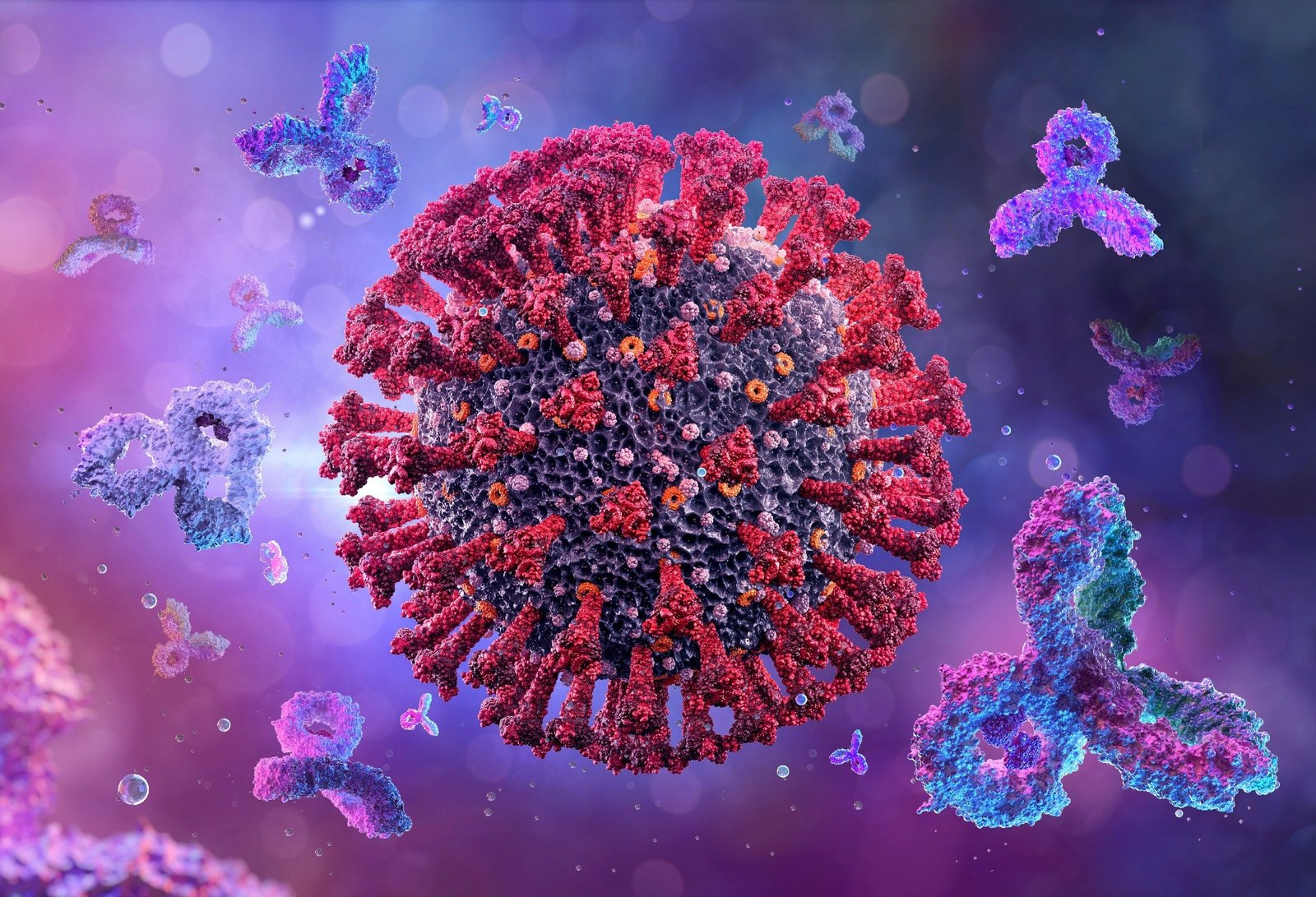
Study: BNT162b2 XBB1.5 Adapted Vaccine and COVID-19 Hospital Admissions and Ambulatory Visits in US Adults. Image credit: Corona Borealis Studio / Shutterstock

*Important note: medRxiv publishes preliminary scientific reports that have not been peer-reviewed and therefore should not be considered definitive, guide clinical practice/health-related behavior or be treated as established information.

The SARS-CoV-2 XBB lineage and its subtypes are circulating in the US from January 2023 onwards. Improved SARS-CoV-2 monovalent messenger ribonucleic acid (mRNA) vaccines targeting the XBB1.5 strain have been approved by the US Food and Drug Administration (FDA) or subjects aged ≥6.0 months. Following CDC preparedness guidelines, these vaccinations became widely available in the US on September 15, 2023. However, the relationship between lineage-adapted XBB1.5 vaccinations and therapeutically relevant outcomes of SARS-CoV infection -2 warrants further investigation.

About the study

The present study investigators evaluated the relationship between receipt of the 2003–2004 XBB1.5 lineage-adapted BNT162b2 vaccine and outcomes of SARS-CoV-2 infection in US adults.

The researchers examined the odds of receiving a modified BNT162b2 SARS-CoV-2 XBB1.5 vaccination among patients with COVID-19 and SARS-CoV-2-negative controls enrolled in the Kaiser Permanente Southern California (KPSC) healthcare system between October 11 and December 10, 2023. The primary endpoint of the study was a BNT162b2 SARS-CoV-2 XBB1.5-modified vaccine versus an unmodified XBB1.5 vaccine, regardless of prior COVID-19 vaccinations and history of SARS-CoV-2 infections. The researchers also compared previous versions of the COVID-19 vaccine (not modified with SARS-CoV-2 XBB1.5) to the absence of SARS-CoV-2 vaccination to determine the residual protection provided by earlier versions of the vaccine.

Cases were persons who tested positive for SARS-CoV-2 by polymerase chain reaction (PCR) during hospitalization, urgent care (UC), emergency department (ED), and outpatient contacts. The team limited the PCR tests to those provided two weeks before the initial acute respiratory infection (ARI) exposure and three days after the interaction in patients and controls.

The trial began two weeks after vaccinations adapted to the XBB1.5 lineage became available to KPSC members and circulated mainly XBB substrains. After mid-November, JN.1, a subvariant of SARS-CoV-2 BA2.86, began to co-circulate with a rapid increase in frequency. Participants had one year of participation in a health program to assess medical history and comorbidities. Patients with other medical problems were not allowed to participate in the trial. The team obtained data from the California Immunization Registry, which requires healthcare professionals to submit COVID-19 vaccines within 24 hours. They performed multivariate logistic regression modeling to determine adjusted odds ratios (ORs).

Results

SARS-CoV-2 PCR testing found that 24,007 individuals from 26,187 ARI encounters met the survey selection criteria. Eighteen percent tested positive for SARS-CoV-2, with 6.6% receiving the series-matched BNT162b2 XBB1.5 vaccine. Vaccination was administered to 17% and 7.4% of subjects in the case (n=4,232) and control (n=19,775) groups, respectively. Among participants, 93% had never received the XBB1.5-modified COVID-19 vaccination and 11% had no prior history of vaccination against COVID-19. The median time since receiving the most recent prior dose of COVID-19 vaccination among recipients of the BNT162b2 SARS-CoV-2 XBB1.5-modified vaccine was 363 days, and the median time since receiving the XBB1.5-modified vaccine it was 30.0 days.

Adjusted ORs for testing positive for SARS-CoV-2 among subjects who received BNT162b2 SARS-CoV-2 XBB1.5-modified vaccine (versus those who did not receive any XBB1.5-modified vaccine) were 0.4, 0 ,4 , and 0.4 for hospitalizations related to SARS-CoV-2 infection, UC/ED visits, and outpatient visits, respectively. BNT162b2 SARS-CoV-2 XBB1.5-adapted vaccination conferred significant additional protection against various outcomes of SARS-CoV-2 infection during the dominance of XBB subtypes, with JN.1 circulating. Regardless of dose number and type, older versions of the COVID-19 vaccine provided negligible protection compared to no vaccination, including hospitalization for COVID-19. Previous recipients of the COVID-19 vaccine did not have a significantly lower risk of SARS-CoV-2 infection-related outcomes, including hospitalization, than the unvaccinated.

The risk of SARS-CoV-2 seropositivity was similar in all groups, including recipients of BA.4 and BA.5-modified bivalent vaccines, no SARS-CoV-2 XBB1.5-modified vaccines, or three or two doses of ancient SARS – CoV-2 strain vaccines without boosters adapted for SARS-CoV-2 variants. Results were broadly comparable across ages, with trends toward a higher risk reduction for outpatient contacts for those over 65 years of age. Labor, delivery, medical emergency, surgery/neurosurgery, sepsis, and other medical disorders were the most common causes of hospitalization in eliminated cases.

The study findings showed that the COVID-19 vaccines developed for XBB1.5 provided additional immunological protection against the effects of SARS-CoV-2 infection. After 30 days, recipients of BNT162b2-modified SARS-CoV-2 XBB1.5 vaccine had 63%, 58%, and 58% lower risks of hospitalization, ED/UC contacts, and outpatient visits, respectively. Most cases were almost certainly XBB sublines. Previous vaccinations against COVID-19 provided minimal protection due to waning immunity and the ongoing evolution of SARS-CoV-2. Regular updates on COVID-19 vaccinations are vital to maintaining protection against the virus as it spreads.

*Important note: medRxiv publishes preliminary scientific reports that have not been peer-reviewed and therefore should not be considered definitive, guide clinical practice/health-related behavior or be treated as established information.

COVID19 enhanced hospitalization PfizerBioNTech protection shows vaccine variant
bhanuprakash.cg
healthtost
  • Website

Related Posts

Global childhood immunization rates stagnate despite slight recovery from pandemic

July 15, 2026

Weight loss and anti-inflammatory drugs combine to fight leukemia

July 14, 2026

Unreliable datasets shape clinical prediction models

July 14, 2026

Leave A Reply Cancel Reply

Don't Miss
News

Global childhood immunization rates stagnate despite slight recovery from pandemic

By healthtostJuly 15, 20260

In 2025, 90% of infants worldwide – or nearly 116 million – received at least…

Is it okay to be imperfect and still be happy? 6 Challenges

July 15, 2026

Sexual evolution: What 500 million years of life tell us about sex, gender and mating

July 15, 2026

I tried to hide my hemiparesis

July 15, 2026
Stay In Touch
  • Facebook
  • Twitter
  • Pinterest
  • Instagram
  • YouTube
  • Vimeo
TAGS
Baby benefits body brain cancer care Day Diet disease exercise finds Fitness food Guide health healthy heart Improve Life Loss Men mental Natural Nutrition Patients People Pregnancy research reveals risk routine sex sexual Skin Skincare study Therapy Tips Top Training Treatment ways weight women Workout
About Us
About Us

Welcome to HealthTost, your trusted source for breaking health news, expert insights, and wellness inspiration. At HealthTost, we are committed to delivering accurate, timely, and empowering information to help you make informed decisions about your health and well-being.

Latest Articles

Global childhood immunization rates stagnate despite slight recovery from pandemic

July 15, 2026

Is it okay to be imperfect and still be happy? 6 Challenges

July 15, 2026

Sexual evolution: What 500 million years of life tell us about sex, gender and mating

July 15, 2026
New Comments
    Facebook X (Twitter) Instagram Pinterest
    • About Us
    • Contact Us
    • Privacy Policy
    • Terms and Conditions
    • Disclaimer
    © 2026 HealthTost. All Rights Reserved.

    Type above and press Enter to search. Press Esc to cancel.