

Close Menu
Healthtost
  • News
  • Mental Health
  • Men’s Health
  • Women’s Health
  • Skin Care
  • Sexual Health
  • Pregnancy
  • Nutrition
  • Fitness
  • Recommended Essentials
What's Hot

Reduce shine areas – Tropic Skincare

January 19, 2026

20 sweet Valentine’s Day gifts for the first baby on February 14th

January 19, 2026

Chicken Biryani Recipes: The Timeless Desi Classic that rules every table

January 19, 2026
Facebook X (Twitter) Instagram
  • About Us
  • Contact Us
  • Privacy Policy
  • Terms and Conditions
  • Disclaimer
Facebook X (Twitter) Instagram
Healthtost
SUBSCRIBE
  • News

    Research shows that bamboo-based foods could support metabolic health

    January 19, 2026

    Global Alzheimer’s Platform Foundation Announces Strategic Partnership and Collaboration with Spear Bio on Bio-Hermes-002 Transformative Study

    January 18, 2026

    How World War II transformed sexual health practices and condom use in Sweden

    January 18, 2026

    New research compares different well-being-focused interventions delivered to adults

    January 17, 2026

    PSA-based tool improves decision-making for prostate cancer screening and treatment

    January 17, 2026
  • Mental Health

    How to apply for a fully funded PhD in the UK

    January 8, 2026

    9 Secrets on How to Stop Procrastinating

    January 6, 2026

    Setting boundaries for self-care in 2026

    January 4, 2026

    In a world of digital money, what is the proper etiquette for splitting the bill with friends?

    January 1, 2026

    Rest is essential during the holidays, but it can mean getting active, not crashing on the couch

    December 26, 2025
  • Men’s Health

    30 minute dumbbell chest routine without a bench

    January 19, 2026

    Father’s early behavior linked to child’s heart and metabolic health years later

    January 17, 2026

    Why it still makes sense to limit saturated fat

    January 17, 2026

    Escape Gym Groundhog Day: Why your workout takes seasons

    January 16, 2026

    What is Blue Collar Guilt?

    January 14, 2026
  • Women’s Health

    Urea Body Lotion for Dry & Rough Skin

    January 19, 2026

    Women’s Primary Care Physicians in Alexandria, VA: Wellness

    January 18, 2026

    You’re Not Failing: Navigating Student Loan Debt, Mental Health, and Paycheck Garnishment

    January 17, 2026

    What really works? – Vuvatech

    January 16, 2026

    What is mental wellness and how does it differ from mental health?

    January 14, 2026
  • Skin Care

    Reduce shine areas – Tropic Skincare

    January 19, 2026

    Under Eye Caffeine: What It Is, How It Works, and Why It Matters

    January 19, 2026

    An OUMERE Scientific and Regul – OUMERE

    January 16, 2026

    Collagen Induction Treatments in Rittenhouse Square

    January 15, 2026

    🥜⚠️ Why nut allergies are on the rise—and what it means for its future

    January 14, 2026
  • Sexual Health

    HPV vaccination and screening help Australia move closer to eliminating cervical cancer

    January 17, 2026

    Your ultimate guide to climax and orgasm control

    January 16, 2026

    Stillbirths may be more common in US than previously known—Study

    January 14, 2026

    COVID-19 heightens vulnerabilities for women asylum seekers and refugee women in South Africa < SRHM

    January 14, 2026

    What does an unclear test result mean?

    January 13, 2026
  • Pregnancy

    20 sweet Valentine’s Day gifts for the first baby on February 14th

    January 19, 2026

    10 Ways Pomegranate Can Support a Healthy Pregnancy

    January 18, 2026

    Do you need fitness insurance?

    January 17, 2026

    15 Safe Home Remedies for Pregnancy Acne

    January 17, 2026

    Weighing in: How GLP-1s fit into your pregnancy plans

    January 15, 2026
  • Nutrition

    Chicken Biryani Recipes: The Timeless Desi Classic that rules every table

    January 19, 2026

    Is it okay to skip meals? This is what could happen.

    January 18, 2026

    When should you see a physical therapist? 7 Signs You Shouldn’t Ignore

    January 17, 2026

    Sliced ​​meatballs | The Nutritionist Reviews

    January 16, 2026

    5-ingredient skillet dinner recipe

    January 15, 2026
  • Fitness

    Butt Targets: An Evidence-Based Butt Workout

    January 19, 2026

    Superathlete Alvaro Núñez Alfaro shares his methods for staying lean, focused and consistent all year round

    January 18, 2026

    Not sure your multivitamin is working? 3 ways the signal could be missing

    January 16, 2026

    Barbell RDL: Proper Form & Benefits

    January 15, 2026

    Lazy high protein dinners that I make when I don’t feel like cooking

    January 15, 2026
  • Recommended Essentials
Healthtost
Home»News»More AI explanations can reduce accuracy in cancer diagnosis
News

More AI explanations can reduce accuracy in cancer diagnosis

healthtostBy healthtostDecember 12, 2025No Comments4 Mins Read
Facebook Twitter Pinterest LinkedIn Tumblr Reddit WhatsApp Email
More Ai Explanations Can Reduce Accuracy In Cancer Diagnosis
Share
Facebook Twitter LinkedIn Pinterest WhatsApp Email

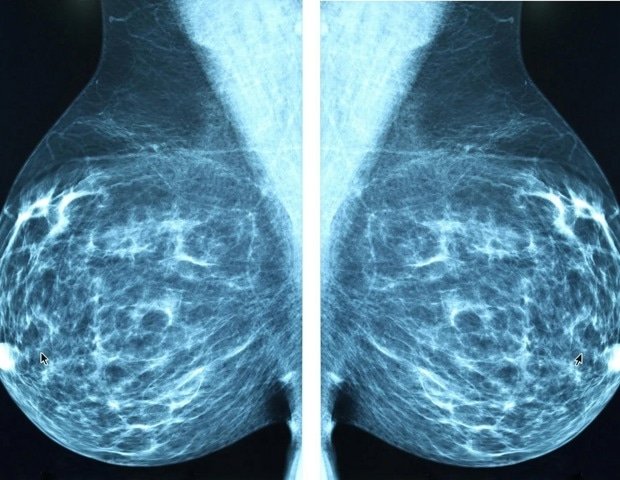
In recent years artificial intelligence has emerged as a powerful tool for analyzing medical images. Thanks to advances in computing and the large medical data sets from which artificial intelligence can learn, it has proven to be a valuable aid in reading and analyzing patterns in X-rays, MRIs and CT scans, enabling doctors to make better and faster decisions, particularly in the treatment and diagnosis of life-threatening diseases such as cancer. In some settings, these AI tools even offer advantages over their human counterparts.

“Artificial intelligence systems can process thousands of images quickly and provide predictions much faster than human reviewers,” says Onur Asan, Associate Professor at Stevens Institute of Technology, whose research focuses on human-computer interaction in healthcare. “Unlike humans, AI does not tire or lose focus over time.”

However, many clinicians view AI with at least some degree of mistrust, mainly because they don’t know how it arrives at its predictions, an issue known as the “black box” problem. “When clinicians don’t know how AI generates its predictions, they’re less likely to trust it,” says Asan. “So we wanted to find out whether providing additional explanations can help clinicians and how different degrees of AI explanation affect diagnostic accuracy, as well as confidence in the system.”

Working with his doctoral student Olya Rezaeian and assistant professor Alparslan Emrah Bayrak at Lehigh University, Asan conducted a study with 28 oncologists and radiologists who used AI to analyze breast cancer images. Clinicians were also given varying levels of explanation for their AI tool ratings. At the end, participants answered a series of questions designed to measure their confidence in the AI-generated assessment and how difficult the task was.

The team found that the AI ​​improved diagnostic accuracy for clinicians over the control group, but there were some interesting caveats.

The study found that providing more thorough explanations did not necessarily produce more trust. “We’ve found that more explanation doesn’t equal more trust,” Asan says. This is because adding additional or more complex explanations requires clinicians to process additional information, taking their time and focus away from analyzing images. When explanations were more complex, clinicians needed more time to make decisions, which reduced their overall performance.

“Processing more information adds more cognitive workload to clinicians. It also makes them more likely to make mistakes and potentially harm the patient,” explains Asan. “You don’t want to add cognitive load to users by adding more tasks.”

Asan’s research also found that in some cases clinicians were over-trusting AI, which could lead to critical information being overlooked in the images and lead to patient harm. “If an AI system is poorly designed and makes some mistakes while users have a lot of confidence in it, some clinicians may develop a blind trust in believing that what the AI ​​suggests is true and not look hard enough at the results,” says Asan.

The team presented their findings in two recent studies: The impact of artificial intelligence explanations on clinicians’ confidence and diagnostic accuracy in breast cancerpublished in his journal Applied Ergonomics on November 1, 2025 and Explainability and trust of artificial intelligence in clinical decision support systems: Effects on trust, diagnostic performance and cognitive load in breast cancer carewhich was published in International Journal of Human-Computer Interaction on August 7, 2025.

Asan believes that AI will continue to be a useful aid to clinicians in interpreting medical imaging, but such systems must be carefully constructed. “Our findings suggest that designers should be careful when creating explanations in AI systems,” he says, so they don’t become too cumbersome to use. In addition, he adds, proper user training will be needed, as human supervision will still be necessary. “Clinicians using AI should receive training that emphasizes interpreting AI outputs rather than simply trusting them.”

Ultimately, there should be a fine balance between ease of use and usefulness of AI systems, Asan notes. “Research finds that there are two main parameters for a person to use any form of technology – perceived usefulness and perceived ease of use,” he says. “So if doctors think this tool is useful for doing their job and it’s easy to use, they’re going to use it.”

Source:

Stevens Institute of Technology

Journal References:

accuracy cancer diagnosis explanations reduce
bhanuprakash.cg
healthtost
  • Website

Related Posts

Reduce shine areas – Tropic Skincare

January 19, 2026

Research shows that bamboo-based foods could support metabolic health

January 19, 2026

Global Alzheimer’s Platform Foundation Announces Strategic Partnership and Collaboration with Spear Bio on Bio-Hermes-002 Transformative Study

January 18, 2026

Leave A Reply Cancel Reply

Don't Miss
Skin Care

Reduce shine areas – Tropic Skincare

By healthtostJanuary 19, 20260

Each of us has our own unique skin goals, the checkpoints on our “ultimate glow”…

20 sweet Valentine’s Day gifts for the first baby on February 14th

January 19, 2026

Chicken Biryani Recipes: The Timeless Desi Classic that rules every table

January 19, 2026

Butt Targets: An Evidence-Based Butt Workout

January 19, 2026
Stay In Touch
  • Facebook
  • Twitter
  • Pinterest
  • Instagram
  • YouTube
  • Vimeo
TAGS
Baby benefits body brain cancer care Day Diet disease exercise finds Fitness food Guide health healthy heart Improve Life Loss Men mental Natural Nutrition Patients People Pregnancy protein research reveals risk routine sex sexual Skin study Therapy Tips Top Training Treatment ways weight women Workout
About Us
About Us

Welcome to HealthTost, your trusted source for breaking health news, expert insights, and wellness inspiration. At HealthTost, we are committed to delivering accurate, timely, and empowering information to help you make informed decisions about your health and well-being.

Latest Articles

Reduce shine areas – Tropic Skincare

January 19, 2026

20 sweet Valentine’s Day gifts for the first baby on February 14th

January 19, 2026

Chicken Biryani Recipes: The Timeless Desi Classic that rules every table

January 19, 2026
New Comments
    Facebook X (Twitter) Instagram Pinterest
    • About Us
    • Contact Us
    • Privacy Policy
    • Terms and Conditions
    • Disclaimer
    © 2026 HealthTost. All Rights Reserved.

    Type above and press Enter to search. Press Esc to cancel.