


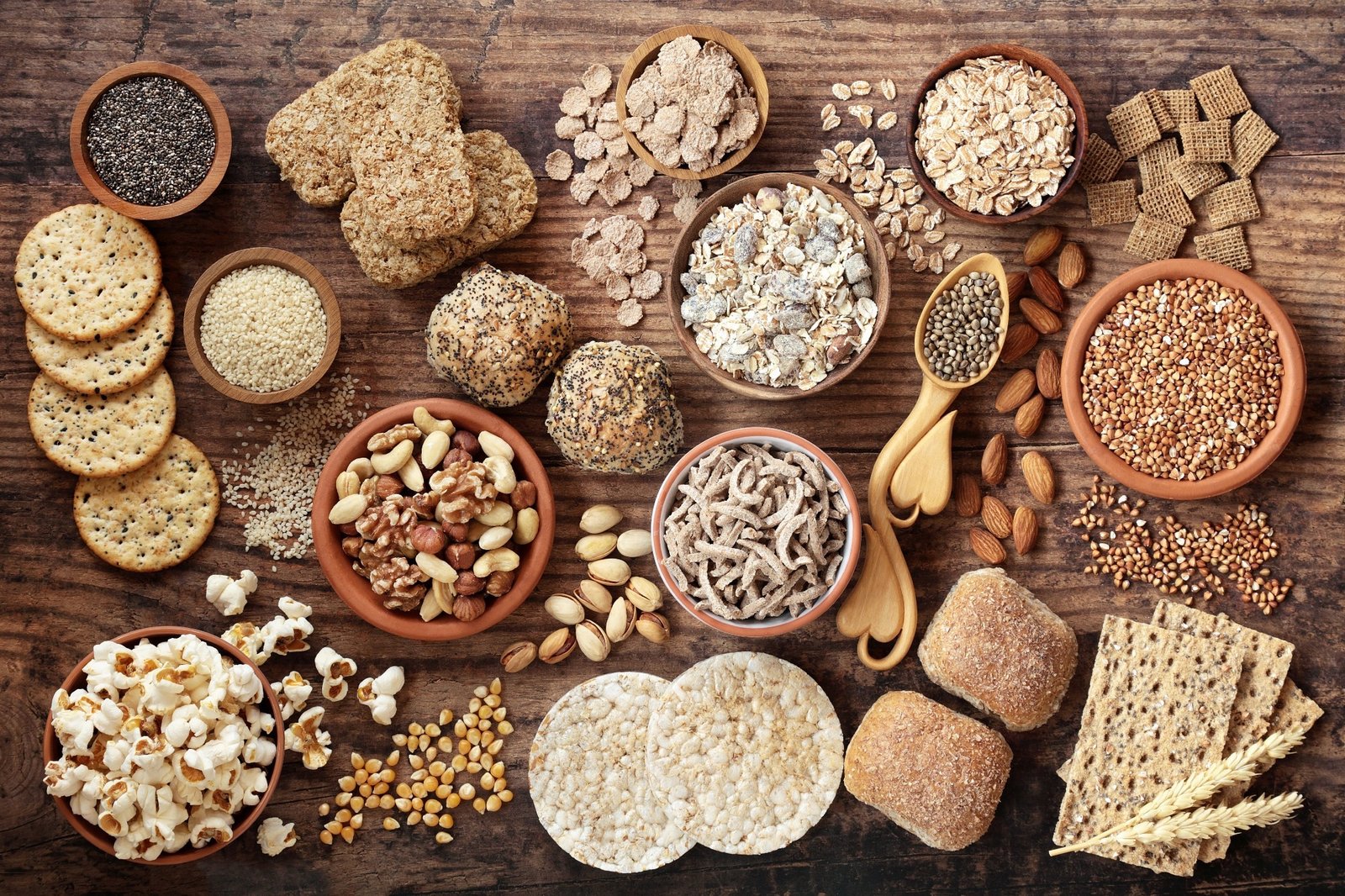
Women who followed the Nordic recommendations for whole grains for years were less likely to develop breast cancer, and the study revealed that not all whole grain foods affect cancer risk in the same way.
Study: Long-term intake of whole grains according to the 2023 Nordic Dietary Guidelines and risk of breast cancer in a population-based cohort of women. Image credit: marilyn barbone/Shutterstock.com
According to a recent study published in European Journal of Nutritionwomen with a long-term whole grain intake of at least 90 g of whole grain per day, according to the 2023 Nordic Dietary Guidelines, had a lower risk of breast cancer than women with a much lower whole grain intake. The findings also suggest that risk associations differ with the type of whole grain foods consumed.
Nordic whole grain targets tested against breast cancer
Breast cancer is the most common cancer in women worldwide. It is closely related to hormonal exposure, particularly to exogenous and endogenous estrogens and progesterone. Some scientists hypothesize that high-fiber diets may bind estrogen in the colon, thereby reducing its reabsorption. This would reduce its circulating levels.
This hypothesis is supported by studies reporting a reduced risk of breast cancer in women with high fiber intake. Whole grains are rich in dietary fiber, but previous studies have provided inconsistent findings regarding the relationship between whole grain intake and breast cancer. This may be partly due to the large differences in the types of cereals consumed between populations and the presence of bioactive and anticarcinogenic compounds in the same type of whole grain from different sources.
Despite a lack of strong evidence, the NNR2023 guidelines recommend eating 90 g or more of whole grains per day for health. The current study sought to assess how adherence to the latest Nordic Nutrition Recommendations (NNR2023) guidelines on whole grain intake is associated with breast cancer risk, and more specifically, the intake of specific whole grains such as oats, wheat and rye.
Compare breast cancer risk between levels of whole grain intake
The researchers looked at data from 36,479 women aged 48-83 who participated in the Swedish Mammography Cohort. Dietary intake was assessed using food frequency questionnaires completed in 1997, which served as a baseline. A repeat questionnaire was completed in 2009 by 25,259 of the surviving participants. This provided estimates of long-term whole grain consumption.
The researchers grouped participants according to how closely they met the NNR2023 recommendation for whole grains: low (<45 g/day), partial compliance (45 to <90 g/day), and full compliance (≥90 g/day).
Participants were followed for an average of 16.5 years, during which 1,979 women were newly diagnosed with breast cancer. At baseline, the average age of participants was 62 years and 81% were postmenopausal. In comparison, those who developed breast cancer were slightly younger at onset, 61 years old on average.
The researchers looked for associations between different levels of whole grain intake and breast cancer risk, adjusting for lifestyle factors and medical history. These included age, body mass index, smoking, physical activity, alcohol intake, diet quality, menstrual and reproductive history, hormone therapy use, and family history of breast cancer.
Women with long-term full adherence to NNR2023 were somewhat more likely to have a healthy lifestyle. Crispbread accounted for the majority of whole grain intake in all categories.
Higher intake of whole grains is associated with lower risk of breast cancer
Women with long-term full adherence were 22% less likely to be diagnosed with breast cancer than those in the low adherence category. No clear reduction in risk was seen in women with intermediate intake of whole grains.
No significant associations were observed for hormone receptor-positive or hormone receptor-negative tumors, although there were trends toward lower risk in hormone receptor-positive tumors. Further analyzes based on baseline data alone supported the observed association.
Individual whole grains showed different patterns
Comparing specific whole-grain foods, no single food was clearly associated with overall breast cancer risk. However, moderate consumption of breakfast cereal was associated with a lower risk, with high consumption indicating a possible lower risk, although the association was not consistently statistically significant in all models. High crispbread consumption was associated with a higher risk of hormone receptor-negative breast cancer in multivariable adjusted models.
The authors suggest that these differences may reflect variations in fiber composition, bioactive compounds, food processing, or contaminants such as acrylamide in some products, although these possibilities require further study.
Grain-specific compounds may form cancer associations
The researchers suggested several ways in which whole grains might affect breast cancer risk. Their fiber content may help lower circulating estrogen levels, while effects on gut microbes and inflammation could also play a role.
Higher whole grain intake has been associated with lower levels of pro-inflammatory mediators such as C-reactive protein and interleukin-6, as well as improvements in gut microbiota composition that promote the production of immunomodulatory short-chain fatty acids (SCFAs). These SCFAs may help suppress inflammatory processes involved in cancer development. Whole grains also contain bioactive compounds, including β-glucans found in oats, which have demonstrated antiproliferative and antimutagenic properties.
In contrast, crispbread, although made from whole grains, may contain acrylamide, which the International Agency for Research on Cancer (IARC) classifies as a probable human carcinogen. As such, it represents an important source of this chemical in the Swedish diet, and previous studies suggest a possible link with hormone receptor-negative breast cancer.
The researchers also pointed out that different grains, including oats, wheat and rye, differ significantly in their fiber composition and phytochemical content. These differences may explain why associations with breast cancer risk vary among whole grains. The findings further suggest that treating all whole grains as a single category could obscure important differences between specific grain types and products.
Strengths and limitations
Study strengths include the large population-based cohort and large sample of breast cancer cases, repeated dietary assessments over time using standardized, well-validated questionnaires, long follow-up, near-complete cancer detection through national registries, and adjustment for multiple lifestyle and breast cancer risk factors.
However, the study was observational and cannot prove causality. Dietary intake was self-reported using food frequency questionnaires, which may introduce misclassification. Residual confounding by unmeasured factors, including genetic influences, also cannot be ruled out.
Future research should explore the merits of reporting intake of whole grains rather than whole grain products while taking into account regional differences in whole grain foods. It should also consider how best to include whole grain intake in a wide variety of foods, including those with relatively small proportions of whole grains.
Meeting targets for Nordic whole grains linked to lower breast cancer risk
Long-term consumption of at least 90 g of whole grains per day, according to the Nordic recommendation, was associated with a lower risk of breast cancer in this group of Swedish women. The findings also suggest that different whole-grain foods may have distinct relationships with breast cancer risk, especially hormone receptor subtypes.
This highlights the need for further research into how specific grains and food products affect cancer development. The results further suggest that future studies should carefully examine the differences between whole-grain foods rather than treating all whole-grain products as a single category.
