

Close Menu
Healthtost
  • News
  • Mental Health
  • Men’s Health
  • Women’s Health
  • Skin Care
  • Sexual Health
  • Pregnancy
  • Nutrition
  • Fitness
  • Recommended Essentials
What's Hot

Dietitian Evidence-Based Nutrition Review

June 5, 2026

5 surprising habits that can harm your memory and brain health

June 5, 2026

Strength training and a combination of cardio work best together

June 5, 2026
Facebook X (Twitter) Instagram
  • About Us
  • Contact Us
  • Privacy Policy
  • Terms and Conditions
  • Disclaimer
Facebook X (Twitter) Instagram
Healthtost
SUBSCRIBE
  • News

    Strength training and a combination of cardio work best together

    June 5, 2026

    Prioritizing maternal sleep reduces the risk of postpartum anxiety disorders

    June 4, 2026

    Vaping devices and flavors affect genes differently

    June 4, 2026

    The study potentially opens a new route for more selective cancer drug design

    June 3, 2026

    TikTok fosters a thriving culture of illegal vaping among young people

    June 3, 2026
  • Mental Health

    Why your wearable health tracker can make you feel anxious

    June 1, 2026

    Can meditation change the brain in schizophrenia?

    May 29, 2026

    Success and Fulfillment: Why High Performance…

    May 28, 2026

    As more athletes open up about depression, anxiety and suicide, a minority of fans are up in arms

    May 27, 2026

    Healing is where change begins. Habits are…

    May 24, 2026
  • Men’s Health

    Low testosterone changes your body: See what a DEXA scan can reveal

    June 4, 2026

    The right seafood choices can help diets meet health and climate goals

    June 2, 2026

    Workplace Argument: “Cleaning in the toilet” who cry in the bathroom

    June 2, 2026

    What do I eat in a day?

    June 1, 2026

    Journey into New Dimensions: Wisdom from the Past and Hope for the Future

    June 1, 2026
  • Women’s Health

    Strict dieting after 40 makes women heavier, not lighter

    June 5, 2026

    The central voice behind our vote: Why Lani Guinier still matters now

    June 4, 2026

    Do hemorrhoids cause a tight anus? Hemorrhoid Pain, Sphincter Spasm and Relief Strategies – Vuvatech

    June 3, 2026

    Outpatient versus inpatient addiction treatment: How to choose the right level of care

    June 1, 2026

    Luteal Phase Nutrition: Fight Cravings and Bloating

    May 31, 2026
  • Skin Care

    Vitamin C for the skin: The ultimate summer secret

    June 2, 2026

    Perimenopause Rosacea: Hot Flashes & Histamine

    June 1, 2026

    The Ancient Herb Being Marketed As A Miracle Discovery – And Why Already – Sally B’s Skin Yummies

    May 31, 2026

    Green Serum Benefits: Who it’s for and how to use it

    May 30, 2026

    Skin memory: Why your skin can flare up in the same places

    May 30, 2026
  • Sexual Health

    Research says… Not enough people know about vaccines to prevent STDs

    June 4, 2026

    The importance of discussing sexual side effects of medication with your doctor

    June 4, 2026

    Fildena 100 Benefits – Effective ED Treatment & More

    June 2, 2026

    a wake-up call to remove barriers to SRHR < SRHM

    May 31, 2026

    Cases of gonorrhea and syphilis reached their highest level in Europe in the last 10 years

    May 31, 2026
  • Pregnancy

    Pregnancy and Postpartum Exercise Expert Meet Miranda

    June 4, 2026

    Thank You After a Baby Shower: 50+ Wording Ideas

    June 3, 2026

    Small movements during pregnancy can make a bigger difference than parents think

    June 2, 2026

    Thyroid disorders in pregnant Indian women

    June 1, 2026

    When should I start a prenatal? – Pink Stork

    May 31, 2026
  • Nutrition

    Dietitian Evidence-Based Nutrition Review

    June 5, 2026

    Hot Girl Summer, But Make it Cellular

    June 4, 2026

    How to Organize Spices • Kath Eats

    June 3, 2026

    The reaction to the IARC report that meat probably causes cancer

    June 2, 2026

    What most people miss in summer

    June 2, 2026
  • Fitness

    5 surprising habits that can harm your memory and brain health

    June 5, 2026

    6 Ways Strength Training Slows Aging After 50

    June 2, 2026

    Ben Greenfield Weekly Update: May 22

    June 2, 2026

    what to do in vegas with teens and tweens

    May 29, 2026

    10 Important Health Tips for Sedentary Workers

    May 28, 2026
  • Recommended Essentials
Healthtost
Home»News»Coronary atherosclerosis is prevalent even in low-risk adults with normal cholesterol levels
News

Coronary atherosclerosis is prevalent even in low-risk adults with normal cholesterol levels

healthtostBy healthtostAugust 8, 2024No Comments1 Min Read
Facebook Twitter Pinterest LinkedIn Tumblr Reddit WhatsApp Email
Coronary Atherosclerosis Is Prevalent Even In Low Risk Adults With Normal
Share
Facebook Twitter LinkedIn Pinterest WhatsApp Email

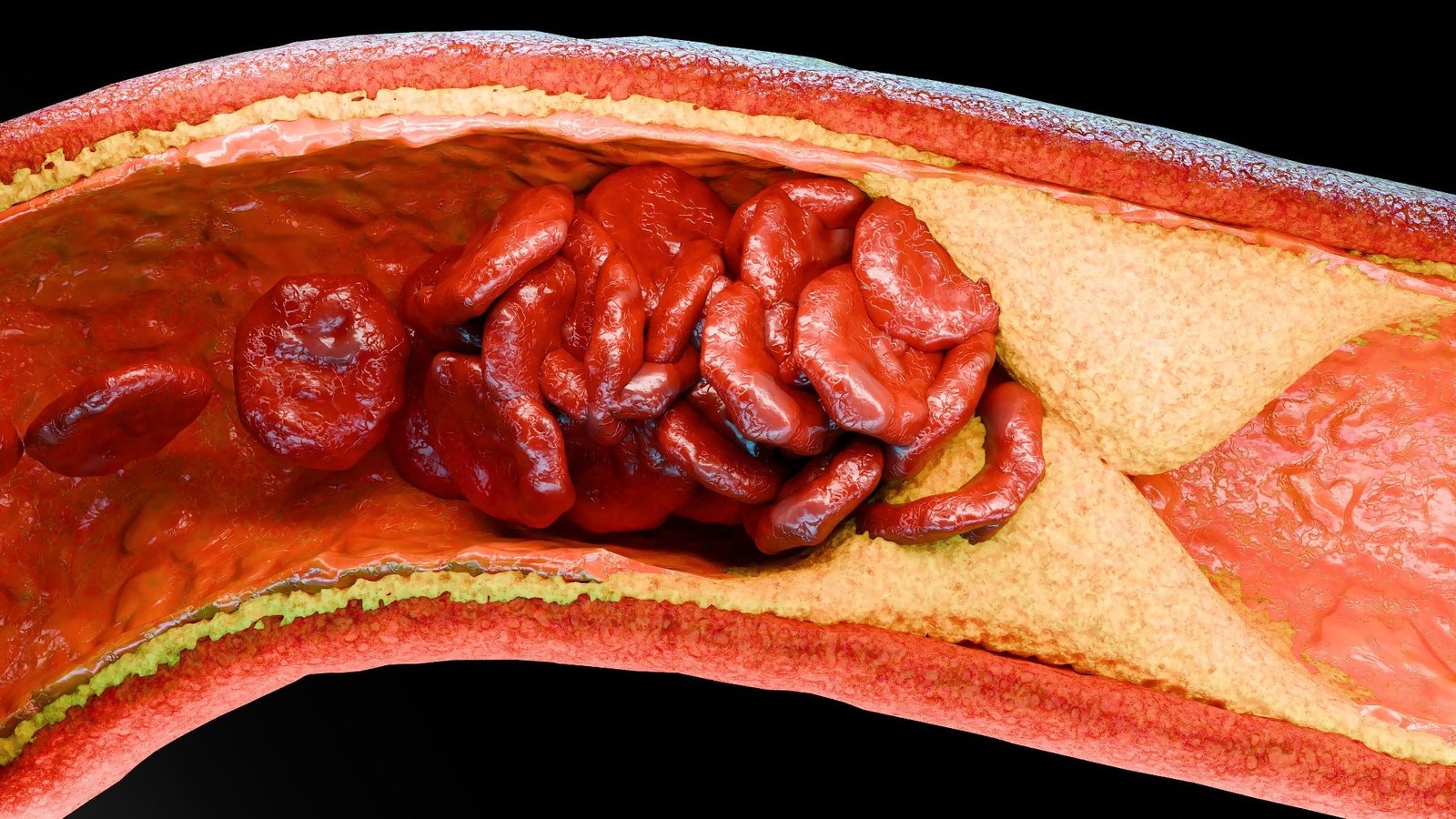
In a recent study published in the journal JACC Advances, investigators in the United States examined the presence of coronary atherosclerosis using coronary computed tomography angiography (CCTA) in asymptomatic adults without traditional risk factors based on levels of low-density lipoprotein cholesterol (LDL-C), non-high-density lipoprotein cholesterol (non-HDL-C), and apolipoprotein B (apoB). They found that coronary atherosclerosis is common and the prevalence increases with increasing levels of atherogenic lipoproteins, even in low-risk adults without traditional risk factors.

Study: Serum lipoproteins are associated with coronary atherosclerosis in asymptomatic US adults without traditional risk factors. Image Credit: ALIOUI MA / Shutterstock

Record

Atherosclerotic cardiovascular disease (ASCVD) is a major cause of mortality worldwide, mainly due to coronary atherosclerosis, which is known to have an early onset and progress over time. Elevated LDL-C is a major cause of ASCVD, and lowering LDL-C is crucial for prevention. Historically, LDL-C ≥160 mg/dL was considered elevated, while <100 mg/dL was considered optimal. However, these levels may still be insufficient to prevent atherosclerosis or ASCVD. In addition, non-HDL-C and apoB are strong predictors of ASCVD but are rarely assessed in asymptomatic populations. There remains a lack of evidence regarding the relationship between these lipoproteins and coronary atherosclerosis in adults without clinical ASCVD or other risk factors. Therefore, the investigators in the present study investigated the association between subclinical coronary atherosclerosis and atherogenic lipoproteins in asymptomatic, middle-aged US adults without traditional ASCVD risk factors. They hypothesized a potentially important association and aimed to enhance primary diagnostic and preventive strategies used against the condition.

About the study

The data in the present study come from the Miami Heart (MiHeart) study. A total of 1,033 participants from the 40-65 age group and without clinically symptomatic CVD or lipid-lowering therapy were included, with a subgroup of 184 participants having optimal risk factors. People with high-risk conditions such as obesity, high creatinine levels, asthma, cancer or pregnancy were also excluded. The median age of participants was 51 years, 42.1% of them were non-Hispanic White, and 55% were female. Data on demographics, clinical history, and CCTA imaging were obtained. Coronary atherosclerosis was diagnosed using the Agatson method and American Heart Association classification. The study examined the potential association of non-HDL-C, LDL-C, and apoB with coronary atherosclerosis, significant stenosis, coronary artery calcification, and high-risk plaque characteristics. Statistical analysis included the use of t-test, chi-square test, Fisher’s exact tests, and logistic regression models with forward stepwise selection.

Results and discussion

The study cohort had median serum LDL-C, non-HDL-C, and apoB levels of 125, 144, and 94 mg/dL, respectively. The majority of participants had a lower predicted 10-year ASCVD risk, with over 86% having a risk of <5%. Men showed higher body mass index, atherogenic lipoprotein levels and risk of ASCVD compared to women. Approximately 35.9% of participants without traditional ASCVD risk factors had coronary plaque, and the prevalence of coronary and calcified plaque was found to increase progressively with non-HDL-C, LDL-C, and apoB levels. Men showed higher plaque rates and more high-risk characteristics than women. In addition, coronary plaque was observed to become more common with advancing age in both men and women. Multivariate analyzes showed that higher atherogenic lipoproteins, age, male sex, and high lipoprotein(a) were significantly associated with coronary plaque.

In the optimal risk factor subgroup, 21.2% had coronary plaque but less often had severe or high-risk plaque features. Increased age and male gender were observed to be the main predictors of coronary atherosclerosis. At the same time, higher levels of non-HDL-C, LDL-C and apoB were found to remain positively associated with coronary plaque. However, these associations were not statistically significant in this smaller group.

The study is strengthened by its large, community-based cohort of asymptomatic adults, its detailed assessment of both non-calcified and calcified coronary plaque using CCTA, and its focus on a wide range of atherogenic lipoproteins and high-risk plaque characteristics. However, the study is limited by single-site data collection, lack of information on diet and activity, a potentially underpowered subgroup of optimal risk factors, the non-representative sample, and the absence of longitudinal clinical outcomes.

conclusion

In conclusion, the study suggests that among asymptomatic, apparently healthy, middle-aged US adults without traditional ASCVD risk factors, coronary atherosclerosis is common even at serum cholesterol levels considered normal. The prevalence of the condition increases with higher LDL-C, non-HDL-C and apoB. Despite the relatively rare high-risk plaque characteristics of this population, healthcare professionals should consider lowering serum atherogenic lipoproteins through diet, lifestyle changes, or medication to potentially prevent or delay coronary atherosclerosis and improve health outcomes their. In the future, studies could focus on the best timing for risk assessment, the role of adjunctive imaging, and the use of lipid-lowering therapy in low-risk adults.

Our new study at @JACCJournals : Are LDL-C/non-HDL-C/apoB associated with coronary atherosclerosis in low-risk, otherwise healthy US adults without HTN, diabetes, or tobacco use?

— Kamil Faridi MD MSc (@kfaridiMD) August 5, 2024

These findings underscore the importance of lipid-lowering strategies to prevent the development and progression of atherosclerosis—regardless of risk factors. LDL-C, non-HDL-C, and apoB matter even for the healthiest adults.

— Kamil Faridi MD MSc (@kfaridiMD) August 5, 2024

adults Atherosclerosis cholesterol coronary levels lowrisk Normal prevalent
bhanuprakash.cg
healthtost
  • Website

Related Posts

Strength training and a combination of cardio work best together

June 5, 2026

Prioritizing maternal sleep reduces the risk of postpartum anxiety disorders

June 4, 2026

Vaping devices and flavors affect genes differently

June 4, 2026

Leave A Reply Cancel Reply

Don't Miss
Nutrition

Dietitian Evidence-Based Nutrition Review

By healthtostJune 5, 20260

Eating intuitively. We’re born doing this, but somewhere along the line, we’re ripped off by…

5 surprising habits that can harm your memory and brain health

June 5, 2026

Strength training and a combination of cardio work best together

June 5, 2026

Strict dieting after 40 makes women heavier, not lighter

June 5, 2026
Stay In Touch
  • Facebook
  • Twitter
  • Pinterest
  • Instagram
  • YouTube
  • Vimeo
TAGS
Baby benefits body brain cancer care Day Diet disease exercise finds Fitness food Guide health healthy heart Improve Life Loss Men mental Natural Nutrition Patients People Pregnancy research reveals risk routine sex sexual Skin Skincare study Therapy Tips Top Training Treatment ways weight women Workout
About Us
About Us

Welcome to HealthTost, your trusted source for breaking health news, expert insights, and wellness inspiration. At HealthTost, we are committed to delivering accurate, timely, and empowering information to help you make informed decisions about your health and well-being.

Latest Articles

Dietitian Evidence-Based Nutrition Review

June 5, 2026

5 surprising habits that can harm your memory and brain health

June 5, 2026

Strength training and a combination of cardio work best together

June 5, 2026
New Comments
    Facebook X (Twitter) Instagram Pinterest
    • About Us
    • Contact Us
    • Privacy Policy
    • Terms and Conditions
    • Disclaimer
    © 2026 HealthTost. All Rights Reserved.

    Type above and press Enter to search. Press Esc to cancel.