


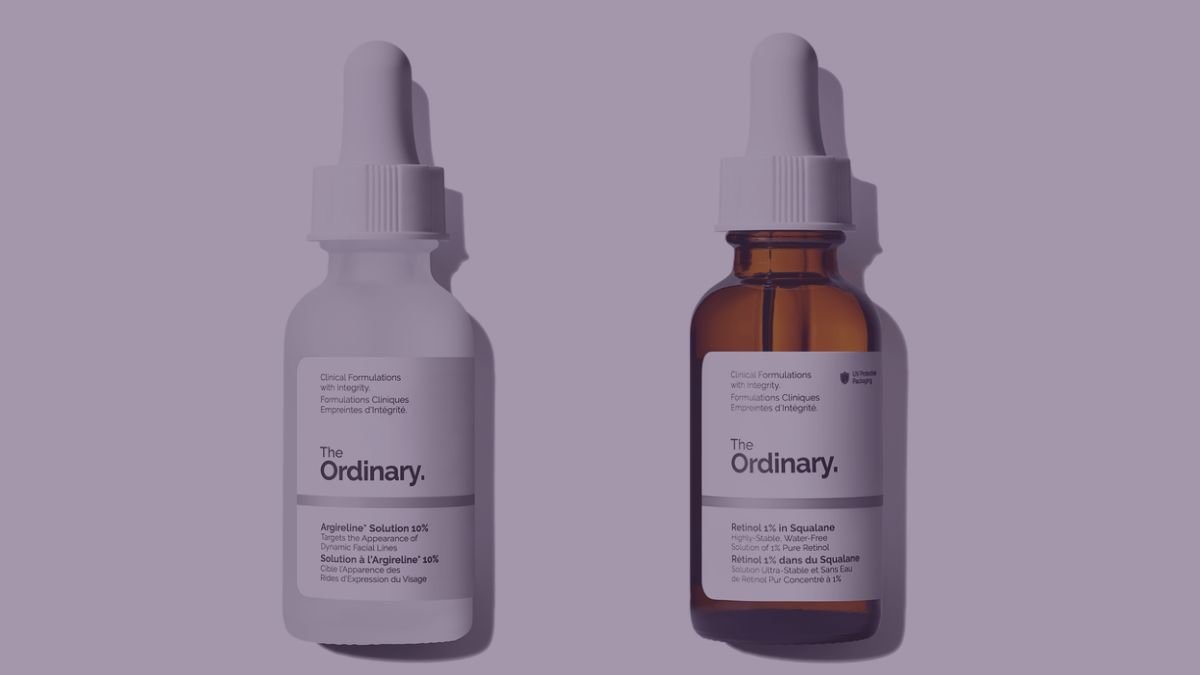
Argireline and retinol can work together to reduce the appearance of wrinkles and fine lines and complement each other to improve skin tone and appearance.
Therefore, in this article, we will discuss the benefits of using both Argireline and retinol in your skin care routine, as well as some of the possible side effects that may occur and how to avoid them when using these antiaging ingredients. .
What is Argireline?
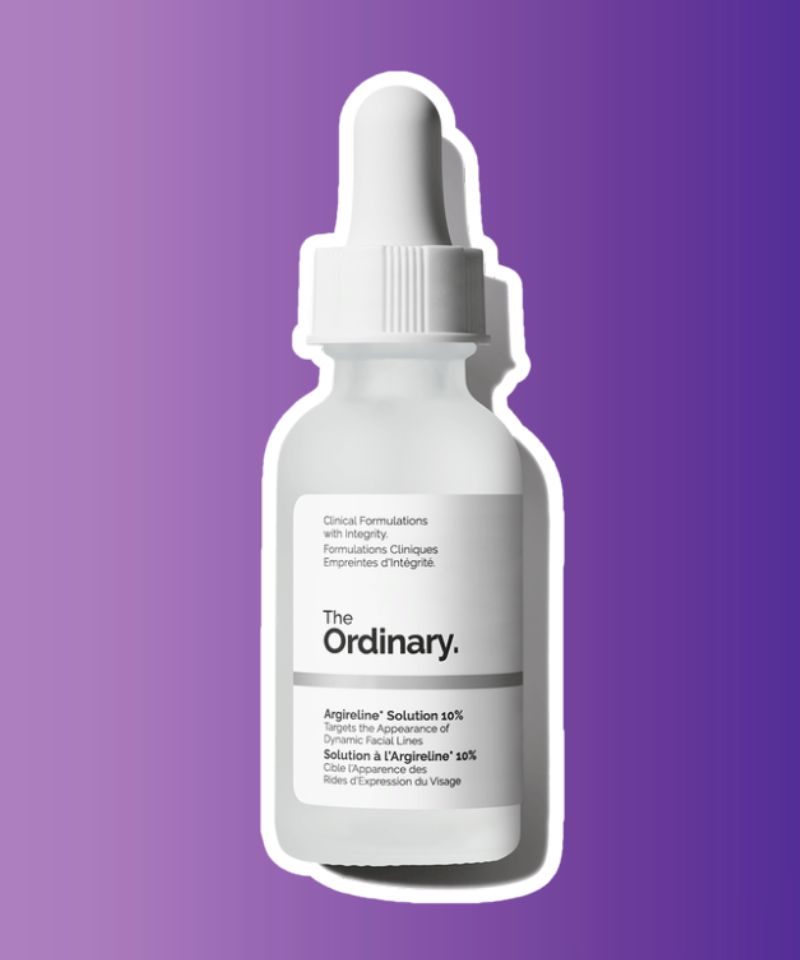
Argireline, scientifically known as Acetyl Hexapeptide-8, is a peptide compound often referred to as “Botox in a jar” because it aims to mimic the effects of Botulinum toxin and smooth fine lines and wrinkles.
Argireline works by blocking the neurotransmitters that trigger muscle contractions.
This action relaxes the facial muscles, reducing the appearance of dynamic wrinkles from repeated facial expressions.
Unlike Botox, which immediately stops muscle contractions through injections, Argireline provides a non-invasive solution that can be applied topically through creams and serums.
While the main benefit of Argireline is its ability to reduce the appearance of expression lines, regular use can result in smoother skin texture, improved skin elasticity and refined pores.
What is retinol?
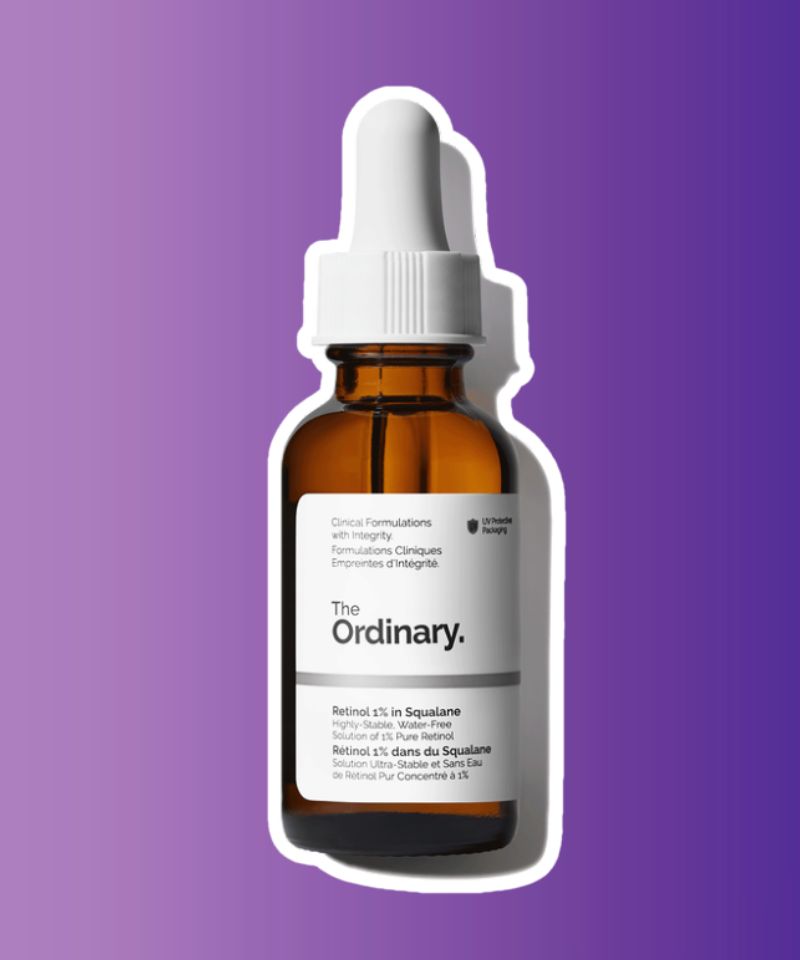
Retinol is a vitamin A derivative that increases cell turnover and boosts collagen production to improve skin texture and reduce signs of aging.
It is also a powerful antioxidant that reverses skin damage caused by environmental factors such as UV rays and free radicals from polluted air and prevents future damage, helping to maintain the health and appearance of skin.
Once applied to the skin, retinol binds to retinoid receptors found throughout the epidermal layers.
This binding stimulates various changes related to the growth and differentiation of cells involved in pigmentation, collagen synthesis and other skin functions.
Once retinol begins to “teach” these cells to behave differently, this will lead to visible changes in the skin, including smoother, brighter and younger-looking skin.
In addition, retinol also has a profound effect on acne-prone skin, helping to unclog clogged pores and clear cellular debris responsible for inflammation and acne.
Can you mix Argireline and Retinol?
Yes, Argireline and Retinol can be used together to target different aspects of skin aging and complement each other’s actions for better results.
For example, while Argireline relaxes facial muscles to reduce the appearance of fine lines and wrinkles, retinol promotes cell turnover and boosts collagen production to improve skin texture and reduce the appearance of more visible wrinkles.
On the other hand, while research on the direct interaction between Argireline and retinol is limited, some studies suggest that both ingredients can coexist in a skin care regimen without compromising their integrity or effectiveness.
Therefore, as long as your skin tolerates both ingredients, you can mix Argireline with retinol to simultaneously treat multiple skin aging problems and boost the health and appearance of your skin.
The benefits of mixing Argireline and Retinol
The benefits of mixing Argireline and retinol are, surprisingly enough, and include the following skin improvements:
Enhanced anti-aging effects: The combination of Argireline and retinol offers a dual approach to reducing the signs of aging, targeting dynamic wrinkles and improving collagen production for a more youthful appearance.
Improved skin elasticity: Retinol’s ability to stimulate collagen production complements Argireline’s muscle-relaxing effects, leading to enhanced skin elasticity and firmness.
Refined skin texture: The combination of Argireline and retinol can help improve skin texture by promoting cell renewal, smoothing rough areas and improving the appearance of enlarged pores.
Increased skin hydration: Argireline can also help maintain skin’s hydration levels, which when combined with retinol’s regenerative properties, results in firmer, more hydrated skin.
Antioxidant Protection: Retinol acts as a powerful antioxidant, protecting the skin from environmental damage, which can be combined with regular use of Argireline, contributing to overall skin health.
Reduced Acne: Using Argireline and retinol together can help address both wrinkles and acne concerns, as retinol helps unclog pores and reduce inflammation associated with breakouts, while Argireline can help with hydration and strengthening the skin barrier.
The side effects of mixing Argireline and Retinol
While Argireline is generally a well-tolerated ingredient, combining it with retinol can lead to some side effects, including:
- Peeling and peeling: Due to the accelerated cell turnover caused by retinol, some users may experience flaking or peeling.
- Dryness: Similarly, increased cell turnover can lead to initial dryness until newer cells on the skin’s surface increase their moisture-holding capacity.
- Sensitivity and irritation: Retinol can increase sensitivity and irritation, especially when used in high concentrations or in combination with other active ingredients such as Argireline.
- Allergic reactions: Although rare, some users may experience allergic reactions to any of the ingredients, characterized by itching, swelling or severe skin irritation.
- Liquidation: The skin may need time to adjust to the combination of Argireline and retinol, during which small flare-ups or changes in skin texture, known as clearance, may occur.
How to Safely Mix Argireline and Retinol?
To safely incorporate both Argireline and Retinol into your skin care routine, consider the following tips:
Start slow
When introducing both Argireline and retinol into your skin care routine, it’s important to start slow and with the ingredient least likely to cause irritation.
For example, if your skin is more sensitive, start with a lower concentration of Argireline and gradually introduce retinol up to 2-3 times a week to avoid stressing your skin.
Once your skin begins to better tolerate both active ingredients, you can consider increasing the frequency or concentration of either ingredient.
Use at night
Applying Argireline and retinol at night allows them to work their magic while the skin is in repair and regeneration mode, which maximizes their effectiveness.
In addition, this practice also reduces the risk of sun sensitivity and product degradation, as retinol can make the skin more susceptible to sun damage and can also be destabilized by exposure to sunlight, which will make it less effective.
Apply from thin to thick
When layering Argireline and retinol, always apply the thinnest consistency first, then build up to thicker formulas.
This approach ensures that each product penetrates the skin effectively without creating a barrier for other products.
Follow up with a nourishing moisturizer
After applying retinol and Argireline, it’s important to lock in moisture to prevent dryness and flaking.
Choose a rich, nourishing moisturizer suited to your skin type to soothe and hydrate the skin, enhancing the benefits of both active ingredients.
Look for moisturizers that contain ingredients like ceramides, hyaluronic acid and emollients to help replenish the skin’s moisture barrier and soothe any potential irritation.
Apply sunscreen in the morning
Sun protection is imperative when using retinol, as this ingredient can increase your skin’s sensitivity to the sun.
Every morning, apply a broad-spectrum sunscreen with SPF 30 or higher to protect against UV damage and prevent collagen breakdown, ensuring the longevity of retinol and Argireline’s anti-aging action.
Listen to your skin
Finally, it’s important to listen to your skin and make adjustments as needed.
If you experience any discomfort or side effects, reduce the frequency of use or discontinue one or both products until your skin calms down.
Once your skin has recovered, you can gradually reintroduce the products one at a time into your routine.
Always start with the least likely to irritate your skin, which in this case would be Argireline, and slowly increase the use of both ingredients together.
Frequently Asked Questions
Can everyone use Argireline and Retinol together?
Most people can safely use both Argireline and retinol together, but those with very sensitive skin should exercise caution when it comes to mixing active ingredients.
How soon can I expect to see results?
Results from Argireline and retinol may vary. However, depending on your skin type, skin concern and skin care routine, you should expect to see improvements in the appearance of your skin within 6-8 weeks of regular use.
What Comes First: Retinol or Argireline?
When applying skin care products, it’s generally recommended to apply the thinnest texture first, then build up to thicker formulas.
Therefore, if you are using Argireline in the form of a light, watery serum, you should apply it before the retinol.
The post Can you mix Argireline and Retinol? appeared first on The Skin Care Culture.
