

Close Menu
Healthtost
  • News
  • Mental Health
  • Men’s Health
  • Women’s Health
  • Skin Care
  • Sexual Health
  • Pregnancy
  • Nutrition
  • Fitness
  • Recommended Essentials
What's Hot

A cancer-causing contaminant in drugs and meat

May 3, 2026

Landmine Training and Why I Love It – Tony Gentilcore

May 3, 2026

Five-target drug beats GLP-1/GIP therapy in obese diabetic mice

May 3, 2026
Facebook X (Twitter) Instagram
  • About Us
  • Contact Us
  • Privacy Policy
  • Terms and Conditions
  • Disclaimer
Facebook X (Twitter) Instagram
Healthtost
SUBSCRIBE
  • News

    Five-target drug beats GLP-1/GIP therapy in obese diabetic mice

    May 3, 2026

    How fast your face ages can predict cancer survival outcomes

    May 2, 2026

    AI scribes save doctors time, but fail to reduce overtime

    May 2, 2026

    Identifying the ages at which Alzheimer’s biomarkers change sharply

    May 1, 2026

    Timing of food may shape how T cells respond to infection and therapy

    May 1, 2026
  • Mental Health

    Every mental health journey starts with being seen

    May 2, 2026

    What animal studies teach us about toxic work environments

    April 27, 2026

    I hate hope: How to manage hope when you have treatment-resistant bipolar disorder

    April 19, 2026

    Rose Byrne is raw, magnetic and unfiltered as a woman in crisis

    April 18, 2026

    Can a single mother change her child’s surname in India?

    April 16, 2026
  • Men’s Health

    3 Day Home Workout Plan: Build Muscle and Burn Fat

    April 30, 2026

    GLP-1 drugs promise broader health benefits, but experts advise caution on use

    April 28, 2026

    Trauma patients recover faster when medical teams know each other well, new study finds

    April 28, 2026

    I did red light therapy for 3 months so I shouldn’t have

    April 27, 2026

    Sex Secrets for Men Over 40: Surviving Male Menopause

    April 27, 2026
  • Women’s Health

    What is the difference between UVA and UVB rays?

    May 1, 2026

    Are you a fungus fanatic? We unpack the nutritional trend of mushroom mania

    April 29, 2026

    What the Patients’ Bill of Rights Could Mean for Black Women

    April 29, 2026

    Navigating sexual health during and after cancer

    April 28, 2026

    Do tampons break the hymen? Facts, Myths and What You Need to Know – Vuvatech

    April 27, 2026
  • Skin Care

    The truth about waterless care: What your skin really needs

    May 2, 2026

    What happens to your skin while you sleep? (the science of “Beauty Sle

    May 1, 2026

    Face Peeling Mask Guide: Shine Without Irritation

    April 28, 2026

    Is your moisturizing face mist really drying out your skin?

    April 28, 2026

    Uses and Benefits of TNW Natural Aloe Vera Face Gel – The Natural Wash

    April 27, 2026
  • Sexual Health

    Boost erectile health and confidence

    May 1, 2026

    Judicial Restrictions on Abortion COVID-19 < SRHM

    April 30, 2026

    Can herpes affect fertility?

    April 29, 2026

    The Importance of Personalized Care in Medication Assisted Therapy (MAT) Programs I Novus

    April 28, 2026

    Your favorite mold is lying to you (a little) — Sexual Health Alliance

    April 28, 2026
  • Pregnancy

    Why is anemia during pregnancy high in Indian women?

    May 2, 2026

    5 things you need for the third trimester

    May 1, 2026

    Eating disorders in pregnancy and breastfeeding: Why “healthy eating” is not always easy

    May 1, 2026

    Comprehensive yoga for pregnancy, birth and beyond

    April 29, 2026

    Midwifery and Life – The postnatal health check New mums don’t know they can ask for

    April 28, 2026
  • Nutrition

    A cancer-causing contaminant in drugs and meat

    May 3, 2026

    How Nutrition Supports Mood, Energy and Gut Health

    May 2, 2026

    How to create a self-care plan when you’re stressed

    May 1, 2026

    I answer the most HOT Questions about Fatty Liver

    April 29, 2026

    Why You’re Not Losing Weight After 35 (Even When You Eat Less)

    April 28, 2026
  • Fitness

    Landmine Training and Why I Love It – Tony Gentilcore

    May 3, 2026

    9 Powerful Fitness Tips for Pear Shaped Bodies

    May 2, 2026

    If you can still do these 7 things at 60, your body is aging better than most

    May 2, 2026

    A Hike Leader’s Must-Have Kit

    April 30, 2026

    Menopausal Hair Loss Solutions: 10 Expert Tips

    April 29, 2026
  • Recommended Essentials
Healthtost
Home»News»Can mushrooms improve your memory?
News

Can mushrooms improve your memory?

healthtostBy healthtostJanuary 29, 2024No Comments4 Mins Read
Facebook Twitter Pinterest LinkedIn Tumblr Reddit WhatsApp Email
Can Mushrooms Improve Your Memory?
Share
Facebook Twitter LinkedIn Pinterest WhatsApp Email

In a recent study published in Nutrientsresearchers investigated associations between mushroom intake and cognitive performance.

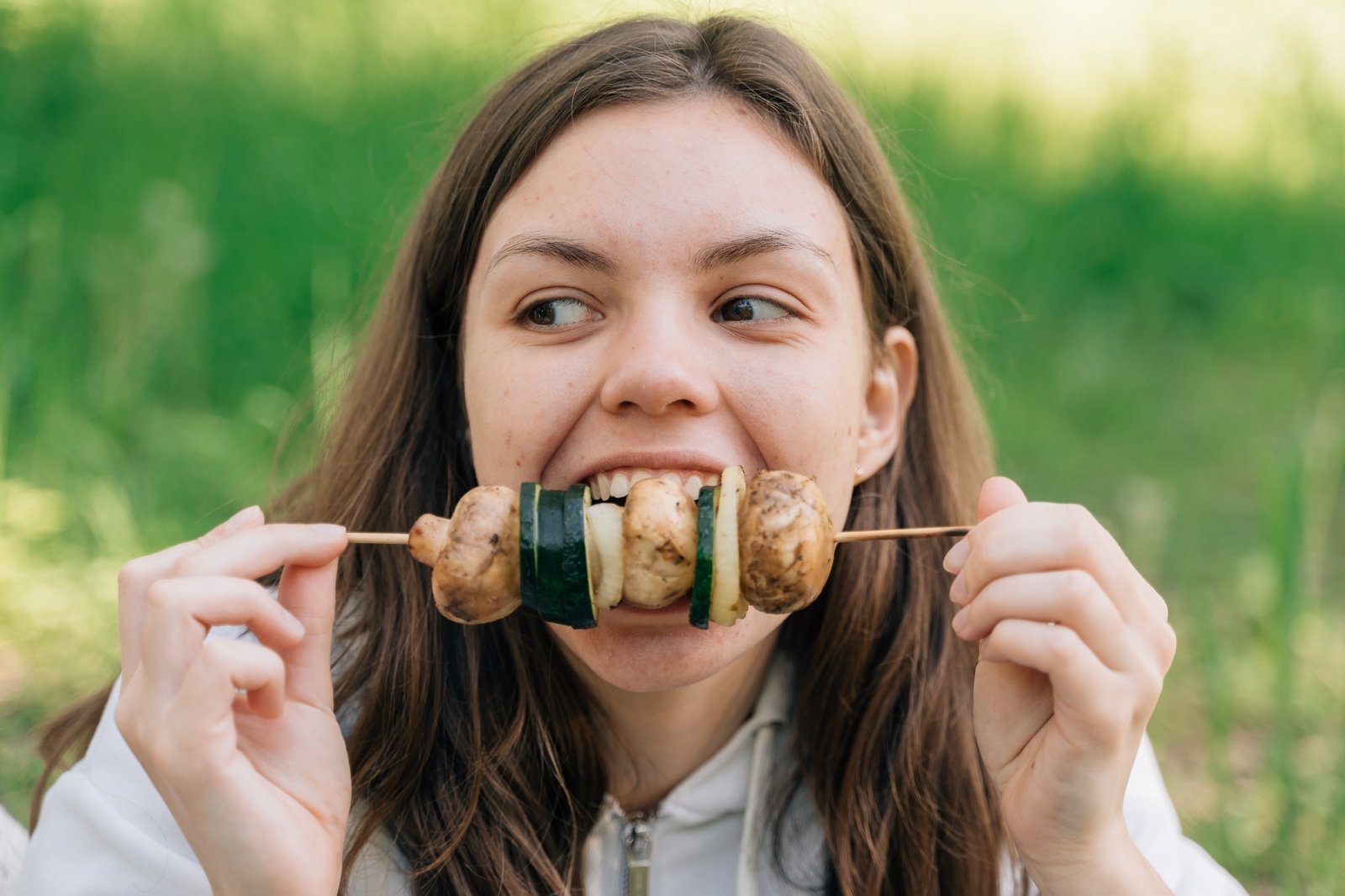
Study: The relationship between mushroom intake and cognitive performance: An epidemiological study in the European Investigation of Cancer-Norfolk Cohort (EPIC-Norfolk). Image credit: Troyan/Shutterstock.com

Record

Aging is associated with changes in behavior and cognition, with declines in executive function, global memory, daily living skills, and mood.

Evidence implicates diet as an important modifiable factor in alleviating age-related cognitive decline, and several studies have revealed the neurocognitive health benefits of different food components. Culinary mushrooms are an excellent source of fiber, protein, phytochemicals and vitamins.

Bioactive compounds in mushrooms have been described as anti-inflammatory agents, promoting neurogenesis and regulating neurotransmitter release. Evidence from epidemiological studies suggests a positive association between intake of a plant-rich diet, including mushrooms, and cognitive outcomes.

However, these studies have often not specifically investigated mushroom consumption. Furthermore, studies that specifically investigated mushroom intake have been done mainly in Asian cohorts.

About the study

The present study examined associations between mushroom consumption and cognitive performance in a Western cohort.

They analyzed data from the Epidemiological Study in the European Investigation of Cancer (EPIC)–Norfolk cohort that recruited more than 30,000 people aged 40–92 years in Norfolk, UK.

Participants were enrolled from 1993 onwards and attended several follow-up health checks. The researchers used food frequency questionnaire (FFQ) data from the first three health checks (1HC). [1997-98]2HC [1998-2000]and 3HC [2004-11]) to examine changes in mushroom consumption over time.

The association between mushroom intake and cognitive performance was investigated using data from the 3HC only.

The 3HC included a battery of cognitive tests as part of a neurocognitive battery (EPIC-COG) that assessed attention, reading, executive function, and working, visuospatial, and prospective memory.

Dietary intake was assessed using a semi-quantitative FFQ, where participants rated their intake of individual foods in broad categories (vegetables, fruit, bread, pasta, fish, meat, sweets, dairy products, drinks, sweets and sauces).

Participants defined consumption frequency as one serving/day, four to five servings/day, one serving/week, two to four servings/week, five to six servings/week, never or less than once/month, and up to three servings /month.

These categorical data were used to calculate mean mushroom intake and results were reported as servings/week.

Multivariate analysis of covariance examined differences in cognitive performance across four intake categories (less than one serving/month or never, one to three servings/month, one serving/week, and more than one serving/week) for each cognitive domain, taking into account age, sex, body mass index (BMI), physical activity. The group was additionally adjusted for daily fruit and vegetable intake.

Foundings

Of the 8,263 participants, over 59% reported the frequency of mushroom intake at all three times.

Mean weekly mushroom consumption was significantly different between time points. Mean weekly mushroom intake was significantly reduced from 1.42 servings in 1HC to 1.34 and 1.3 servings in 2HC and 3HC, respectively.

In addition, the percentage of mushroom consumers and non-consumers differed significantly between time points. The proportion of non-consumers increased significantly over time.

Approximately 5,418 participants reported mushroom consumption frequency and had eligible EPIC-COG test scores. Most subjects were white (99.7%) and cognitively healthy.

About 65% were obese or overweight and about 83% were regular mushroom consumers. There was a significant correlation between mushroom consumption and cognitive function.

Significant main effects of mushroom were observed for individual cognitive measures, except for the complex visuospatial memory and paired-associate learning tests.

In addition, data on daily fruit and vegetable intake were available for 5,272 participants. The relationship between cognitive function and mushroom intake remained significant when accounting for daily fruit and vegetable intake. Significant main effects of mushrooms were evident on individual cognitive measures, except for visuospatial memory tasks.

conclusions

The study investigated consumption rates in the EPIC-Norfolk cohort and the relationship between mushroom consumption and cognitive function.

The percentage of mushroom consumers showed a significant decrease over time. Mushroom consumption was positively related to cognitive performance, including executive function, word recall, and prospective memory.

Furthermore, the association remained statistically significant after accounting for fruit and vegetable intake.

A causal conclusion could not be established given the cross-sectional design of the study. the relationship could also be susceptible to reverse causation. Therefore, randomized controlled trials are needed to determine causality and directionality.

Improve memory mushrooms
bhanuprakash.cg
healthtost
  • Website

Related Posts

Five-target drug beats GLP-1/GIP therapy in obese diabetic mice

May 3, 2026

How fast your face ages can predict cancer survival outcomes

May 2, 2026

AI scribes save doctors time, but fail to reduce overtime

May 2, 2026

Leave A Reply Cancel Reply

Don't Miss
Nutrition

A cancer-causing contaminant in drugs and meat

By healthtostMay 3, 20260

Billions of dollars worth of drugs have been pulled from the market for less carcinogenic…

Landmine Training and Why I Love It – Tony Gentilcore

May 3, 2026

Five-target drug beats GLP-1/GIP therapy in obese diabetic mice

May 3, 2026

How Nutrition Supports Mood, Energy and Gut Health

May 2, 2026
Stay In Touch
  • Facebook
  • Twitter
  • Pinterest
  • Instagram
  • YouTube
  • Vimeo
TAGS
Baby benefits body brain cancer care Day Diet disease exercise finds Fitness food Guide health healthy heart Improve Life Loss Men mental Natural Nutrition Patients Pregnancy protein research reveals risk routine sex sexual Skin Skincare study Therapy Tips Top Training Treatment ways weight women Workout
About Us
About Us

Welcome to HealthTost, your trusted source for breaking health news, expert insights, and wellness inspiration. At HealthTost, we are committed to delivering accurate, timely, and empowering information to help you make informed decisions about your health and well-being.

Latest Articles

A cancer-causing contaminant in drugs and meat

May 3, 2026

Landmine Training and Why I Love It – Tony Gentilcore

May 3, 2026

Five-target drug beats GLP-1/GIP therapy in obese diabetic mice

May 3, 2026
New Comments
    Facebook X (Twitter) Instagram Pinterest
    • About Us
    • Contact Us
    • Privacy Policy
    • Terms and Conditions
    • Disclaimer
    © 2026 HealthTost. All Rights Reserved.

    Type above and press Enter to search. Press Esc to cancel.