



Blood sugar doesn’t just affect your energy levels—it plays a critical role in your overall health. In this guide, we’ll break down the basics of blood sugar, its connection to chronic disease, and practical strategies for maintaining balance through diet and lifestyle. Whether you’re dealing with diabetes or just aiming for better health, understanding blood sugar is essential.
Blood sugar, also known as blood glucose, plays a key role in health, weight loss, performance, disease risk, and life itself. When blood sugar drops too low, we fall into a coma and eventually die. Conversely, if blood sugar levels remain high, it can lead to serious health problems.
Our millions of cells are also powered by our blood sugar, which is the body’s most basic and readily available fuel source.
While normal blood sugar levels play an important role in all of our bodily functions and health, if these levels rise or fall, they can cause serious health problems and in severe cases, even death.
Unless you have a specific condition like type 1 diabetes, the biggest concern is chronically elevated blood sugar levels that can lead to metabolic disease, obesity and many other life-threatening health problems.
Whether you want to optimize health, improve athletic performance, lose weight or simply feel better every day, then controlling your blood sugar is one of the best steps you can take.
How blood sugar works
To understand what blood sugar is, it’s helpful to know what happens when you eat. Let’s take eating a banana for example.
Through digestion, your body breaks down the banana into useful components that travel in your bloodstream. One of these components, glucose, (hence the name, blood glucose), is then formed and is the most readily available source for all types of activity, exercise and bodily processes.
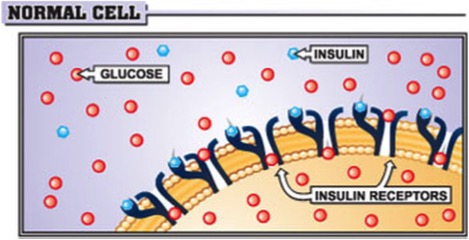
But it doesn’t stop there. Glucose requires a chaperone to produce many of its effects. This hormone is called insulin, which is produced in the pancreas and acts as a transporter to transport glucose throughout the body into our cells. Simply put, think of insulin as the “key” that unlocks the door to your cells to allow glucose in.
When all is well, cells in the pancreas produce the right amount of insulin and blood sugar is properly stored or used by tissues such as skeletal muscle.
However, when your body’s cells do not interact well with the hormone insulin and sugar is not stored in the tissues, your body is said to be in a state of insulin resistance. This can also be described as reduced insulin sensitivity.
The result? Glucose remains in the bloodstream and the glucose level builds up in your blood. This condition is known as hyperglycemia or high blood glucose, a characteristic condition of diabetes and other serious diseases.
The effects of elevated blood sugar levels are serious and cause negative effects on both our short-term and long-term health.
Short-term effects of uncontrolled blood sugar
When there is too much glucose in your blood, your body tries to compensate, which can lead to common symptoms of diabetes.1, 2)
- Extreme thirst
- Dehydration
- Unplanned weight loss
- Increased hunger
- Excessive urination
In addition to these medical issues, daily changes in blood sugar can cause noticeable symptoms. The most common of these include changes in energy, headaches, tiredness after a meal or poor focus, (often in the afternoon), mood swings, lightheadedness and weakness.
At some point, most people will have experienced some or all of these symptoms. Among the general population there will be many who may even experience this every day as they have disorders of blood sugar management combined with a sedentary lifestyle and may also have excessive carbohydrate intake.
When experienced on a daily basis it can have a profound effect on quality of life and burden many people with chronic fatigue, tiredness and low energy. This becomes a major issue when they are trying to lose weight or improve their lifestyle, as they are not motivated to exercise or eat well and so seek out foods high in sugar.

Get your free guide to becoming a holistic nutritionist
Learn about the important role of holistic nutritionists, what it takes to be successful as one, and how to build a profitable career in nutrition.
Long-term effects of uncontrolled blood sugar
If blood sugar remains uncontrolled, the long-term consequences can be serious. When sugar remains in the bloodstream, the result over time is damage to blood vessels, nerves and organs (3).
Possible consequences include blindness, kidney disease, nerve damage and limb amputation, obesity, diabetes, and more (3, 4).
As mentioned, the overall health of the body is put at a much greater risk of developing chronic diseases that reduce quality of life and increase the risk of premature death.
In fact, many researchers and health organizations believe that this condition is one of the western world’s most serious modern health issues.
Uncontrolled blood sugar is also a key factor in a condition called “metabolic syndrome” (5, 6). The other factors often associated with insulin resistance are elevated triglycerides and low-density lipoprotein cholesterol and high blood pressure. Again, this is one of the leading causes of death in modernized, Western countries.
As a result of all these factors, the risk of heart disease, high blood pressure, diabetes and strokes is significantly increased (5, 6).
Chronically high blood sugar levels can promote the growth of abnormal cells and alter the metabolism of normal cells, which leads to the development of cancer. In addition, a low level of inflammation can lead to increased oxidative stress and the development of many serious diseases (7, 8).
It doesn’t stop there either, as research shows that many other diseases are linked to insulin resistance and poor blood sugar regulation. They include:
- Alzheimer’s disease (9)
- Non-alcoholic fatty liver disease (10)
- Arthritis (11)
- Polycystic Ovary Syndrome (PCOS) (12, 13)
Usually, uncontrolled blood sugar is a result of obesity (14, 15). . However, having uncontrolled blood sugar can make the problem worse and cause you to gain even more weight (16).
Summary
As you can see, excessive blood sugar levels create a vicious cycle of fat gain, poor health, and increased risk of disease.
If you want to lose fat, improve health, or reduce your risk of disease, your doctor may recommend optimizing your blood sugar levels as one of your top priorities. To get started, focus on the fundamentals of a healthy diet and exercise, such as eating whole foods, getting enough protein, and getting regular, high-intensity exercise.
Beyond that, other aspects such as daily stress, your sleep, training techniques and certain supplements can all help improve it further.
A Certified Holistic Nutritionist and/or Board Certified Health and Wellness Coach can support you with nutrition education and help you work toward and stick to your health goals.
If you’re a wellness coach or nutrition professional who wants to learn more about blood sugar and type 2 diabetes, sign up for AFPA’s online type 2 diabetes course and earn continuing education credits.
To learn the most research-proven methods for increasing insulin sensitivity and blood sugar control, read part 2 of the series: How to Optimize Blood Sugar Levels.
