



Acne is more than just a skin condition. it is often a mirror that reflects our internal health and the balance of our microbiome.
In the quest for clear skin, treatments range from topical creams to antibiotics, but one promising solution lies at the core of our existence—probiotics.
But how effective are these tiny allies in the fight against acne?
Let’s delve into probiotics to uncover their potential as an acne treatment.
What are probiotics?
Probiotics are live microorganisms, often called “good” or “friendly” bacteria, that are part of our gut, mucous membranes, and even our skin.
These microorganisms help maintain a healthy balance in our body by supporting digestion (breaking down food and absorbing nutrients), strengthening the immune system (fighting harmful bacteria and viruses) and protecting the skin from external pathogens it encounters when exposed to the environment.
In other words, probiotics help maintain a harmonious and healthy relationship between our body and the surrounding ecosystem and protect us from unwanted invaders.
The benefits of probiotics for the skin
Our skin is home to a diverse community of microorganisms known as the skin microbiome.
Just like the gut, the health of the skin depends significantly on the balance of these microorganisms.
Probiotics help maintain this balance, offering many benefits:
Balancing the skin microbiome:
By boosting the diversity and number of beneficial microbes, probiotics can out-compete harmful bacteria, reducing bacterial skin conditions.
Strengthening the skin barrier:
Probiotics improve the skin’s ability to act as a barrier against pollutants, allergens and other irritants present in the environment.
Anti-inflammatory effect:
Probiotics can reduce skin inflammation by anti-inflammatory substances and affect T-cell behaviora type of white blood cell involved in immune responses, such as inflammation, as a result of fighting the overgrowth of a foreign pathogen.
Are probiotics good for acne?
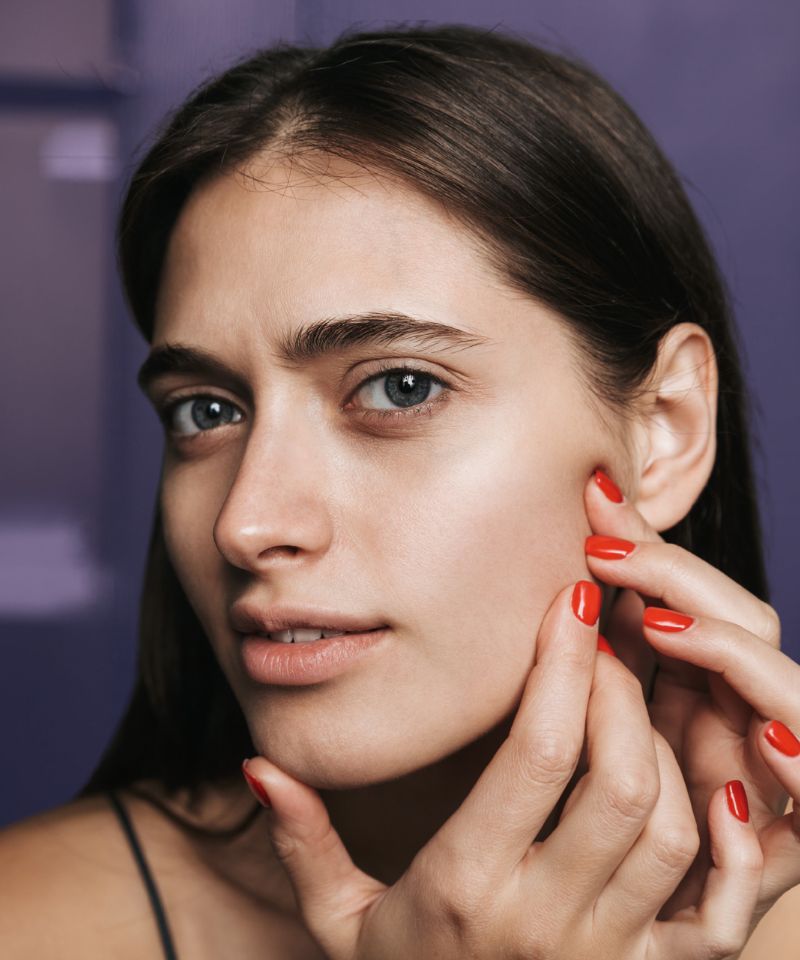
The promising link between probiotics and acne reduction has been proven by numerous studies.
Probiotics have demonstrated the potential to moderate the severity of acne through several pathways, including the regulation of insulin-like growth factor 1 (IGF-1), a key factor in the development of acne.
Consuming probiotics may therefore provide a natural, effective solution for people seeking acne management.
Here are some ways probiotics can help with acne:
They inhibit acne-causing bacteria:
Probiotics such as Streptococcus salivarius have been found to inhibit the growth of acne-causing bacteria by producing substances called bacteriocins.
Strengthen the skin barrier:
Probiotics, such as Streptococcus thermophiles, have been shown to increase ceramide productionwhich help strengthen the skin’s barrier function and boost its antimicrobial properties against acne-causing bacteria.
Reduce inflammation:
Inflammation plays an important role in the development of acne and probiotics have been found to reduce inflammation by producing anti-inflammatory substances, inhibiting the production of pro-inflammatory cytokines and the control of the immune response to inflammation.
Inhibit sebum production:
Probiotics have also been found to reduce acne by potentially inhibiting substance Pan amino acid neuropeptide that boosts sebum production, thereby reducing pore clogging.
Hormone balance:
Insulin-like growth factor 1 (IGF-1), which can be affected by certain foods or probiotics, has been linked to acne because of its ability to cause internal inflammation.
Therefore, low-fiber carbohydrates and dairy can increase the risk of acne by increasing IGF-1 levels, while the probiotic Lactobacillus, when used in milk fermentation, can significantly reduce these levels.
This suggests that Probiotics may help control acne by reducing systemic IGF-1 levels.
The side effects of probiotics
While probiotics are generally considered safe and beneficial for most people, they can cause side effects in some people, especially if used in excess.
Some possible side effects of probiotics can include digestive discomfort such as diarrhea, constipation, or stomach pain, especially when you first start taking probiotic supplements.
Some people may also experience increased gas or bloating.
More rarely, side effects may include headaches, allergic reactions such as rashes or mild itching, and a possible risk of antibiotic resistance or infection.
However, these symptoms usually subside as the body adjusts to the probiotics.
How to include more probiotics in your daily routine?
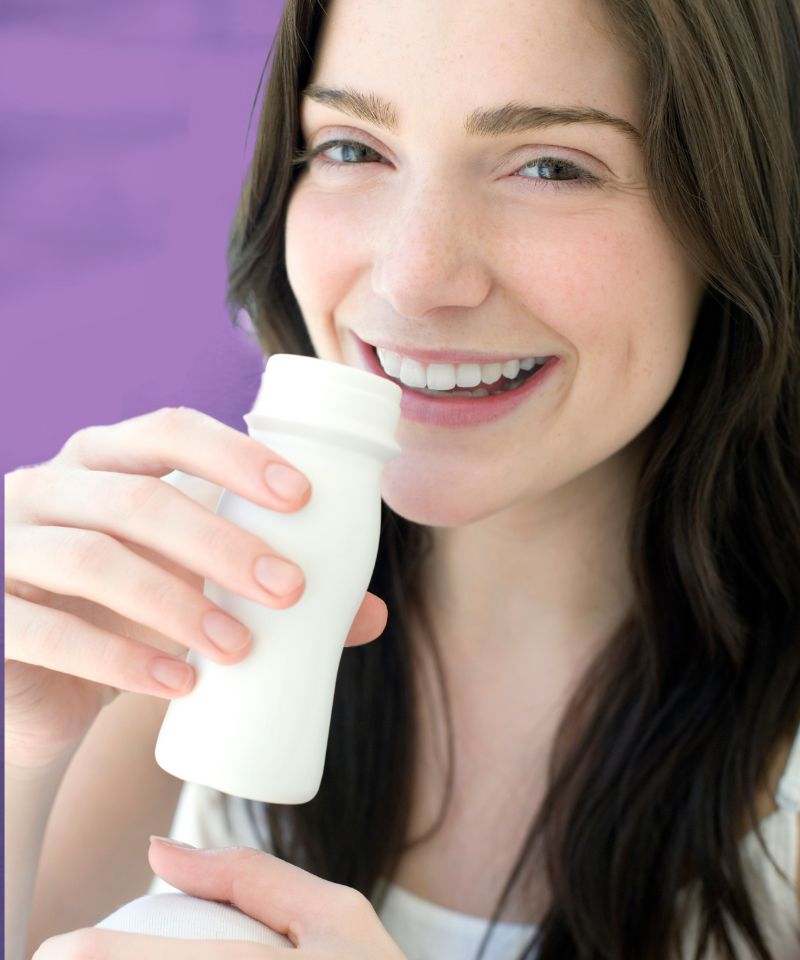
Incorporating probiotics into your lifestyle can make a big difference in the health of your skin, especially when dealing with acne.
Here’s how to seamlessly add more probiotics to your daily routine:
Diet
The foods you eat can play a key role in enriching your body with beneficial bacteria.
Here are some probiotic-rich foods to include in your daily menu:
Yoghurt: Yogurt is one of the best-known sources of probiotics, particularly strains such as Lactobacillus bulgaricus and Streptococcus thermophilus, which can help balance the skin’s microbiome. Choose plain, unsweetened varieties to avoid added sugars that can negatively impact gut health.
Kefir: A fermented milk drink similar to yogurt but with a thinner consistency. Kefir contains a wider variety of bacterial cultures and yeast, making it a powerful probiotic source.
Hate: This Japanese seasoning, made by fermenting soybeans with salt and a fungus called Aspergillus oryzae, offers strains of bacteria beneficial to the gut.
Kimchi: A spicy Korean side dish made from fermented vegetables (most commonly cabbage), providing Lactobacillus kimchii, among other probiotics. It is also rich in vitamins and minerals that can further improve gut, immune and skin health.
Supplements
If your diet does not provide enough probiotics, supplements can be an effective alternative:
When buying probiotic supplements, look for options that specify the strains of bacteria they contain and the CFU (colony forming units) count, and make sure they’ve been tested for purity and potency.
Different strains can offer wider skin and health benefits.
Skin care products
Incorporating probiotic-infused products into your skincare routine can directly benefit the skin’s surface by promoting a balanced microbiome.
Here are some specific probiotics and ingredients to look for:
Lactic acid: Lactobacillus, a lactic acid-producing bacterium, helps maintain the skin’s pH balance, gently exfoliates to remove dead skin cells, and supports the skin’s natural barrier. Lactic acid is also known for its moisturizing properties.
Bifidobacterium: Bifidobacterium found in some skin care products can help strengthen the skin’s barrier function and protect against harmful bacteria. It is beneficial in reducing skin sensitivity and irritation.
Streptococcus Thermophilus: This probiotic has been shown to increase the skin’s production of ceramides, which are lipids that help retain moisture and strengthen the skin’s barrier, preventing dryness and irritation.
Fermented Extracts: Ingredients such as fermented rice water, seaweed or soy are rich in antioxidants, vitamins and minerals. Fermentation breaks these ingredients down into smaller molecules, making it easier for the skin to absorb their nutrients. They can boost skin brightness, hydration and overall health.
Frequent questions
Why is my gut causing acne?
Acne can often be a reflection of an imbalanced gut microbiome, where the presence of harmful bacteria triggers inflammation that shows up on the skin as breakouts.
Probiotics help restore the balance of good bacteria, improving digestion and reducing systemic inflammation that can manifest as acne.
How long do probiotics take to help acne?
The time it takes for probiotics to affect acne can vary, but many people may begin to notice improvements in their skin within a few weeks to a few months of consistent probiotic use.
Which probiotic is best for acne?
Lactobacillus plantarum and Lactobacillus paracasei are strains that have proven effective in soothing skin inflammation and relieving acne due to their anti-inflammatory properties.
The post Are probiotics good for acne? appeared first on The Skin Care Culture.
