


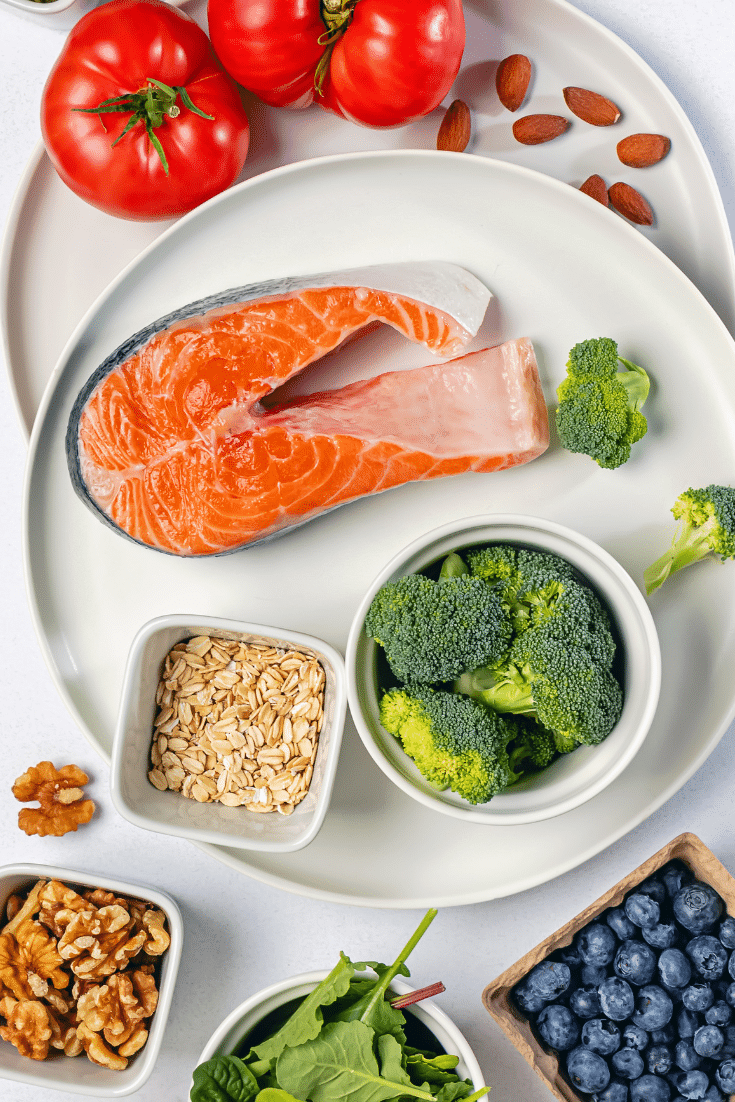
Perimenopause and inflammation are more connected than most people realize. If you’re in your late 30s or 40s and thinking, “Why does my body feel different lately?” – you can’t imagine it.
As estrogen begins to fluctuate and gradually decline, inflammation in the body can increase. This shift can show up as hot flashes, sleep changes, mood swings, brain fog, or even changes in cholesterol and body composition.
Many women respond by trying to “clean up” their diet, but sometimes the changes they make can backfire.
Let’s talk perimenopause and inflammation in a practical way and look at 10 common anti-inflammatory diet mistakes to avoid.

1. Cut calories very aggressively
Metabolism slows down slightly during perimenopause. Research shows that calorie needs can be reduced by about 200 calories per day.
But this does not mean extreme restriction or the need to reduce calories.
Drastic dieting or cutting calories increases stress hormones, disrupts muscle mass, and can exacerbate inflammation. Chronic undereating can also exacerbate hot flashes and mood swings.
This is the time to focus on nutrition, not deprivation.
2. Ignoring protein and muscle loss
Perimenopause often brings gradual muscle loss for many people.
Lower muscle mass contributes to further slowing of metabolism and increased inflammation. Strength training and adequate protein intake are key to making this happen.
It’s important to aim for protein at every meal, especially from plant sources such as beans, tofu, lentils, nuts and seeds, as well as fish and eggs.
Muscle is protective of your metabolism.
3. You don’t eat enough fiber
Fiber is one of the most powerful anti-inflammatory tools out there.
Higher fiber intake supports gut bacteria, helps lower LDL cholesterol, and reduces the risk of heart disease and type 2 diabetes.
During perimenopause and menopause, inflammation levels often increase. Fiber helps counteract this.
Foods rich in fiber include:
- Beans and lentils
- Oats, brown, black and wild rice, millet, farro, buckwheat, whole wheat
- Berries
- Apples, pears, bananas, berries (and all fruit!)
- Dark leafy greens (and all vegetables!)
- Chia, hemp and flax seeds
Most women do not meet their fiber needs.
4. Avoiding soy out of fear
Phytoestrogens (the antioxidants in soy foods) have been misunderstood.
The plant-based estrogens found in soy do not work the same way as human estrogen. Current research shows that moderate soy intake does not increase the risk of breast cancer.
Actually, phytoestrogens can support heart health and reduce inflammation.
Tofu, edamame, soy and tempeh can be beneficial additions during menopause!
5. Forgetting Omega-3 fats
Omega-3 fatty acids help calm inflammatory pathways.
They can support:
- Stability of mood
- Skin health
- Cholesterol balance
- Hot flash management
Foods rich in omega-3s include:
Inflammation increases during menopause. Omega-3 intake helps regulate it.
6. Omission of vitamin D and calcium
Declining estrogen accelerates bone loss.
One in three postmenopausal women is at risk of osteoporosis. Calcium needs increase from 1,000 mg per day to 1,200 mg per day after menopause.
Vitamin D supports calcium absorption and immune function. The only way to truly understand your vitamin D needs is to get a blood test from your doctor. Read more about vitamin D at my blog post here.
Foods rich in vitamin D include:
- Fatty fish
- Egg yolks
- Fortified foods such as dairy and non-dairy milk
- Mushrooms exposed to UV radiation
Testing levels and supplementation when needed can be protective.
7. With a view to hydration
Perimenopause can increase the risk of dehydration.
Hormonal changes alter thirst signals and fluid balance. Even mild dehydration can worsen perimenopausal fatigue, headaches, and brain fog.
Water supports detoxification, digestion and maintaining a healthy inflammatory balance.
Hydration is fundamental and many people fall short. An easy first goal is to aim for 8-10 (8oz) cups a day. Some people need more – up to 12-15 cups.
8. Eating too much added sugar
Added sugar increases the inflammatory response when consumed at high levels.
The recommendation is to limit added sugar to 25 grams or less per day (about 6 teaspoons).
Many beverages and flavored yogurts (and other foods!) exceed this in a single serving.
Reducing added sugar helps manage inflammation and cardiovascular risk during perimenopause.
9. Excessive sodium intake
Sodium sensitivity may increase during menopause, which is also a time when cardiovascular risk increases. High sodium intake contributes to elevated blood pressure.
Aim for less than 2,300 mg per day. Some women benefit from more than 1,500 mg per day.
Flavor foods with herbs and spices instead of relying on packaged or processed foods. Aside from the salt shaker, most of the sodium we consume actually comes from foods that are already there—pizza, soups, frozen meals, etc.
10. Avoiding alcohol and caffeine
Hormonal changes reduce the metabolism of alcohol, and many women find that they can no longer tolerate much alcohol by their 40s or 50s.
Alcohol can worsen:
- Sleep disorders
- Hot flashes
- Mood swings
- Weight gain and changes in body composition
Caffeine can increase hot flashes and anxiety in some people.
A 2-4 week experiment in reducing or eliminating these triggers can give you clarity on whether they are causing you problems.
Anti-inflammatory recipes for perimenopause support
If you’re looking for practical ways to reduce inflammation through food, here are some reader favorites:
Tofu with broccoli in peanut sauce
Mango Chia Pudding
Vegetarian lasagna casserole
Browse my complete anti-inflammatory recipe file here.
Final thoughts on perimenopause and inflammation
Perimenopause is a natural transition, but it also brings an increase in systemic inflammation. As estrogen waxes and wanes, changes in metabolism, bone health, cholesterol levels and body composition can follow.
Body composition changes during perimenopause are normal. Instead of fighting them, this phase can be about protecting your heart, bones, brain, and long-term well-being.
Hormonal changes during perimenopause and menopause can affect inflammation and nutrient needs, making diet and exercise powerful support tools. If you want help identifying what might be going on in your body, click here to get mine Checklist of hormone symptoms recognize common symptoms and explore next steps. If you experience persistent symptoms, consider talking to your healthcare provider about personalized options and referrals.
If you want personalized nutritional guidance, working with a registered dietitian can help you create a plan that works for your body and life.
