


Pregnancy already comes with a long list of things to avoid, watch and worry about. A new study adds environmental chemicals to that debate — but its findings are less about blaming pregnant women and more about how difficult it is to avoid these exposures.
Posted on JAMA Network Open, the study looked at 5,318 mother-child pairs from the US Environmental Influences on Child Health Outcomes, or ECHO, program. The researchers tested urine samples collected around 25 weeks of pregnancy for 113 chemicals and chemical breakdown products.
The substances came from 10 groups, including pesticides, bisphenols, parabens, antimicrobials, sunscreen-related chemicals, phthalates, replacement plasticizers, and polycyclic aromatic hydrocarbons, or PAHs.
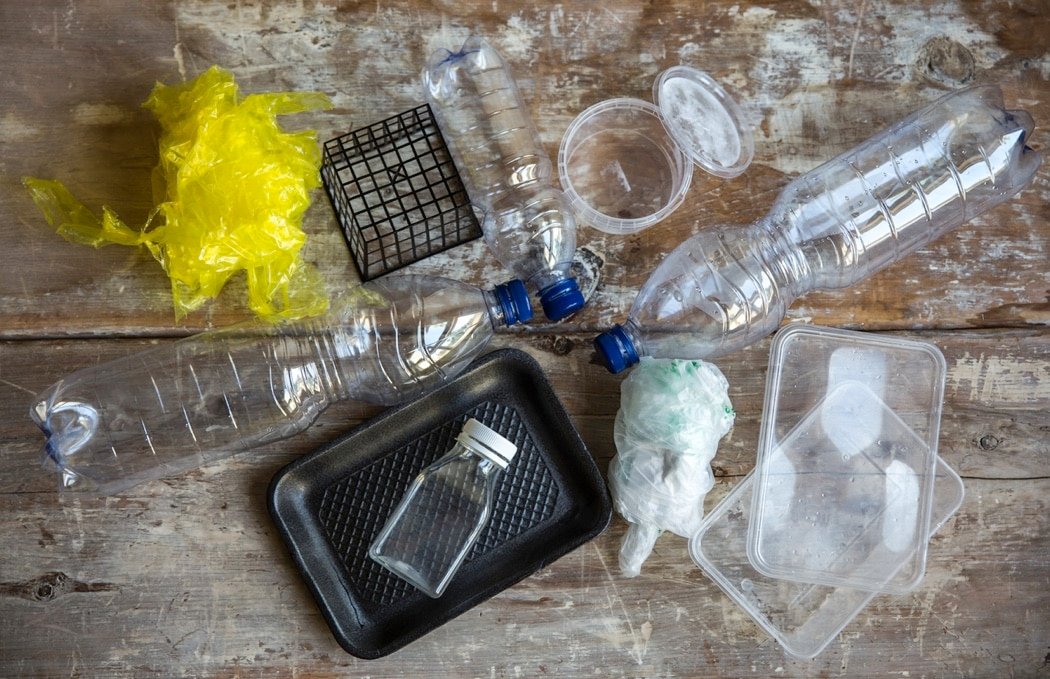
These are not chemicals restricted to industrial workplaces. They can be encountered through food packaging, plastics, personal care products, household dust, air pollution, smoke and other parts of everyday life.
The report was widely circulated. The researchers found 110 of the 113 chemicals in at least one sample. The average participant detected 45 different chemicals or metabolites, while one sample contained 64.
Exposure to chemicals during pregnancy is not uncommon and cannot be explained simply by individual purchases or lifestyle choices.
The researchers compared chemical levels with two birth outcomes: how long the pregnancy lasted and whether the baby’s weight was appropriate for the number of weeks pregnant.
The clearest concerns related to phthalates, replacement plasticizers, and PAHs.
Phthalates are used to soften plastics and can also appear in personal care products and other manufactured materials. Several biomarkers of phthalates and alternative plasticizers were associated with slightly shorter pregnancies.
All eight chemical measures associated with younger gestational age in the primary analysis were related to phthalates or their replacements.
Higher levels of metabolites linked to diisonine phthalate, or DiNP, were associated with delivery about 0.6 days earlier on average and a 16 percent higher chance of preterm delivery. Phthalic acid detection was associated with delivery about a day earlier and a 48 percent higher chance of preterm delivery.
A difference of less than a day may not sound significant for a pregnancy. Most of the babies in the study were born at term, with an average gestational age of 39 weeks. But researchers are interested in what happens in whole populations. When millions of pregnancies share similar exposures, even a small average shift could contribute to more babies being born prematurely.
The findings support earlier research we covered that estimated exposure to phthalates may be linked to more preterm births worldwide than previously recognized.
This previous study used international birth data and existing exposure estimates to calculate the potential global impact of two phthalates, DEHP and DiNP. The new ECHO study took a different approach by directly measuring chemical biomarkers in thousands of individual pregnancies.
Together, the studies reinforce concerns that chemicals associated with plastic may play a role in premature birth, although neither proves that a specific exposure directly caused an individual baby to come early.
The researchers also found associations with fetal development.
Higher combined exposure to phthalates and alternative plasticizers was associated with slightly lower birth weight after accounting for gestational age. Several PAH biomarkers were also associated with babies being smaller than expected for the stage of pregnancy.
PAHs are produced when fuels, smoke, food and other materials are burned. Exposure can come from traffic pollution, smoke and certain cooking processes.
One measure of PAH was associated with a 13 percent higher chance of having a small-for-gestational-age baby. Some phenols, benzophenone-8 and bisphenol F were also associated with lower adjusted birth weight scores.
These results describe patterns in a large group. They do not mean that a pregnant woman with a higher chemical reading will have an early or smaller baby.
Preterm birth and restricted fetal growth can have many causes, including placental problems, infections, maternal health conditions, smoking, stress, genetics, and unequal access to care. Environmental chemicals can be one part of a much bigger picture.
The study also had important limitations. The researchers collected only one urine sample during pregnancy. Many chemicals leave the body quickly, so a single test may not reflect exposure over the entire nine months.
The study was observational, meaning it found associations but could not prove cause and effect. The researchers adjusted for factors such as maternal age, education, body mass index, smoking and previous births, but other influences may still have affected the results.
The team also tested several chemicals simultaneously. After applying a more stringent statistical method to account for the large number of comparisons, none of the individual associations remained statistically significant. That doesn’t make the larger scheme meaningless, especially since the phthalate findings are consistent with earlier research, but it does mean the results should be interpreted cautiously.
Some chemical markers were unexpectedly associated with slightly longer pregnancies or lower odds of preterm birth. The researchers cautioned that these findings could reflect chance, complex exposure patterns, or other differences among participants.
The study also revealed a problem with chemical substitutions.
Levels of several older chemicals declined over the years covered by the survey, but some replacements — including newer plasticizers and bisphenol S — became more common.
Removing a relevant chemical does not automatically make a product safer. A replacement may have a similar structure or biological effect, but be put into widespread use before its long-term health effect is fully understood.
For parents, this makes it difficult to navigate the labels. A product may say “BPA-free” without explaining what replaced the BPA. Ingredients may not be clearly disclosed and exposure may occur through packaging, processing, air and dust.
Families can take reasonable steps to reduce unnecessary exposure. Avoid heating food in plastic when possible, use glass or stainless steel containers, choose unscented personal care products and reduce exposure to secondhand smoke and indoor air pollution.
But pregnant women shouldn’t be expected to eliminate dozens of chemicals through careful shopping alone.
The biggest responsibility lies with manufacturers and regulators. Chemicals should be studied for effects on pregnancy and development before they are widely used, and replacement ingredients should be subject to the same scrutiny as the products they replace.
This study does not show that a plastic container, cosmetic or household product will harm a baby. It shows that pregnant women are exposed to complex chemical mixtures and that some exposures may be associated with slightly earlier labor or reduced fetal growth.
The message is not that parents have failed to avoid enough chemicals. It’s that safer products, cleaner air and stronger chemical oversight are part of protecting a healthy pregnancy.
