

Close Menu
Healthtost
  • News
  • Mental Health
  • Men’s Health
  • Women’s Health
  • Skin Care
  • Sexual Health
  • Pregnancy
  • Nutrition
  • Fitness
  • Recommended Essentials
What's Hot

Do Cranberries and Pumpkin Seeds Help an Enlarged Prostate?

July 16, 2026

Getting stronger is corrective – Tony Gentilcore

July 16, 2026

Targeting redox metabolism by CMPK2 intervention to mitigate hepatic ischemia-reperfusion injury

July 16, 2026
Facebook X (Twitter) Instagram
  • About Us
  • Contact Us
  • Privacy Policy
  • Terms and Conditions
  • Disclaimer
Facebook X (Twitter) Instagram
Healthtost
SUBSCRIBE
  • News

    Targeting redox metabolism by CMPK2 intervention to mitigate hepatic ischemia-reperfusion injury

    July 16, 2026

    Scientists develop ultra-thin skin sensors for seamless health monitoring

    July 15, 2026

    Global childhood immunization rates stagnate despite slight recovery from pandemic

    July 15, 2026

    Weight loss and anti-inflammatory drugs combine to fight leukemia

    July 14, 2026

    Unreliable datasets shape clinical prediction models

    July 14, 2026
  • Mental Health

    Is it okay to be imperfect and still be happy? 6 Challenges

    July 15, 2026

    How can you be tired but wired? Blame it on your stone age brain

    July 12, 2026

    Almost 20% of new mums have anxiety or depression, but a promising psychedelic treatment is on the horizon

    July 7, 2026

    How can ART help us improve our mental health? With 3 Ways

    July 5, 2026

    How much do friends affect the mental health of teenagers? What a new study can (and can’t) tell us

    July 3, 2026
  • Men’s Health

    GLP-1 receptor activation is associated with lower odds of depression and bipolar disorder

    July 16, 2026

    The cost of neurophobia in Canadian medical education

    July 16, 2026

    I did red light therapy for 3 months so I shouldn’t have

    July 15, 2026

    Sexual evolution: What 500 million years of life tell us about sex, gender and mating

    July 15, 2026

    Low testosterone or just stress? How to tell the difference

    July 11, 2026
  • Women’s Health

    Exclusive Interview with Valentina Bìssoli: Italian Fashion Model on Beauty, Confidence and Self-Love

    July 16, 2026

    I tried Smitten, the AI ​​Erotic Story Generator

    July 16, 2026

    Is pelvic floor dysfunction inevitable for older women?

    July 15, 2026

    I tried to hide my hemiparesis

    July 15, 2026

    Kyoto recap, bamboo forest and monkey park

    July 13, 2026
  • Skin Care

    Your First Men’s Facial: What to Expect at Joanna Vargas

    July 16, 2026

    Summer skin care tips for sensitive skin – why your skin suddenly breaks out

    July 15, 2026

    How to use nature’s retinol: Bakuchiol in your beauty routine

    July 13, 2026

    How our natural hair care achieves salon-level results without silicones

    July 11, 2026

    Coconut Allergy and Skin Care: 20 Questions Finally Answered by a Pharmacist

    July 11, 2026
  • Sexual Health

    How to Become a Sex Therapist — Sexual Health Alliance

    July 16, 2026

    Celebrating 30 years of Sex Sense

    July 15, 2026

    STDs in older adults are on the rise—up to seven times higher than in 2012

    July 13, 2026

    Fildena 150 Benefits | Effective ED & Sexual Performance Treatment

    July 11, 2026

    Painful sex after menopause: When is it time to seek treatment?

    July 11, 2026
  • Pregnancy

    Exercise Wall Angels During Pregnancy: A Step-by-Step Guide

    July 15, 2026

    Breech VBAC (Vaginal Birth after Caesarean Section) Birth Story

    July 13, 2026

    How baby showers have changed throughout history

    July 13, 2026

    Calf Raises During Pregnancy: Step-by-Step Guide and Benefits

    July 8, 2026

    Tri-Tri Triplet Pregnancy with Vaginal Birth Story – The Birth Hour Triplet Pregnancy and Vaginal Birth Story with Ashlie Holladay

    July 7, 2026
  • Nutrition

    Do Cranberries and Pumpkin Seeds Help an Enlarged Prostate?

    July 16, 2026

    Eat well, feel great with a better barbeque plate

    July 16, 2026

    Chocolate Cherry Chia Pudding: Easy Vegan Recovery Snack

    July 14, 2026

    The Cholesterol Question: A Breakthrough Victory for Keto and Cognitive Health

    July 14, 2026

    15 No-Cook Dinners for Kids (Because It’s Too Hot to Turn on the Oven)

    July 12, 2026
  • Fitness

    Getting stronger is corrective – Tony Gentilcore

    July 16, 2026

    7 Uplifting Emotional Benefits of Cooking

    July 16, 2026

    5 Common Pilates Mistakes That Could Be Holding Back Your Results

    July 15, 2026

    How to Choose a Fitness Certification on a Budget

    July 14, 2026

    Meet the Belle Vitale™ Supplement System: Two Formulas. A comprehensive approach to hormone health.

    July 11, 2026
  • Recommended Essentials
Healthtost
Home»Men's Health»Why Kenya, Ethiopia, Japan and the US stand out in global distance running
Men's Health

Why Kenya, Ethiopia, Japan and the US stand out in global distance running

healthtostBy healthtostMay 26, 2026No Comments6 Mins Read
Facebook Twitter Pinterest LinkedIn Tumblr Reddit WhatsApp Email
Why Kenya, Ethiopia, Japan And The Us Stand Out In
Share
Facebook Twitter LinkedIn Pinterest WhatsApp Email

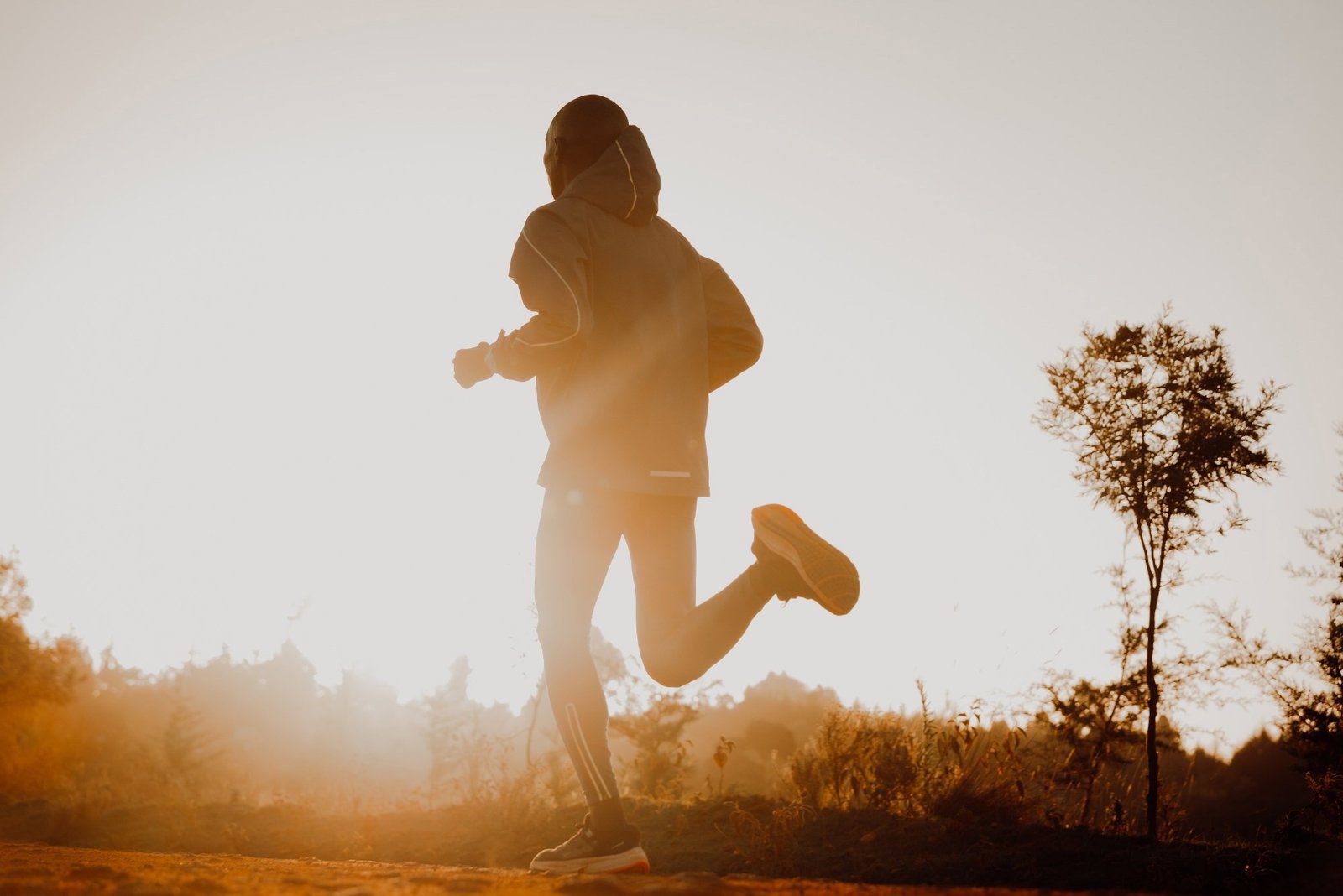
An analysis of world race records reveals how gender, age, ethnicity and distance combine to shape endurance running, from the 5km sprint to marathon dominance.

Study: The association between ethnicity, sex, age and running performance in endurance runners: an empirical analysis of global multi-distance race data from 1999 to 2024. Image credit: kovop / Shutterstock

In a recent study published in the journal Scientific Reportsa team of researchers examined how ethnicity, gender and age are associated with running performance in 5km, 10km, half marathon and marathon events around the world from 1999 to 2024.

Background

Why do Kenyan and Ethiopian runners dominate marathons, while there is plenty of participation from Japan or the United States? Millions of people enjoy endurance running and their performance depends on factors such as age, gender, training culture and geographic location.

A review of the existing literature reveals age-related differences in peak athletic performance and suggests that East African runners outperform other competitors in distance events in ways that may reflect unique physiological, environmental, and cultural advantages. However, limited research has compared these patterns across multiple race distances simultaneously. More studies are therefore needed to better understand how demographic factors interact in endurance events.

About the study

The researchers analyzed publicly available data from official records maintained by World Athletics (formerly the International Association of Athletics Federations) and the Road Racing Statistics Association.

The data set consisted of eligible records reported for the time period 1999–2024 for 5 km, 10 km, half marathon and marathon races, with 5 km data supplemented by ARRS because track and field world records were only available from 2018 to 2024.

After filtering and removing missing data, a final data set of 152,943 runner records was created, including runners from 203 countries, regions or representative groups, with 91,182 men and 61,761 women.

Performance cut-off points were established in order to maintain consistency when comparing across races. Runners who did not finish, were disqualified from the finish, did not start or had incomplete records were excluded from the analysis. The neutral groups (the refugee group and the neutral athlete group) were also removed to avoid statistical bias.

The researchers conducted mixed-effects modeling and multiple linear regression analyzes of the relationships between ethnicity, age, gender, and an athlete’s running performance. A three-way analysis of variance (ANOVA) was used to examine the interaction between ethnicity and gender on running performance, while adjusting for year of competition.

The researchers used t tests to compare men and women and Pearson correlation coefficients to assess relationships between age and race outcomes. Statistical significance was set at a probability value below 0.05. As this was an observational analysis of public racing records, the findings identify correlations rather than causal effects.

The ratio of nationalities of runners by race distance and gender. Countries with less than 1% are included in “Others”.

Study results

The results showed a consistent difference between gender, ethnicity, age and distance race experience in endurance running performance. In all four race categories, men consistently outperformed women.

Average running speed across all events was faster for men than for women. only the 5 km distance had an average combined speed of more than 20 km/h. Male runners were significantly faster than female runners at all distance levels. However, this performance gap became particularly pronounced at half-marathon and marathon distances.

Participation patterns also varied by country and distance. In the 5km event, runners from the United States and Japan formed the largest groups of participants, followed by Kenya, France and Australia. In the 10km race, France and Kenya contributed many participants, while Japan and Kenya were prominent in the half marathon and marathon.

Kenyan and Ethiopian runners consistently rank among the top performers in all endurance events, confirming East Africa’s continued influence on distance running.

Bahraini athletes also demonstrated excellent average race times in various events, although findings based on nationality should be interpreted cautiously as some countries may include naturalized athletes.

Age standards changed as race distances increased. In the 5km race, men and women had a similar average age, around 25 years. However, women were progressively longer than men in the 10km, half marathon and marathon races. In the study, marathon runners were the largest group, mostly aged 25-35. It was also observed that younger athletes were more common in shorter races, while older runners were more common in longer endurance races.

Running performance differed significantly by ethnicity. Runners from East Africa, particularly Kenya, Ethiopia, Uganda, and Eritrea, consistently recorded strong performances, especially in longer distance races, which may reflect altitude adaptation, strong running culture, genetics, and long-standing training systems. In contrast, Japan’s success was linked to organized corporate operating groups and the country’s deep-rooted ‘Ekiden’ relay culture.

There were significant declines in race participation across all distances between 2020 and 2022 due to the COVID-19 pandemic, which resulted in the cancellation of races and the implementation of public health restrictions in all countries. However, participation subsequently showed a recovery, particularly in longer distance races.

The study found strong links between age and race performance in half marathons and marathons (especially among women). There were weak associations between age and race performance in shorter events such as 5 km. Interestingly, female runners in the 5 km event showed a negative relationship between age and race time, suggesting that slightly older women in smaller age groups often achieved faster times.

conclusions

The study shows that endurance running performance is shaped by a complex interplay of ethnicity, gender, age and race distance. East African athletes, particularly from Kenya and Ethiopia, remained particularly prominent in long-distance events, while Japan and the United States contributed large numbers of participants in all events. Men consistently achieved faster race times, while women competing in longer events were generally older.

The study data show that performance patterns differed by race distance and demographic background. These results are important for athletes, coaches and sports organizations as they can be used to help develop training programs, identify talent and understand the evolving global endurance running culture.

Journal Reference:

  • Liao, G., & Wang, J. (2026). The association between ethnicity, sex, age and running performance in endurance runners: An empirical analysis of global multi-distance race data from 1999 to 2024. Scientific Reports. DOI: 10.1038/s41598-026-46032-9,
distance Ethiopia global Japan Kenya Running Stand
bhanuprakash.cg
healthtost
  • Website

Related Posts

GLP-1 receptor activation is associated with lower odds of depression and bipolar disorder

July 16, 2026

The cost of neurophobia in Canadian medical education

July 16, 2026

I did red light therapy for 3 months so I shouldn’t have

July 15, 2026

Leave A Reply Cancel Reply

Don't Miss
Nutrition

Do Cranberries and Pumpkin Seeds Help an Enlarged Prostate?

By healthtostJuly 16, 20260

Cranberries and pumpkin seeds are tested for benign prostatic hypertrophy. More than 50% of men…

Getting stronger is corrective – Tony Gentilcore

July 16, 2026

Targeting redox metabolism by CMPK2 intervention to mitigate hepatic ischemia-reperfusion injury

July 16, 2026

GLP-1 receptor activation is associated with lower odds of depression and bipolar disorder

July 16, 2026
Stay In Touch
  • Facebook
  • Twitter
  • Pinterest
  • Instagram
  • YouTube
  • Vimeo
TAGS
Baby benefits body brain cancer care Day Diet disease exercise finds Fitness food Guide health healthy heart Improve Life Loss Men mental Natural Nutrition Patients People Pregnancy research reveals risk routine sex sexual Skin Skincare study Therapy Tips Top Training Treatment ways weight women Workout
About Us
About Us

Welcome to HealthTost, your trusted source for breaking health news, expert insights, and wellness inspiration. At HealthTost, we are committed to delivering accurate, timely, and empowering information to help you make informed decisions about your health and well-being.

Latest Articles

Do Cranberries and Pumpkin Seeds Help an Enlarged Prostate?

July 16, 2026

Getting stronger is corrective – Tony Gentilcore

July 16, 2026

Targeting redox metabolism by CMPK2 intervention to mitigate hepatic ischemia-reperfusion injury

July 16, 2026
New Comments
    Facebook X (Twitter) Instagram Pinterest
    • About Us
    • Contact Us
    • Privacy Policy
    • Terms and Conditions
    • Disclaimer
    © 2026 HealthTost. All Rights Reserved.

    Type above and press Enter to search. Press Esc to cancel.