Is it time to break up with sugar?
If you asked your skin, it would probably say yes!
Your sweetheart may have a different opinion.
Either way, in time for Valentine’s Day, we have a suggestion: How about skipping the chocolate and treating your loved one to a clear skin treatment from CV Skinlabs?
He or she would probably enjoy it more as skin care provides more lasting benefits than chocolate.
Plus, let’s face it: excess sugar isn’t good for your health or your skin. Here’s why.
Americans consume too much sugar
A little sugar here and there isn’t going to hurt you. But on average, Americans eat a lot.
An average of 17 teaspoons of “added sugar” a day, to be exact, according to the American Heart Association (Aha). (Added sugar is added to foods as opposed to being naturally part of foods like fruit.)
This is more than 2-3 times the recommended amount for men and women, respectively. The AHA recommends limiting added sugars to no more than 6 percent of calories each day. For most American women, that’s no more than 100 calories a day, or about 6 teaspoons of sugar. For men, it’s 150 calories a day, or about 9 teaspoons.
You can find “added sugars” on the nutrition label. It’s a separate list from “total sugar,” which includes both natural sugars in foods (such as natural sugar in milk) and any sugar added by the manufacturer after the fact.
Where does all that sugar come from? You might be surprised. Yes, it’s in sugary sodas, cookies, cakes, and candies, but it’s also in unexpected items like yogurt, soup, bread, cereal, and condiments.
When you start reading labels, you realize how pervasive sugar is in our daily diet. Trimming takes a little effort, but it’s possible.
Worth?
Why you should break up with sugar
Sugar is not good for your overall health for several reasons.
First, it’s “energy dense,” meaning it can easily cause weight gain. Most high-sugar foods like sodas, juices, and treats lack other nutrients like protein and fiber, so they don’t curb your hunger as well as healthier foods. This makes it very easy to consume a lot of calories.
Second, a diet high in sugar has been linked to some of today’s most dangerous diseases, including heart disease and type 2 diabetes. Some studies even suggest that a diet high in sugary foods can increase the risk of certain types of cancer .
In a study reviewresearchers found that in two of five studies of added sugars, a 60-95 percent increased risk of cancer was seen with higher intakes.
It’s not just that. A diet high in sugar can also increase the risk of depression and fatty liver disease.
And if you want to stay as young as possible, you should cut back on sugar, because a high-sugar diet can speed up the skin’s aging process.
Ditch the sugar for your skin’s sake
Research has shown that sugars create changes in the skin that make us look older.
1. Sugar creates glycation, which leads to wrinkles
Wrinkles are inevitable as we age, but if we eat a lot of sugar, we’re likely to get them earlier in life.
This is because sugar molecules in the bloodstream can attach to proteins such as collagen and elastin, which are the main building blocks of youthful, smooth skin. Once attached to these proteins, they can interact with other proteins to form what we call “advanced glycation end products (AGEs).”
These AGEs continue to cause the protein fibers to become stiff and misshapen. They can no longer perform their normal functions as they should, nor can they be properly repaired. This means they can no longer support the skin’s structure.
The result? Increased wrinkles, loss of elasticity, thinner skin and dryness—all hallmarks of aging skin. A 2015 study he referred to it as “sugar poop.” In one previous studythe scientists said that the process of producing AGEs is accelerated in all tissues of the body when sugar is elevated, affecting not only the skin, but the blood vessels, kidneys, eyes and heart.
2. Sugar can cause breakouts
If you have acne-prone skin, you have another reason to cut back on sugar, but not just the type of sugar you find in candy and cookies.
Studies have found a correlation between diets with a high glycemic load and an increase in acne. Food high in Glycemic Index they break down more quickly into glucose (a form of sugar), raising blood sugar levels.
With more glucose in the bloodstream, there is a greater opportunity for that glucose to combine with proteins and create AGEs. People with without diabetes treatment— blood sugar levels that are too high — often have complications caused by glycosylation such as neuropathy (nerve damage) and retinopathy (eye damage).
A high-glycemic diet can also cause inflammation throughout the body, and inflammation is one of the key factors required for acne to develop.
In a review 2022 From 34 studies, researchers found that increased daily glycemic load intake was positively associated with acne and acne severity. Other studies have shown similar results—that eating more high-glycemic or sugary products was associated with acne breakouts.
3. Sugar can increase inflammation
As mentioned above, a diet high in sugar or high glycemic load can increase inflammation in the body, and that’s bad for your skin in two ways.
First, it can increase the risk of acne. Second, it can trigger an inflammatory response that worsens skin conditions like psoriasis and eczema.
Systemic inflammation can also make your skin more sensitive and reactive, so you experience redness and rashes more often.
Signs that you should break up with sugar
How do you know if you are consuming too much sugar?
Start reading labels and tracking how many grams you eat each day. Then check your skin for these signs of sugar damage:
- Relaxing
- Increased appearance of fine lines and wrinkles
- Formation of deep wrinkles that look like cracks
- Dryness
- Dullness
- Discoloration and hyperpigmentation
- Increased acne breakouts
- Slower healing of cuts, scrapes, etc.
And don’t think you’re too young to start seeing these effects. According to a study published in British Journal of Dermatologyglycosylation usually occurs after age 35 and then “rapidly increases with intrinsic aging.”
How to cut back on sugar
So, you are convinced – it’s time to part with sugar, or at least reduce. Here are some tips to help you do this:
Change the way you think about it: We usually associate sweet treats with pleasure and fun. Try to reframe your mindset so that you see sugar as a destructive force for your skin and health.
Read the labels: Be more conscientious when buying soups, breads, yogurts and condiments. Check the label and choose those with less or no sugar. For reference, 4 grams of sugar equals one teaspoon.
Avoid sugar substitutes: You might think all you have to do is opt for artificial sweeteners to solve your sugar woes, but research shows these ingredients can be just as, if not worse, harmful to our health. Instead, focus on changing your taste buds to prefer less sweets.
Rethink breakfast: If you can start your day with less sugar, you’ll set yourself up to eat less throughout the rest of the day. Avoid refined sugary cereals and choose healthier options such as oatmeal, eggs, plain yogurt, fruit and whole grain toast.
Avoid all sugary drinks: These are one of the biggest factors in a high sugar diet. Get into the habit of avoiding them altogether. Instead, choose water, sparkling water, teas, infused waters and coffee.
Dessert redesign: Try some low-sugar options for dessert. Try mixed berries topped with cinnamon and/or real cream, apples dipped in peanut butter, decaffeinated cappuccino, plain yogurt with fruit and nuts, and dark chocolate.
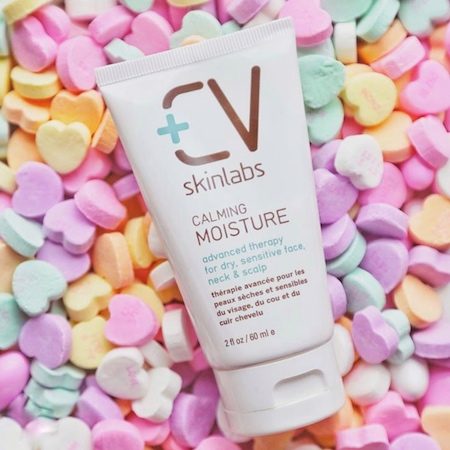
Invest in quality skin care: While skincare can’t compete with a high-sugar diet, it can help you recover from one. While you’re working on the cut, try CV Skinlabs skin care products that help improve wound healing, reduce inflammation, and boost collagen and elastin production.
Have you tried cutting back on sugar?
Featured image courtesy of Pavel Danilyuk via Pexels.