

Close Menu
Healthtost
  • News
  • Mental Health
  • Men’s Health
  • Women’s Health
  • Skin Care
  • Sexual Health
  • Pregnancy
  • Nutrition
  • Fitness
  • Recommended Essentials
What's Hot

Daily exposure to chemicals during pregnancy may be linked to older, smaller babies

June 22, 2026

What is body liberation? Moving beyond mainstream body positivity

June 22, 2026

Strong Men, Healthy Men: The Truth About Energy, Testosterone, Strength, and Longevity

June 21, 2026
Facebook X (Twitter) Instagram
  • About Us
  • Contact Us
  • Privacy Policy
  • Terms and Conditions
  • Disclaimer
Facebook X (Twitter) Instagram
Healthtost
SUBSCRIBE
  • News

    Prolonged use of Instagram can change the way the brain perceives our body

    June 21, 2026

    NYU Langone Performs World’s First HIV-to-HIV Lung Transplant

    June 21, 2026

    Zebrafish study links altered neuronal genes to states of hyperarousal

    June 20, 2026

    Scientists find mechanism behind bird flu in dairy cattle

    June 20, 2026

    Scientists have developed a wearable robotic system to restore hand function

    June 19, 2026
  • Mental Health

    five tips from influential thinkers to calm your nerves

    June 19, 2026

    10 Ways to Find Your Purpose as a Married Woman

    June 17, 2026

    Performing under pressure? For athletes it depends on 3 main things

    June 14, 2026

    GLP-1 drugs like Ozempic promise more than just weight loss. But what is science versus hype?

    June 10, 2026

    Expectations of Indian Daughters: 10 Weird

    June 8, 2026
  • Men’s Health

    Higher BMI increases risk of 19 cancers as global review widens obesity-cancer link

    June 17, 2026

    Lane 1 of the track

    June 16, 2026

    What do I eat in a day?

    June 16, 2026

    Looking for love in all the right places: Healing the wounds that undermine our relationships

    June 15, 2026

    Fathers shape childhood obesity risk long before birth

    June 10, 2026
  • Women’s Health

    Causes, Treatment and Treatment Tips – Vuvatech

    June 21, 2026

    Lara Kerner on music, fitness and life without limits

    June 19, 2026

    Jamie-Lynn Sigler says parenting through MS takes a ‘tough village’

    June 19, 2026

    How to Monitor Core Body Temperature (Step by Step)

    June 18, 2026

    Soprano star Jamie-Lynn Sigler talks about multiple sclerosis

    June 18, 2026
  • Skin Care

    DIY Castor Oil Eye Serum Roll On

    June 19, 2026

    What is my skin type and why it matters

    June 18, 2026

    Ingredient Spotlight: Betaine – Woohoo Body

    June 17, 2026

    The best waterproof eyeliner for sensitive eyes and allergies

    June 16, 2026

    What is shea butter? Benefits & Uses

    June 16, 2026
  • Sexual Health

    Menopause and sexual health | American Association for Sexual Health

    June 20, 2026

    Hormone therapy: Testosterone and its use in sexual health

    June 20, 2026

    4 Reasons to Do Pelvic Floor Exercises (and How!)

    June 19, 2026

    Fildena 120 How It Works

    June 18, 2026

    Abortion bans, restrictions could cost US economy $140 billion: New report

    June 17, 2026
  • Pregnancy

    Daily exposure to chemicals during pregnancy may be linked to older, smaller babies

    June 22, 2026

    What to consider when choosing a stem cell bank in India

    June 21, 2026

    Should women over 30 take creatine? – Pink stork

    June 20, 2026

    Hidradenitis suppurativa: When HS joins the journey of pregnancy

    June 20, 2026

    Growing up with a fitness icon for a mom prepared Katie Austin for just about anything. Pregnancy was a different story.

    June 19, 2026
  • Nutrition

    What is body liberation? Moving beyond mainstream body positivity

    June 22, 2026

    Strong Men, Healthy Men: The Truth About Energy, Testosterone, Strength, and Longevity

    June 21, 2026

    Heart-healthy hot sauce: Fire up the flavor, watch the salt

    June 21, 2026

    20 High-Protein Snacks for Busy Moms (Prep and Go)

    June 19, 2026

    Fluffy Cottage Cheese Chocolate Cookies for Kids

    June 18, 2026
  • Fitness

    Some Postpartum Thoughts – Tony Gentilcore

    June 21, 2026

    The best sleep routine for men over 50 who want more energy

    June 20, 2026

    Is it a good source?

    June 20, 2026

    How to Stay Active and Get Your 10,000 Daily Steps in Auto-centric Houston

    June 18, 2026

    ‘Squatter Hunter’ Flash Shelton Reveals The Scaling Tactics That Help Him Reclaim Homes Safely

    June 16, 2026
  • Recommended Essentials
Healthtost
Home»News»Women show greater increase in antidepressant use after breakup than men, study finds
News

Women show greater increase in antidepressant use after breakup than men, study finds

healthtostBy healthtostFebruary 9, 2024No Comments6 Mins Read
Facebook Twitter Pinterest LinkedIn Tumblr Reddit WhatsApp Email
Women Show Greater Increase In Antidepressant Use After Breakup Than
Share
Facebook Twitter LinkedIn Pinterest WhatsApp Email

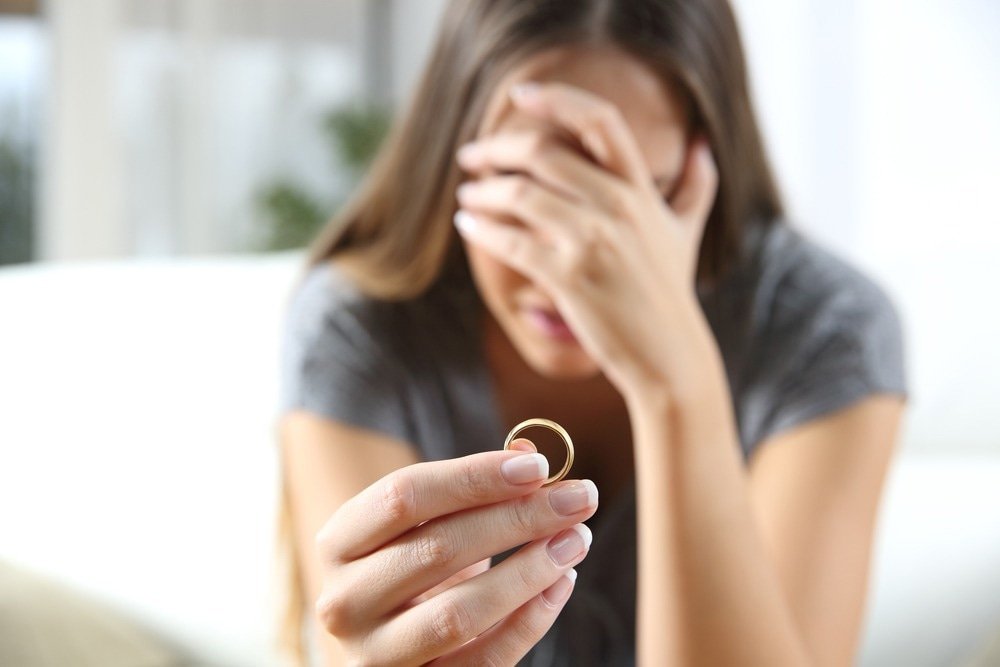
While both divorce and remarriage in later life are becoming more common, there is insufficient research on their effects on mental health. A new study in Journal of Epidemiology and Community Health investigated patterns of antidepressant use among Finnish adults aged 50–70 years experiencing divorce, separation, or bereavement, alongside trends in pre- and post-cohabitation use.

Study: Trajectories of antidepressant use before and after union dissolution and reunification in later life: a population-based prospective cohort study. Image credit: Antonio Guillem/Shutterstock.com

Record

Unlike previous generations, older people today are more likely to divorce and remarry or take on new partners. However, such relationships typically do not last as long as conjugal unions and repeated intercourse are common in this subgroup.

About 10-15% of people over the age of 55 have symptoms of clinical depression. Correlates of poor mental health have been identified, including divorce, nonmarital separation, and death of a partner, but much research has not addressed these factors in this population.

Existing studies show that older adults show increased signs of depression, clinical or otherwise, after a divorce. However, an American study showed that depressive symptoms started before divorce, peaked with divorce and slowly declined to pre-divorce levels over the next four years.

Other research shows similar trends, although recovery in one UK study appeared to be significantly faster than in several US studies. However, all of these did not separately examine depression and antidepressant use among couples who separated during cohabitation. The effect of new relationships is also unclear, although some research in the US suggests that depression symptoms are reduced by forming new partnerships, especially among men.

The study is based on Finnish population register data from 1996 to 2018. It included nearly 230,000 people aged between 50 and 70 in the years 2000-2014. The focus was on antidepressant use over a period spanning four years before to four years after the end of any relationship, including death and subsequent formation of a new relationship.

What did the study show?

Of the large group, about a third each bereaved, divorced or divorced between the ages of 50 and 70. Separations were likely to occur at earlier ages compared to bereavement, leading to differences in socioeconomic characteristics between these categories.

That is, divorced people were more often employed, had more income, and lived with children compared to bereaved people. The latter were more likely to own their homes.

After bereavement, less than 8% formed new relationships, compared to one in five after divorce. In contrast, almost half of those who left their partners found new partners. Men were more likely to find new partners after bereavement or losing their partners, a difference that was not as pronounced among divorcees. A higher income was associated with a higher rate of finding new partners.

Both men and women had similar average ages at the point of dissolution of marriage or formation of new relationships.

After adjusting for potential confounders, the scientists found that both men and women used antidepressants significantly more during the four years leading up to and following relationship breaks.

When calculated as percentage points, the increase in divorce was five for men versus seven for women. With extramarital relationships it was smaller, by three and four, respectively. Men who lost their partner increased their use of antidepressants by five and women by six percentage points.

People were more likely to increase their use of antidepressants shortly before the end of the relationship, with a slow decline after that. The final extent of use was, however, at a consistently higher level compared to that before the event.

Even after new relationships were established, antidepressant use failed to return to baseline, with the 0.1–1.5 percentage point drop being temporary. Women showed a greater increase in antidepressant use than men and showed extremely transient partial recovery after finding new partners.

While men showed a modest increase in use during the four years preceding separation from a live-in partner, this declined to the level recorded one year before the event and leveled off. Women showed larger increases but almost no recovery after such a breakup, and usage rates began to rise at a slower rate from the first year onward.

After partner separation, antidepressant use decreased slightly over the four years prior to repartnering for both sexes. It started to rise again a year after reconnection for men, but at 6 months for women.

Among bereaved couples, antidepressant use began to increase in the four years leading up to the event, but particularly rapidly among women. Men and women experienced a sharp increase in antidepressant use three months after losing their partner compared to 3 months before. A slight decrease in usage occurred later, but it never returned to the original value.

After finding new partners after the bereavement, both sexes showed a decline in antidepressant use during the six months before to the 6 months after that event. For women, this continued to increase thereafter.

With divorce, men and women began using more antidepressants in the four years before, with a peak in the previous six months. A divorce-related decline followed, although usage rates remained higher than before the divorce. With repartnering, the trend continued to increase during the eight years before and after, with a break in the year just before repartnering for women. For men, this break lasted a year before and after repartnering (the “honeymoon effect”).

What are the consequences;

Both men and women suffered equal rates of depression, as reflected in the use of antidepressants after bereavement in later life. However, when separated from live-in partners, women showed twice as many increases in antidepressant use as men.

The authors suggest that the loss of a life partner can trigger a cascade of detrimental effects, including loss of income and social support that accumulate over time, and this appears particularly important for women who experience separation from their live-in partners in relationship with men. same situation.

“The biggest increases in [antidepressant] The use associated with union dissolution among women in our study may indeed be related to the fact that the mental health costs of union dissolution fall more heavily on women than on men.”

More research is needed to understand why forming new partnerships is helpful in reducing antidepressant use only among bereaved and separated couples but not divorced ones.

antidepressant Breakup finds greater increase Men show study women
bhanuprakash.cg
healthtost
  • Website

Related Posts

Strong Men, Healthy Men: The Truth About Energy, Testosterone, Strength, and Longevity

June 21, 2026

Prolonged use of Instagram can change the way the brain perceives our body

June 21, 2026

NYU Langone Performs World’s First HIV-to-HIV Lung Transplant

June 21, 2026

Leave A Reply Cancel Reply

Don't Miss
Pregnancy

Daily exposure to chemicals during pregnancy may be linked to older, smaller babies

By healthtostJune 22, 20260

Pregnancy already comes with a long list of things to avoid, watch and worry about.…

What is body liberation? Moving beyond mainstream body positivity

June 22, 2026

Strong Men, Healthy Men: The Truth About Energy, Testosterone, Strength, and Longevity

June 21, 2026

Some Postpartum Thoughts – Tony Gentilcore

June 21, 2026
Stay In Touch
  • Facebook
  • Twitter
  • Pinterest
  • Instagram
  • YouTube
  • Vimeo
TAGS
Baby benefits body brain cancer care Day Diet disease exercise finds Fitness food Guide health healthy heart Improve Life Loss Men mental Natural Nutrition Patients Pregnancy protein research reveals risk routine sex sexual Skin Skincare study Therapy Tips Top Training Treatment ways weight women Workout
About Us
About Us

Welcome to HealthTost, your trusted source for breaking health news, expert insights, and wellness inspiration. At HealthTost, we are committed to delivering accurate, timely, and empowering information to help you make informed decisions about your health and well-being.

Latest Articles

Daily exposure to chemicals during pregnancy may be linked to older, smaller babies

June 22, 2026

What is body liberation? Moving beyond mainstream body positivity

June 22, 2026

Strong Men, Healthy Men: The Truth About Energy, Testosterone, Strength, and Longevity

June 21, 2026
New Comments
    Facebook X (Twitter) Instagram Pinterest
    • About Us
    • Contact Us
    • Privacy Policy
    • Terms and Conditions
    • Disclaimer
    © 2026 HealthTost. All Rights Reserved.

    Type above and press Enter to search. Press Esc to cancel.