

Close Menu
Healthtost
  • News
  • Mental Health
  • Men’s Health
  • Women’s Health
  • Skin Care
  • Sexual Health
  • Pregnancy
  • Nutrition
  • Fitness
  • Recommended Essentials
What's Hot

207: What Your Doctor Doesn’t Test | Thyroid, Hormones and Getting Real Answers with Ashley Cruz Arata

July 17, 2026

Babies excluded from COVID show language advantages at four years of age

July 17, 2026

I have spent the last 6 months reading hundreds of poems by young people – I was surprised to find hope, not despair

July 17, 2026
Facebook X (Twitter) Instagram
  • About Us
  • Contact Us
  • Privacy Policy
  • Terms and Conditions
  • Disclaimer
Facebook X (Twitter) Instagram
Healthtost
SUBSCRIBE
  • News

    Babies excluded from COVID show language advantages at four years of age

    July 17, 2026

    Targeting redox metabolism by CMPK2 intervention to mitigate hepatic ischemia-reperfusion injury

    July 16, 2026

    Scientists develop ultra-thin skin sensors for seamless health monitoring

    July 15, 2026

    Global childhood immunization rates stagnate despite slight recovery from pandemic

    July 15, 2026

    Weight loss and anti-inflammatory drugs combine to fight leukemia

    July 14, 2026
  • Mental Health

    I have spent the last 6 months reading hundreds of poems by young people – I was surprised to find hope, not despair

    July 17, 2026

    Is it okay to be imperfect and still be happy? 6 Challenges

    July 15, 2026

    How can you be tired but wired? Blame it on your stone age brain

    July 12, 2026

    Almost 20% of new mums have anxiety or depression, but a promising psychedelic treatment is on the horizon

    July 7, 2026

    How can ART help us improve our mental health? With 3 Ways

    July 5, 2026
  • Men’s Health

    Does the timing of the blood test affect testosterone levels?

    July 17, 2026

    GLP-1 receptor activation is associated with lower odds of depression and bipolar disorder

    July 16, 2026

    The cost of neurophobia in Canadian medical education

    July 16, 2026

    I did red light therapy for 3 months so I shouldn’t have

    July 15, 2026

    Sexual evolution: What 500 million years of life tell us about sex, gender and mating

    July 15, 2026
  • Women’s Health

    Understanding withdrawal symptoms from common substances

    July 17, 2026

    Exclusive Interview with Valentina Bìssoli: Italian Fashion Model on Beauty, Confidence and Self-Love

    July 16, 2026

    I tried Smitten, the AI ​​Erotic Story Generator

    July 16, 2026

    Is pelvic floor dysfunction inevitable for older women?

    July 15, 2026

    I tried to hide my hemiparesis

    July 15, 2026
  • Skin Care

    Your First Men’s Facial: What to Expect at Joanna Vargas

    July 16, 2026

    Summer skin care tips for sensitive skin – why your skin suddenly breaks out

    July 15, 2026

    How to use nature’s retinol: Bakuchiol in your beauty routine

    July 13, 2026

    How our natural hair care achieves salon-level results without silicones

    July 11, 2026

    Coconut Allergy and Skin Care: 20 Questions Finally Answered by a Pharmacist

    July 11, 2026
  • Sexual Health

    How to Become a Sex Therapist — Sexual Health Alliance

    July 16, 2026

    Celebrating 30 years of Sex Sense

    July 15, 2026

    STDs in older adults are on the rise—up to seven times higher than in 2012

    July 13, 2026

    Fildena 150 Benefits | Effective ED & Sexual Performance Treatment

    July 11, 2026

    Painful sex after menopause: When is it time to seek treatment?

    July 11, 2026
  • Pregnancy

    Exercise Wall Angels During Pregnancy: A Step-by-Step Guide

    July 15, 2026

    Breech VBAC (Vaginal Birth after Caesarean Section) Birth Story

    July 13, 2026

    How baby showers have changed throughout history

    July 13, 2026

    Calf Raises During Pregnancy: Step-by-Step Guide and Benefits

    July 8, 2026

    Tri-Tri Triplet Pregnancy with Vaginal Birth Story – The Birth Hour Triplet Pregnancy and Vaginal Birth Story with Ashlie Holladay

    July 7, 2026
  • Nutrition

    Do Cranberries and Pumpkin Seeds Help an Enlarged Prostate?

    July 16, 2026

    Eat well, feel great with a better barbeque plate

    July 16, 2026

    Chocolate Cherry Chia Pudding: Easy Vegan Recovery Snack

    July 14, 2026

    The Cholesterol Question: A Breakthrough Victory for Keto and Cognitive Health

    July 14, 2026

    15 No-Cook Dinners for Kids (Because It’s Too Hot to Turn on the Oven)

    July 12, 2026
  • Fitness

    207: What Your Doctor Doesn’t Test | Thyroid, Hormones and Getting Real Answers with Ashley Cruz Arata

    July 17, 2026

    Getting stronger is corrective – Tony Gentilcore

    July 16, 2026

    7 Uplifting Emotional Benefits of Cooking

    July 16, 2026

    5 Common Pilates Mistakes That Could Be Holding Back Your Results

    July 15, 2026

    How to Choose a Fitness Certification on a Budget

    July 14, 2026
  • Recommended Essentials
Healthtost
Home»Skin Care»Why do I have such overly sensitive skin? How can I fix this?
Skin Care

Why do I have such overly sensitive skin? How can I fix this?

healthtostBy healthtostSeptember 1, 2024No Comments6 Mins Read
Facebook Twitter Pinterest LinkedIn Tumblr Reddit WhatsApp Email
Why Do I Have Such Overly Sensitive Skin? How Can
Share
Facebook Twitter LinkedIn Pinterest WhatsApp Email

Do you suffer from overly sensitive skin?

If so, you may be worried about trying a new skincare product or wondering how your skin will react to a stressful event. You may feel like your skin is on high alert all the time and suffer from a kind of chronic stress because of it.

Let’s see what causes this type of skin disorder and how you can manage it.

What is hypersensitive skin?

Hypersensitive skin (or hypersensitive skin) overreacts to stimuli that normally do not bother other people. In a 2021 study, researchers described it as follows:

“Sensitive skin or skin sensory syndrome is defined as a skin condition that is hypersensitive to stimuli, manifested by itching, irritation, erythema and dryness.”

Scientists believe that this condition can be a manifestation of a variety of other disorders, such as psoriasis and rosacea and other chronic inflammatory skin conditions, as well as other factors such as psychological stress and immune dysfunction.

Hypersensitive skin reacts to a variety of stimuli, including the following.

Environmental Factors

Changes in weather and humidity or exposure to extreme temperatures can aggravate sensitive skin. Cold weather, for example, strips moisture from your skin, which can make it more reactive. Hot, humid weather can increase sweat and oil production, leading to redness, inflammation and irritation.

Skin care products

Ingredients in skin care products—especially those made with harsh chemicals—can irritate overly sensitive skin. Problematic ingredients include fragrances, alcohols, harsh exfoliants, retinoids, sulfates, preservatives and dyes. Even some essential oils like lavender, tea tree, and peppermint can cause reactions in some people with overly sensitive skin.

Allergies

If you are allergic to pollen, foods, certain materials, perfumes and other objects, your skin may react to them with redness, swelling, hives and rashes.

Stress

There is a direct connection between the brain and the skin, creating a pathway that sends messages back and forth. Stress also releases hormones that increase inflammation and disrupt your skin’s barrier, making you more vulnerable to breakouts.

Hormonal Changes

Hormonal fluctuations – such as those you may experience during puberty, pregnancy and menopause – can affect skin sensitivity.

Diet

Certain foods and drinks, such as caffeine, alcohol or spicy foods, can cause skin reactions in some people.

Symptoms of overly sensitive skin

Symptoms of overly sensitive skin vary from person to person, but usually include:

  • Redness: Persistent redness or flushing, often caused by exposure to irritants or changes in temperature.
  • Itching: This can range from the occasional itching sensation to a more constant, severe itching.
  • Burning sensation: A burning or stinging sensation, especially after applying certain products or exposure to environmental factors.
  • Dryness: Excessive dryness or peeling, which can worsen other related symptoms.
  • Tightness: Tightness or discomfort, as if the skin is being stretched too far.

Why do I have overly sensitive skin?

As to why some people struggle with sensitive skin while others don’t, there could be many explanations.

Genetics

Susceptibility can run in families. If your parents or siblings have overly sensitive skin, you may be more likely to have it too.

Underlying conditions

Certain skin conditions such as eczema, rosacea, acne or psoriasis are associated with increased sensitivity. These conditions often lead to inflammation and a more reactive skin barrier.

Studies showfor example, that the odds of having sensitive skin are 2.5 times higher in acne patients and 3.7 times higher in psoriasis patients. Underlying immune problems can also lead to overly sensitive skin.

Medical Conditions

If you are going through an extensive illness, such as cancer, it is common for your skin to become more sensitive than it was. Medical conditions like obesity and diabetes can create the same effect.

Skin Barrier function

Sensitive skin often indicates a disrupted skin barrier. This is the outer layer that retains moisture and protects the skin from environmental aggressors. If this barrier is weak, it becomes more vulnerable to irritants.

Age

As we age, our skin loses its ability to retain moisture and repair itself as effectively. This can lead to increased sensitivity.

Lifestyle factors

Smoking, excessive alcohol consumption and a poor diet can all weaken the skin’s barrier and lead to overly sensitive skin.

restorative skin balm healing and protective skin care

Management and treatment of hypersensitive skin

You may not be able to cure your overly sensitive skin, but you can take steps to manage it and make it less likely to react. We have some tips that can help.

Simplify your skincare routine

Less is often more for sensitive skin. Stick to a basic routine of a gentle cleanser, fragrance-free moisturizer, and if needed, a mild sunscreen. Avoid using too many products or changing them too often.

We formulated our CV Skinlabs products specifically for sensitive skin. They are all fragrance free, hypoallergenic and clinically proven to help soothe inflammation, reduce redness, restore the outer barrier and promote healing. Try using the Rescue + Relief Spray as a soothing, tonic that reduces redness and itching, then follow with our Calming Moisture Lotion (for face) and Body Repair Lotion (for body) every day, twice a day.

Patch Test New products

Before applying a new product to your entire face or body, always test on a small patch of skin first. This can help you spot any potential reactions without risking a full-blown flare-up.

Choose products wisely

Look for pure beauty products that are hypoallergenic and made for sensitive skin. Helpful ingredients include aloe vera, chamomile, ceramides and glycerin. Avoid those with alcohol, synthetic fragrances and harsh exfoliants.

You can get peace of mind when you choose CV Skinlabs products. All our formulas were thoroughly researched, formulated and tested by a team of ingredient and development experts, holistic chemists, leading dermatologists and a toxicologist to ensure they worked with skin’s natural biology and helped soothe sensitive skin.

Stay hydrated

Moisture is extremely important for all skin types, but especially for sensitive skin. In addition to regularly moisturizing from the outside in, drink plenty of water to support your skin’s health from the inside out. It also helps to use a humidifier in dry climates.

Protect your skin

Use sunscreen every day to protect against UV damage, which can worsen sensitivity. Choose a broad-spectrum sunscreen with SPF 30 or higher, preferably with zinc oxide or titanium dioxide. Protect it with clothing, umbrellas and sunglasses as well.

Manage stress

Stress can aggravate sensitive skin, so try to incorporate regular stress-relieving activities into your daily routine. Good options include yoga, meditation, deep breathing exercises, journaling, and time with pets and loved ones.

You can make overly sensitive skin more comfortable

Having sensitive skin can be difficult, but understanding your causes and adopting a careful skincare routine can make all the difference. If you are struggling, don’t hesitate to consult a dermatologist.

How do you manage overly sensitive skin?

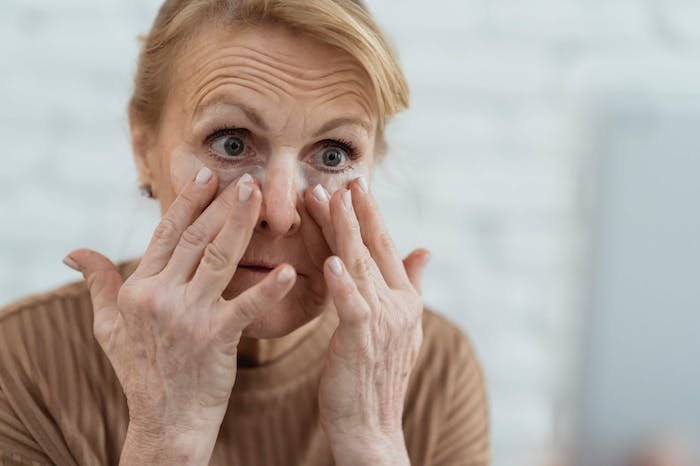
Featured image by Teona Swift via Pexels.

fix overly sensitive Skin
bhanuprakash.cg
healthtost
  • Website

Related Posts

Your First Men’s Facial: What to Expect at Joanna Vargas

July 16, 2026

Scientists develop ultra-thin skin sensors for seamless health monitoring

July 15, 2026

Summer skin care tips for sensitive skin – why your skin suddenly breaks out

July 15, 2026

Leave A Reply Cancel Reply

Don't Miss
Fitness

207: What Your Doctor Doesn’t Test | Thyroid, Hormones and Getting Real Answers with Ashley Cruz Arata

By healthtostJuly 17, 20260

Hello friends! I have a brand new podcast episode live and today we’re talking about…

Babies excluded from COVID show language advantages at four years of age

July 17, 2026

I have spent the last 6 months reading hundreds of poems by young people – I was surprised to find hope, not despair

July 17, 2026

Does the timing of the blood test affect testosterone levels?

July 17, 2026
Stay In Touch
  • Facebook
  • Twitter
  • Pinterest
  • Instagram
  • YouTube
  • Vimeo
TAGS
Baby benefits body brain cancer care Day Diet disease exercise finds Fitness food Guide health healthy heart Improve Life Loss Men mental Natural Nutrition Patients People Pregnancy research reveals risk routine sex sexual Skin Skincare study Therapy Tips Top Training Treatment ways weight women Workout
About Us
About Us

Welcome to HealthTost, your trusted source for breaking health news, expert insights, and wellness inspiration. At HealthTost, we are committed to delivering accurate, timely, and empowering information to help you make informed decisions about your health and well-being.

Latest Articles

207: What Your Doctor Doesn’t Test | Thyroid, Hormones and Getting Real Answers with Ashley Cruz Arata

July 17, 2026

Babies excluded from COVID show language advantages at four years of age

July 17, 2026

I have spent the last 6 months reading hundreds of poems by young people – I was surprised to find hope, not despair

July 17, 2026
New Comments
    Facebook X (Twitter) Instagram Pinterest
    • About Us
    • Contact Us
    • Privacy Policy
    • Terms and Conditions
    • Disclaimer
    © 2026 HealthTost. All Rights Reserved.

    Type above and press Enter to search. Press Esc to cancel.