

Close Menu
Healthtost
  • News
  • Mental Health
  • Men’s Health
  • Women’s Health
  • Skin Care
  • Sexual Health
  • Pregnancy
  • Nutrition
  • Fitness
  • Recommended Essentials
What's Hot

Kemari Copeland’s Explains His Strategy for Squatting 605 Pounds for 10 Reps

May 6, 2026

Teenagers consider cannabis safer than alcohol, vaping and cigarettes

May 6, 2026

Eat the Vitamins, Kids: A Guide to Kids Vitamins | The Wellness Blog

May 6, 2026
Facebook X (Twitter) Instagram
  • About Us
  • Contact Us
  • Privacy Policy
  • Terms and Conditions
  • Disclaimer
Facebook X (Twitter) Instagram
Healthtost
SUBSCRIBE
  • News

    Teenagers consider cannabis safer than alcohol, vaping and cigarettes

    May 6, 2026

    Popular GLP-1 drugs significantly reduce major cardiovascular events,

    May 6, 2026

    Poor mental health is associated with poorer quality of care and lower trust in the health care system

    May 5, 2026

    The new molecular framework paves the way for targeted therapeutic interventions for Parkinson’s disease

    May 5, 2026

    The use of symptom dimensions may provide more accurate, personalized mental health care

    May 4, 2026
  • Mental Health

    Every mental health journey starts with being seen

    May 2, 2026

    What animal studies teach us about toxic work environments

    April 27, 2026

    I hate hope: How to manage hope when you have treatment-resistant bipolar disorder

    April 19, 2026

    Rose Byrne is raw, magnetic and unfiltered as a woman in crisis

    April 18, 2026

    Can a single mother change her child’s surname in India?

    April 16, 2026
  • Men’s Health

    Study reveals neglected crisis of paternal deaths after childbirth

    May 5, 2026

    Aging in place takes more than good intentions — It takes smart infrastructure

    May 5, 2026

    Dr. William O. Brant on male sexual health and the risks and benefits of supplements

    May 4, 2026

    3 Day Home Workout Plan: Build Muscle and Burn Fat

    April 30, 2026

    GLP-1 drugs promise broader health benefits, but experts advise caution on use

    April 28, 2026
  • Women’s Health

    Eat the Vitamins, Kids: A Guide to Kids Vitamins | The Wellness Blog

    May 6, 2026

    Breaking Barriers, Building Strength: The Maya Nassar Story

    May 5, 2026

    How to do a breast self-exam and spot lumps

    May 4, 2026

    Finding the best lupus treatments

    May 3, 2026

    What is the difference between UVA and UVB rays?

    May 1, 2026
  • Skin Care

    What is Skinification? A simple guide to this beauty trend

    May 6, 2026

    How I Did It: Fading Hormonal Hyperpigmentation Without Lasers

    May 3, 2026

    The truth about waterless care: What your skin really needs

    May 2, 2026

    What happens to your skin while you sleep? (the science of “Beauty Sle

    May 1, 2026

    Face Peeling Mask Guide: Shine Without Irritation

    April 28, 2026
  • Sexual Health

    What is Sexology? Complete guide to the field — Sexual Health Alliance

    May 6, 2026

    5 Ways to Improve Heart Health for Men

    May 5, 2026

    Early signs of Peyronie’s disease and when to seek help

    May 3, 2026

    Boost erectile health and confidence

    May 1, 2026

    Judicial Restrictions on Abortion COVID-19 < SRHM

    April 30, 2026
  • Pregnancy

    Transforming birth through informed, empowered support

    May 6, 2026

    4 Key Steps to Reconnecting with Your Core

    May 5, 2026

    Why is anemia during pregnancy high in Indian women?

    May 2, 2026

    5 things you need for the third trimester

    May 1, 2026

    Eating disorders in pregnancy and breastfeeding: Why “healthy eating” is not always easy

    May 1, 2026
  • Nutrition

    How living with joy becomes a powerful act of rebellion

    May 5, 2026

    Can magnesium help you lose weight?

    May 4, 2026

    9 Easy Chia Pudding Recipes (+ The Perfect Pudding Ratio) • Kath Eats

    May 4, 2026

    A cancer-causing contaminant in drugs and meat

    May 3, 2026

    How Nutrition Supports Mood, Energy and Gut Health

    May 2, 2026
  • Fitness

    Kemari Copeland’s Explains His Strategy for Squatting 605 Pounds for 10 Reps

    May 6, 2026

    The most underrated skill I wish everyone learned

    May 3, 2026

    Landmine Training and Why I Love It – Tony Gentilcore

    May 3, 2026

    9 Powerful Fitness Tips for Pear Shaped Bodies

    May 2, 2026

    If you can still do these 7 things at 60, your body is aging better than most

    May 2, 2026
  • Recommended Essentials
Healthtost
Home»News»Why adherence determines weight loss success with semaglutide
News

Why adherence determines weight loss success with semaglutide

healthtostBy healthtostJanuary 12, 2026No Comments5 Mins Read
Facebook Twitter Pinterest LinkedIn Tumblr Reddit WhatsApp Email
Why Adherence Determines Weight Loss Success With Semaglutide
Share
Facebook Twitter LinkedIn Pinterest WhatsApp Email

Analysis of a large unsubsidized digital weight loss service reveals that consistent treatment adherence and active engagement, not just access, are the key factors that separate modest results from clinically significant weight loss.

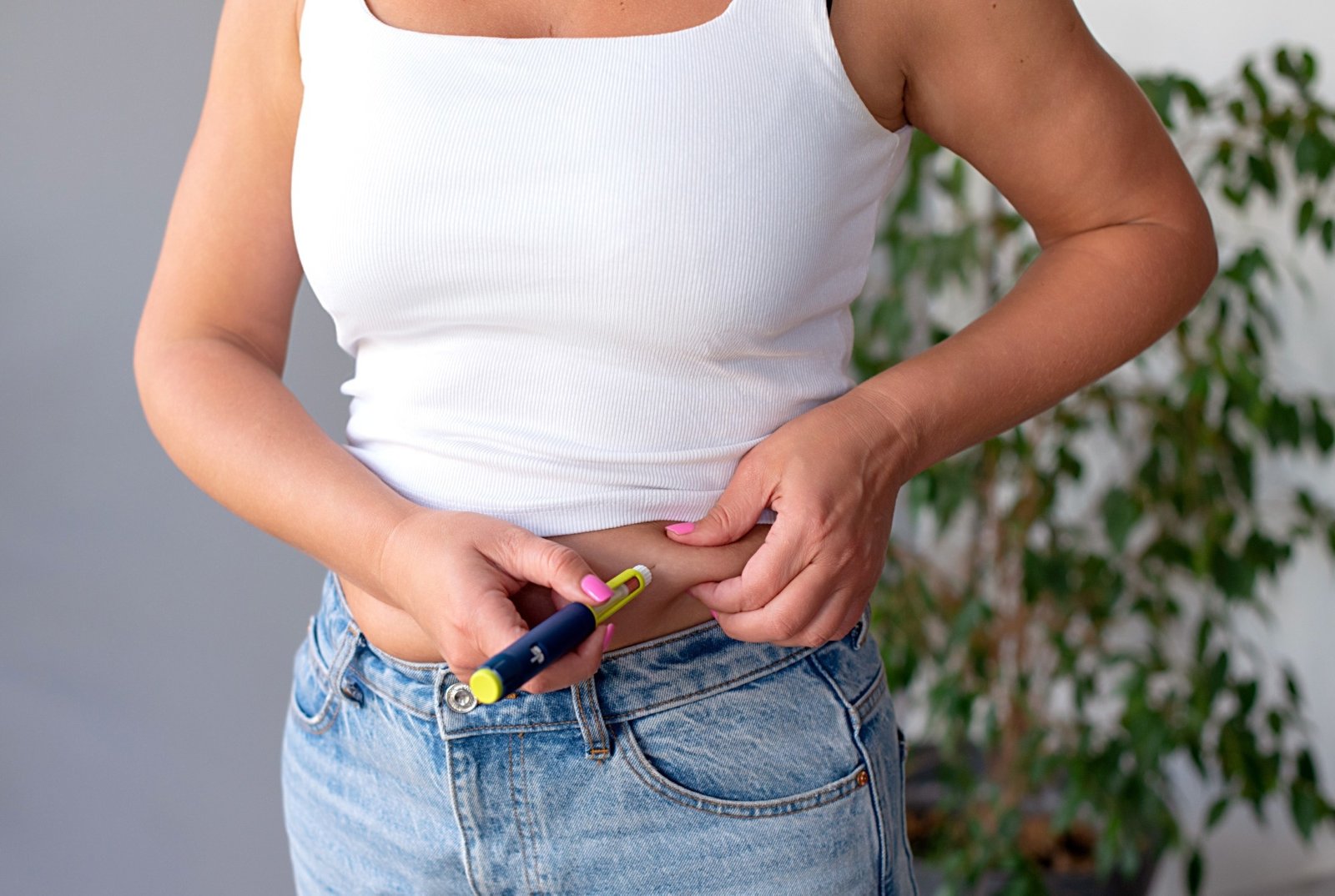
Study: Patient outcomes under varying patterns of adherence to real-life lifestyle-supported pharmacologic weight loss therapy. Image credit: Kokosha Yuliya / Shutterstock.com

A recent study published in Obesity examines how the effectiveness of weight loss medications may depend on patient adherence to the treatment protocol in non-subsidized pharmacological lifestyle-supported digital weight loss services.

The growing role of GLP-1 therapies in digital obesity care

Overweight and obesity are chronic metabolic diseases characterized by excessive accumulation of fat throughout the body. The prevalence of both overweight and obesity continues to rise worldwide, with 64% of adults living in England considered obese or overweight. Both overweight and obesity significantly increase the risk of cardiovascular disease, metabolic syndrome, diabetes and certain cancers.

Glucagon-like peptide-1 receptor agonists (GLP-1 RAs) such as semaglutide mimic the effects of the hormone GLP-1 to increase insulin secretion, regulate appetite, and delay gastric emptying, which promote weight loss. Global health agencies such as the World Health Organization (WHO) and the UK National Institute for Health and Care Excellence (NICE) recommend prescribing GLP-1 RAs alongside comprehensive lifestyle interventions to ensure long-term success.

Digital weight loss services, which use mobile apps, web-based consultations, text messaging, and digital personal assistants to deliver care, have emerged as a promising method for improving weight management. These services allow patients to conveniently discuss their overweight or obesity-related complications with health and fitness professionals in digital environments.

Some digital weight loss services align with recommended guidelines for combining pharmacology with behavioral therapy. Early evidence shows that these services can provide safe and effective care. However, their effectiveness in real-world unsubsidized digital services remains unclear.

In the current study, researchers investigate efficacy and adherence patterns associated with digital weight loss service Juniper Health, a large provider operating in the UK, Australia, Germany and Japan.

Assessing adherence and treatment efficacy in a real-world digital weight loss program

The study included data from 7,279 patients who started the Juniper UK digital weight loss service between January 2023 and May 2024. All patients were given semaglutide by Juniper clinicians following recommended guidelines.

The primary objectives of the study were to determine treatment efficacy under the ideal condition of full protocol adherence, as well as under real-world conditions characterized by ideal adherence and non-adherence.

The ideal situation included patients who received between eight and 15 orders of medication, submitted weight data within a predetermined window of 341–379 days after starting the program, and did not discontinue treatment for more than 90 days. The actual situation included all patients from the ideal situation and those who showed limited adherence, with missing 12-month weight values ​​conservatively imputed using a baseline carried-over observation approach.

Adherence leads to clinically significant weight loss

A mean weight loss of 15.67 % was reported within 12 months after initiation of treatment in patients with ideal compliance. In this setting, a significant proportion of patients achieved clinically significant weight loss, with 53.69% of patients achieving greater than 15% weight loss. In real-world conditions, patients achieved an average weight loss of 7.88%, with an average weight loss of 5.9%.

Among patients who followed ideal adherence conditions, 32% and 68% were prescribed Wegovy and Ozempic, respectively. Analysis by semaglutide brand type revealed that a significantly higher proportion of Wegovy users achieved clinically significant weight loss compared to Ozempic users, even after adjustment for baseline differences using propensity score matching and dose-limited sensitivity analyses.

Comparison of data from patients under ideal compliance and real-world conditions revealed that a significantly higher proportion of patients in ideal compliance conditions achieved clinically significant weight loss compared to those in real-world conditions.

Older age at visit and male gender were significantly associated with lower weight loss. Among ethnic groups, the rate of weight loss was significantly lower in Asian patients compared with white or Caucasian patients.

A strong positive correlation was observed between frequency of weight tracking on the digital platform and weight loss. Patients who recorded their weight at least 100 times achieved a significantly higher rate of weight loss than those who recorded less than 20 times. However, the authors note that this relationship may be bidirectional, reflecting both outcome-based engagement and outcome-driven engagement.

A significant correlation was also observed between weight loss and semaglutide orders. Patients who received fewer than 12 orders achieved a significantly lower rate of weight loss than those who received 12 or more orders.

Importance of study

According to the findings, 23.05% of Juniper UK patients met the study’s full efficacy criteria, which equated to an average weight loss of 15.67% over 12 months. However, when adherence was specifically defined by the medication schedule alone, approximately 33.9% of patients received between eight and 15 orders of semaglutide, suggesting broader, reasonable adherence than suggested by the stricter definition of efficacy. Significant differences in weight loss outcomes were observed between patients with reasonable adherence compared to those with limited adherence, thus highlighting the importance of adherence and attrition in digital obesity care in the real world.

Achieving optimal efficacy with pharmacological interventions may be limited by long-term program maintenance and the various financial or behavioral barriers associated with unsubsidized services. As an observational study based on self-reported weight data and medication order frequency as a surrogate for adherence, the findings may be affected by selection bias and unmeasured confounding.

Future studies are needed to investigate the effect of program engagement tools such as trackers on weight loss, along with the association between program costs and patient compliance.

Download your PDF copy now!

Journal Reference:

  • Talay, L., Petrel, G., Ahuja, N., & Tiroshi. A. (2026). Patient outcomes under varying patterns of adherence to real-life lifestyle-supported pharmacologic weight loss therapy. Obesity. DOI: 10.3390/obesities6010002. https://www.mdpi.com/2673-4168/6/1/2
Adherence determines Loss semaglutide success weight
bhanuprakash.cg
healthtost
  • Website

Related Posts

Teenagers consider cannabis safer than alcohol, vaping and cigarettes

May 6, 2026

Popular GLP-1 drugs significantly reduce major cardiovascular events,

May 6, 2026

Poor mental health is associated with poorer quality of care and lower trust in the health care system

May 5, 2026

Leave A Reply Cancel Reply

Don't Miss
Fitness

Kemari Copeland’s Explains His Strategy for Squatting 605 Pounds for 10 Reps

By healthtostMay 6, 20260

Kemari Copeland rose to fame in 2024 after obliterating Virginia Tech’s squat record by deadlifting…

Teenagers consider cannabis safer than alcohol, vaping and cigarettes

May 6, 2026

Eat the Vitamins, Kids: A Guide to Kids Vitamins | The Wellness Blog

May 6, 2026

What is Skinification? A simple guide to this beauty trend

May 6, 2026
Stay In Touch
  • Facebook
  • Twitter
  • Pinterest
  • Instagram
  • YouTube
  • Vimeo
TAGS
Baby benefits body brain cancer care Day Diet disease exercise finds Fitness food Guide health healthy heart Improve Life Loss Men mental Natural Nutrition Patients Pregnancy protein research reveals risk routine sex sexual Skin Skincare study Therapy Tips Top Training Treatment ways weight women Workout
About Us
About Us

Welcome to HealthTost, your trusted source for breaking health news, expert insights, and wellness inspiration. At HealthTost, we are committed to delivering accurate, timely, and empowering information to help you make informed decisions about your health and well-being.

Latest Articles

Kemari Copeland’s Explains His Strategy for Squatting 605 Pounds for 10 Reps

May 6, 2026

Teenagers consider cannabis safer than alcohol, vaping and cigarettes

May 6, 2026

Eat the Vitamins, Kids: A Guide to Kids Vitamins | The Wellness Blog

May 6, 2026
New Comments
    Facebook X (Twitter) Instagram Pinterest
    • About Us
    • Contact Us
    • Privacy Policy
    • Terms and Conditions
    • Disclaimer
    © 2026 HealthTost. All Rights Reserved.

    Type above and press Enter to search. Press Esc to cancel.