

Close Menu
Healthtost
  • News
  • Mental Health
  • Men’s Health
  • Women’s Health
  • Skin Care
  • Sexual Health
  • Pregnancy
  • Nutrition
  • Fitness
  • Recommended Essentials
What's Hot

What do I eat in a day?

June 1, 2026

Outpatient versus inpatient addiction treatment: How to choose the right level of care

June 1, 2026

The Apple Watch app detects seizures with 98% accuracy.

June 1, 2026
Facebook X (Twitter) Instagram
  • About Us
  • Contact Us
  • Privacy Policy
  • Terms and Conditions
  • Disclaimer
Facebook X (Twitter) Instagram
Healthtost
SUBSCRIBE
  • News

    The Apple Watch app detects seizures with 98% accuracy.

    June 1, 2026

    Prognostic model helps tailor PSMA therapy for prostate cancer patients

    May 31, 2026

    Implanted collagen platelets double survival for patients with brain metastases

    May 31, 2026

    Fruit fly study links dopamine to stress-induced sexual dysfunction

    May 30, 2026

    Salaera was named Halma Healthcare Company of the Year

    May 30, 2026
  • Mental Health

    Why your wearable health tracker can make you feel anxious

    June 1, 2026

    Can meditation change the brain in schizophrenia?

    May 29, 2026

    Success and Fulfillment: Why High Performance…

    May 28, 2026

    As more athletes open up about depression, anxiety and suicide, a minority of fans are up in arms

    May 27, 2026

    Healing is where change begins. Habits are…

    May 24, 2026
  • Men’s Health

    What do I eat in a day?

    June 1, 2026

    Journey into New Dimensions: Wisdom from the Past and Hope for the Future

    June 1, 2026

    30-Day Workout Challenge: Plan for Full-Body Results

    May 28, 2026

    Why Kenya, Ethiopia, Japan and the US stand out in global distance running

    May 26, 2026

    ‘Vas Madness’ shows the power of messaging in men’s contraceptive decisions

    May 26, 2026
  • Women’s Health

    Outpatient versus inpatient addiction treatment: How to choose the right level of care

    June 1, 2026

    Luteal Phase Nutrition: Fight Cravings and Bloating

    May 31, 2026

    Facts About Social Anxiety – HealthyWomen

    May 30, 2026

    Why Weight Training Makes Your Upper Body Bulky (3 Mistakes You Need To Fix)

    May 29, 2026

    How to protect hair from Holi colors and damage

    May 28, 2026
  • Skin Care

    Perimenopause Rosacea: Hot Flashes & Histamine

    June 1, 2026

    The Ancient Herb Being Marketed As A Miracle Discovery – And Why Already – Sally B’s Skin Yummies

    May 31, 2026

    Green Serum Benefits: Who it’s for and how to use it

    May 30, 2026

    Skin memory: Why your skin can flare up in the same places

    May 30, 2026

    Sun Spritz Vs Sun Drops | Which facial tanner is right for you?

    May 29, 2026
  • Sexual Health

    a wake-up call to remove barriers to SRHR < SRHM

    May 31, 2026

    Cases of gonorrhea and syphilis reached their highest level in Europe in the last 10 years

    May 31, 2026

    Complete guide — Sexual Health Alliance

    May 30, 2026

    Can sertraline help treat premature ejaculation?

    May 28, 2026

    7 Ways Your Mattress Affects Your Sex Life Sex with Emily

    May 27, 2026
  • Pregnancy

    Thyroid disorders in pregnant Indian women

    June 1, 2026

    When should I start a prenatal? – Pink Stork

    May 31, 2026

    Infertility, endometriosis and positive birth history at the birth center

    May 27, 2026

    Does creatine cause hair loss in women? – Pink Stork

    May 24, 2026

    Supporting Women through the Sacred Transitions of Life

    May 22, 2026
  • Nutrition

    Have you tried Einkorn Spaghetti?

    May 30, 2026

    Same Dinner, Different Plate: The Summer BBQ Version Every Picky Eater Mom Needs

    May 29, 2026

    Your body wants to heal. But you may be on your way.

    May 28, 2026

    Does your appetite change in the summer?

    May 25, 2026

    Why I Don’t Count Macros • Kath Eats

    May 24, 2026
  • Fitness

    what to do in vegas with teens and tweens

    May 29, 2026

    10 Important Health Tips for Sedentary Workers

    May 28, 2026

    Overthinking After 50? Try these stress relief techniques

    May 28, 2026

    From Social Work to Health Coaching: A Story of AFPA Graduates

    May 26, 2026

    What is Locus of Control? Empowering Customers

    May 24, 2026
  • Recommended Essentials
Healthtost
Home»Pregnancy»What is postpartum anxiety and how to deal with it – Pink Stork
Pregnancy

What is postpartum anxiety and how to deal with it – Pink Stork

healthtostBy healthtostJanuary 28, 2024No Comments5 Mins Read
Facebook Twitter Pinterest LinkedIn Tumblr Reddit WhatsApp Email
What Is Postpartum Anxiety And How To Deal With It
Share
Facebook Twitter LinkedIn Pinterest WhatsApp Email

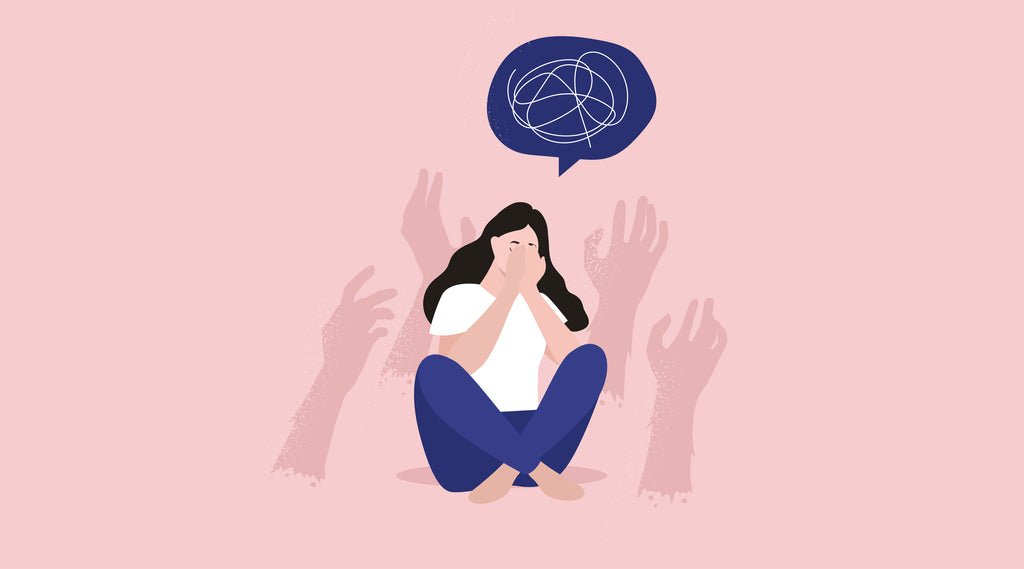
Parenthood opens you up to a whole new world of responsibilities, emotions, and a sense of worry unlike anything you’ve seen before. Whether you’ve just given birth to a new baby or recently adopted, adjusting to life with a newborn is just as stressful. Most of the worries and fears you experience at first go away as you learn to trust yourself, get to know your baby and settle into a routine – but sometimes these feelings don’t go away. If your feelings of anxiety are overwhelming or you are constantly scared or nervous, you may be experiencing postpartum anxiety (PPA). To understand more about postpartum anxiety, we need to take a closer look at its causes, symptoms, and treatments.

What is postpartum anxiety?

It’s natural to worry about your newborn – caring for another human being is a big responsibility that you shouldn’t take lightly. However, when these worries begin to occupy every waking moment and even keep you awake at night, it may indicate a more serious anxiety disorder known as postpartum anxiety. Postpartum anxiety only occurs within the first year of childbirth or adoption. Pregnant women may also experience antenatal anxiety (anxiety during pregnancy) and perinatal anxiety, or anxiety experienced from early pregnancy to one year after delivery. These anxious thoughts generally consist of extreme “what if” scenarios where you imagine harming your baby or yourself. They are also generally “catastrophic” meaning they tend to include the worst case scenario. There is no set screening for postpartum anxiety, but it can often be detected during an evaluation for postpartum depression completed by your healthcare provider. Several websites host Postpartum Anxiety Quiz options that, once completed, can be a starting point when discussing your concerns with a physician.

What causes postpartum anxiety?

There are many causes of PPAand health care providers believe that several factors can contribute to the development of PPA symptoms.

  • Hormone change: Hormonal changes after childbirth can be abrupt, leading to exaggerated stress reactions and mood swings
  • The lack of sleep: Sleep deprivation has negative effects on your mental health
  • Feelings of responsibility: The overwhelming feeling of wanting to protect your baby and the fear that you can’t
  • Stressful events: Events in your baby’s life could cause anxiety. For example, when they start to crawl, eat solid food or if you have had problems with breastfeeding or had a difficult pregnancy or birth
  • History of anxiety disorders: A previous diagnosis of anxiety or depression increases your chances of developing PPA
  • Previous trauma: If you have lost a pregnancy or child in the past, if you have a child or children with health conditions, or if you have previously been diagnosed with PTSD, all contribute to the possibility of PPA

Symptoms of postpartum anxiety

Postpartum anxiety symptoms can manifest physically, behaviorally or emotionally. Many new parents describe the feeling of “madness” or the experience of both rational and irrational racing thoughts. Signs and symptoms of postpartum anxiety include, but are not limited to:

Physical symptoms:

  • Difficulty catching your breath
  • Insomnia
  • Loss of appetite
  • Stretched muscles
  • Difficulty settling or sitting still
  • Nausea or stomach pain
  • Increased heart rate or palpitations

Behavioral symptoms:

  • Avoidance behaviors, such as avoiding certain activities, people, or places
  • Be overly cautious in non-dangerous situations
  • Obsessive compulsive behaviors like checking things over and over
  • He refuses to relinquish control or accept help

Emotional symptoms:

  • Irritable
  • An overwhelming sense of dread or doom
  • Fear
  • Excessive worry
  • Inability to relax
  • Forgetfulness, feeling distracted or unable to focus
  • Obsessive thoughts about things that could go wrong but aren’t likely to

Treatments for postpartum anxiety

Fortunately, there are many treatment options for people who suffer from postpartum anxiety. Each treatment plan depends on the severity of your condition.

Mild PPA: Talking with a fellow new parent or an understanding friend or family member can be enough to ease the feelings of worry or dread you experience with mild PPA. Vitamin and nutrient supplements like ours Postpartum mood support contains vital ingredients to support balanced postpartum emotions, cortisol levels and mood stability. Practicing mindfulness – a type of meditation in which you focus on being aware of what you are feeling and feeling in the moment – ​​can help reduce stress. Us Calm tea with lavender, dandelion, peppermint and lemon balm, it’s another great addition to your relaxation routine.

Moderate PPA: Speak or cognitive behavioral therapy is useful for those experiencing moderate symptoms of PPA. A licensed mental health professional can provide you with tools and advice to help you manage your stress levels – cognitive restructuring or reframing is a useful strategy as it focuses on identifying negative thought patterns and how to reframe them into more positive and productive thoughts. As with mild cases of PPA, limiting and reducing stress is beneficial, along with completion key mood-stabilizing nutrients such as ashwagandha for stress and anxiety relief and B6 for improved mood and energy levels.

Severe PPA: If your symptoms are severe, your healthcare provider could prescribe medication in addition to cognitive behavioral therapy. Selective serotonin reuptake inhibitors (SSRIs) are the class of antidepressant and anti-anxiety medications commonly prescribed to those experiencing severe postpartum anxiety. They work by increasing the amount of serotonin in your brain and are generally considered safe to use during pregnancy and breastfeeding.

If you experience overwhelming thoughts of fear or worry, or if you feel anxious, stressed, or depressed to the point that you fear your ability to care for yourself or your child, seek help from a medical professional. To learn more about how to navigate life after giving birth, we recommend:

What is labor and how long does it last?

6 unexpected things that happen to your body after giving birth

Understanding Your Fourth Trimester: Just the Facts

anxiety Deal Pink postpartum Stork
bhanuprakash.cg
healthtost
  • Website

Related Posts

Thyroid disorders in pregnant Indian women

June 1, 2026

When should I start a prenatal? – Pink Stork

May 31, 2026

Facts About Social Anxiety – HealthyWomen

May 30, 2026

Leave A Reply Cancel Reply

Don't Miss
Men's Health

What do I eat in a day?

By healthtostJune 1, 20260

Strength training is a fundamental part of my life. One of my greatest sources of…

Outpatient versus inpatient addiction treatment: How to choose the right level of care

June 1, 2026

The Apple Watch app detects seizures with 98% accuracy.

June 1, 2026

Why your wearable health tracker can make you feel anxious

June 1, 2026
Stay In Touch
  • Facebook
  • Twitter
  • Pinterest
  • Instagram
  • YouTube
  • Vimeo
TAGS
Baby benefits body brain cancer care Day Diet disease exercise finds Fitness food Guide health healthy heart Improve Life Loss Men mental Natural Nutrition Patients Pregnancy protein research reveals risk routine sex sexual Skin Skincare study Therapy Tips Top Training Treatment ways weight women Workout
About Us
About Us

Welcome to HealthTost, your trusted source for breaking health news, expert insights, and wellness inspiration. At HealthTost, we are committed to delivering accurate, timely, and empowering information to help you make informed decisions about your health and well-being.

Latest Articles

What do I eat in a day?

June 1, 2026

Outpatient versus inpatient addiction treatment: How to choose the right level of care

June 1, 2026

The Apple Watch app detects seizures with 98% accuracy.

June 1, 2026
New Comments
    Facebook X (Twitter) Instagram Pinterest
    • About Us
    • Contact Us
    • Privacy Policy
    • Terms and Conditions
    • Disclaimer
    © 2026 HealthTost. All Rights Reserved.

    Type above and press Enter to search. Press Esc to cancel.