

Close Menu
Healthtost
  • News
  • Mental Health
  • Men’s Health
  • Women’s Health
  • Skin Care
  • Sexual Health
  • Pregnancy
  • Nutrition
  • Fitness
  • Recommended Essentials
What's Hot

Strict dieting after 40 makes women heavier, not lighter

June 5, 2026

Prioritizing maternal sleep reduces the risk of postpartum anxiety disorders

June 4, 2026

Low testosterone changes your body: See what a DEXA scan can reveal

June 4, 2026
Facebook X (Twitter) Instagram
  • About Us
  • Contact Us
  • Privacy Policy
  • Terms and Conditions
  • Disclaimer
Facebook X (Twitter) Instagram
Healthtost
SUBSCRIBE
  • News

    Prioritizing maternal sleep reduces the risk of postpartum anxiety disorders

    June 4, 2026

    Vaping devices and flavors affect genes differently

    June 4, 2026

    The study potentially opens a new route for more selective cancer drug design

    June 3, 2026

    TikTok fosters a thriving culture of illegal vaping among young people

    June 3, 2026

    New AI tool cuts breast cancer biopsy wait times

    June 2, 2026
  • Mental Health

    Why your wearable health tracker can make you feel anxious

    June 1, 2026

    Can meditation change the brain in schizophrenia?

    May 29, 2026

    Success and Fulfillment: Why High Performance…

    May 28, 2026

    As more athletes open up about depression, anxiety and suicide, a minority of fans are up in arms

    May 27, 2026

    Healing is where change begins. Habits are…

    May 24, 2026
  • Men’s Health

    Low testosterone changes your body: See what a DEXA scan can reveal

    June 4, 2026

    The right seafood choices can help diets meet health and climate goals

    June 2, 2026

    Workplace Argument: “Cleaning in the toilet” who cry in the bathroom

    June 2, 2026

    What do I eat in a day?

    June 1, 2026

    Journey into New Dimensions: Wisdom from the Past and Hope for the Future

    June 1, 2026
  • Women’s Health

    Strict dieting after 40 makes women heavier, not lighter

    June 5, 2026

    The central voice behind our vote: Why Lani Guinier still matters now

    June 4, 2026

    Do hemorrhoids cause a tight anus? Hemorrhoid Pain, Sphincter Spasm and Relief Strategies – Vuvatech

    June 3, 2026

    Outpatient versus inpatient addiction treatment: How to choose the right level of care

    June 1, 2026

    Luteal Phase Nutrition: Fight Cravings and Bloating

    May 31, 2026
  • Skin Care

    Vitamin C for the skin: The ultimate summer secret

    June 2, 2026

    Perimenopause Rosacea: Hot Flashes & Histamine

    June 1, 2026

    The Ancient Herb Being Marketed As A Miracle Discovery – And Why Already – Sally B’s Skin Yummies

    May 31, 2026

    Green Serum Benefits: Who it’s for and how to use it

    May 30, 2026

    Skin memory: Why your skin can flare up in the same places

    May 30, 2026
  • Sexual Health

    Research says… Not enough people know about vaccines to prevent STDs

    June 4, 2026

    The importance of discussing sexual side effects of medication with your doctor

    June 4, 2026

    Fildena 100 Benefits – Effective ED Treatment & More

    June 2, 2026

    a wake-up call to remove barriers to SRHR < SRHM

    May 31, 2026

    Cases of gonorrhea and syphilis reached their highest level in Europe in the last 10 years

    May 31, 2026
  • Pregnancy

    Pregnancy and Postpartum Exercise Expert Meet Miranda

    June 4, 2026

    Thank You After a Baby Shower: 50+ Wording Ideas

    June 3, 2026

    Small movements during pregnancy can make a bigger difference than parents think

    June 2, 2026

    Thyroid disorders in pregnant Indian women

    June 1, 2026

    When should I start a prenatal? – Pink Stork

    May 31, 2026
  • Nutrition

    Hot Girl Summer, But Make it Cellular

    June 4, 2026

    How to Organize Spices • Kath Eats

    June 3, 2026

    The reaction to the IARC report that meat probably causes cancer

    June 2, 2026

    What most people miss in summer

    June 2, 2026

    Have you tried Einkorn Spaghetti?

    May 30, 2026
  • Fitness

    6 Ways Strength Training Slows Aging After 50

    June 2, 2026

    Ben Greenfield Weekly Update: May 22

    June 2, 2026

    what to do in vegas with teens and tweens

    May 29, 2026

    10 Important Health Tips for Sedentary Workers

    May 28, 2026

    Overthinking After 50? Try these stress relief techniques

    May 28, 2026
  • Recommended Essentials
Healthtost
Home»Sexual Health»What do sexual health professionals need to know – Sexual Health Alliance
Sexual Health

What do sexual health professionals need to know – Sexual Health Alliance

healthtostBy healthtostSeptember 17, 2025No Comments5 Mins Read
Facebook Twitter Pinterest LinkedIn Tumblr Reddit WhatsApp Email
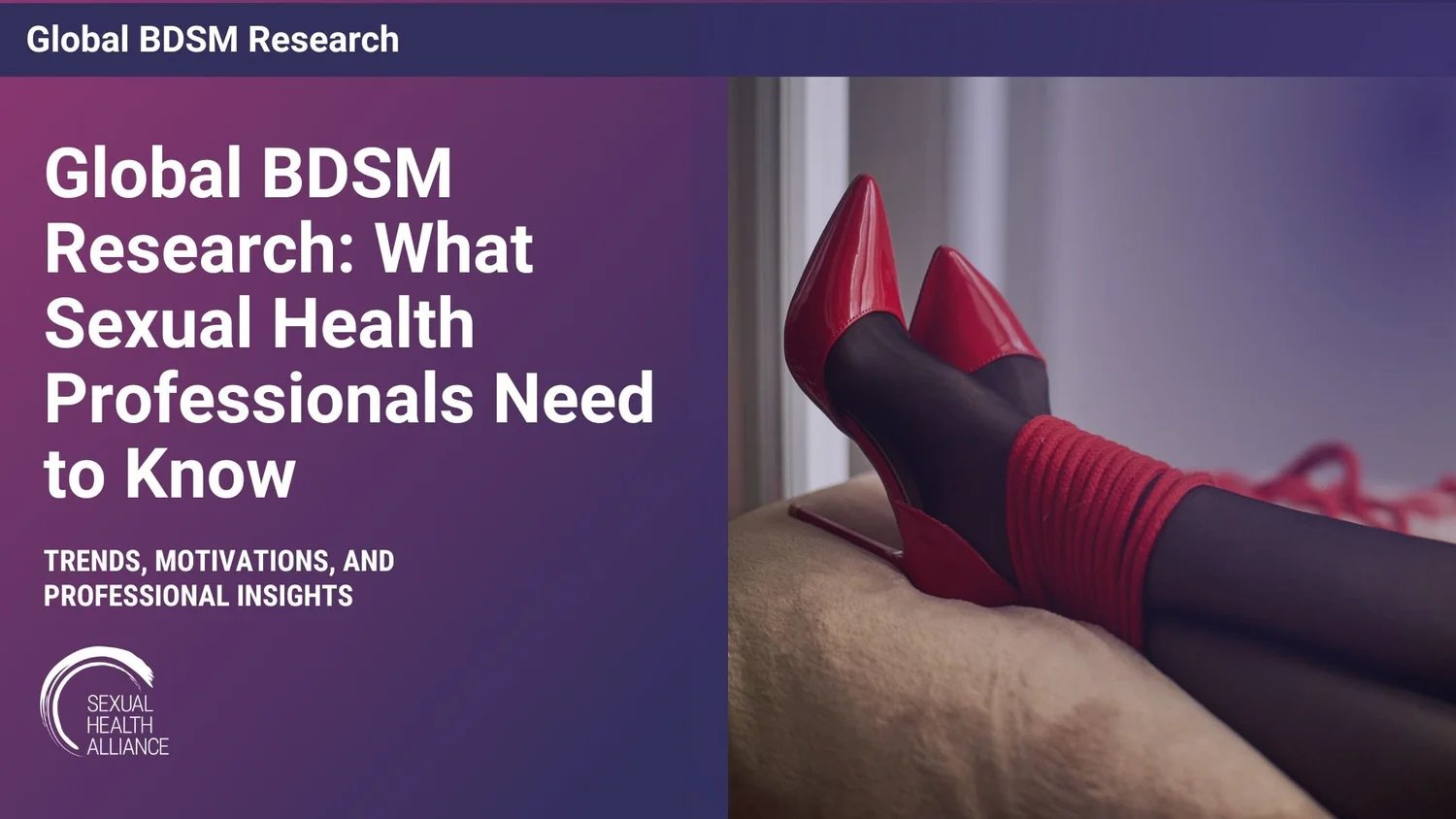
What Do Sexual Health Professionals Need To Know Sexual
Share
Facebook Twitter LinkedIn Pinterest WhatsApp Email

BDSM is a term umbrella for slavery, discipline, sovereignty, submission, sadism and masochism. It includes a variety of activities characterized by consent, communication and boundaries.

As the displacement of cultural behaviors and BDSM are becoming increasingly common, research on these practices is expanding. For sexual health professionals, it is crucial to understand this evolving landscape not only at a community or national level, but also worldwide. This blog examines recent international studies on BDSM and highlights their impact on clinical and educational practice.

In spite of the ongoing stigma, the research shows that BDSM can offer psychosocial and relational benefits. For professionals, transition beyond the stigma and integration of evidence into practice is essential.

Where does BDSM survey come from?

Much of the research on BDSM, sexual health and general health comes from Curious populations. This acronym means:

  • West

  • Educated

  • Industrial

  • Rich

  • Democratic

These groups are consistently overwhelmed in psychological and sexual research. In general, and in sexuality studies, samples of heterosexuals, cisgender, capable and male are also dominated by disproportionate.

Why does this matter?

As sexual health professionals, we rely on research on guidance of education, clinical decision -making and community interventions. Representation in research is fundamental to building free of exclusion practices. Encouraging, while strange samples are still dominant, recent BDSM research begins to include more world prospects.

BDSM in the world context

In the past year, more international research has emerged that help us better understand worldwide standards in BDSM. Below, we look at two basic studies and their impact on sexual health professionals.

Study 1: Global BDSM Practice Research

THE First major international survey for BDSMpublished in 2024, explored the fluctuation of interests and practices in all areas. While the curious populations were still beyond, the study included participants from a different global background. Basic findings:

  • Private versus public game: In all areas, over 95% are privately involved in BDSM. North Americans were more likely than Europeans or oceans publicly participating in events, such as BDSM races and racing (social gathering events for those interested in BDSM)

  • Age of first practice: There were no significant differences on all continents when people first dealt with BDSM.

  • Start of fantasies: Europeans reported a previous appearance of BDSM -related ghosts

  • Regional Differences in Practice: North Americans scored higher than Europeans for fantasies and activities related to discipline and exhibition character

BDSM practices are widespread, with remarkable similarities on all continents. However, cultural factors, such as religiousness, stigma and politics, shape how communities participate and talk about BDSM. For sexual health professionals, understanding these frameworks is vital.

Study 2: Age of Awareness, Introduction Roads and incentives

Earlier this year, another study, mainly from the US, Canada and the United Kingdom, Examined when and how people first knew BDSM.

Early awareness of BDSM was a common trend in this study.

  • Most participants knew BDSM during adolescence (aged 10-21 years).

  • Over 60% learned about BDSM before the age of 18. About one in four minors who participated privately in the BDSM game, while only 8% discovered BDSM after the age of 30.

  • About 40% did not publicly participate up to 30.

Self-introduction, followed by a partner, and a friend was the most common sources of introduction to BDSM.

  • 62% of people reported self -discovery as an introduction to BDSM.

  • Partners (22%) and friends (14%) were also common paths.

  • Less than 15% reported internet, literature, family or media.

Identity -related factors were stronger forecasting factors when participants learned or participated in BDSM from stated reasons. For example:

  • The Canadians reported prior interest from the Americans.

  • Compared to older generations, Gen Z-Ers was more likely to mention a newer interest and less likely to play with friends and non-sexual romantic partners.

  • Sexually different participants also reported interest at a younger age than heterosexuals.

  • The latest private participation was more common among women, transsexuals, Panaxic participants, color faces and those outside the US/United Kingdom/Canada compared to their counterparts.

In all teams, the top motive for BDSM was a pleasure. Almost half participants used explicit terms such as pleasure, fun, happy, good, and enjoyment When describing the reasons for their participation.

Because this matters to sexual health professionals

These findings highlight many key points:

  • BDSM is global and varied. While strange samples continue to dominate, intercultural studies reveal both common standards and regional differences.

  • Awareness begins early. Many people are interested in BDSM during adolescence, underlining the need for careful talks without stigma in sexual education and clinical care.

  • Representation issues. Background factors (gender, sexuality, cultural context) influence the way and when people deal with BDSM. Research must better reflect this diversity to inform the practice without exclusion.

  • The stigma insists. BDSM Stigma and Kinkphobia continue to influence the lives of two professionals and how professionals are discussing BDSM. Reduction of stigma in clinical and community contexts is essential.

Are you interested in learning more about BDSM?

SHA offers a wide range of resources, events and certifications to help professionals deepen their knowledge of BDSM and Kink.

Resources:

Certifications:

SHA offers a variety of programs for sexuality professionals. Become certified as:

Do you want to be informed?

Become Kink updated Certified (Kic) with sha. With this training, you will be able to better provide the needs of customers around sexuality around those who deal with Kink, BDSM and alternative sexuality.

Alliance health professionals sexual
bhanuprakash.cg
healthtost
  • Website

Related Posts

Research says… Not enough people know about vaccines to prevent STDs

June 4, 2026

The importance of discussing sexual side effects of medication with your doctor

June 4, 2026

The right seafood choices can help diets meet health and climate goals

June 2, 2026

Leave A Reply Cancel Reply

Don't Miss
Women's Health

Strict dieting after 40 makes women heavier, not lighter

By healthtostJune 5, 20260

Weight gain is not always under your control, especially after 40, as underlying metabolic and…

Prioritizing maternal sleep reduces the risk of postpartum anxiety disorders

June 4, 2026

Low testosterone changes your body: See what a DEXA scan can reveal

June 4, 2026

The central voice behind our vote: Why Lani Guinier still matters now

June 4, 2026
Stay In Touch
  • Facebook
  • Twitter
  • Pinterest
  • Instagram
  • YouTube
  • Vimeo
TAGS
Baby benefits body brain cancer care Day Diet disease exercise finds Fitness food Guide health healthy heart Improve Life Loss Men mental Natural Nutrition Patients People Pregnancy research reveals risk routine sex sexual Skin Skincare study Therapy Tips Top Training Treatment ways weight women Workout
About Us
About Us

Welcome to HealthTost, your trusted source for breaking health news, expert insights, and wellness inspiration. At HealthTost, we are committed to delivering accurate, timely, and empowering information to help you make informed decisions about your health and well-being.

Latest Articles

Strict dieting after 40 makes women heavier, not lighter

June 5, 2026

Prioritizing maternal sleep reduces the risk of postpartum anxiety disorders

June 4, 2026

Low testosterone changes your body: See what a DEXA scan can reveal

June 4, 2026
New Comments
    Facebook X (Twitter) Instagram Pinterest
    • About Us
    • Contact Us
    • Privacy Policy
    • Terms and Conditions
    • Disclaimer
    © 2026 HealthTost. All Rights Reserved.

    Type above and press Enter to search. Press Esc to cancel.