


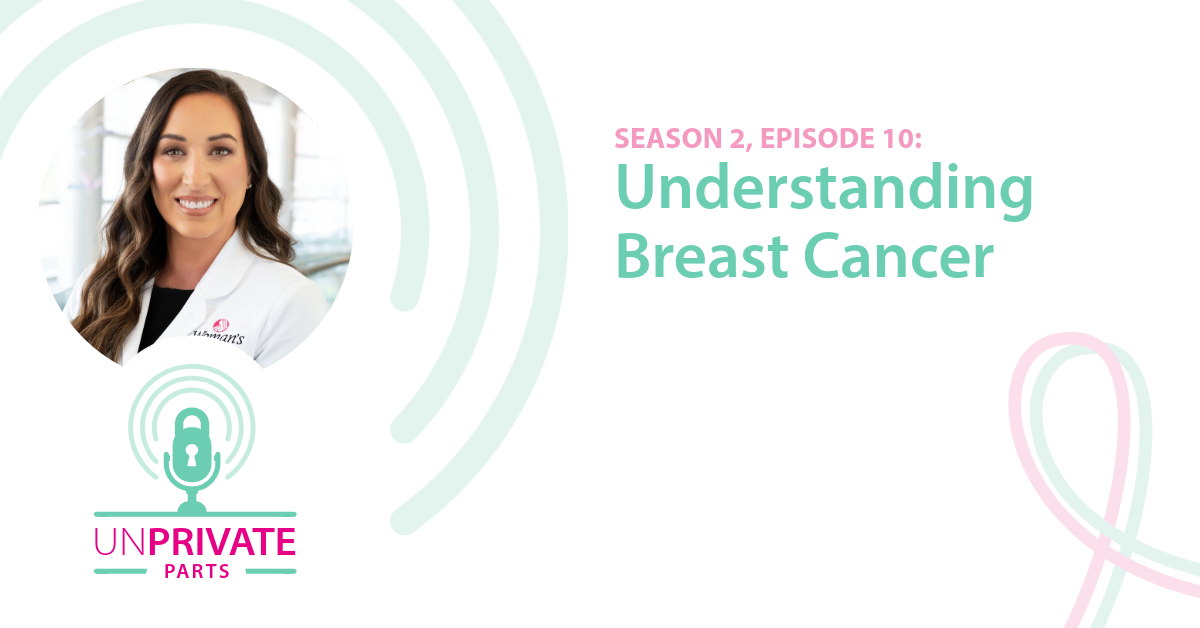
When most people hear the words “breast cancer,” they think of it as a single disease. In fact, there are different types of breast cancer, each with its own characteristics and treatment options. Whether you want to better understand a recent diagnosis or simply learn more about your breast health, Breast Surgeon Oncologist Dr. Lindsey Fauveau explains what breast cancer is, how it develops and spreads, and ways to reduce the risk.
What is breast cancer?
Breast cancer begins when abnormal breast cells grow and multiply uncontrollably. Under normal circumstances, your immune system will recognize and eliminate these cells before they cause harm. However, some of these cells can hide, which allows them to survive, multiply and eventually form cancer.
Although breasts are made up mostly of fatty tissue, most breast cancers start in the ducts (tube-like structures that bring milk to the nipple). They can also start from the pods (grape-like clusters that produce milk). In very rare cases, breast cancer may first be detected in a lymph node under the arm. This is known as occult breast cancer.
Positive vs Negative Cancer
When breast cancer is described as “positive” or “negative,” it doesn’t mean the cancer is better or worse. Instead, it refers to whether cancer cells have certain proteins or hormone receptors on their surface. Knowing this will help your healthcare team predict how the cancer is likely to behave and determine which treatments are most likely to work.
HER2 (human epidermal growth factor receptor 2)
HER2 is a protein found on the surface of breast cells that helps control normal cell growth.
- HER2-Positive: These cells have too much HER2, causing the cancer to grow faster. Treatments that specifically block the HER2 protein can often cure these cancers.
- HER2-Negative: These cells have a normal amount of HER2. Although HER2-targeted therapies will not work for these cancers, the cells may respond to other treatments.
Hormone Receptors (HR)
Hormone receptors include estrogen receptors (ER) and progesterone receptors (PR). Some breast cancers use these hormones as fuel to grow.
- HR-Positive: These breast cancer cells have receptors for estrogen, progesterone, or both. Because cancer depends on these hormones, hormone therapy can often slow or stop its growth by lowering hormone levels or blocking receptors.
- HR-negative: These cancer cells do not rely on estrogen or progesterone to grow, so hormone therapy is not effective. Treatment for these cancers usually includes chemotherapy, targeted therapy, or immunotherapy.
You may also hear the term ‘triple negative breast cancer’. This means that the cancer is ER-negative, PR-negative and HER2-negative. Because these cancers lack all three receptors, hormone therapy and HER2-targeted therapies are not effective. Depending on the tumor and stage of the cancer, treatment may include chemotherapy, immunotherapy, or other targeted therapies.
Invasive vs Non-Invasive Cancer
In addition to being classified by hormone receptor and HER2 status, breast cancers are also categorized by whether they have spread. This distinction helps guide treatment decisions.
- Non invasive breast canceralso known as ductal carcinoma in situ (DCIS), remains confined to the milk ducts. Because it’s contained, it usually doesn’t have access to the lymphatic system, which is one way cancer can spread outside the breast. Non-invasive breast cancer often has a great prognosis when caught and successfully treated with surgery.
- Invasive breast cancer has broken the walls of the ducts or lobules and penetrated the surrounding breast tissue. Once the cancer becomes invasive, it has the potential to spread to nearby lymph nodes or other parts of the body. Fortunately, advances in breast imaging have made it possible to detect many breast cancers before they become invasive.
Why mammograms matter
Regular mammograms are one of the most effective tools for early detection of breast cancer, especially because different types of breast cancer can develop in different ways. For example, ductal cancers often form a more defined mass that is usually easier to see on mammograms and ultrasounds. On the other hand, lobular cancers tend to spread through the breast tissue in thin strands, making them more difficult to detect with traditional imaging.
Most women should start routine mammograms at age 40. Women at higher risk of developing breast cancer may benefit from earlier or additional screening beyond routine mammograms. this could include more frequent clinical breast exams, whole-breast MRI, or additional ultrasound examinations.
While getting your routine mammograms can be scary, Dr. Fauvo points out that she would be “more afraid of getting a diagnosis that won’t be noticed.”
Reducing risk and staying proactive
Inherited gene mutations (such as BRCA1 and BRCA2) account for only about 5% to 10% of breast cancer cases. Most breast cancers develop due to a combination of family history, environmental factors, and sporadic causes.
Although some risk factors cannot be changed, healthy lifestyle choices can play an important role in overall breast health. Smoking, excessive alcohol use, and obesity have been linked to chronic inflammation, which can increase the risk of breast cancer. Staying active, maintaining a healthy weight, and eating a balanced diet can help support your overall breast health.
Just as important as reducing your risk is learning what your breasts normally look and feel like. Talk to your healthcare provider if you notice a new lump, persistent pain, skin changes, or changes in the shape or size of your breast. If you’re not sure if a change is important or not, err on the side of caution and schedule an appointment.
“Live your life to the best of your ability,” says Dr. Fauvo. “Go to the doctor, take care of yourself and put yourself first – that’s all you can do.”
Understanding Your Diagnosis
If you’ve been diagnosed with breast cancer, don’t be afraid to ask questions if something isn’t clear. Whether you speak directly with your doctor, work with a nurse navigator, or seek support from a breast cancer community, it’s important to feel informed and confident about your care. You deserve to fully understand your options so you can make choices that feel right for you, especially since treatment decisions can have a lasting impact.
