September is here, which means it’s Eczema Awareness Month—a critical time to shine a light on the challenges of eczema in children.
If your child is one of the millions affected by this common skin condition, you know that managing eczema can be a full-time job.
But you are not alone. In the following post, we aim to give you a better understanding of what eczema is, how it affects children, and what steps you can take to make your child’s everyday life more comfortable.
What is eczema in children?
Atopic eczema – or atopic dermatitis – is a chronic inflammatory skin condition characterized by dry, itchy and inflamed skin. It is the most common form of eczema in children, often appearing before the age of five.
For infants, eczema usually appears on the scalp, face, and especially the cheeks. The skin is dry and may have a scaly rash. Baby eczema can also appear on the elbows and knees. The skin may itch and in severe cases may be raw or moist. Symptoms may come and go.
When eczema develops in children between the ages of 2 and adolescence, it usually begins as dry, scaly, itchy patches. Common areas include the folds at the knees and elbows, navels and legs, neck, wrists and ankles. Over time, the skin can become thick and discolored, causing the skin to become chronically itchy.
What causes eczema is not well understood, but scientists know that a combination of genetic and environmental factors are involved. THE Mount Sinai Health System states that certain genetic factors weaken the skin barrier—the outermost layer of the skin—allowing moisture to escape and bacteria and viruses to enter more easily.
Environmental factors can then trigger eczema symptoms. Dust mites, for example, can trigger the immune system to overreact, attacking skin cells and causing dryness and flaking. Allergens can also activate the immune system in the same way. These can include certain food ingredients, pollen, fragrances in personal care products and clothing care products, and more.
Indeed, eczema often accompanies other allergic conditions such as asthma, hay fever and seasonal allergies. Many children with eczema also have food allergies.
HealthyChildren.org adds that many children with eczema do not have enough of a protein known as “filagrin” in the outer layer. Filaggrin helps the skin form this strong barrier between the body and the environment. Without enough of it, the outer barrier is weak and has trouble holding in moisture or keeping out irritants.
What is eczema like in children?
Children living with eczema suffer from a variety of symptoms, including the following, that negatively affect their daily lives:
Fret
Persistent itching and irritation can be very uncomfortable, affecting a child’s mood, sleep and overall quality of life.
Sleep disorders
When eczema flares up, it can keep children awake at night with itching. This can lead to daytime sleepiness and behavioral problems.
Activity Restrictions
Certain activities, such as swimming or playing certain sports, can make eczema symptoms worse, making the child less likely to take part.
Daily Vigilance
If exposure to certain foods, allergens, or product ingredients causes your child’s eczema to flare up, you may find that you take a cautious approach to what they eat, do, or use. This can create a stressful lifestyle for both of you.
Social Impact
Children with eczema may feel self-conscious about the appearance of their skin, leading to social withdrawal. This can affect their self-esteem and make them less likely to take risks in social interactions.

Managing Eczema in Children: Practical Tips
Although there is no cure for eczema, some children will grow out of it naturally. Others will continue to have dry, sensitive skin as they get older.
Either way, you can help your child by teaching them how to prevent and manage symptoms. We recommend the following steps.
Identify and avoid triggers
Your child’s eczema may flare up in response to certain irritants. It may help to keep a journal for a few weeks. Watch for possible triggers such as certain foods, environmental factors or stress. Gradually narrow down your findings until you have a good understanding of those things that seriously affect your child’s skin, and then try to avoid those things as much as you can.
Wash gently
Every time you wash your skin, you risk stripping it of its natural moisturizing oils. A child with eczema already has dry skin, so you want to carefully protect the moisture they have.
- Use gentle cleansers that are pH-balanced, fragrance-free, and moisturizing.
- Limit time in the bath or shower to 5 to 10 minutes or less.
- Avoid using hot water – lukewarm is less likely to strip the skin.
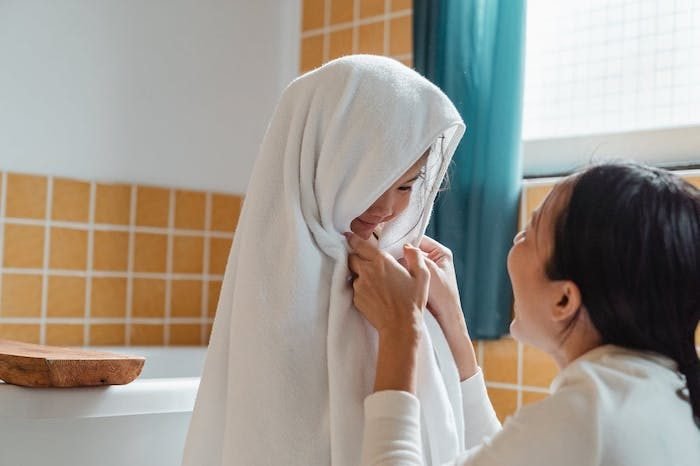
- Pat the skin dry with a towel—don’t rub.
- Always apply moisturizer immediately after washing and bathing.
Establish a consistent skin care routine
It is essential to keep the skin hydrated. Use gentle, unscented skin care products and use them often.
CV Skinlabs products were designed to help relieve eczema symptoms such as dryness and itching, as well as red, irritated skin. All of our ingredients are thoroughly tested for both safety and efficacy and are dermatologist recommended. The formulas are always chemical and steroid free and help reduce inflammation.
This means parents can feel good about using these products as they are safe for babies and children.
Teaching your child a healthy grooming routine is always helpful as it allows them to learn good habits from a young age. But if your child has eczema, this is even more critical. Starting at age four or five, get your child into a morning and night skin care routine. Explain why it’s important and describe the three basic steps: cleansing, toning and moisturizing.
Cleaning: Always use a gentle, creamy cleanser with lukewarm water. Emphasize these important aspects of cleaning. Buy products together with your child. Explain which products are best for their skin and why.
Stimulation: This is a critical step for children with eczema. Always avoid toners with alcohol as they will further dry out your child’s skin. Use our Rescue + Relief Spray as it not only helps balance the skin’s pH level, but also hydrates and reduces inflammation, preparing your child’s skin for moisturiser.
Moisturizing cream: Your child’s skin is drier than it should be, which means the outer barrier is compromised. Hydration is extremely important in managing eczema symptoms. Teach your child to always moisturize immediately after washing, bathing and showering.
We recommend our fragrance-free Calming Moisture and Body Repair Lotion. They both have anti-inflammatory ingredients and (gluten-free) oats that help calm inflamed skin, along with ceramides, emollients like natural shea butter, and oils that replenish moisture and help rebuild the outer barrier.

Avoid harsh products
Think of your child’s skin as sensitive skin and treat it accordingly. This means always buying gentle skin care products, cleaning products, laundry products and clothes. Use hypoallergenic laundry detergents and always avoid harsh soaps. Choose soft, breathable fabrics like cotton and avoid rough or scratchy materials that can irritate the skin.
Create a skin-friendly home environment
Place a humidifier in your child’s bedroom to add moisture to the air, especially during the winter and year-round if you live in a dry climate. Do your best to keep your home cool, as heat and sweat can trigger flare-ups.
Manage the itching
Trim your child’s nails regularly to minimize damage or infections caused by scratching. Use Rescue + Relief Spray for instant relief from itching and inflammation. It has natural cooling ingredients that dissipate heat while moisturizing on contact.
Treat painful areas immediately
If your child suffers from itching and scratching injuries, treat them immediately. Cleanse gently and then apply Restorative Skin Balm. It will create a protective barrier that traps moisture. It’s a steroid-free restorative solution that will instantly soothe and hydrate while encouraging faster skin healing and regeneration.
Encourage a healthy lifestyle
The condition of your child’s skin depends not only on how you treat the skin from the outside, but also on how you nourish it from the inside. Teach your child how nutrition nourishes the skin and promote a balanced diet rich in anti-inflammatory foods such as fruits and vegetables. Always have water available for your child and avoid sugary drinks that strip moisture from the skin.
Supporting emotional well-being
Encourage your child to talk to you regularly about how they feel. This will allow them to open up about any negative experiences they may have with their eczema. If your child’s condition is significantly affecting their life, consider joining support groups or connecting with other families experiencing the same eczema symptoms.
Determine what is best for your child
Eczema affects some children differently than others. Be patient and willing to try different approaches so you can find what works best for your child. If you have further questions, consult your local dermatologist for assistance.
How do you manage eczema in children?
Featured image by Ketut Subiyanto via Pexels.