

Close Menu
Healthtost
  • News
  • Mental Health
  • Men’s Health
  • Women’s Health
  • Skin Care
  • Sexual Health
  • Pregnancy
  • Nutrition
  • Fitness
  • Recommended Essentials
What's Hot

Specialized therapies offer a new approach to regenerative medicine

July 10, 2026

New genomic map identifies hundreds of genes governing bone health

July 10, 2026

Emotional capitalism and artificial intimacy

July 10, 2026
Facebook X (Twitter) Instagram
  • About Us
  • Contact Us
  • Privacy Policy
  • Terms and Conditions
  • Disclaimer
Facebook X (Twitter) Instagram
Healthtost
SUBSCRIBE
  • News

    Specialized therapies offer a new approach to regenerative medicine

    July 10, 2026

    New genomic map identifies hundreds of genes governing bone health

    July 10, 2026

    UCSF and Samsung launch remote study of aging brain health

    July 9, 2026

    Active birth control pills may increase emotional eating

    July 9, 2026

    Socioeconomic status confers unequal reductions in metabolic disease among racial, ethnic groups

    July 8, 2026
  • Mental Health

    Almost 20% of new mums have anxiety or depression, but a promising psychedelic treatment is on the horizon

    July 7, 2026

    How can ART help us improve our mental health? With 3 Ways

    July 5, 2026

    How much do friends affect the mental health of teenagers? What a new study can (and can’t) tell us

    July 3, 2026

    What happens in your blood when you are stressed? We put it to the test

    June 28, 2026

    Why negative news grabs our attention and what it means for our mental health

    June 25, 2026
  • Men’s Health

    Gut-friendly diet linked to lower risk of coronary heart disease mortality

    July 9, 2026

    Men don’t just avoid their health. Many lose themselves.

    July 8, 2026

    The Crazy Hard Standards of the Hardest PE Program in History

    July 8, 2026

    Why our relationships are becoming more dishonest and what we can do about it

    July 7, 2026

    Definitive Guide: The Primal Blueprint

    July 7, 2026
  • Women’s Health

    Taite Heller on Why Barre Became a Top-5 Fitness Trend

    July 8, 2026

    Sunscreen TikTok convinces young people

    July 7, 2026

    Biology, Myths and Real Care

    July 7, 2026

    The shape of the strong black woman

    July 6, 2026

    208: What Mold Really Does to Your Health and How to Find It with Brian Karr

    July 5, 2026
  • Skin Care

    New Sunscreen Ingredient: Is This The SPF Upgrade We’ve Been Waiting For?

    July 9, 2026

    How to achieve the perfect tan

    July 8, 2026

    How I did it: I plump the skin without fillers

    July 6, 2026

    Natural bug bite relief with herbal remedies

    July 4, 2026

    Why Jojoba Beads Beat Coconut Shell Pow

    July 3, 2026
  • Sexual Health

    Emotional capitalism and artificial intimacy

    July 10, 2026

    Why report e-6929 matters in Canada — Sexual Health Research Lab

    July 9, 2026

    Complete Career Guide — Sexual Health Alliance

    July 8, 2026

    Because your sexual health matters more than you think

    July 5, 2026

    Fildena 150 How It Works: Mechanism & Benefits

    July 4, 2026
  • Pregnancy

    Calf Raises During Pregnancy: Step-by-Step Guide and Benefits

    July 8, 2026

    Tri-Tri Triplet Pregnancy with Vaginal Birth Story – The Birth Hour Triplet Pregnancy and Vaginal Birth Story with Ashlie Holladay

    July 7, 2026

    Common pregnancy drugs linked to higher rates of autism diagnosis in large study

    July 6, 2026

    Monsoon Infections During Pregnancy: Safety Tips for Expectant Moms

    July 5, 2026

    How to be the support she really needs

    July 4, 2026
  • Nutrition

    5 Easy High Fiber Bowl Recipes

    July 8, 2026

    Salmon Teriyaki Recipe (Ridiculously Easy!) • Kath Eats

    July 8, 2026

    Can exercise counteract a high-fat meal?

    July 6, 2026

    Natural ways to boost energy throughout the day

    July 6, 2026

    My story with iron deficiency as a plant-based nutritionist and runner

    July 4, 2026
  • Fitness

    where we ate in Tokyo (and gluten-free options!)

    July 9, 2026

    Using External Signaling to Improve Linear Acceleration – Tony Gentilcore

    July 8, 2026

    5 Simple Screen Changes That Can Improve Sleep and Focus

    July 7, 2026

    How to prevent muscle loss while losing weight

    July 5, 2026

    The role of nutrition in maintaining energy during regular exercise

    July 5, 2026
  • Recommended Essentials
Healthtost
Home»Nutrition»Switch off GLP-1 after 12 weeks
Nutrition

Switch off GLP-1 after 12 weeks

healthtostBy healthtostMarch 6, 2026No Comments5 Mins Read
Facebook Twitter Pinterest LinkedIn Tumblr Reddit WhatsApp Email
Switch Off Glp 1 After 12 Weeks
Share
Facebook Twitter LinkedIn Pinterest WhatsApp Email

Last updated: March 2026

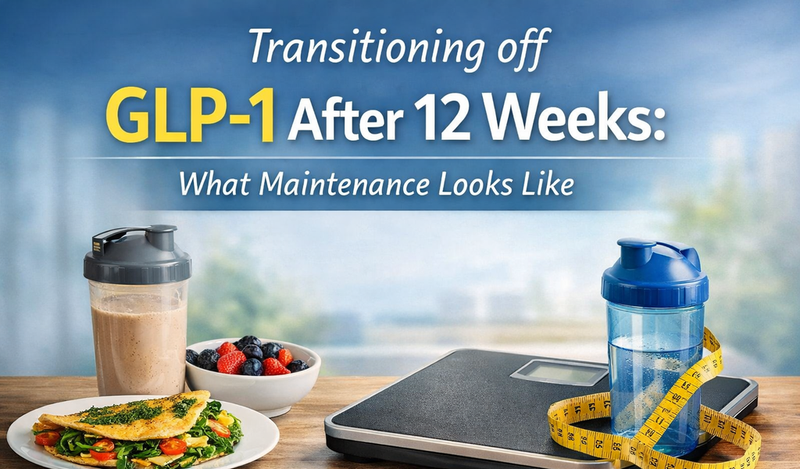
Quick answer: When you come off GLP-1 after 12 weeks, signs of appetite often return gradually. Many people find it helpful to maintain the same meal structure, protein focus, and hydration rate they built up during the program. This phase is less about changing everything and more about maintaining consistent habits while your body recalibrates.

Switching from GLP-1 after 12 weeks can bring mixed feelings. You may feel proud of your progress and unsure of what’s next at the same time. This is normal.

This stage is not a reboot. It is a shift from the assisted regulation of appetite to the self-guided structure.

What changes when you stop GLP-1?

Experiences vary, but commonly discussed patterns include a gradual return of hunger cues. You may notice:

  • More frequent hunger signals
  • Greater interest in eating between meals
  • Cravings that feel more noticeable
  • Fullness that doesn’t last as long

This does not mean that progress is lost. It means your internal cues are becoming more active again. Many people find that keeping the structure in place helps smooth this transition.

What is missing from this stage for many people?

The most common loophole is scheduling maintenance before starvation is fully restored.

Many people prepare for the first week. Fewer prepare for the thirteenth week.

This stage benefits from:

  • A clear protein target mentality
  • Portion awareness without restriction language
  • Continuous hydration between meals
  • Simple grocery store structure
  • Backup snacks for busy days

Think of this phase as habit strengthening, not food tightening.

The first five days of GLP-1 leave

Day 1: stick to your routine

Many people choose to keep their meal timing and protein order exactly the same. The familiar structure reduces decision-making fatigue.

Day 2: hunger may feel stronger

Eating slowly and starting with protein can help you feel stable. You can pause halfway through meals to check comfort.

Day 3: build your safety net

Having ready options reduces reactive options. Many people keep:

Day 4: normalization of mental shift

You’re not going back. Practice self-directed consistency.

Day 5: cravings are a given

Some people choose protein treats instead of high-sugar snacks. Planning helps you respond rather than react.

How should portions shift after stopping GLP-1?

Many people find an increase in appetite before portions are adjusted. A common approach is:

  • Start the protein meals first
  • Pause in the middle of the meal
  • Add vegetables or fiber before adding refined carbohydrates
  • Keep snacks intentional and not automatic

This keeps the structure in place without rigid rules.

What does a fixed maintenance plate look like?

Simple maintenance meal structure
IngredientWhat does it support?Examples
First the proteinSaturation and stabilityShake, bar, eggs, lean meat, soup
Foods rich in fiberFullness and digestionVegetables, berries, beans (as tolerated)
Smart carbsEnergy and balanceWhole grains or fruits in moderate portions

This approach supports consistency without labeling foods as good or bad.

Hydration and electrolytes during transition

Hydration still matters after GLP-1. Many people continue to drink most of their fluids between meals instead of during meals.

Some people choose low- or no-sugar electrolyte powders between meals, especially during heat or activity. Large volumes during meals can fill the stomach.

What about vitamins or supplements?

Food is often the foundation. During maintenance, some people discuss with their provider:

Iron supplementation should only be used if advised by a clinician.

Common emotional shifts after GLP-1 discontinuation

This stage can bring uncertainty. You may notice:

  • The fear of losing progress
  • Increased thoughts about food
  • Increased awareness of hunger

These responses are common. Structure reduces stress. Planning restores trust.

Basic package: the structure protects the momentum

When appetite changes, your habits matter more than ever. Keeping protein consistent, planning snacks, and hydrating between meals often creates a smoother transition. You keep moving forward with skills you’ve already built.

What might weeks 13-16 be like after GLP-1?

After the first week off GLP-1, many people go from transition mode to a maintenance rhythm. Appetite often seems more predictable at this stage. Focus becomes consistency, not tightness.

A common approach during weeks 13-16 involves consistent protein, simple meal rotation, and purposeful snacking. The goal is stability.

This sample rate is flexible. Some people add variety. Some simplify even more. What matters most is that your structure is sustainable.

Weeks 13-16 are often where confidence is built. You are not testing yourself. You reinforce habits that support long-term stability.

Frequently asked questions

Many people notice that hunger gradually returns over several days. Appetite patterns vary. Keeping the protein and structure stable can help ease the transition.

A common approach is to keep the same routine at first. Adjustments often become easier once appetite is established.

Cravings are common as hunger settles. Scheduling protein snacks can help you respond intentionally instead of reactively.

Maintenance does not have a fixed schedule. Many people think of it as an ongoing phase rather than a short window. Early maintenance often involves weeks 13-16, when habits are strengthened without medication support. Over time, structure becomes routine and consistency becomes the focus.

Sources and further reading

This content is for general information and support only and is not a substitute for medical advice. Always talk to your healthcare provider about what is right for you. Nashua Nutrition does not employ medical professionals and does not provide clinical care.

← Previous post

GLP1 Switch Weeks
bhanuprakash.cg
healthtost
  • Website

Related Posts

5 Easy High Fiber Bowl Recipes

July 8, 2026

Salmon Teriyaki Recipe (Ridiculously Easy!) • Kath Eats

July 8, 2026

Can exercise counteract a high-fat meal?

July 6, 2026

Leave A Reply Cancel Reply

Don't Miss
News

Specialized therapies offer a new approach to regenerative medicine

By healthtostJuly 10, 20260

A healthy bone marrow (BM) produces almost all the types of cells in our blood.…

New genomic map identifies hundreds of genes governing bone health

July 10, 2026

Emotional capitalism and artificial intimacy

July 10, 2026

UCSF and Samsung launch remote study of aging brain health

July 9, 2026
Stay In Touch
  • Facebook
  • Twitter
  • Pinterest
  • Instagram
  • YouTube
  • Vimeo
TAGS
Baby benefits body brain cancer care Day Diet disease exercise finds Fitness food Guide health healthy heart Improve Life Loss Men mental Natural Nutrition Patients People Pregnancy research reveals risk routine sex sexual Skin Skincare study Therapy Tips Top Training Treatment ways weight women Workout
About Us
About Us

Welcome to HealthTost, your trusted source for breaking health news, expert insights, and wellness inspiration. At HealthTost, we are committed to delivering accurate, timely, and empowering information to help you make informed decisions about your health and well-being.

Latest Articles

Specialized therapies offer a new approach to regenerative medicine

July 10, 2026

New genomic map identifies hundreds of genes governing bone health

July 10, 2026

Emotional capitalism and artificial intimacy

July 10, 2026
New Comments
    Facebook X (Twitter) Instagram Pinterest
    • About Us
    • Contact Us
    • Privacy Policy
    • Terms and Conditions
    • Disclaimer
    © 2026 HealthTost. All Rights Reserved.

    Type above and press Enter to search. Press Esc to cancel.