

Close Menu
Healthtost
  • News
  • Mental Health
  • Men’s Health
  • Women’s Health
  • Skin Care
  • Sexual Health
  • Pregnancy
  • Nutrition
  • Fitness
  • Recommended Essentials
What's Hot

A cancer-causing contaminant in drugs and meat

May 3, 2026

Landmine Training and Why I Love It – Tony Gentilcore

May 3, 2026

Five-target drug beats GLP-1/GIP therapy in obese diabetic mice

May 3, 2026
Facebook X (Twitter) Instagram
  • About Us
  • Contact Us
  • Privacy Policy
  • Terms and Conditions
  • Disclaimer
Facebook X (Twitter) Instagram
Healthtost
SUBSCRIBE
  • News

    Five-target drug beats GLP-1/GIP therapy in obese diabetic mice

    May 3, 2026

    How fast your face ages can predict cancer survival outcomes

    May 2, 2026

    AI scribes save doctors time, but fail to reduce overtime

    May 2, 2026

    Identifying the ages at which Alzheimer’s biomarkers change sharply

    May 1, 2026

    Timing of food may shape how T cells respond to infection and therapy

    May 1, 2026
  • Mental Health

    Every mental health journey starts with being seen

    May 2, 2026

    What animal studies teach us about toxic work environments

    April 27, 2026

    I hate hope: How to manage hope when you have treatment-resistant bipolar disorder

    April 19, 2026

    Rose Byrne is raw, magnetic and unfiltered as a woman in crisis

    April 18, 2026

    Can a single mother change her child’s surname in India?

    April 16, 2026
  • Men’s Health

    3 Day Home Workout Plan: Build Muscle and Burn Fat

    April 30, 2026

    GLP-1 drugs promise broader health benefits, but experts advise caution on use

    April 28, 2026

    Trauma patients recover faster when medical teams know each other well, new study finds

    April 28, 2026

    I did red light therapy for 3 months so I shouldn’t have

    April 27, 2026

    Sex Secrets for Men Over 40: Surviving Male Menopause

    April 27, 2026
  • Women’s Health

    What is the difference between UVA and UVB rays?

    May 1, 2026

    Are you a fungus fanatic? We unpack the nutritional trend of mushroom mania

    April 29, 2026

    What the Patients’ Bill of Rights Could Mean for Black Women

    April 29, 2026

    Navigating sexual health during and after cancer

    April 28, 2026

    Do tampons break the hymen? Facts, Myths and What You Need to Know – Vuvatech

    April 27, 2026
  • Skin Care

    The truth about waterless care: What your skin really needs

    May 2, 2026

    What happens to your skin while you sleep? (the science of “Beauty Sle

    May 1, 2026

    Face Peeling Mask Guide: Shine Without Irritation

    April 28, 2026

    Is your moisturizing face mist really drying out your skin?

    April 28, 2026

    Uses and Benefits of TNW Natural Aloe Vera Face Gel – The Natural Wash

    April 27, 2026
  • Sexual Health

    Boost erectile health and confidence

    May 1, 2026

    Judicial Restrictions on Abortion COVID-19 < SRHM

    April 30, 2026

    Can herpes affect fertility?

    April 29, 2026

    The Importance of Personalized Care in Medication Assisted Therapy (MAT) Programs I Novus

    April 28, 2026

    Your favorite mold is lying to you (a little) — Sexual Health Alliance

    April 28, 2026
  • Pregnancy

    Why is anemia during pregnancy high in Indian women?

    May 2, 2026

    5 things you need for the third trimester

    May 1, 2026

    Eating disorders in pregnancy and breastfeeding: Why “healthy eating” is not always easy

    May 1, 2026

    Comprehensive yoga for pregnancy, birth and beyond

    April 29, 2026

    Midwifery and Life – The postnatal health check New mums don’t know they can ask for

    April 28, 2026
  • Nutrition

    A cancer-causing contaminant in drugs and meat

    May 3, 2026

    How Nutrition Supports Mood, Energy and Gut Health

    May 2, 2026

    How to create a self-care plan when you’re stressed

    May 1, 2026

    I answer the most HOT Questions about Fatty Liver

    April 29, 2026

    Why You’re Not Losing Weight After 35 (Even When You Eat Less)

    April 28, 2026
  • Fitness

    Landmine Training and Why I Love It – Tony Gentilcore

    May 3, 2026

    9 Powerful Fitness Tips for Pear Shaped Bodies

    May 2, 2026

    If you can still do these 7 things at 60, your body is aging better than most

    May 2, 2026

    A Hike Leader’s Must-Have Kit

    April 30, 2026

    Menopausal Hair Loss Solutions: 10 Expert Tips

    April 29, 2026
  • Recommended Essentials
Healthtost
Home»Men's Health»Study shows daily glucose levels fluctuate more than previously thought, challenging diabetes diagnosis
Men's Health

Study shows daily glucose levels fluctuate more than previously thought, challenging diabetes diagnosis

healthtostBy healthtostApril 12, 2024No Comments5 Mins Read
Facebook Twitter Pinterest LinkedIn Tumblr Reddit WhatsApp Email
Study Shows Daily Glucose Levels Fluctuate More Than Previously Thought,
Share
Facebook Twitter LinkedIn Pinterest WhatsApp Email

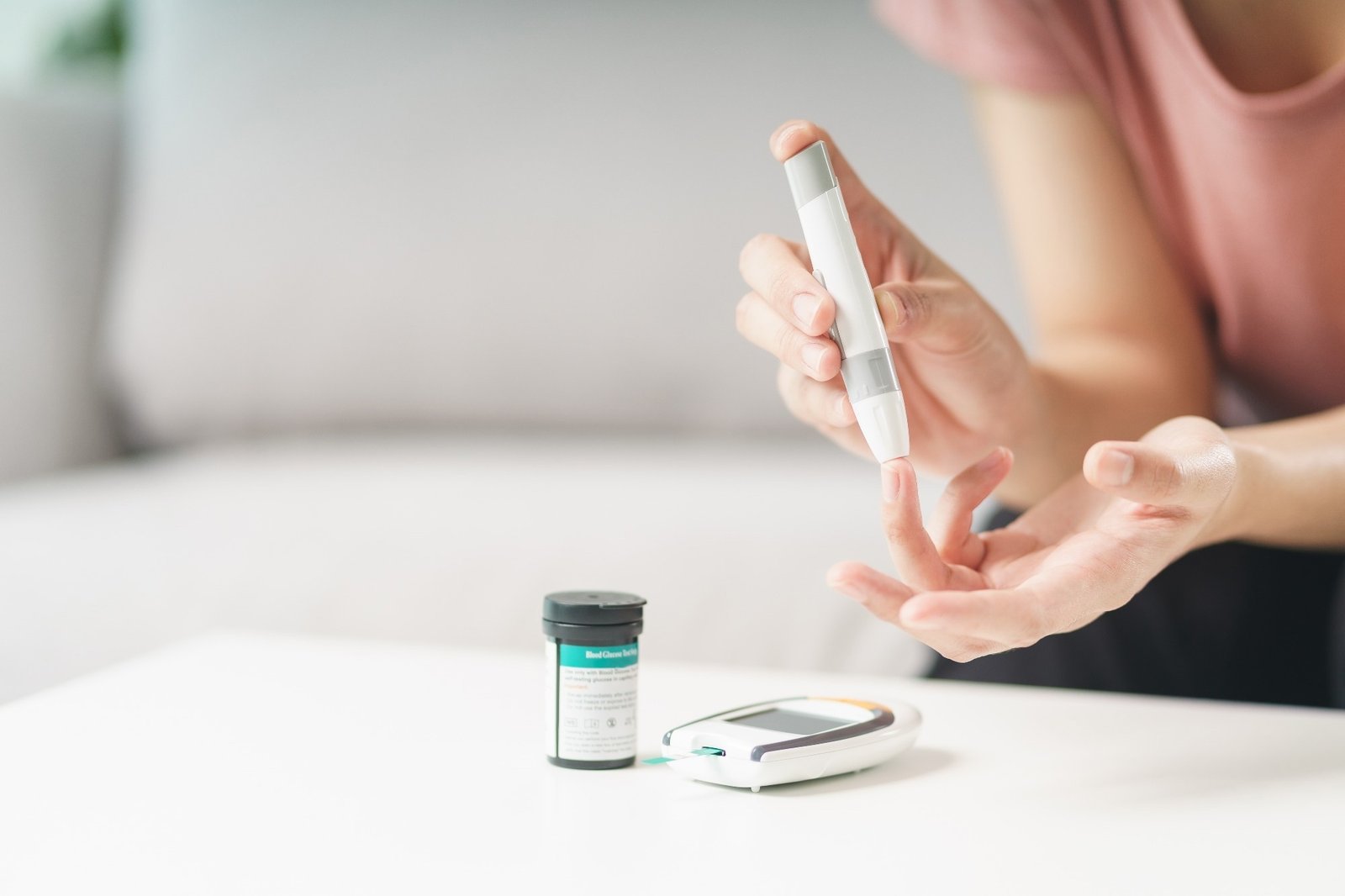
In a recent study published in the journal Nature Medicineresearchers examined fasting glucose (FG) variability in nondiabetic adults using continuous glucose monitoring (CGM), assessing its impact on diabetes classification and its association with clinical measures.

Study: Continuous glucose monitoring and intraindividual variability in fasting glucose. Image credit: Suriyawut Suriya / Shutterstock

Record

The global increase in prediabetes and diabetes poses significant health risks and economic burdens. Diagnosis is mainly based on elevated fasting plasma glucose (PFG), glycated hemoglobin (HbA1c) levels, oral glucose tolerance test (OGTT) or random plasma glucose in symptomatic individuals. However, OGTT is often bypassed due to its cost and inconvenience, leaving PFG and HbA1c as the main diagnostic tools, especially for asymptomatic cases. Despite its diagnostic importance, the day-to-day variability of PFG in non-diabetic individuals remains unexplored, potentially leading to misdiagnosis. CGM devices, which measure interstitial glucose levels, offer improved accuracy over time and are now used independently or in hybrid closed-loop systems for insulin dosing. Further research is needed to develop CGM-based diagnostic criteria that accurately reflect the interindividual variability of FG levels and their clinical implications.

About the study

The present study analyzed data from the 10K study, focusing on people aged 40 to 70 years. At baseline, various measures including lifestyle, dietary habits, vital signs and medical history were collected alongside specific tests such as blood tests, electrocardiography and CGM using the FreeStyle Libre Pro Flash system for two weeks. This study included participants without a self-reported diagnosis of type 2 diabetes or related conditions who also participated in active meal recording along with their CGM data. Exclusion criteria were strict, including abnormal CGM readings and inadequate meal recording.

The research placed particular emphasis on FG measurements during the morning hours, using CGM data to observe intra-individual variability and its potential impact on diabetes diagnosis. The methodology ensured a realistic simulation of fasting conditions, relying on at least 8 hours of no caloric intake before the measurement windows and strict meal recording criteria. A total of 8,315 subjects with 59,565 morning fasting windows were analyzed for FG variability and its association with various clinical measures, including anthropometry, vital signs, and sleep monitoring, among others. Sleep monitoring used the Food and Drug Association (FDA)-the WatchPAT-300 device was approved, while detailed retinal imaging and other health metrics were carefully analyzed for associations with FG variability. In addition, the study applied statistical analyzes to investigate the relationship between FG variability and clinical measurements, taking age and gender into account.

Study results

By analyzing FG readings from 8,315 people in 59,565 morning windows, the researchers delved into the details of FG variability and its implications for diabetes classification. Study participants, on average 51.3 years old, had a mean body mass index (BMI) of 25.92 ± 4.07 kg m−2. Data collection was rigorous, with morning FG measurements performed between 06:00 and 09:00, after a pre-specified minimum of 8 hours of fasting, although the actual mean duration of fasting was over 10 hours. Notably, fasting duration did not show a significant correlation with FG values.

Study methodology was thorough in calculating FG for each individual, ensuring valid morning windows through strict criteria, including active meal recording. This large-scale examination revealed a mean FG value of 96.2 mg dl−1, which was observed to increase slightly with age, indicating a gradual increase in glucose levels over time. The analysis also highlighted significant day-to-day variability in FG measurements across subjects, a finding that highlights the complex nature of glucose metabolism and its sensitivity to various factors.

When assessing the potential for misclassification of diabetes and pre-diabetes based on FG levels, the research found considerable variability. A notable proportion of participants experienced changes in their glycemic status classification throughout the study, emphasizing the limitations of relying on a single FG measurement to diagnose diabetes. This variability, combined with the narrow range defining normal and diabetic FG levels, suggests the need for refined diagnostic criteria to better accommodate individual variations in glucose readings.

The study also examined the clinical associations of FG variability with various health markers, including body composition, blood pressure, and liver function. Interestingly, FG variability showed significant correlations with several clinical measures, underscoring its potential as a marker for metabolic health. In particular, associations with body composition and daily caloric intake suggest that FG variability may reflect broader metabolic processes beyond glucose regulation alone.

conclusions

In summary, this research analyzed FG data from 8,315 nondiabetic subjects using CGM, revealing significant FG variability that calls into question the reliability of current PFG-based diabetes diagnostic criteria. Initial classifications showed that most participants had normal FG levels, but further measurements suggested a significant shift towards prediabetes, highlighting the risk of misclassification. The study showed that increasing the number of FG tests could significantly reduce misdiagnosis. In addition, it found significant correlations between FG levels and various clinical measures within normal glucose limits, suggesting the need for a better approach to diabetes diagnosis that takes into account the variability and dynamic nature of FG levels.

challenging Daily Diabetes diagnosis fluctuate glucose levels previously shows study thought
bhanuprakash.cg
healthtost
  • Website

Related Posts

3 Day Home Workout Plan: Build Muscle and Burn Fat

April 30, 2026

Research shows women are confused about when to start mammograms

April 29, 2026

GLP-1 drugs promise broader health benefits, but experts advise caution on use

April 28, 2026

Leave A Reply Cancel Reply

Don't Miss
Nutrition

A cancer-causing contaminant in drugs and meat

By healthtostMay 3, 20260

Billions of dollars worth of drugs have been pulled from the market for less carcinogenic…

Landmine Training and Why I Love It – Tony Gentilcore

May 3, 2026

Five-target drug beats GLP-1/GIP therapy in obese diabetic mice

May 3, 2026

How Nutrition Supports Mood, Energy and Gut Health

May 2, 2026
Stay In Touch
  • Facebook
  • Twitter
  • Pinterest
  • Instagram
  • YouTube
  • Vimeo
TAGS
Baby benefits body brain cancer care Day Diet disease exercise finds Fitness food Guide health healthy heart Improve Life Loss Men mental Natural Nutrition Patients Pregnancy protein research reveals risk routine sex sexual Skin Skincare study Therapy Tips Top Training Treatment ways weight women Workout
About Us
About Us

Welcome to HealthTost, your trusted source for breaking health news, expert insights, and wellness inspiration. At HealthTost, we are committed to delivering accurate, timely, and empowering information to help you make informed decisions about your health and well-being.

Latest Articles

A cancer-causing contaminant in drugs and meat

May 3, 2026

Landmine Training and Why I Love It – Tony Gentilcore

May 3, 2026

Five-target drug beats GLP-1/GIP therapy in obese diabetic mice

May 3, 2026
New Comments
    Facebook X (Twitter) Instagram Pinterest
    • About Us
    • Contact Us
    • Privacy Policy
    • Terms and Conditions
    • Disclaimer
    © 2026 HealthTost. All Rights Reserved.

    Type above and press Enter to search. Press Esc to cancel.