

Close Menu
Healthtost
  • News
  • Mental Health
  • Men’s Health
  • Women’s Health
  • Skin Care
  • Sexual Health
  • Pregnancy
  • Nutrition
  • Fitness
  • Recommended Essentials
What's Hot

Fluffy Cottage Cheese Chocolate Cookies for Kids

June 18, 2026

How to Stay Active and Get Your 10,000 Daily Steps in Auto-centric Houston

June 18, 2026

The nutrient in breast milk boosts the long-term development of the immune system

June 18, 2026
Facebook X (Twitter) Instagram
  • About Us
  • Contact Us
  • Privacy Policy
  • Terms and Conditions
  • Disclaimer
Facebook X (Twitter) Instagram
Healthtost
SUBSCRIBE
  • News

    The nutrient in breast milk boosts the long-term development of the immune system

    June 18, 2026

    Rethinking PMOS redefines a common hormonal disorder as a disease of the whole body

    June 18, 2026

    WashU study identifies common target for new diarrhea vaccine

    June 17, 2026

    The study shows how career interests translate into important life choices over decades

    June 17, 2026

    The heart tissue repair drug may also help repair and regenerate damaged kidney tissue

    June 16, 2026
  • Mental Health

    10 Ways to Find Your Purpose as a Married Woman

    June 17, 2026

    Performing under pressure? For athletes it depends on 3 main things

    June 14, 2026

    GLP-1 drugs like Ozempic promise more than just weight loss. But what is science versus hype?

    June 10, 2026

    Expectations of Indian Daughters: 10 Weird

    June 8, 2026

    How to Encourage a Child to Try New, Scary Things (Without Injuring Him in the Process)

    June 5, 2026
  • Men’s Health

    Higher BMI increases risk of 19 cancers as global review widens obesity-cancer link

    June 17, 2026

    Lane 1 of the track

    June 16, 2026

    What do I eat in a day?

    June 16, 2026

    Looking for love in all the right places: Healing the wounds that undermine our relationships

    June 15, 2026

    Fathers shape childhood obesity risk long before birth

    June 10, 2026
  • Women’s Health

    How to Monitor Core Body Temperature (Step by Step)

    June 18, 2026

    Soprano star Jamie-Lynn Sigler talks about multiple sclerosis

    June 18, 2026

    Is there a difference between body, soul and spirit?

    June 16, 2026

    Uncovering the Latest Amino Acid Link to Weight Loss: The Cysteine ​​Link

    June 14, 2026

    Our Health Survey is ongoing. We have until July 13 to fight back.

    June 14, 2026
  • Skin Care

    What is my skin type and why it matters

    June 18, 2026

    Ingredient Spotlight: Betaine – Woohoo Body

    June 17, 2026

    The best waterproof eyeliner for sensitive eyes and allergies

    June 16, 2026

    What is shea butter? Benefits & Uses

    June 16, 2026

    Knowing your plants is a plus – but formulation has different rules – Sally B’s Skin Yummies

    June 15, 2026
  • Sexual Health

    Fildena 120 How It Works

    June 18, 2026

    Abortion bans, restrictions could cost US economy $140 billion: New report

    June 17, 2026

    Sex and human rights in the digital age

    June 16, 2026

    Can COVID increase the risk of developing HPV-related cancer?

    June 16, 2026

    Complete Career Guide — Sexual Health Alliance

    June 15, 2026
  • Pregnancy

    Decode your Fingerprint. Rewire Your Parenting – From Birth Story to Conscious Motherhood

    June 18, 2026

    Amazing group baby shower gift ideas for a coworker

    June 16, 2026

    Nosebleeds in Pregnancy: Causes and Safe Treatments

    June 14, 2026

    What can they do for women? – Pink stork

    June 14, 2026

    A one-of-a-kind pregnancy magazine: for reflection, healing and growth

    June 11, 2026
  • Nutrition

    Fluffy Cottage Cheese Chocolate Cookies for Kids

    June 18, 2026

    Fluffy Indian basmati rice

    June 17, 2026

    Arrae Tone Gummies: A New Marketing Grift

    June 15, 2026

    The vaginal health boom and why it matters

    June 14, 2026

    Diagon Alley, Gringotts, Toothsome & Our Last Day • Kath Eats

    June 14, 2026
  • Fitness

    How to Stay Active and Get Your 10,000 Daily Steps in Auto-centric Houston

    June 18, 2026

    ‘Squatter Hunter’ Flash Shelton Reveals The Scaling Tactics That Help Him Reclaim Homes Safely

    June 16, 2026

    My experience at Korean Head Spa

    June 14, 2026

    The Fitness Zeitgeist – Tony Gentilcore

    June 13, 2026

    Too busy for the gym? Try this 21-minute workout

    June 12, 2026
  • Recommended Essentials
Healthtost
Home»Men's Health»Study links highly processed foods to gut health risks
Men's Health

Study links highly processed foods to gut health risks

healthtostBy healthtostFebruary 27, 2024No Comments5 Mins Read
Facebook Twitter Pinterest LinkedIn Tumblr Reddit WhatsApp Email
Study Links Highly Processed Foods To Gut Health Risks
Share
Facebook Twitter LinkedIn Pinterest WhatsApp Email

In a recent review published in the journal Nature Reviews Gastroenterology & Hepatologyresearchers synthesized current knowledge about how food additives and ultra-processed foods (UPFs) affect gut health.

As UPFs and food additives become more common in diets worldwide, they have been implicated in adverse gut outcomes such as alterations in microbial communities and intestinal permeability, leading to chronic inflammation or diseases such as inflammatory bowel disease (IBD), irritable bowel syndrome bowel (IBS). and colon cancer. However, human intervention studies on this topic are limited.

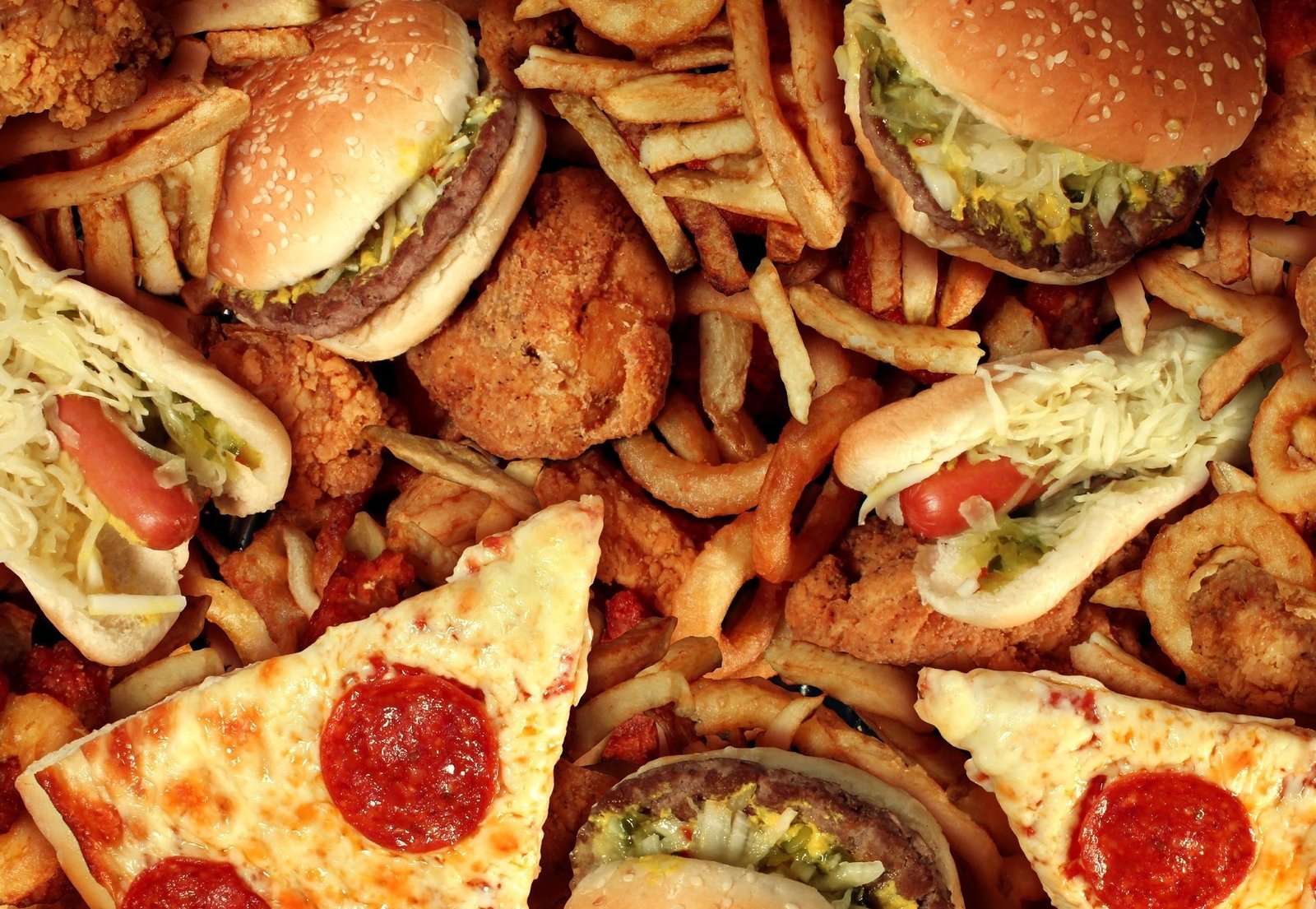
Study: Ultra-processed foods and food additives for gut health and disease. Image credit: Lightspring / Shutterstock

UPF identification

To classify foods as UPF, nutritionists use criteria related to how different a product is from the original unprocessed ingredient, how it is processed, whether additives have been used, whether it is commercially produced instead of homemade, and whether it is used for appearance or convenience . .

However, different classification systems make comparisons difficult. the most common has been adopted by the Food and Agriculture Organization of the United Nations and includes powdered and packaged foods, carbonated soft drinks and sugary breakfast cereals as UPF. However, some foods, such as whole-wheat bread and plant-based meat alternatives, are widely considered healthy but qualify for the UPF.

UPF consumption and gut health

While UPFs are widespread, there are large differences between individuals and countries. In the United States, UPF consumption accounts for 59.7% and 67% of energy intake in American adults and youth, respectively.

Individual characteristics associated with consuming more UPF include female sex, younger age, lower income, lower education, living alone, being overweight or obese, lower physical activity, and screen use during meals.

People who consume more UPF have more free sugars, saturated fat, and energy in their diets but less dietary fiber, protein, and many micronutrients. Vegetarians and vegans are more likely to consume UPF, while those following Mediterranean diets consume less.

Controlling for dietary quality and nutrient intake, there is evidence of an association between UPF consumption and disease. However, UPF intake from fruit yogurts, fortified breakfast cereals and wholemeal bread is healthier than the same level of UPF consumption from ready meals, burgers and pastries.

Cohort studies have found that UPF consumption is associated with higher mortality and morbidity from cancer, cardiovascular disease, and type 2 diabetes. Observational studies show associations with depression, metabolic syndrome, overweight, and obesity. These effects likely come from the processing rather than the nutrient and energy content of UPFs.

Additionally, cohort studies looking at UPF consumption and IBD (ulcerative colitis and Crohn’s disease) found that those who consumed more UPF faced the highest risk. Similar results were found when examining only Crohn’s disease but not ulcerative colitis. A cohort study found significant associations between UPF consumption and IBS and functional dyspepsia but not functional diarrhea or constipation. UPF intake has also been implicated in male distal colon cancer and colon adenoma.

Due to methodological inconsistencies, including the use of self-reported dietary data, results may be biased, and comparisons between studies and the use of meta-analytic methods are limited. The negative health effects associated with UPFs may be due to their effect on the gut microbiome, but this has only been investigated in two studies.

Effects of food additives

Food additives include sweeteners, colors, stabilizers, emulsifiers, thickeners and gelling agents. There is significant overlap between UPFs and food additives, as an item containing a commercial food additive is considered a UPF. Mechanistic studies of the effect of food additives on the microbiome have included animal and in vitro studies, with few investigations in human populations.

In vitro studies show that emulsifiers such as polysorbate 80 can cause bacterial overgrowth of the small intestine, while carboxymethylcellulose (CMC) can translocate bacteria to the in vitro epithelium. This could lead to chronic inflammatory disease, which has been shown in mouse studies. Consumption of CMC and polysorbate 80 was also associated with tumor growth and anxiety-like behaviors in mice.

Artificial sweeteners, which pass through the gastrointestinal tract but are not digested, come into direct contact with the gut microbiota, but this has not been well studied in humans. However, in vitro and animal studies show that sweeteners such as aspartame, sucralose, and saccharin can modify the microbiome, disrupt gut permeability, shorten colon length, and increase mortality.

However, these were short-term studies with much higher doses than those used in humans. An observational study in humans found no differences in microbial consumption after four days of sweetener consumption, but did not control for background diet and dose-response relationships.

A randomized controlled trial found that constipation, diarrhea, heartburn, and postprandial discomfort increased after five weeks of consuming sweeteners, while epigastric pain, early satiety, and abdominal pain were lower in a control group on a low-sweetener diet .

conclusions

There is clear evidence that UPFs and food additives lead to adverse health outcomes, but methodological inconsistencies and gaps in human testing need to be addressed. The authors emphasize the need for high-quality evidence to interpret the effects of dietary interventions. As UPF availability and consumption increase, public health policy should aim to reshape UPF and consumer behavior.

Journal Reference:

  • Ultra-processed foods and food additives for gut health and disease. Whelan, K., Bancil, AS, Lindsay, JO, Chassain, B. Nature Reviews Gastroenterology & Hepatology (2024). DOI: 10.1038/s41575-024-00893-5,
foods gut health Highly links processed Risks study
bhanuprakash.cg
healthtost
  • Website

Related Posts

WashU study identifies common target for new diarrhea vaccine

June 17, 2026

The study shows how career interests translate into important life choices over decades

June 17, 2026

Higher BMI increases risk of 19 cancers as global review widens obesity-cancer link

June 17, 2026

Leave A Reply Cancel Reply

Don't Miss
Nutrition

Fluffy Cottage Cheese Chocolate Cookies for Kids

By healthtostJune 18, 20260

Protein, protein, protein. It’s everywhere right now, isn’t it? As a nutritionist mom of three,…

How to Stay Active and Get Your 10,000 Daily Steps in Auto-centric Houston

June 18, 2026

The nutrient in breast milk boosts the long-term development of the immune system

June 18, 2026

How to Monitor Core Body Temperature (Step by Step)

June 18, 2026
Stay In Touch
  • Facebook
  • Twitter
  • Pinterest
  • Instagram
  • YouTube
  • Vimeo
TAGS
Baby benefits body brain cancer care Day Diet disease exercise finds Fitness food Guide health healthy heart Improve Life Loss Men mental Natural Nutrition Patients Pregnancy protein research reveals risk routine sex sexual Skin Skincare study Therapy Tips Top Training Treatment ways weight women Workout
About Us
About Us

Welcome to HealthTost, your trusted source for breaking health news, expert insights, and wellness inspiration. At HealthTost, we are committed to delivering accurate, timely, and empowering information to help you make informed decisions about your health and well-being.

Latest Articles

Fluffy Cottage Cheese Chocolate Cookies for Kids

June 18, 2026

How to Stay Active and Get Your 10,000 Daily Steps in Auto-centric Houston

June 18, 2026

The nutrient in breast milk boosts the long-term development of the immune system

June 18, 2026
New Comments
    Facebook X (Twitter) Instagram Pinterest
    • About Us
    • Contact Us
    • Privacy Policy
    • Terms and Conditions
    • Disclaimer
    © 2026 HealthTost. All Rights Reserved.

    Type above and press Enter to search. Press Esc to cancel.