


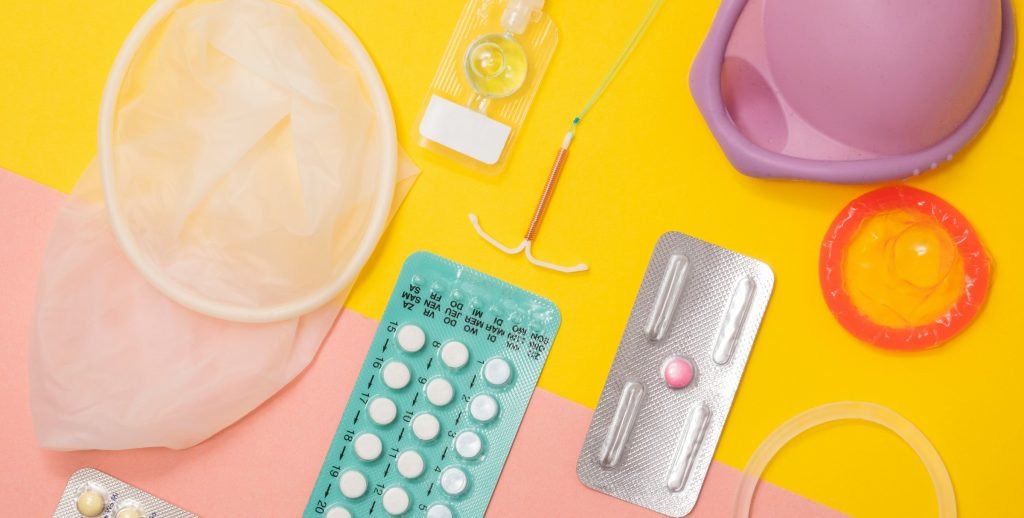
Contraception is a vital part of maintaining your sexual health. While it can help prevent unplanned pregnancies, it also plays a critical role in preventing sexually transmitted infections (STDs).
However, it is important to note that not all forms of contraception provide protection against STIs. That’s why it’s important to use the right type of contraception for your lifestyle and circumstances and combine it with regular STD tests.
In this blog, we’ll look at several different types of birth control you can use, how they help prevent STDs, how they can be used, and who should use them.
Worried about STDs? Try it today.
Understanding STDs
STDs are infections that are spread from one person to another through sexual intercourse and skin-to-skin contact. They can be caused by bacteria, viruses or parasites and can affect anyone who is sexually active, regardless of age, gender or sexual orientation.
STDs are transmitted through sexual contact, including vaginal, anal, and oral sex. Some STDs can also be transmitted through non-sexual means, such as touching or kissing, from mother to child during pregnancy and childbirth, or through sharing needles.
STDs can be transmitted even if the infected person has no symptoms or is unaware that they have an infection.
The prevalence of STDs
STDs including HIV are a major health concern worldwide. The World Health Organization noted a significant increase in the number of STDs in recent yearswith multidrug-resistant gonorrhea, syphilis, HIV and hepatitis infections presenting serious health challenges to individuals, families and governments.
How are STDs related to contraception?
Contraception, especially barrier methods such as condoms, can play a critical role in preventing the transmission of STIs. They work by creating a natural barrier that stops the exchange of bodily fluids and prevents skin-to-skin contact, thus reducing the risk of infection.
However, no method of contraception is 100% effective, and some forms of contraception, such as birth control pills, offer no protection against STDs. That’s why it’s essential to use contraception correctly and consistently and get tested for STDs regularly.
Barrier methods of contraception
One of the most effective ways to prevent STIs is to use barrier methods. These methods work by creating a physical barrier that prevents the exchange of bodily fluids during sexual activity, thereby reducing the risk of STD transmission.
Male condoms
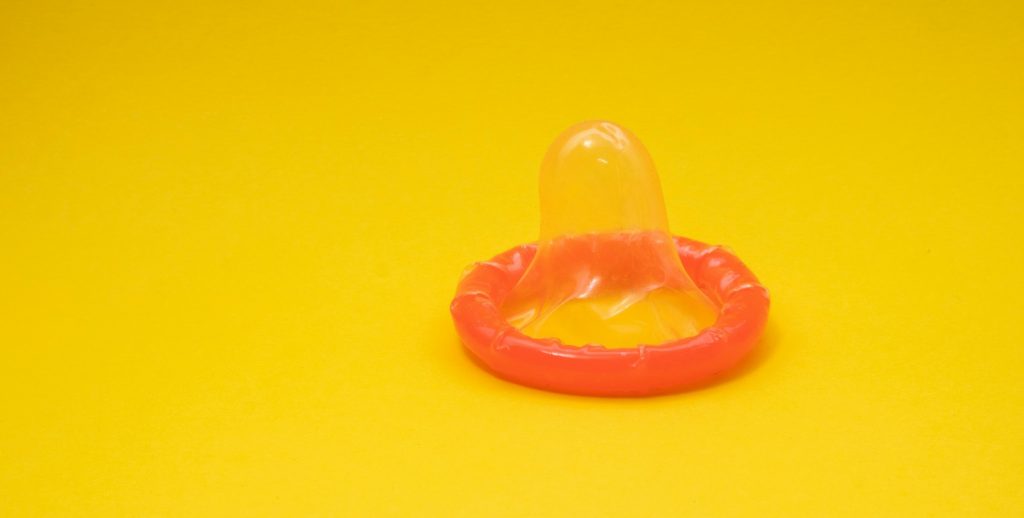
Male condoms are the most common type of barrier contraception worn over the penis during intercourse. They are designed to trap sperm and prevent it from entering your partner’s body, reducing the risk of transmitting STDs and unwanted pregnancies.
Condoms are suitable for all sexually active men and are extremely effective when used correctly and consistently. However, although they provide effective protection, condoms are no guarantee that you won’t get infected. You can wear a condom and still get an STD.
If you have anal sex, you may want to consider using thicker anal sex condoms.
Female condoms
Female condoms, also known as internal condoms and female condoms, are worn inside the vagina to prevent sperm from contacting the vaginal walls.
Like male condoms, they provide a natural barrier that helps prevent the spread of STDs. Female condoms can be a good choice for women who want to take control of their sexual health.
Dental dams
Dental dams are thin, flexible pieces of latex used during oral sex to prevent direct mouth-to-genital or mouth-to-anus contact. This reduces the risk of contracting sexually transmitted diseases that can be transmitted through oral sex.
Dental dams can be used by anyone having oral sex and are especially recommended for use during oral-anal intercourse.
Finger swing
Cots, also known as finger condoms, are small, flexible tubes that fit over the fingers. They are used during sexual activity to prevent direct skin-to-skin or skin-to-fluid contact, reducing the risk of STD transmission during manual stimulation or when applying topical medication. They can be particularly effective in preventing the transmission of syphilis, HPV or herpes. In the case of herpes, the virus can enter your body through a cut on the fingers, which can lead to a condition called Herpetic Whitlow.
Baby cots can be used by anyone and are a good choice for added protection during certain types of sexual activity.
Stay safe the next time you have sex.
Hormonal contraception
Hormonal methods of contraception are highly effective in preventing pregnancy, but it is important to note that they offer no protection against STDs.
Contraceptive pills
Birth control pills, also known as oral contraceptives or birth control pills, contain hormones that prevent ovulation and thicken the cervical mucus to prevent sperm from reaching the egg. They are taken daily and are suitable for most healthy women, but require continuous use to be effective.
Contraceptive patch
The contraceptive patch is a small, sticky patch that releases hormones into your body through the skin to prevent pregnancy. It is worn on the skin and changed weekly for three weeks with a one week break.
Vaginal ring
A vaginal ring is a small, flexible ring that is inserted into the vagina once a month. It releases hormones that prevent ovulation. The ring is suitable for most women who want to prevent unwanted pregnancies.
Injectable contraceptives
Injectable contraceptives are injections of hormones that prevent ovulation, usually given every few months. This method is suitable for women who want long-term contraception and prefer not to take a pill every day.
Implants
Contraceptive implants are small, thin rods that are inserted under the skin of the upper arm. They release hormones that prevent ovulation and can provide up to three years of continuous pregnancy prevention.
Intrauterine Devices (IUDs)
IUDs are small devices that are inserted into the uterus and offer long-term protection against pregnancy.
Hormonal IUS (Intrauterine System)
Hormonal IUSs, commonly called “hormonal coils,” release a small amount of progestogen into the uterus. This hormone thickens cervical mucus to prevent sperm from reaching the egg and can also stop ovulation. Hormonal IUDs can prevent pregnancy for 5 to 10 years, depending on the type.
Copper spirals
The copper IUD, commonly called a “copper coil,” is a non-hormonal form of contraception. It works by releasing copper into the uterus, which creates an inflammatory reaction that is toxic to sperm. Copper IUDs can prevent pregnancy for up to 10 years. They are easy to remove if you want to stop using this method of contraception.
It is important to note that IUDs are not right for everyone. Talk to your healthcare provider to find out which product is right for you
Emergency contraception
Emergency contraception is a method of preventing pregnancy after unprotected sex or contraceptive failure (such as breaking a condom). It is not intended to be used as a regular form of contraception, but as a backup plan.
Pill of the next day
The morning-after pill, sometimes called the emergency contraceptive pill, is a type of emergency contraception that can be taken within 72 hours (three days) of unprotected sex. It contains a hormone called levonorgestrel that prevents or delays ovulation, thus preventing fertilization. The sooner it is taken after unprotected sex, the more effective it is.

Don’t leave it to chance – be prepared the next time you have sex.
The importance of regular STD screening
While correct and consistent use of barrier method contraceptives can significantly reduce the risk of sexually transmitted infections (STDs), they are not a 100% guarantee. That’s why regular STD tests are a critical part of maintaining your sexual health.
Regular screening allows early detection of STDs, many of which may be asymptomatic in the early stages. Early diagnosis can lead to more effective treatment and can prevent long-term health complications. It also helps prevent further spread of STDs.
Final thoughts
At Better2Know, we are committed to providing you with the knowledge, services and support you need to make informed decisions about your sexual health.
Remember, it’s your health and you have the power to protect it. Stay safe, stay informed and take control of your sexual health today.
Get tested at home with home test kits or at a sexual health clinic near you.

Don’t know what to test for? Our full screen tests for the 7 most common UK STDs.
