

Close Menu
Healthtost
  • News
  • Mental Health
  • Men’s Health
  • Women’s Health
  • Skin Care
  • Sexual Health
  • Pregnancy
  • Nutrition
  • Fitness
  • Recommended Essentials
What's Hot

The WHO reports a decline in road traffic fatalities worldwide since 2011

July 21, 2026

Indian Turmeric Rice (So Easy!)

July 20, 2026

Scientists discover hidden cellular network that leads to rapid gut renewal

July 20, 2026
Facebook X (Twitter) Instagram
  • About Us
  • Contact Us
  • Privacy Policy
  • Terms and Conditions
  • Disclaimer
Facebook X (Twitter) Instagram
Healthtost
SUBSCRIBE
  • News

    The WHO reports a decline in road traffic fatalities worldwide since 2011

    July 21, 2026

    Scientists discover hidden cellular network that leads to rapid gut renewal

    July 20, 2026

    New study redefines high-risk criteria for multiple myeloma

    July 20, 2026

    Frequent TV viewing can damage brain health in the long term

    July 19, 2026

    Political polarization is causing an increase in anti-vaccine legislation across the US

    July 19, 2026
  • Mental Health

    I have spent the last 6 months reading hundreds of poems by young people – I was surprised to find hope, not despair

    July 17, 2026

    Is it okay to be imperfect and still be happy? 6 Challenges

    July 15, 2026

    How can you be tired but wired? Blame it on your stone age brain

    July 12, 2026

    Almost 20% of new mums have anxiety or depression, but a promising psychedelic treatment is on the horizon

    July 7, 2026

    How can ART help us improve our mental health? With 3 Ways

    July 5, 2026
  • Men’s Health

    7 Outdoorsman Personality Traits and What They Reveal

    July 20, 2026

    Considering Shockwave Therapy for ED? Here’s what you need to know

    July 18, 2026

    Does the timing of the blood test affect testosterone levels?

    July 17, 2026

    GLP-1 receptor activation is associated with lower odds of depression and bipolar disorder

    July 16, 2026

    The cost of neurophobia in Canadian medical education

    July 16, 2026
  • Women’s Health

    How 2025 Biogen Face of Fitness Jalencke Coetzee builds strength, serves others and protects her well-being

    July 20, 2026

    The O-Shot®: Beyond the Buzzwords, A Guide to Regenerative Medicine for Women’s Sexual Health

    July 19, 2026

    Understanding Breast Cancer – Life Among Women

    July 19, 2026

    5 Signs of an Unhealthy Relationship

    July 17, 2026

    Understanding withdrawal symptoms from common substances

    July 17, 2026
  • Skin Care

    Repêchage® wins AAEI’s 2026 Small Business Exporter of the Year award

    July 19, 2026

    K-Beauty for Celiac Disease and Allergic Skin: What Really Works and

    July 18, 2026

    Shea butter for hair: Benefits and uses

    July 17, 2026

    Your First Men’s Facial: What to Expect at Joanna Vargas

    July 16, 2026

    Summer skin care tips for sensitive skin – why your skin suddenly breaks out

    July 15, 2026
  • Sexual Health

    The Step-by-Step Reality of a No-Needle, No-Scalpel Vasectomy in the Labyrinth

    July 19, 2026

    Why more women are choosing hormone replacement therapy (HRT) at Maze Women’s Health

    July 19, 2026

    S*x in the Shadows of Big Tech

    July 18, 2026

    Do STD rates increase during major events like the World Cup?

    July 17, 2026

    How to Become a Sex Therapist — Sexual Health Alliance

    July 16, 2026
  • Pregnancy

    Free and Cheap Things to Do with a Baby (By Season)

    July 20, 2026

    Foods to avoid during pregnancy for a healthy mom and baby

    July 19, 2026

    What are the best multivitamins for women? – Pink stork

    July 18, 2026

    What are protein supplements during pregnancy and breastfeeding?

    July 17, 2026

    Exercise Wall Angels During Pregnancy: A Step-by-Step Guide

    July 15, 2026
  • Nutrition

    Indian Turmeric Rice (So Easy!)

    July 20, 2026

    Erythritol and Heart Health: Safe or Dangerous?

    July 19, 2026

    IM8 Review: Slip it on like Beckham?

    July 19, 2026

    5 Signs You’re Dealing With Burnout

    July 18, 2026

    Creamy tuna pasta salad with lemon and capers • Kath Eats

    July 17, 2026
  • Fitness

    Editor’s Pick: 10 brands we can’t recommend enough

    July 20, 2026

    The Best Glutathione Supplements | mindbodygreen

    July 18, 2026

    207: What Your Doctor Doesn’t Test | Thyroid, Hormones and Getting Real Answers with Ashley Cruz Arata

    July 17, 2026

    Getting stronger is corrective – Tony Gentilcore

    July 16, 2026

    7 Uplifting Emotional Benefits of Cooking

    July 16, 2026
  • Recommended Essentials
Healthtost
Home»News»Sleep strategies may boost ultramarathon performance, study finds
News

Sleep strategies may boost ultramarathon performance, study finds

healthtostBy healthtostApril 15, 2024No Comments5 Mins Read
Facebook Twitter Pinterest LinkedIn Tumblr Reddit WhatsApp Email
Sleep Strategies May Boost Ultramarathon Performance, Study Finds
Share
Facebook Twitter LinkedIn Pinterest WhatsApp Email

A study published in the journal Sports Medicine – Open provides valuable information on the importance of adequate sleep and sleep management strategies in ultramarathon runners.

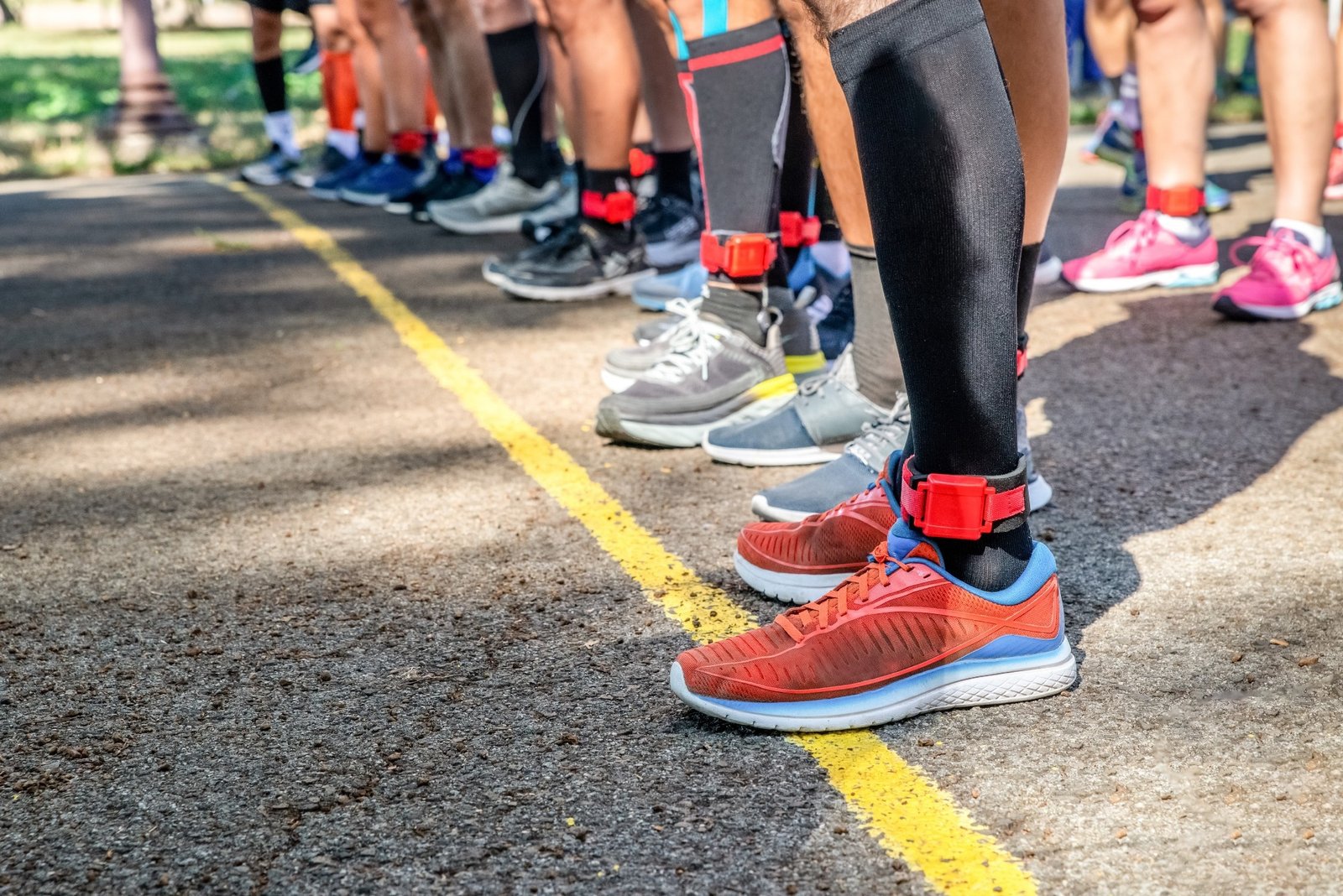
Study: Sleep and Ultramarathon: Exploring Patterns, Strategies and Repercussions of 1,154 Mountain Ultramarathons Finishers. Image credit: EshanaPhoto / Shutterstock

Record

A sufficient amount of sleep is a prerequisite for optimal physical performance. Sleep deprivation of 24 – 30 hours can reduce reaction time and cognitive performance. Improvement in cognitive and motor performance has been observed in individuals following sleep management strategies.

In addition to performance, sleep deprivation can negatively impact recovery after a high-intensity workout. Athletes involved in high-intensity sports such as offshore sailing and ultramarathoning often experience sleep deprivation due to irregular training timing, travel and extended competition duration.

In this study, scientists investigated sleep patterns and management strategies in ultramarathon runners and assessed the effects of sleep deprivation during and after the ultramarathon.

Study design

The study was conducted on 1,154 runners from two ultramarathons: a 165km race with a positive elevation of 9,576 meters and a 111km race with 6,433 meters of elevation gain.

Participants were asked to complete a survey questionnaire, which collected information on demographic characteristics, education characteristics, usual sleep profile, circadian typology, and sleep management strategies. The questionnaire was sent to the participants after the match to retrospectively collect the information from the pre-match, during and post-match periods.

Participants were categorized into three groups based on the number of nights spent during the race: one night, two nights, and three nights. The scientists defined “race overnighters” as runners staying in the race for at least four hours between 6:00 p.m. and 6:00 a.m.

Important observations

About 86% of the study participants were male and the average age of the participants was 43 years. The age and gender of the participants were representative of the overall race principles. The average finish time was 50 hours for the 165 km race and 34 hours for the 111 km race.

The average daily sleep duration of the participants was 7.5 hours. However, they desired an average sleep duration of 8 hours per day. About 19% of participants reported having a history of sleep disorder-related symptoms, including insomnia, sleep apnea, and sleep disorder-related depressive syndrome. About 5% reported taking sleeping pills.

About 58% of the participants reported that they implemented at least one sleep management strategy while preparing for the race. About 18% of the participants reported that they intentionally experienced sleep deprivation during their training for the race.

About 61% of the participants reported that they modified their usual sleeping habits one week before the race. Among them, about 55% reported an increase in their daily sleep duration, 5% reported modifying their sleep schedule, and 1% reported a decrease in daily sleep duration. Additionally, approximately 46% of participants reported experiencing a night of partial sleep deprivation during the week prior to the race.

Most of the participants reported an average total sleep debt of 50 minutes before the race. About 29% of the participants reported having symptoms related to the sleep disorder the night before the race. About 13% of participants reported using sleeping pills or other alternative treatments to help them sleep the night before the race.

Sleep during the match

About 84% and 53% of the 165km and 111km ultramarathon participants reported taking at least one nap during the race, respectively. During the 165 km race, the total sleep duration for each participant was 76 minutes. During the 111km race, the total sleep duration for each participant was 27 minutes.

A significant correlation was observed between cumulative sleep duration and finish time in both races. Most participants (82%) reported taking short naps lasting less than 30 minutes during the race. In terms of nap time, about 80% of participants reported napping during the night, while only 15% reported napping.

Effects of sleep deprivation

About 80% of participants reported experiencing at least one symptom related to sleep deprivation. A variation in the prevalence of symptoms was observed according to the number of nights in the match. The most commonly reported symptoms were decreased alertness and hallucinations.

A lower prevalence of sleep deprivation-related falls was observed among participants with increased average daily sleep duration before the race.

Post-race recovery

Participants reported regaining a normal state of alertness without drowsiness within two days after the race. About 22% of the participants believed that sleep deprivation during the race increased the risk of accidents in everyday life.

Importance of study

The study highlights the importance of sleep management to improve performance and alleviate the negative health effects of sleep deprivation in ultramarathon runners.

The study finds that increasing the daily amount of sleep before a race effectively reduces the risk of falls associated with sleep deprivation during the race.

The study identifies “naps” as the most popular sleep management strategy during the race.

Boost finds performance Sleep Strategies study ultramarathon
bhanuprakash.cg
healthtost
  • Website

Related Posts

The WHO reports a decline in road traffic fatalities worldwide since 2011

July 21, 2026

Scientists discover hidden cellular network that leads to rapid gut renewal

July 20, 2026

New study redefines high-risk criteria for multiple myeloma

July 20, 2026

Leave A Reply Cancel Reply

Don't Miss
News

The WHO reports a decline in road traffic fatalities worldwide since 2011

By healthtostJuly 21, 20260

Despite adding more than a billion motor vehicles to the world’s roads, road traffic deaths…

Indian Turmeric Rice (So Easy!)

July 20, 2026

Scientists discover hidden cellular network that leads to rapid gut renewal

July 20, 2026

7 Outdoorsman Personality Traits and What They Reveal

July 20, 2026
Stay In Touch
  • Facebook
  • Twitter
  • Pinterest
  • Instagram
  • YouTube
  • Vimeo
TAGS
Baby benefits body brain cancer care Day Diet disease exercise finds Fitness food Guide health healthy heart Improve Life Loss Men mental Natural Nutrition Patients People Pregnancy research reveals risk routine sex sexual Skin Skincare study Therapy Tips Top Training Treatment ways weight women Workout
About Us
About Us

Welcome to HealthTost, your trusted source for breaking health news, expert insights, and wellness inspiration. At HealthTost, we are committed to delivering accurate, timely, and empowering information to help you make informed decisions about your health and well-being.

Latest Articles

The WHO reports a decline in road traffic fatalities worldwide since 2011

July 21, 2026

Indian Turmeric Rice (So Easy!)

July 20, 2026

Scientists discover hidden cellular network that leads to rapid gut renewal

July 20, 2026
New Comments
    Facebook X (Twitter) Instagram Pinterest
    • About Us
    • Contact Us
    • Privacy Policy
    • Terms and Conditions
    • Disclaimer
    © 2026 HealthTost. All Rights Reserved.

    Type above and press Enter to search. Press Esc to cancel.