


I’ve seen a lot of negative content about oxalates lately and I think it’s time to step into the fray and separate the fact from the fiction.
As a registered dietitian, my main issue with the general feeling that we should all avoid oxalates or follow a low-oxalate diet is that most foods that contain oxalates are packed with nutrients and fiber. It causes a lot of confusion for consumers when they are told that foods they have always considered “healthy” are poisoning them and making them sick.
Let’s back up a bit.
What are oxalates?
Oxalates are compounds found in many of the foods we eat. Oxalates are formed when oxalic acid binds to minerals in plants. Our body can also produce oxalates in the liver using vitamin C and certain amino acids.

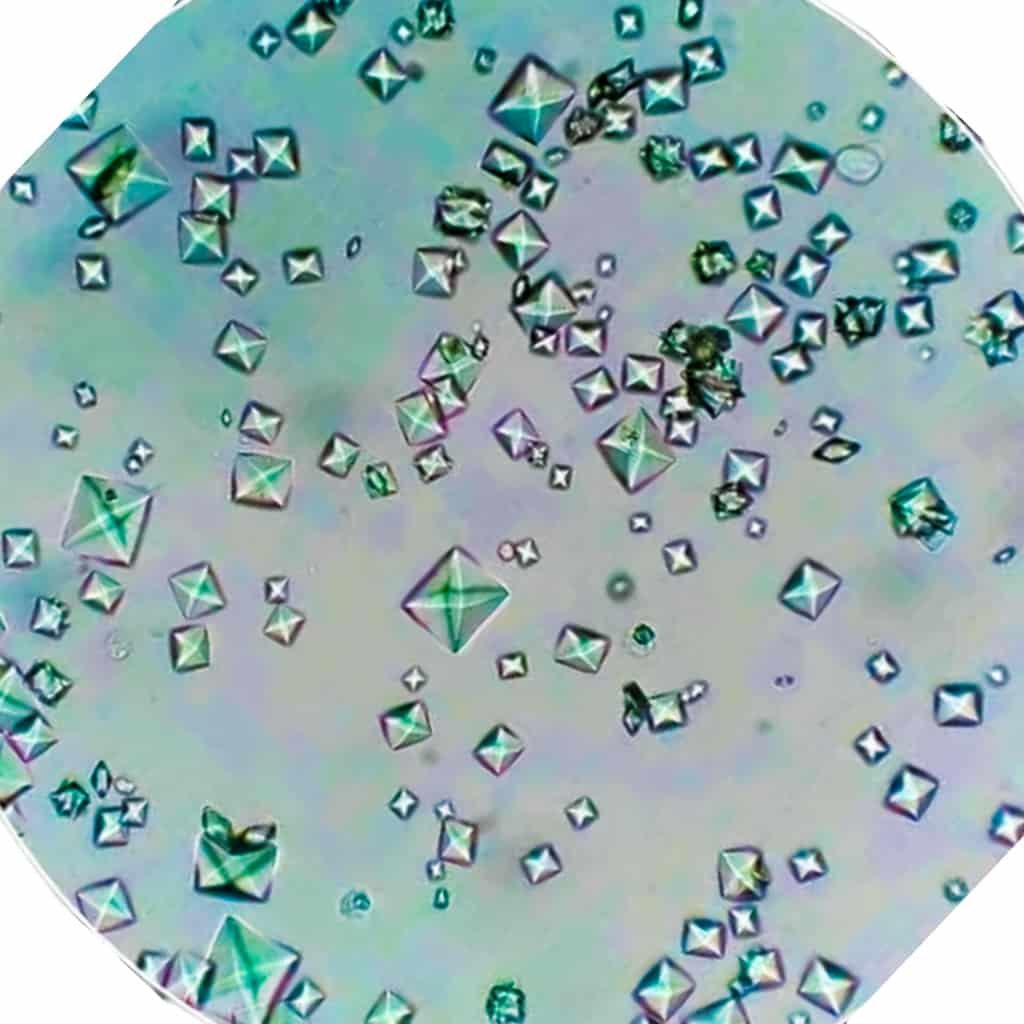
Oxalates are often described as “anti-nutrients” because they bind to certain minerals and inhibit their absorption in the body. Oxalates are also known to bind to calcium, which in some people can cause calcium oxalate kidney stones.
Antinutrients are one thing, but for most of us, they won’t cause nutritional deficiencies or problems. That hasn’t stopped the wellness industry and random social media personalities from blasting antinutrients into a perceived problem (while selling you the solution, of course).
Dr. Gundry is a great example of someone who has made an entire brand out of demonizing lectins, which are another type of anti-nutrient found in many health foods. Phytic acid is another anti-nutrient found in foods like grains and legumes and can bind iron, zinc, magnesium and calcium.
Lectins and phytic acid are both is largely destroyed by cooking and/or vegetation or soaking. This means they are not a health problem for the majority of people, since we generally cook our grains and legumes before eating them.
Raw beans can actually be deadly, due to a lectin called phytohemagglutinin. The good news is that we don’t eat raw legumes, so there’s no need to worry.
Oxalates in leafy greens are significantly reduced by cooking; especially with liquid cooking methods such as boiling. However, there are many people who advise us to avoid leafy greens like spinach and kale altogether because of the oxalates, and this message does not take into account that it is simple to reduce the oxalates in these foods simply by cooking them.
That said, most of us don’t need to worry about it, regardless.
Data check Dr. Steven Gundry: review of his claims.
Read my review of Plant Paradox here
What are foods high in oxalic acid?
Foods high in oxalates include most leafy greens, nuts, wheat bran, some fruits such as kiwi and raspberries, beans, peas, lentils, cocoa and tea.
What are some of the claims made about oxalate?
Oxalates and kidney stones
Oxalates can cause kidney stones in sensitive people – intestinal absorption of oxalates varies between individuals. Recommended that people with a history of oxalate stones consume foods rich in oxalate with calcium or magnesium so that this binding effect can take place, reducing the amount of oxalate in the body.
Some people who are predisposed to oxalate stones may need a low-oxalate diet. or, they may simply be able to eat these foods in small amounts and spread them throughout the day instead of one large amount at once.
It is important to note that oxalate in the diet is often already bound to calcium. This creates insoluble calcium, which we do not absorb, and which is excreted in the stool.
Another way the body forms stones is when excess oxalate in the blood is filtered out by the kidneys. When there is insufficient fluid flow through the kidneys, oxalate can form stones.
Drinking plenty of fluids each day can help prevent this.
How much water do we need every day?
Oxalate inhibits the absorption of other nutrients.
Much of the social media content surrounding oxalate focuses on oxalate’s inhibition of absorption of other nutrients. It can be anxiety-inducing to hear that certain foods we’ve always seen as “healthy” can cause nutrient deficiencies, but in most cases, it’s all hype and no truth.
The bioavailability of oxalate is different in different foods. For example, collards have a high level of oxalates, but the bioavailability is relatively poor.
Oxalate can bind not only to calcium, but also to iron and zinc, two minerals that can be lacking in plant-based diets. But, if you have a varied diet, eating foods high in oxalates probably won’t have any health consequences.
Individual absorption rates as well as the bioavailability of oxalates in various foods make a huge difference here, but even so, most of us can eat oxalates without having to think twice. If you are deficient in the above minerals, I would suggest eating oxalate-rich foods with other low-oxalate foods, plus a calcium source.
Oxalates cause osteoporosis and osteopenia.
Since oxalates bind to calcium, eating large amounts of foods high in oxalates can reduce bone density over time. This can likely be mitigated by cooking these foods to reduce their oxalate content, eating them with low-oxalate foods, and eating oxalate-rich foods with a calcium source.
if you have osteoporosis, it’s important to be aware of the amount of oxalate-rich foods you eat. Your doctor will be able to tell you if you need a low oxalate diet.
Oxalates are neurotoxic.
This is absolutely not supported by scientific evidence. Anyone who makes this claim is someone you should not be taking nutrition or health information from.
Oxalates and leaky gut.
Some people believe that oxalates can damage the gut, but there is no mechanism for this. While oxalates are absorbed in the gut, it is the lining of the gut (and the kidneys) that actually regulate oxalate balance.
Regarding oxalates and gut bacteria, the healthy bacteria in the colon, including one called oxalobacter formigenesdegrade oxalates. Preliminary studies suggest that they are mainly antibiotics (especially tetracyclines, macrolides and fluoroquinolone), which cause reduced levels of oxalobacteria in the gut.
Unfortunately, Current research does not support the use of probiotic oxalobacteria to recolonize the gut with this bacterium.
Is there a leaky gut? Read more here.
GAPS Diet Review: Does Leaky Gut Cause Disease?
Oxalates cause a painful accumulation of crystals in the tissues.
Some professionals and social media personalities I don’t necessarily trust (aka Sara Gottfried – who says she has “dirty oxalate genes” – and Dave Asprey (see my IG video) are two, unfortunately, there are more) tend to to take advantage of the possibility of excess oxalate crystal formation in body tissues.

Unfortunately, “Dr Sara” did not provide relevant resources to support many of her claims in this article. I wonder why.
This condition is called oxalosis and is rare. Occurs when people who already have hyperoxaluria (see below) suffer from reduced kidney function, leading to precipitation of calcium oxalate crystals in organs other than the kidneys.
You probably don’t have oxalate, by the way. If you think you do, please see a doctor – specifically a nephrologist, not a functional medicine provider (or Dave Asprey).
What is hyperoxaluria?
Primary hyperoxaluria is rare and is a genetic condition which causes overproduction of oxalates in the liver. It is not a result of consuming too many oxalates.
Secondary hyperoxaluria occurs when too much oxalate is absorbed through the gut and is generally associated with malabsorptive conditions such as IBD, short bowel syndrome, pancreatic insufficiency, and other causes of fat malabsorption such as bariatric surgery. This is because the fat binds to the calcium, allowing the oxalate to be absorbed. Again, under normal circumstances, Consuming too many oxalates does not cause secondary hyperoxaluria. occurs due to the presence of another condition.
Again, hyperoxaluria is rare. Some estimates put the prevalence of primary hyperoxaluria at 1-3 in 1 million people, or about 1000 people in the US. The prevalence of secondary hyperoxaluria is said to be about 250,000 people in the US. Rates of hyperoxaluria in Asia and Europe appear to be higher.
While it is possible to eat so many oxalates that you cause hypoxaluria, this appears to be an extreme situation. Most of the research done on diet induced hypokalemia is actually case studies looking at one person and their condition.
The case studies I saw included: A person who ate more than a cup of peanuts a day (with beer, but low in oxalate) developed kidney stones. Peanuts were not proven to be the source of his oxalate stones. Another had a dietary intake of oxalate that was four times higher than the US average. He had another kidney stones from chaga tea.
Because they are small and very specific to one individual, these types of studies are not generally applicable to the wider population.
Should you avoid oxalates/be on a low oxalate diet?
Unless you have an actual medical diagnosis that your doctor told you to cut back on oxalates, you should probably eat them. Even if you have a condition that affects oxalate absorption, you probably don’t need to avoid oxalates completely, but you should definitely seek the advice of your doctor and dietitian.
The general recommendation from reputable health professionals and scientific research is that leafy greens, nuts, fruits, beans and potatoes (white and sweet) promote health – rich in nutrients, fiber and antioxidants. Cooking foods high in oxalates, eating them with other foods (especially calcium-rich foods), and eating a varied, balanced diet can, in most people, reduce or eliminate any potential nutrient deficiencies from eating these foods.
A low oxalate diet is not going to benefit most healthy people.
It’s also important to be careful where you get your nutritional information. People without scientific training, or who make blanket dietary recommendations for everyone, or who use fear to sell you on a diet or an idea, are not trustworthy or ethical. This unfortunately includes some people who have their MD or RD credentials. If you’re not sure if someone is trustworthy, check them out before taking their advice.
