

Close Menu
Healthtost
  • News
  • Mental Health
  • Men’s Health
  • Women’s Health
  • Skin Care
  • Sexual Health
  • Pregnancy
  • Nutrition
  • Fitness
  • Recommended Essentials
What's Hot

Why our relationships are becoming more dishonest and what we can do about it

July 7, 2026

Sunscreen TikTok convinces young people

July 7, 2026

Countable Labs and Promega Announce Collaboration Agreement to Facilitate End-to-End Biological Sample Preparation and Rare Variant Detection

July 7, 2026
Facebook X (Twitter) Instagram
  • About Us
  • Contact Us
  • Privacy Policy
  • Terms and Conditions
  • Disclaimer
Facebook X (Twitter) Instagram
Healthtost
SUBSCRIBE
  • News

    Countable Labs and Promega Announce Collaboration Agreement to Facilitate End-to-End Biological Sample Preparation and Rare Variant Detection

    July 7, 2026

    New virus insights lay foundation for treatment of JC polyomavirus infection

    July 6, 2026

    Early voice changes may signal asthma and COPD flare-ups

    July 6, 2026

    Engineered scaffold restores skull growth in mouse models of craniosynostosis

    July 5, 2026

    New breast cancer staging system predicts success of immunotherapy response

    July 5, 2026
  • Mental Health

    How can ART help us improve our mental health? With 3 Ways

    July 5, 2026

    How much do friends affect the mental health of teenagers? What a new study can (and can’t) tell us

    July 3, 2026

    What happens in your blood when you are stressed? We put it to the test

    June 28, 2026

    Why negative news grabs our attention and what it means for our mental health

    June 25, 2026

    Everyone wants to think they’re open-minded – here’s why most people aren’t

    June 24, 2026
  • Men’s Health

    Why our relationships are becoming more dishonest and what we can do about it

    July 7, 2026

    Definitive Guide: The Primal Blueprint

    July 7, 2026

    10 irrational thought patterns that increase anxiety

    July 5, 2026

    Genetics play a bigger role than pregnancy in childhood obesity risk

    July 1, 2026

    A link between e-cigarettes and oral cancer

    July 1, 2026
  • Women’s Health

    Sunscreen TikTok convinces young people

    July 7, 2026

    Biology, Myths and Real Care

    July 7, 2026

    The shape of the strong black woman

    July 6, 2026

    208: What Mold Really Does to Your Health and How to Find It with Brian Karr

    July 5, 2026

    Dopamine Diet: How to Eat for Better Mood, Motivation, and Focus

    July 3, 2026
  • Skin Care

    How I did it: I plump the skin without fillers

    July 6, 2026

    Natural bug bite relief with herbal remedies

    July 4, 2026

    Why Jojoba Beads Beat Coconut Shell Pow

    July 3, 2026

    A Promising New Painless Home Treatment – SkinCare Physicians

    July 2, 2026

    The Best Skin Care Products for Men, According to a Celebrity Facialist

    July 1, 2026
  • Sexual Health

    Because your sexual health matters more than you think

    July 5, 2026

    Fildena 150 How It Works: Mechanism & Benefits

    July 4, 2026

    Climate justice is reproductive justice

    July 2, 2026

    5 STDs that can cause bruising

    July 2, 2026

    Complete Guide to 2026 — Sexual Health Alliance

    June 30, 2026
  • Pregnancy

    Tri-Tri Triplet Pregnancy with Vaginal Birth Story – The Birth Hour Triplet Pregnancy and Vaginal Birth Story with Ashlie Holladay

    July 7, 2026

    Common pregnancy drugs linked to higher rates of autism diagnosis in large study

    July 6, 2026

    Monsoon Infections During Pregnancy: Safety Tips for Expectant Moms

    July 5, 2026

    How to be the support she really needs

    July 4, 2026

    When You Can’t Trust Your Gut: What to Do About Diarrhea During Pregnancy and Breastfeeding

    July 3, 2026
  • Nutrition

    Can exercise counteract a high-fat meal?

    July 6, 2026

    Natural ways to boost energy throughout the day

    July 6, 2026

    My story with iron deficiency as a plant-based nutritionist and runner

    July 4, 2026

    Physical vs. emotional hunger: reclaiming your body with mental awareness

    July 4, 2026

    Why Knowledge Alone Won’t Transform Your Patients — And What Really Does

    July 3, 2026
  • Fitness

    How to prevent muscle loss while losing weight

    July 5, 2026

    The role of nutrition in maintaining energy during regular exercise

    July 5, 2026

    Junior Nsemba’s 3 best drills for strength, speed and dominance on the rugby field

    July 3, 2026

    Meet the P90X Supplement System: Five Products. A powerful performance system.

    July 2, 2026

    6.26 Friday Faves – The Fitnessista

    June 30, 2026
  • Recommended Essentials
Healthtost
Home»News»Researchers identify 4-gene signature to predict neonatal sepsis before symptoms
News

Researchers identify 4-gene signature to predict neonatal sepsis before symptoms

healthtostBy healthtostOctober 31, 2024No Comments5 Mins Read
Facebook Twitter Pinterest LinkedIn Tumblr Reddit WhatsApp Email
Researchers Identify 4 Gene Signature To Predict Neonatal Sepsis Before Symptoms
Share
Facebook Twitter LinkedIn Pinterest WhatsApp Email

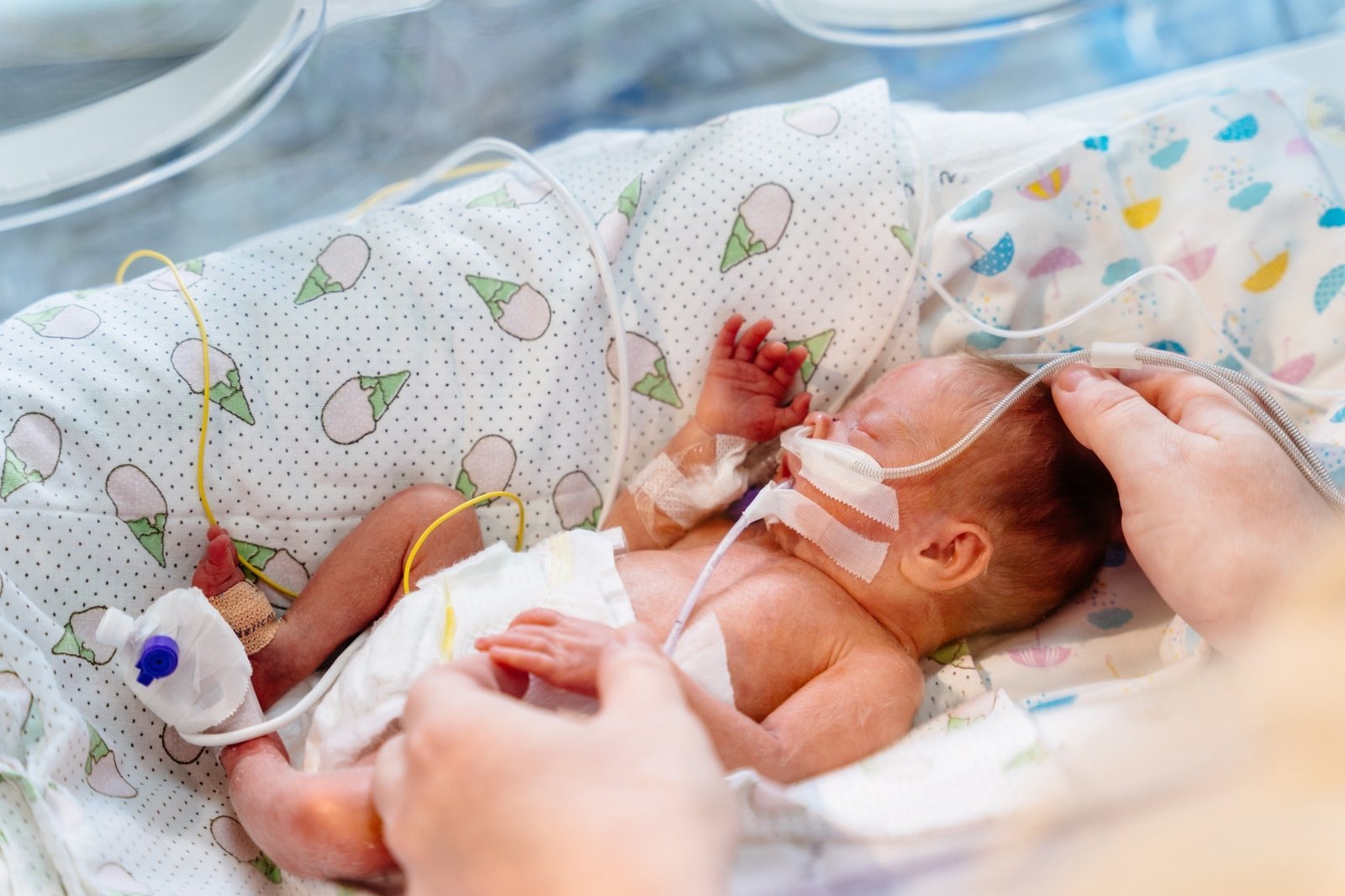
Study reveals gene expression changes at birth that could allow early detection and treatment of neonatal sepsis.

Study: Prognostic gene expression signature diagnoses neonatal sepsis before clinical presentation. Image credit: Iryna Inshyna/Shutterstock.com

In a recent study published in eBioMedicine, A team of researchers has identified gene expression biomarkers that allow early prediction of neonatal sepsis (a serious bacterial infection in infants under 28 days old, leading to systemic inflammation and serious complications) at birth, before clinical symptoms, facilitating early intervention .

Background

Sepsis leads to life-threatening organ failure due to dysregulated host response to infection and occurs uniquely in all age groups.

Neonatal sepsis, which affects infants in their first 28 days, occurs in 2-3 per 100 live births worldwide, particularly affecting premature and low-birth-weight infants. Mortality rates can be as high as 17.6%, especially in low/middle income countries, with sepsis being the leading cause of neonatal death.

Nonspecific clinical signs often delay diagnosis, making early treatment critical. Current diagnostic methods, including blood cultures, are insufficient, highlighting the urgent need for specific biomarkers for the early and accurate identification of sepsis. Further research is necessary to develop predictive biomarkers for early intervention.

About the study

The Systems Biology to Identify Biomarkers of Neonatal Vaccine Immunogenicity study enrolled 720 healthy full-term neonates (≥37 weeks’ gestation) in The Gambia from 2017 to 2019. Whole blood was collected from these neonates at two time points: the day of life (DOL ) 0 and a second sample taken randomly on DOL 1, 3, or 7.

Among this cohort, 33 neonates were hospitalized within 28 days for clinical signs consistent with sepsis. Of these, 21 were diagnosed with sepsis based on either blood culture results or clinical diagnosis, while the remaining 12 had localized infections without systemic signs. Septic neonates were categorized into early-onset sepsis (EOS) and late-onset sepsis (LOS).

Blood samples were processed for ribonucleic acid (RNA) sequencing and bioinformatic analyzes were performed using R. Differentially expressed genes (DEGs) were identified using Differential Gene Expression Analysis based on the Negative Binomial Distribution (DESeq2), comparing healthy controls, cases of localized infection and septic neonates.

Predictive gene biomarkers for sepsis were developed through machine learning methods, including Sparse Partial Least-Squares Discriminant Analysis (sPLS-DA) and Regression Least Absolute Shrinkage and Selection Operator (LASSO). The study provided rigorous statistical methods for evaluating DEGs, with findings validated against external datasets.

Study results

The cohort consisted of full-term neonates, all born between 37 and 42 weeks’ gestation, with a median gestational age of 40 weeks. At birth, neonates had Apgar scores ranging from 8 to 10, with a median score of 10.

Demographic and clinical parameters of healthy neonates and those hospitalized for sepsis were comparable, with no statistically significant differences, which may be attributable to the limited cohort size. During hospitalization, septic neonates had significantly higher neutrophil counts, received antibiotics more frequently, and had a longer hospital stay compared to those with local infections only.

Transcriptional differences were evident in septic neonates even before clinical symptoms appeared. Among neonates with DOL 0 samples who later developed sepsis, a total of 469 DEGs were identified compared to healthy neonates and 476 DEGs relative to those with localized infections.

Further analysis revealed that neonates with EOS exhibited 1,067 DEGs compared to those with LOS, 984 DEGs compared to cases of localized infection, and 1,086 DEGs compared to healthy controls.

Pathway analysis highlighted the dysregulation of several processes, including regulation of the heat shock response and various cell cycle pathways, indicating significant changes in the host response prior to clinical presentation.

Machine learning algorithms were used to identify predictive biomarkers for EOS at birth. sPLS-DA identified heat shock protein family H member 1 (HSPH1) and heat shock protein family member DnaJ B1 (DNAJB1) as major contributors in distinguishing neonates with EOS from others.

These heat shock proteins were upregulated in EOS cases and correlated with the observed enriched pathways. In addition, the LASSO regression model identified a 4-gene signature (HSPH1, DNA primase subunit 1 (PRIM1), BORA aurora kinase activator A (BORA), and non-SMC G2 condensate complex II subunit (NCAPG2)) that demonstrated excellent predictive ability for EOS with area under the curve (AUC) 0.94, sensitivity 0.93 and specificity 0.92.

The study also included follow-up samples from the first week of life to assess how neonatal sepsis may affect developmental trajectories. Analyzing DOL7 samples from EOS neonates and matched healthy controls, the researchers found 3,931 DEGs in EOS neonates compared to 2,456 in healthy neonates.

While many pathways were disrupted in EOS neonates, several metabolic and immune pathways remained preserved, highlighting the complexity of immune and metabolic adaptations during early development and the potential of early biomarkers to predict sepsis outcomes.

conclusions

In summary, this study successfully identified gene expression biomarkers that predict neonatal sepsis at birth despite challenges in developing such predictors. HSPH1 was a significant predictor for EOS, being part of a 4-gene signature that distinguished EOS from LOS, localized infection, and healthy controls.

Furthermore, gene expression changes during the first week of life showed that sepsis disrupts immune and metabolic development while many ontogeny processes remain preserved.

These findings highlight the need for improved diagnostics in neonatal sepsis, particularly in low- and middle-income countries, and highlight the potential for wider application in different populations.

4gene identify neonatal predict Researchers sepsis Signature Symptoms
bhanuprakash.cg
healthtost
  • Website

Related Posts

Countable Labs and Promega Announce Collaboration Agreement to Facilitate End-to-End Biological Sample Preparation and Rare Variant Detection

July 7, 2026

New virus insights lay foundation for treatment of JC polyomavirus infection

July 6, 2026

Early voice changes may signal asthma and COPD flare-ups

July 6, 2026

Leave A Reply Cancel Reply

Don't Miss
Men's Health

Why our relationships are becoming more dishonest and what we can do about it

By healthtostJuly 7, 20260

I have been a psychotherapist and marriage and family counselor for over fifty years. I…

Sunscreen TikTok convinces young people

July 7, 2026

Countable Labs and Promega Announce Collaboration Agreement to Facilitate End-to-End Biological Sample Preparation and Rare Variant Detection

July 7, 2026

Definitive Guide: The Primal Blueprint

July 7, 2026
Stay In Touch
  • Facebook
  • Twitter
  • Pinterest
  • Instagram
  • YouTube
  • Vimeo
TAGS
Baby benefits body brain cancer care Day Diet disease exercise finds Fitness food Guide health healthy heart Improve Life Loss Men mental Natural Nutrition Patients People Pregnancy research reveals risk routine sex sexual Skin Skincare study Therapy Tips Top Training Treatment ways weight women Workout
About Us
About Us

Welcome to HealthTost, your trusted source for breaking health news, expert insights, and wellness inspiration. At HealthTost, we are committed to delivering accurate, timely, and empowering information to help you make informed decisions about your health and well-being.

Latest Articles

Why our relationships are becoming more dishonest and what we can do about it

July 7, 2026

Sunscreen TikTok convinces young people

July 7, 2026

Countable Labs and Promega Announce Collaboration Agreement to Facilitate End-to-End Biological Sample Preparation and Rare Variant Detection

July 7, 2026
New Comments
    Facebook X (Twitter) Instagram Pinterest
    • About Us
    • Contact Us
    • Privacy Policy
    • Terms and Conditions
    • Disclaimer
    © 2026 HealthTost. All Rights Reserved.

    Type above and press Enter to search. Press Esc to cancel.