

Close Menu
Healthtost
  • News
  • Mental Health
  • Men’s Health
  • Women’s Health
  • Skin Care
  • Sexual Health
  • Pregnancy
  • Nutrition
  • Fitness
  • Recommended Essentials
What's Hot

Blue LED lights help chemists create complex drug molecules

July 12, 2026

How can you be tired but wired? Blame it on your stone age brain

July 12, 2026

15 No-Cook Dinners for Kids (Because It’s Too Hot to Turn on the Oven)

July 12, 2026
Facebook X (Twitter) Instagram
  • About Us
  • Contact Us
  • Privacy Policy
  • Terms and Conditions
  • Disclaimer
Facebook X (Twitter) Instagram
Healthtost
SUBSCRIBE
  • News

    Blue LED lights help chemists create complex drug molecules

    July 12, 2026

    Harvard University hosts the world’s largest conference dedicated to longevity biotechnology

    July 12, 2026

    Comprehensive insurance-supported oncology symptom management program benefits cancer patients

    July 11, 2026

    Azenta announces the completion of the sale of B Medical Systems to Thelema Sa rl. Whitestone Group acquires 40% stake in Thelema Sa rl, a special purpose vehicle (SPV) established to own B Medical Systems

    July 11, 2026

    Specialized therapies offer a new approach to regenerative medicine

    July 10, 2026
  • Mental Health

    How can you be tired but wired? Blame it on your stone age brain

    July 12, 2026

    Almost 20% of new mums have anxiety or depression, but a promising psychedelic treatment is on the horizon

    July 7, 2026

    How can ART help us improve our mental health? With 3 Ways

    July 5, 2026

    How much do friends affect the mental health of teenagers? What a new study can (and can’t) tell us

    July 3, 2026

    What happens in your blood when you are stressed? We put it to the test

    June 28, 2026
  • Men’s Health

    Low testosterone or just stress? How to tell the difference

    July 11, 2026

    Gut-friendly diet linked to lower risk of coronary heart disease mortality

    July 9, 2026

    Men don’t just avoid their health. Many lose themselves.

    July 8, 2026

    The Crazy Hard Standards of the Hardest PE Program in History

    July 8, 2026

    Why our relationships are becoming more dishonest and what we can do about it

    July 7, 2026
  • Women’s Health

    Menopause and Your Microbiome: How Gut Health Shapes Weight, Mood, and Hormones

    July 11, 2026

    They heard us. Now will they listen?

    July 11, 2026

    Taite Heller on Why Barre Became a Top-5 Fitness Trend

    July 8, 2026

    Sunscreen TikTok convinces young people

    July 7, 2026

    Biology, Myths and Real Care

    July 7, 2026
  • Skin Care

    How our natural hair care achieves salon-level results without silicones

    July 11, 2026

    Coconut Allergy and Skin Care: 20 Questions Finally Answered by a Pharmacist

    July 11, 2026

    New Sunscreen Ingredient: Is This The SPF Upgrade We’ve Been Waiting For?

    July 9, 2026

    How to achieve the perfect tan

    July 8, 2026

    How I did it: I plump the skin without fillers

    July 6, 2026
  • Sexual Health

    Fildena 150 Benefits | Effective ED & Sexual Performance Treatment

    July 11, 2026

    Painful sex after menopause: When is it time to seek treatment?

    July 11, 2026

    Emotional capitalism and artificial intimacy

    July 10, 2026

    Why report e-6929 matters in Canada — Sexual Health Research Lab

    July 9, 2026

    Complete Career Guide — Sexual Health Alliance

    July 8, 2026
  • Pregnancy

    Calf Raises During Pregnancy: Step-by-Step Guide and Benefits

    July 8, 2026

    Tri-Tri Triplet Pregnancy with Vaginal Birth Story – The Birth Hour Triplet Pregnancy and Vaginal Birth Story with Ashlie Holladay

    July 7, 2026

    Common pregnancy drugs linked to higher rates of autism diagnosis in large study

    July 6, 2026

    Monsoon Infections During Pregnancy: Safety Tips for Expectant Moms

    July 5, 2026

    How to be the support she really needs

    July 4, 2026
  • Nutrition

    15 No-Cook Dinners for Kids (Because It’s Too Hot to Turn on the Oven)

    July 12, 2026

    30 Minute Chicken Pesto Pasta (Dietist Approved)

    July 11, 2026

    5 Easy High Fiber Bowl Recipes

    July 8, 2026

    Salmon Teriyaki Recipe (Ridiculously Easy!) • Kath Eats

    July 8, 2026

    Can exercise counteract a high-fat meal?

    July 6, 2026
  • Fitness

    Meet the Belle Vitale™ Supplement System: Two Formulas. A comprehensive approach to hormone health.

    July 11, 2026

    where we ate in Tokyo (and gluten-free options!)

    July 9, 2026

    Using External Signaling to Improve Linear Acceleration – Tony Gentilcore

    July 8, 2026

    5 Simple Screen Changes That Can Improve Sleep and Focus

    July 7, 2026

    How to prevent muscle loss while losing weight

    July 5, 2026
  • Recommended Essentials
Healthtost
Home»News»Remission of diabetes is possible with GLP-1 drugs, Italian study confirms
News

Remission of diabetes is possible with GLP-1 drugs, Italian study confirms

healthtostBy healthtostOctober 30, 2025No Comments2 Mins Read
Facebook Twitter Pinterest LinkedIn Tumblr Reddit WhatsApp Email
Remission Of Diabetes Is Possible With Glp 1 Drugs, Italian Study
Share
Facebook Twitter LinkedIn Pinterest WhatsApp Email

Real-world data from more than 14,000 Italian adults reveal that GLP-1 receptor agonists can induce remission in type 2 diabetes, with a clinically balanced definition linking drug use to reduced cardiovascular and microvascular risks.

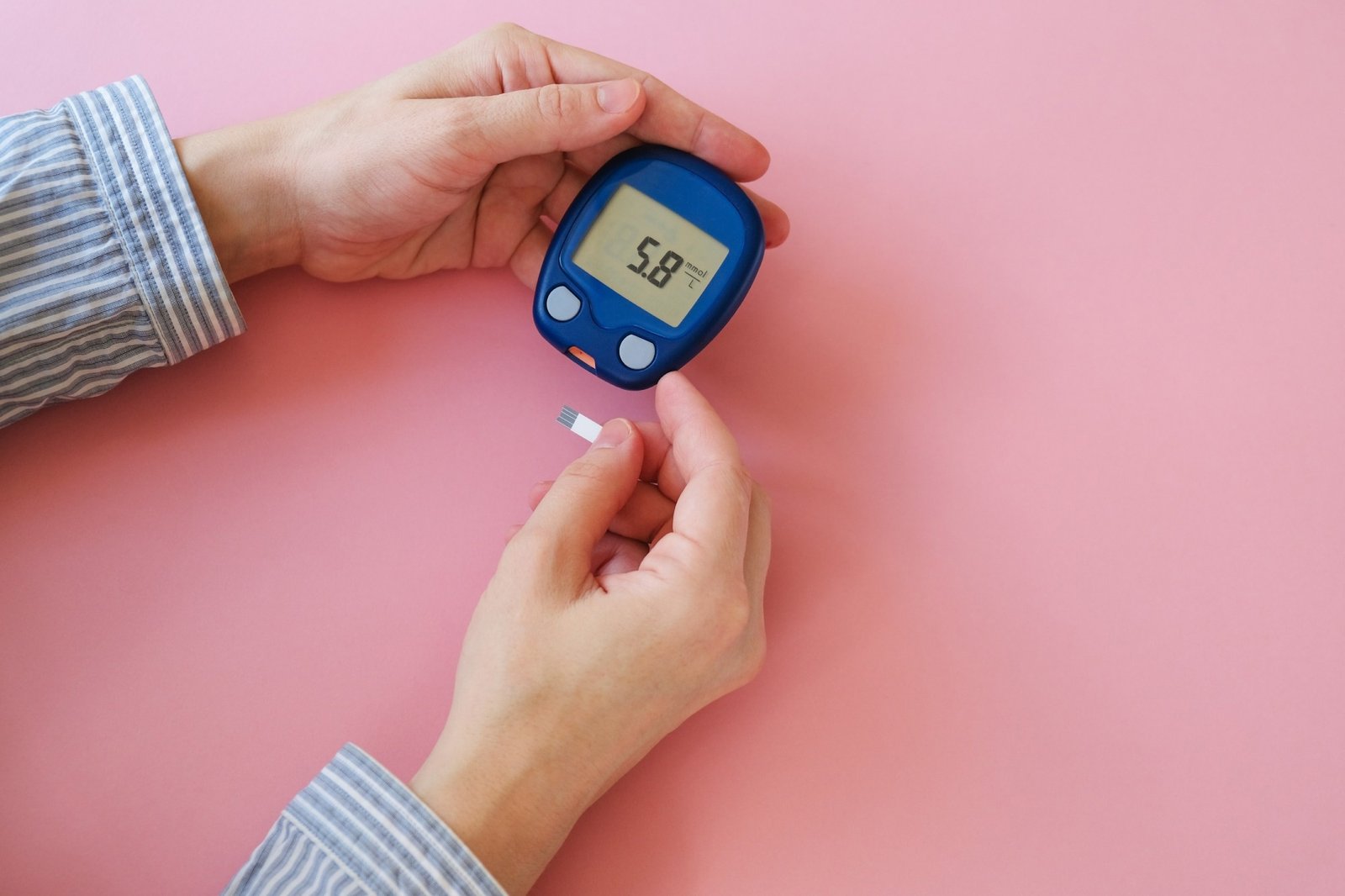
Study: Remission of type 2 diabetes after initiation of GLP-1 receptor agonists: incidence, characteristics and outcomes using multiple definitions in an observational study. Image credit: Meteoritka / Shutterstock

In a recent study published in The Lancet Regional Health – Europeinvestigators examined the clinical characteristics, incidence, and outcomes of type 2 diabetes (T2D) remission after initiation of a glucagon-like peptide-1 receptor agonist (GLP-1RA).

T2D is a metabolic disorder that can lead to a substantially high burden without effective intervention due to macrovascular and microvascular complications. The prevalence of T2D has reached pandemic levels and is projected to increase.

Remission of T2D has emerged as a realistic goal, especially with interventions leading to significant weight loss. GLP-1RAs were effective in reducing glucose, cardiovascular and renal risk, and body weight.

The potential for remission of T2D with GLP-1RAs has attracted attention, particularly since the development of dual incretin receptor agonists. Despite the increasing clinical use of GLP-1RAs, evidence regarding the clinical correlates and incidence of T2D remission is limited.

Study Design and Data Sources

In this multicenter Italian study, investigators analyzed clinical characteristics, remission frequency, and outcomes using different definitions of T2D remission after initiation of GLP-1RA. The GLP-1RA for Simplification in Diabetes (GLIMPLES) study retrospectively collected electronic health record data of patients with T2D who started a GLP-1RA between January 2010 and January 2022. The index date corresponded to the first GLP-1RA prescription. Recession was assessed after the index date according to four definitions.

Definitions of diabetes remission

  • R1: HbA1c <6.5% for ≥3 months without glucose-lowering drugs.

  • R2: Same as R1, but allows continued use of GLP-1RA.

  • R3: Same as R1 but without new glucose-lowering drugs compared to baseline.

  • R4: Same as R1 regardless of ongoing drug therapy.

Participants were classified as in remission or not based on these definitions. The primary objective was to assess the incidence of remission, while secondary objectives included the assessment of clinical predictors and the comparison of intermediate outcomes and complications between groups.

Clinical Measures and Statistical Analysis

Intermediate endpoints included blood pressure, body weight, HbA1c, urinary albumin to creatinine ratio (UACR) and estimated glomerular filtration rate (eGFR). Complications assessed included microangiopathy, macroangiopathy, and cardiovascular events. Baseline comparisons used Chi-square and Student’s t tests. Logistic regression examined associations between GLP-1RA type and remission, while Cox proportional hazard models compared time-to-event outcomes.

Participant Profile and GLP-1RA Distribution

A total of 14,141 T2D patients who initiated GLP-1RA therapy were included in the analysis. The average participant was 60 years old with a 10-year history of diabetes, a BMI of 32 kg/m² and a baseline HbA1c of 8.1%. Common standard therapies included metformin, insulin, and sulfonylureas. The GLP-1RAs used were dulaglutide (50.5%), liraglutide (24.9%), semaglutide (12.1%), exenatide (11%) and lixisenatide (1.4%). Almost 25% of participants switched GLP-1RAs during follow-up.

Recession Frequency and Duration

The mean duration of follow-up was four years. Recession occurred in 5.8% (R1), 6.2% (R2), 12.2% (R3) and 18.3% (R4) of participants. Remission time averaged six months across all definitions. Recession lasted longer under R3 (9.3 months) and R4 (10.1 months) than under R1 (6.5 months) and R2 (6.6 months).

Weight Loss and Drug Associations

Mean weight loss varied by GLP-1RA: semaglutide (3.9 kg), exenatide (3.3 kg), dulaglutide (3.1 kg), liraglutide (3 kg), and lixisenatide (2.8 kg). No single GLP-1RA was consistently superior in achieving remission, although dulaglutide showed positive associations with R1-R3 and semaglutide was negatively associated with R1-R2. These differences were not interpreted as evidence of comparative effectiveness due to treatment switching and different periods of availability.

Predictors of remission of type 2 diabetes

Remission was more likely among patients with shorter diabetes duration, higher BMI, fewer complications, and lower initial use of insulin/SGLT2 inhibitors. Subjects who achieved remission demonstrated modest but significant improvements in body weight (–2 kg), HbA1c (–0.9 to –1.0%), blood pressure (–1 to –2 mmHg), and triglycerides (–15 mg/dL) across all remission definitions.

Renal and cardiovascular effects

Changes in eGFR were similar between definitions, but R3 was associated with slower progression of UACR (∼30% less). New-onset microangiopathy was 12-16% lower in participants with R1-R3, suggesting a possible metabolic memory effect. In addition, R3 was associated with fewer cardiovascular events (HR 0.65), although remission was not associated with differences in macroangiopathy.

Implications and predictive value of R3 Definition

Remission of T2D occurred in a significant proportion of GLP-1RA users, with results varying by definition. The R1 definition showed 5.8% recession, while the permissive criteria (R4) reached 18.3%. Among definitions, R3 represented the most balanced measure, offering moderate prevalence (12.2%), longer duration (9.3 months), and improved microvascular and cardiovascular outcomes.

Study Limitations and Interpretation

Limitations included retrospective design, absence of mortality data, lack of event adjudication, potential attrition bias, and non-protocol-driven discontinuation of medication. These factors may influence observed remission rates and outcomes.

Journal Reference:

  • Fadini GP, Giaccari A, Broglio F, et al. (2025). Remission of type 2 diabetes after initiation of GLP-1 receptor agonists: incidence, characteristics and outcomes using multiple definitions in an observational study. The Lancet Regional Health – Europe59, 101499. DOI: 10.1016/j.lanepe.2025.101499
confirms Diabetes drugs GLP1 Italian remission study
bhanuprakash.cg
healthtost
  • Website

Related Posts

Blue LED lights help chemists create complex drug molecules

July 12, 2026

Harvard University hosts the world’s largest conference dedicated to longevity biotechnology

July 12, 2026

Comprehensive insurance-supported oncology symptom management program benefits cancer patients

July 11, 2026

Leave A Reply Cancel Reply

Don't Miss
News

Blue LED lights help chemists create complex drug molecules

By healthtostJuly 12, 20260

In drug discovery, rapidly building complex molecules is the name of the game. Chemists want…

How can you be tired but wired? Blame it on your stone age brain

July 12, 2026

15 No-Cook Dinners for Kids (Because It’s Too Hot to Turn on the Oven)

July 12, 2026

Harvard University hosts the world’s largest conference dedicated to longevity biotechnology

July 12, 2026
Stay In Touch
  • Facebook
  • Twitter
  • Pinterest
  • Instagram
  • YouTube
  • Vimeo
TAGS
Baby benefits body brain cancer care Day Diet disease exercise finds Fitness food Guide health healthy heart Improve Life Loss Men mental Natural Nutrition Patients People Pregnancy research reveals risk routine sex sexual Skin Skincare study Therapy Tips Top Training Treatment ways weight women Workout
About Us
About Us

Welcome to HealthTost, your trusted source for breaking health news, expert insights, and wellness inspiration. At HealthTost, we are committed to delivering accurate, timely, and empowering information to help you make informed decisions about your health and well-being.

Latest Articles

Blue LED lights help chemists create complex drug molecules

July 12, 2026

How can you be tired but wired? Blame it on your stone age brain

July 12, 2026

15 No-Cook Dinners for Kids (Because It’s Too Hot to Turn on the Oven)

July 12, 2026
New Comments
    Facebook X (Twitter) Instagram Pinterest
    • About Us
    • Contact Us
    • Privacy Policy
    • Terms and Conditions
    • Disclaimer
    © 2026 HealthTost. All Rights Reserved.

    Type above and press Enter to search. Press Esc to cancel.