

Close Menu
Healthtost
  • News
  • Mental Health
  • Men’s Health
  • Women’s Health
  • Skin Care
  • Sexual Health
  • Pregnancy
  • Nutrition
  • Fitness
  • Recommended Essentials
What's Hot

New brain probe simultaneously records and controls neuronal activity

June 1, 2026

What do I eat in a day?

June 1, 2026

Outpatient versus inpatient addiction treatment: How to choose the right level of care

June 1, 2026
Facebook X (Twitter) Instagram
  • About Us
  • Contact Us
  • Privacy Policy
  • Terms and Conditions
  • Disclaimer
Facebook X (Twitter) Instagram
Healthtost
SUBSCRIBE
  • News

    New brain probe simultaneously records and controls neuronal activity

    June 1, 2026

    The Apple Watch app detects seizures with 98% accuracy.

    June 1, 2026

    Prognostic model helps tailor PSMA therapy for prostate cancer patients

    May 31, 2026

    Implanted collagen platelets double survival for patients with brain metastases

    May 31, 2026

    Fruit fly study links dopamine to stress-induced sexual dysfunction

    May 30, 2026
  • Mental Health

    Why your wearable health tracker can make you feel anxious

    June 1, 2026

    Can meditation change the brain in schizophrenia?

    May 29, 2026

    Success and Fulfillment: Why High Performance…

    May 28, 2026

    As more athletes open up about depression, anxiety and suicide, a minority of fans are up in arms

    May 27, 2026

    Healing is where change begins. Habits are…

    May 24, 2026
  • Men’s Health

    What do I eat in a day?

    June 1, 2026

    Journey into New Dimensions: Wisdom from the Past and Hope for the Future

    June 1, 2026

    30-Day Workout Challenge: Plan for Full-Body Results

    May 28, 2026

    Why Kenya, Ethiopia, Japan and the US stand out in global distance running

    May 26, 2026

    ‘Vas Madness’ shows the power of messaging in men’s contraceptive decisions

    May 26, 2026
  • Women’s Health

    Outpatient versus inpatient addiction treatment: How to choose the right level of care

    June 1, 2026

    Luteal Phase Nutrition: Fight Cravings and Bloating

    May 31, 2026

    Facts About Social Anxiety – HealthyWomen

    May 30, 2026

    Why Weight Training Makes Your Upper Body Bulky (3 Mistakes You Need To Fix)

    May 29, 2026

    How to protect hair from Holi colors and damage

    May 28, 2026
  • Skin Care

    Perimenopause Rosacea: Hot Flashes & Histamine

    June 1, 2026

    The Ancient Herb Being Marketed As A Miracle Discovery – And Why Already – Sally B’s Skin Yummies

    May 31, 2026

    Green Serum Benefits: Who it’s for and how to use it

    May 30, 2026

    Skin memory: Why your skin can flare up in the same places

    May 30, 2026

    Sun Spritz Vs Sun Drops | Which facial tanner is right for you?

    May 29, 2026
  • Sexual Health

    a wake-up call to remove barriers to SRHR < SRHM

    May 31, 2026

    Cases of gonorrhea and syphilis reached their highest level in Europe in the last 10 years

    May 31, 2026

    Complete guide — Sexual Health Alliance

    May 30, 2026

    Can sertraline help treat premature ejaculation?

    May 28, 2026

    7 Ways Your Mattress Affects Your Sex Life Sex with Emily

    May 27, 2026
  • Pregnancy

    Thyroid disorders in pregnant Indian women

    June 1, 2026

    When should I start a prenatal? – Pink Stork

    May 31, 2026

    Infertility, endometriosis and positive birth history at the birth center

    May 27, 2026

    Does creatine cause hair loss in women? – Pink Stork

    May 24, 2026

    Supporting Women through the Sacred Transitions of Life

    May 22, 2026
  • Nutrition

    Have you tried Einkorn Spaghetti?

    May 30, 2026

    Same Dinner, Different Plate: The Summer BBQ Version Every Picky Eater Mom Needs

    May 29, 2026

    Your body wants to heal. But you may be on your way.

    May 28, 2026

    Does your appetite change in the summer?

    May 25, 2026

    Why I Don’t Count Macros • Kath Eats

    May 24, 2026
  • Fitness

    what to do in vegas with teens and tweens

    May 29, 2026

    10 Important Health Tips for Sedentary Workers

    May 28, 2026

    Overthinking After 50? Try these stress relief techniques

    May 28, 2026

    From Social Work to Health Coaching: A Story of AFPA Graduates

    May 26, 2026

    What is Locus of Control? Empowering Customers

    May 24, 2026
  • Recommended Essentials
Healthtost
Home»News»Nonpharmacologic pain intervention provides benefits in individuals with dialysis-dependent renal failure
News

Nonpharmacologic pain intervention provides benefits in individuals with dialysis-dependent renal failure

healthtostBy healthtostJanuary 1, 2025No Comments4 Mins Read
Facebook Twitter Pinterest LinkedIn Tumblr Reddit WhatsApp Email
Nonpharmacologic Pain Intervention Provides Benefits In Individuals With Dialysis Dependent Renal
Share
Facebook Twitter LinkedIn Pinterest WhatsApp Email

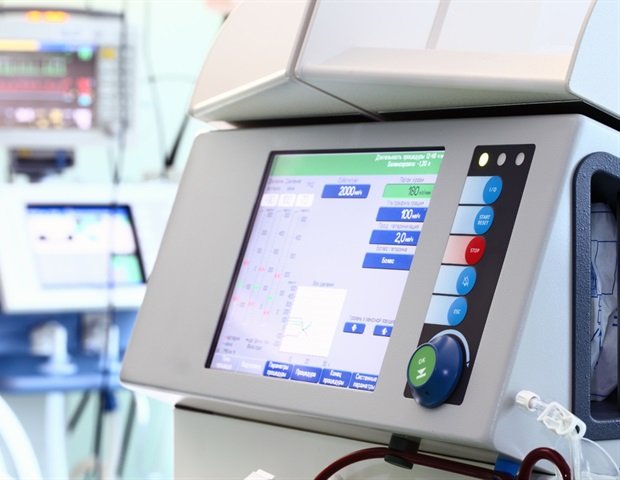
Among people with dialysis-dependent kidney failure, a form of psychological treatment called pain coping skills training reduced pain in their daily lives, also known as pain interference. The clinical trial, funded by the National Institutes of Health (NIH), found that educating people about how to manage pain reduced the extent to which pain affected their work and social activities, mood and relationships . Pain coping skills training, which was tailored for people on long-term dialysis, also improved other pain outcomes, including pain intensity, depression, anxiety, and quality of life. Pain management skills training is a widely used approach to chronic pain, but has not previously been tested for people undergoing hemodialysis.

“Very few interventions have been shown to improve the quality of life of people with end-stage renal disease treated with hemodialysis,” said Dr. who led the study. “For example, opioids, which have been the primary treatment for pain in this population, have side effects that may be more pronounced in the presence of renal failure, making pain management difficult.”

More than 808,000 people in the United States are living with end-stage kidney disease, and 68% of them are treated with dialysis. People with dialysis-dependent kidney disease often experience chronic pain, but have limited pain treatment options. In addition, adherence to pain treatment plans can be difficult during dialysis. The study’s research team, known as the Hemodialysis Opioid Prescription Effort (HOPE) consortium, thus aimed to develop a behavioral intervention that would reduce pain perception, improve quality of life, and reduce opioid use in hemodialysis populations. This study is the largest randomized controlled trial to show that a non-pharmacological pain intervention provides benefits in people with end-stage renal disease undergoing hemodialysis.

The multicentre trial involved 643 adults who were treated with maintenance dialysis for end-stage renal disease and experienced chronic pain. About half of the participants were assigned to the pain coping skills training intervention, while the other half received usual clinical care without the trial-based intervention. Pain coping skills training included 12 weeks of virtual, one-on-one sessions with a coach to teach chronic pain coping skills, enhance self-efficacy (belief in one’s ability to achieve goals), and reduce sleep-related pain difficulties, anxiety and stress. The intervention included teaching, skill modeling, guided practice, and experiential learning. Coach-led sessions were followed by 12 weeks of automated interactive voice response sessions to refresh newly acquired skills.

At 12 weeks, 51% of people in the pain coping skills training group reported a reduction in pain interference versus 37% in the usual care group, and the benefit continued throughout the 24-week intervention period. The difference between the two groups narrowed at week 36, 12 weeks after the end of the intervention. Researchers believe that people who receive training in pain coping skills may need continued reinforcement to see additional or long-term benefit. Pain coping skills training also improved pain-related outcomes of pain severity, depression, anxiety, quality of life, and pain catastrophizing (a negative mental and emotional response to anticipated or actual pain associated with bad pain outcomes).

The study results suggest that pain management skills training may be an attractive alternative or adjunct to pain medication. Although the effect of training on pain coping skills in the overall cohort was modest, its high acceptability, tolerability and safety and its observed benefits on pain, anxiety, depression and quality of life support further research into the development of non-pharmacological , of non-invasive strategies for pain management in hemodialysis populations.

Future work will focus on how to prolong the beneficial effects of pain coping skills training and how to broadly implement this intervention in clinical practice. Based on the successful results of this study, we hope that this intervention can become widely available to dialysis patients.”


Dr. Laura M. Dember, lead author, nephrologist and clinical investigator at the University of Pennsylvania Perelman School of Medicine, Philadelphia

The study, the Hemodialysis Opioid Prescription Effort (HOPE) Consortium Trial to Reduce Pain and Opioid Use in Hemodialysis, was funded by the Helping to End Addiction Long-term Initiative, or NIH HEAL Initiative, an NIH-wide effort that seeks to accelerate scientific solutions to the overdose epidemic, including opioid and stimulant use disorders, and the chronic pain crisis;

Helping End Addiction Long-term® and NIH HEAL Initiative® are registered trademarks of the Department of Health and Human Services.

Source:

NIH/National Institute of Diabetes and Digestive and Kidney Diseases

Journal Reference:

Dember L, Hsu J, Mehrotra R, et al. Pain Management Skills Training for Dialysis Patients: The HOPE Consortium Randomized Clinical Trial. JAMA Internal Medicine. 2024? doi: 10.1001/jamainternmed.2024.7140

benefits dialysisdependent failure individuals intervention Nonpharmacologic Pain renal
bhanuprakash.cg
healthtost
  • Website

Related Posts

New brain probe simultaneously records and controls neuronal activity

June 1, 2026

The Apple Watch app detects seizures with 98% accuracy.

June 1, 2026

Prognostic model helps tailor PSMA therapy for prostate cancer patients

May 31, 2026

Leave A Reply Cancel Reply

Don't Miss
News

New brain probe simultaneously records and controls neuronal activity

By healthtostJune 1, 20260

A new ground-breaking technology, jointly developed by UCL scientists, which simultaneously records and manipulates the…

What do I eat in a day?

June 1, 2026

Outpatient versus inpatient addiction treatment: How to choose the right level of care

June 1, 2026

The Apple Watch app detects seizures with 98% accuracy.

June 1, 2026
Stay In Touch
  • Facebook
  • Twitter
  • Pinterest
  • Instagram
  • YouTube
  • Vimeo
TAGS
Baby benefits body brain cancer care Day Diet disease exercise finds Fitness food Guide health healthy heart Improve Life Loss Men mental Natural Nutrition Patients Pregnancy protein research reveals risk routine sex sexual Skin Skincare study Therapy Tips Top Training Treatment ways weight women Workout
About Us
About Us

Welcome to HealthTost, your trusted source for breaking health news, expert insights, and wellness inspiration. At HealthTost, we are committed to delivering accurate, timely, and empowering information to help you make informed decisions about your health and well-being.

Latest Articles

New brain probe simultaneously records and controls neuronal activity

June 1, 2026

What do I eat in a day?

June 1, 2026

Outpatient versus inpatient addiction treatment: How to choose the right level of care

June 1, 2026
New Comments
    Facebook X (Twitter) Instagram Pinterest
    • About Us
    • Contact Us
    • Privacy Policy
    • Terms and Conditions
    • Disclaimer
    © 2026 HealthTost. All Rights Reserved.

    Type above and press Enter to search. Press Esc to cancel.