

Close Menu
Healthtost
  • News
  • Mental Health
  • Men’s Health
  • Women’s Health
  • Skin Care
  • Sexual Health
  • Pregnancy
  • Nutrition
  • Fitness
  • Recommended Essentials
What's Hot

Brain-Gut Health Initiative supports AI-assisted diagnosis of psychiatric disorders

April 25, 2026

Yeong Kim (Rian) – The Structural Elegance of Intellect and Honor

April 25, 2026

Researchers identify new genetic links to Hyperemesis Gravidarum

April 25, 2026
Facebook X (Twitter) Instagram
  • About Us
  • Contact Us
  • Privacy Policy
  • Terms and Conditions
  • Disclaimer
Facebook X (Twitter) Instagram
Healthtost
SUBSCRIBE
  • News

    Brain-Gut Health Initiative supports AI-assisted diagnosis of psychiatric disorders

    April 25, 2026

    Researchers uncover new mechanism linking metabolism, immunity and skeletal health

    April 25, 2026

    Genetic research identifies rare DNA changes that cause common heart valve damage

    April 24, 2026

    Air quality in infancy may fundamentally shape long-term immune development

    April 24, 2026

    The endoscopic procedure may prevent weight regain after stopping GLP-1

    April 23, 2026
  • Mental Health

    I hate hope: How to manage hope when you have treatment-resistant bipolar disorder

    April 19, 2026

    Rose Byrne is raw, magnetic and unfiltered as a woman in crisis

    April 18, 2026

    Can a single mother change her child’s surname in India?

    April 16, 2026

    Is it anxiety or OCD? 2 psychology experts explain the difference

    April 14, 2026

    Understanding the different types of treatment: C…

    April 10, 2026
  • Men’s Health

    45-Minute No-Equipment Home Workout (Full Body)

    April 23, 2026

    Study finds many UK adults want to avoid ultra-processed foods but can’t clearly define them

    April 21, 2026

    How can you get the best sleep?

    April 21, 2026

    The Crazy Hard Standards of the Hardest PE Program in History

    April 20, 2026

    Becoming revolutionaries in our time: Calling men to change the world for good

    April 20, 2026
  • Women’s Health

    Yeong Kim (Rian) – The Structural Elegance of Intellect and Honor

    April 25, 2026

    I felt ashamed of my dad’s illness

    April 25, 2026

    What are the different stages of puberty?

    April 24, 2026

    Understanding Hot Flashes – HealthyWomen

    April 24, 2026

    Because you are still inflamed

    April 22, 2026
  • Skin Care

    What it is and how to do it right – Lifeline Skin Care

    April 21, 2026

    Best Face Mask Set: What to Use for Your Skin Goals

    April 21, 2026

    Earth Day Activities: A Fun Guide to Plogging and More

    April 20, 2026

    Calm & Correct: The 4-in-1 color correcting treatment

    April 19, 2026

    How to Get Glowing Skin: Beauty Guide

    April 17, 2026
  • Sexual Health

    How accurate are herpes blood tests?

    April 22, 2026

    Understanding the Asexual Spectrum — Sexual Health Alliance

    April 21, 2026

    The importance of sex and intimacy in the elderly

    April 18, 2026

    Judicial reform is the only real way out of today’s political hell

    April 15, 2026

    Personal and Professional considerations between generations

    April 15, 2026
  • Pregnancy

    Researchers identify new genetic links to Hyperemesis Gravidarum

    April 25, 2026

    Loss of Appetite During Pregnancy: A Third Trimester Guide

    April 24, 2026

    Cameron Rodgers wants you to know you’re not the only one Googling “WTF is going on in my body” at 2 a.m.

    April 22, 2026

    A gentle space to navigate the becoming of motherhood

    April 21, 2026

    Transfer to birth center C-section, birth center VBAC and Surprise Footling Breech Transfer to home

    April 18, 2026
  • Nutrition

    Doing the work in the face of fear

    April 25, 2026

    Can the “dark shower” reduce stress and improve sleep?

    April 24, 2026

    High Fiber Smoothie Recipe • Kath Eats

    April 23, 2026

    Which potato is the most nutritious?

    April 22, 2026

    What Really Works (and What Doesn’t)

    April 22, 2026
  • Fitness

    4.24 Friday Faves – The Fitnessista

    April 25, 2026

    The workout we forgot (it’s time to bring it back 💪 )

    April 24, 2026

    Cardio or weightlifting? – Tony Gentilcore

    April 24, 2026

    7 super healthy ways to take care of yourself

    April 23, 2026

    Wake up with these symptoms? Your health may be at risk

    April 23, 2026
  • Recommended Essentials
Healthtost
Home»News»New insights into uncontrolled movements in patients with Parkinson’s disease
News

New insights into uncontrolled movements in patients with Parkinson’s disease

healthtostBy healthtostJanuary 4, 2025No Comments4 Mins Read
Facebook Twitter Pinterest LinkedIn Tumblr Reddit WhatsApp Email
New Insights Into Uncontrolled Movements In Patients With Parkinson's Disease
Share
Facebook Twitter LinkedIn Pinterest WhatsApp Email

University of Arizona researchers have revealed new insights into one of the most common complications faced by Parkinson’s disease patients: the uncontrollable movements that develop after years of treatment.

Parkinson’s disease – a neurological disorder of the brain that affects a person’s movement – ​​develops when the level of dopamine, a chemical in the brain responsible for body movements, begins to decrease. To treat the loss of dopamine, a drug called levodopa is given, which is later converted to dopamine in the brain. However, long-term levodopa treatment causes involuntary and uncontrolled movements known as levodopa-induced dyskinesia.

A study published in the journal Brain has revealed new findings about the nature of levodopa-induced dyskinesia and how ketamine, an anesthetic, can help treat the challenging condition.

Over the years, a Parkinson’s patient’s brain adapts to levodopa treatment, which is why levodopa causes dyskinesia in the long term, said Abhilasha Vishwanath, the study’s lead author and a postdoctoral researcher in the U of A Department of Psychology.

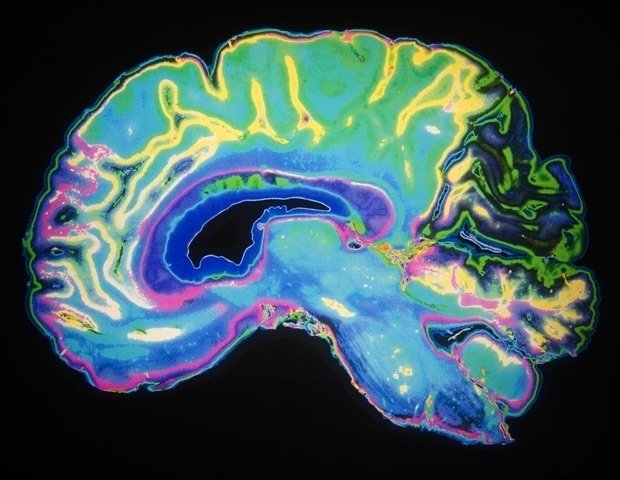
In the new study, the research team found that the motor cortex—the area of ​​the brain responsible for controlling movement—essentially “disconnects” during dyskinetic episodes. This finding challenges the prevailing view that the motor cortex actively generates these uncontrolled movements.

Because of the disconnect between cortical motor activity and these uncontrolled movements, there likely isn’t a direct connection, but rather an indirect way in which these movements are generated, Vishwanath said.

The researchers recorded activity from thousands of neurons in the motor cortex.

There are about 80 billion neurons in the brain and they hardly shut up at any point. So there are a lot of interactions between these cells that are going on all the time.”


Abhilasha Vishwanath, lead study author and postdoctoral research associate, U of A Department of Psychology

The research team found that the firing patterns of these neurons showed little correlation with dyskinetic movements, suggesting a fundamental disconnect rather than direct causation.

“It’s like an orchestra where the conductor goes on vacation,” said Stephen Cowen, senior author of the study and associate professor in the Department of Psychology. “Without the motor cortex properly coordinating the movement, the downstream neural circuits are left to spontaneously generate these problematic movements on their own.”

This new understanding of the underlying mechanism of dyskinesia is complemented by the team’s findings on the therapeutic potential of ketamine, a common anesthetic. Research has shown that ketamine could help disrupt the abnormal repetitive electrical patterns in the brain that occur during dyskinesia. This could potentially help the motor cortex regain control of movement.

Ketamine works like a one-two punch, Cowen said. It first disrupts these abnormal electrical patterns that occur during dyskinesia. Then, hours or days later, ketamine activates much slower processes that allow changes in brain cell connectivity and activity over time, known as neuroplasticity, that last much longer than ketamine’s immediate effects. Neuroplasticity is what allows neurons to form new connections and strengthen existing ones.

With a single dose of ketamine, beneficial effects can be seen even after a few months, Vishwanath said.

These findings take on added significance in light of an ongoing Phase 2 clinical trial at the U of A, where a team of researchers from the Department of Neurology is testing low-dose ketamine infusions as a treatment for dyskinesia in Parkinson’s patients. Early results from this trial look promising, Vishwanath said, with some patients experiencing benefits that last for weeks after a single course of treatment.

Ketamine doses could be modified in such a way that the therapeutic benefits are maintained with minimized side effects, Cowen said. Entirely new therapeutic approaches may also be developed based on the study’s findings regarding the involvement of the motor cortex in dyskinesia.

“By understanding the basic neurobiology underlying how ketamine helps these dyskinesias, we might be able to better treat levodopa-induced dyskinesia in the future,” Cowen said.

The study received funding from the National Institute of Neurological Disorders and Stroke (grants R56 NS109608 and R01 NS122805) and the Arizona Biomedical Research Commission (grant ADHS18-198846).

Source:

Journal Reference:

Vishwanath, A., et al. (2024). Uncoupling of motor cortex with movement in Parkinson’s dyskinesia rescued by subanesthetic ketamine. Brain. doi.org/10.1093/brain/awae386.

disease Insights movements Parkinsons Patients uncontrolled
bhanuprakash.cg
healthtost
  • Website

Related Posts

Brain-Gut Health Initiative supports AI-assisted diagnosis of psychiatric disorders

April 25, 2026

Researchers uncover new mechanism linking metabolism, immunity and skeletal health

April 25, 2026

Genetic research identifies rare DNA changes that cause common heart valve damage

April 24, 2026

Leave A Reply Cancel Reply

Don't Miss
News

Brain-Gut Health Initiative supports AI-assisted diagnosis of psychiatric disorders

By healthtostApril 25, 20260

Psychiatric disorders affect millions worldwide, but their diagnosis is still based on clinical observation rather…

Yeong Kim (Rian) – The Structural Elegance of Intellect and Honor

April 25, 2026

Researchers identify new genetic links to Hyperemesis Gravidarum

April 25, 2026

Doing the work in the face of fear

April 25, 2026
Stay In Touch
  • Facebook
  • Twitter
  • Pinterest
  • Instagram
  • YouTube
  • Vimeo
TAGS
Baby benefits body brain cancer care Day Diet disease exercise finds Fitness food Guide health healthy heart Improve Life Loss Men mental Natural Nutrition Patients Pregnancy research reveals risk routine sex sexual Skin Skincare study Therapy Tips Top Training Treatment Understanding ways weight women Workout
About Us
About Us

Welcome to HealthTost, your trusted source for breaking health news, expert insights, and wellness inspiration. At HealthTost, we are committed to delivering accurate, timely, and empowering information to help you make informed decisions about your health and well-being.

Latest Articles

Brain-Gut Health Initiative supports AI-assisted diagnosis of psychiatric disorders

April 25, 2026

Yeong Kim (Rian) – The Structural Elegance of Intellect and Honor

April 25, 2026

Researchers identify new genetic links to Hyperemesis Gravidarum

April 25, 2026
New Comments
    Facebook X (Twitter) Instagram Pinterest
    • About Us
    • Contact Us
    • Privacy Policy
    • Terms and Conditions
    • Disclaimer
    © 2026 HealthTost. All Rights Reserved.

    Type above and press Enter to search. Press Esc to cancel.