

Close Menu
Healthtost
  • News
  • Mental Health
  • Men’s Health
  • Women’s Health
  • Skin Care
  • Sexual Health
  • Pregnancy
  • Nutrition
  • Fitness
  • Recommended Essentials
What's Hot

5 Common Pilates Mistakes That Could Be Holding Back Your Results

July 15, 2026

Scientists develop ultra-thin skin sensors for seamless health monitoring

July 15, 2026

I did red light therapy for 3 months so I shouldn’t have

July 15, 2026
Facebook X (Twitter) Instagram
  • About Us
  • Contact Us
  • Privacy Policy
  • Terms and Conditions
  • Disclaimer
Facebook X (Twitter) Instagram
Healthtost
SUBSCRIBE
  • News

    Scientists develop ultra-thin skin sensors for seamless health monitoring

    July 15, 2026

    Global childhood immunization rates stagnate despite slight recovery from pandemic

    July 15, 2026

    Weight loss and anti-inflammatory drugs combine to fight leukemia

    July 14, 2026

    Unreliable datasets shape clinical prediction models

    July 14, 2026

    Bariatric surgery is safe, effective for obese teenagers and young adults

    July 13, 2026
  • Mental Health

    Is it okay to be imperfect and still be happy? 6 Challenges

    July 15, 2026

    How can you be tired but wired? Blame it on your stone age brain

    July 12, 2026

    Almost 20% of new mums have anxiety or depression, but a promising psychedelic treatment is on the horizon

    July 7, 2026

    How can ART help us improve our mental health? With 3 Ways

    July 5, 2026

    How much do friends affect the mental health of teenagers? What a new study can (and can’t) tell us

    July 3, 2026
  • Men’s Health

    I did red light therapy for 3 months so I shouldn’t have

    July 15, 2026

    Sexual evolution: What 500 million years of life tell us about sex, gender and mating

    July 15, 2026

    Low testosterone or just stress? How to tell the difference

    July 11, 2026

    Gut-friendly diet linked to lower risk of coronary heart disease mortality

    July 9, 2026

    Men don’t just avoid their health. Many lose themselves.

    July 8, 2026
  • Women’s Health

    Is pelvic floor dysfunction inevitable for older women?

    July 15, 2026

    I tried to hide my hemiparesis

    July 15, 2026

    Kyoto recap, bamboo forest and monkey park

    July 13, 2026

    Menopause and Your Microbiome: How Gut Health Shapes Weight, Mood, and Hormones

    July 11, 2026

    They heard us. Now will they listen?

    July 11, 2026
  • Skin Care

    Summer skin care tips for sensitive skin – why your skin suddenly breaks out

    July 15, 2026

    How to use nature’s retinol: Bakuchiol in your beauty routine

    July 13, 2026

    How our natural hair care achieves salon-level results without silicones

    July 11, 2026

    Coconut Allergy and Skin Care: 20 Questions Finally Answered by a Pharmacist

    July 11, 2026

    New Sunscreen Ingredient: Is This The SPF Upgrade We’ve Been Waiting For?

    July 9, 2026
  • Sexual Health

    Celebrating 30 years of Sex Sense

    July 15, 2026

    STDs in older adults are on the rise—up to seven times higher than in 2012

    July 13, 2026

    Fildena 150 Benefits | Effective ED & Sexual Performance Treatment

    July 11, 2026

    Painful sex after menopause: When is it time to seek treatment?

    July 11, 2026

    Emotional capitalism and artificial intimacy

    July 10, 2026
  • Pregnancy

    Exercise Wall Angels During Pregnancy: A Step-by-Step Guide

    July 15, 2026

    Breech VBAC (Vaginal Birth after Caesarean Section) Birth Story

    July 13, 2026

    How baby showers have changed throughout history

    July 13, 2026

    Calf Raises During Pregnancy: Step-by-Step Guide and Benefits

    July 8, 2026

    Tri-Tri Triplet Pregnancy with Vaginal Birth Story – The Birth Hour Triplet Pregnancy and Vaginal Birth Story with Ashlie Holladay

    July 7, 2026
  • Nutrition

    Chocolate Cherry Chia Pudding: Easy Vegan Recovery Snack

    July 14, 2026

    The Cholesterol Question: A Breakthrough Victory for Keto and Cognitive Health

    July 14, 2026

    15 No-Cook Dinners for Kids (Because It’s Too Hot to Turn on the Oven)

    July 12, 2026

    30 Minute Chicken Pesto Pasta (Dietist Approved)

    July 11, 2026

    5 Easy High Fiber Bowl Recipes

    July 8, 2026
  • Fitness

    5 Common Pilates Mistakes That Could Be Holding Back Your Results

    July 15, 2026

    How to Choose a Fitness Certification on a Budget

    July 14, 2026

    Meet the Belle Vitaleâ„¢ Supplement System: Two Formulas. A comprehensive approach to hormone health.

    July 11, 2026

    where we ate in Tokyo (and gluten-free options!)

    July 9, 2026

    Using External Signaling to Improve Linear Acceleration – Tony Gentilcore

    July 8, 2026
  • Recommended Essentials
Healthtost
Home»Skin Care»Metallic sunscreen vs chemical sunscreen
Skin Care

Metallic sunscreen vs chemical sunscreen

healthtostBy healthtostJuly 1, 2024No Comments6 Mins Read
Facebook Twitter Pinterest LinkedIn Tumblr Reddit WhatsApp Email
Metallic Sunscreen Vs Chemical Sunscreen
Share
Facebook Twitter LinkedIn Pinterest WhatsApp Email

Sunscreen is one of the hottest topics in the world of skin care and health in general, and for good reason. Sunscreen not only protects your skin from sunburn, it also helps prevent premature aging and even skin cancer. But with so many sunscreen options available in the market, choosing the right one can be confusing.

Today, we dive deep into the world of mineral and chemical sunscreens. We’ll break down how they work, their pros and cons, and which one might work best for you.

What is sunscreen?

A sunscreen, sunscreen, sun cream, or sunscreen product protects your skin from the harmful ultraviolet (UV) rays emitted by the sun.

Which UV rays are harmful?

  • UVA rays – these long rays cause damage by penetrating the skin. Skin aging, inflammation or even skin cancer can occur over time. This damage is usually not seen immediately, but can accumulate with repeated exposure.
  • UVB rays – these short rays cause sunburn on the surface of the skin and can damage your skin cells immediately and over time. It is easy to remember that “B” causes “burn”.

So the harmful rays to worry about are UVA and UVB rays. When you’re looking for a good sunscreen, you want to look for one that’s “broad spectrum.”” or protective against UVA and UVB rays. Many less effective or older sunscreens protect against one or the other, but with research from the last 50 years of sunscreen use, broad-spectrum sunscreens are essential for full protection and are more commonly available.

What is the difference between mineral and chemical sunscreen?

  • ONE mineral Sunscreen is usually made from natural minerals such as zinc or titanium oxides.
  • ONE chemical substance Sunscreen is made from synthetically produced organic chemicals that are made in a laboratory.

In the past, it was believed that chemical sunscreens worked by absorbing UV rays and mineral sunscreens worked by reflecting them.

Mineral sunscreen is often still referred to as “natural sunscreen’ because it was thought to naturally block UV rays from entering your skin.

However, both chemical and mineral sunscreens have recently been shown to work well absorbing UV rays before they come into contact with or enter your skin.
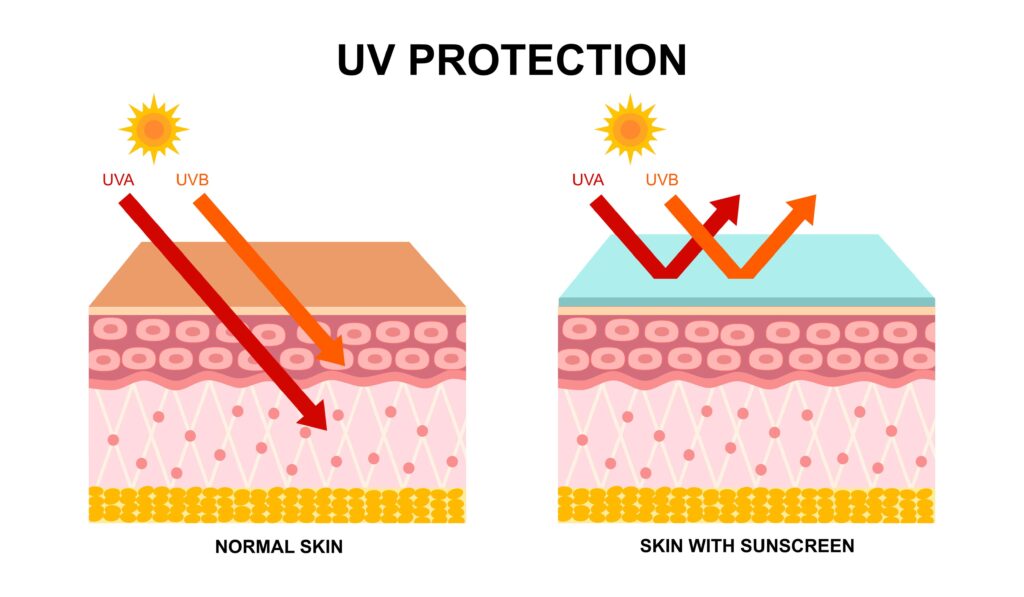
mineral UV protection against chemical sunscreens

Pros and cons of mineral and chemical sunscreens

You might be wondering if chemical or mineral sunscreen is better? Let’s look at some pros and cons of the two:

Benefits of mineral sunscreens:

  • Best for sensitive skin, so it can be used on babies, children, the elderly and people with acne-prone skin
  • Broad spectrum (protects against UVA and UVB rays) when not nano
  • Immediate effectiveness
  • Considered by dermatologists to work better overall
  • It is not absorbed into the body
  • These substances are considered GRAS (generally recognized as safe) by the FDA

Cons of Mineral Sunscreens:

  • In some formulas the percentage of zinc can be very high, so it is considered thick and more difficult to apply
  • Too high a percentage of zinc in the formula can be drying
  • Minerals such as zinc in high concentration can leave a white cast on the skin, especially noticeable on darker skin tones
  • Nano zinc is not broad spectrum and can cause damage to coral reefs. So make sure to use non nano if you choose a mineral sunscreen
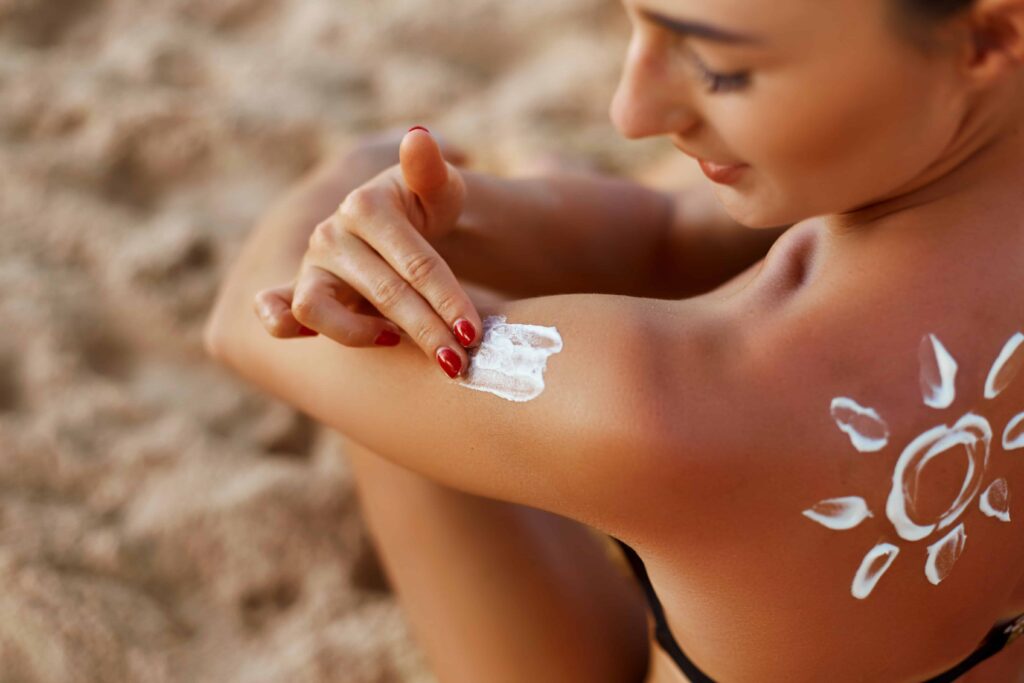
application of mineral sunscreens

Advantages of chemical sunscreens:

  • No white plaster
  • Broad spectrum when chemicals are combined into products
  • The texture is usually light and easy to apply
  • Invisible on all skin tones
  • It is more readily available

Disadvantages of chemical sunscreens:

  • May be irritating to skin, even non-sensitive skin
  • It can be caustic, so it can clog pores
  • Less reef-safe than mineral sunscreen, with some chemicals banned entirely
  • Slightly less broad spectrum than mineral sunscreen
  • Slightly less effective overall according to dermatologists
  • It is absorbed into the body, which can affect hormonal systems
  • The chemicals used are not considered GRAS (generally recognized as safe) by the FDA

There are many reasons to consider a mineral sunscreen over “regular” sunscreens or chemical sunscreens. You may be wondering, “is mineral sunscreen better for you?” or even if mixing chemical and natural sunscreens is a good idea for the best coverage.

Studies have shown that mixing different types of sunscreen reduces the effectiveness of both, so it’s something I prefer not to do. Many ready-made products may include both types in their formulas to achieve a nice texture on the skin. While I have used products like this in the past, I think with this latest research I will avoid products like this in the future.

How to tell if sunscreen is mineral or chemical

In a sunscreen product made in the USA, mineral sunscreens will have one or both of the following ingredients:

In a sunscreen product made in the USA, chemical sunscreens will have one or more of the following ingredients:

  • Oxybenzone
  • Avobenzone
  • Octisalate
  • Octocrylene
  • Homosalat
  • Octinoxate

Sometimes you may see some different chemicals listed on your skin care product in addition to these. This is because there are some chemical UV filters that are not yet FDA approved in the US, yet are widely used in sunscreens in Europe and Asia. Some of these sunscreens have been imported into the US for use.

Conclusion: Mineral SPF vs Chemical SPF

In my opinion, after trying both kinds of formulas on my own skin (which is sensitive), I decided that mineral sunscreen is the best choice for me.

Not only does it have better pros and minimal cons, it’s easy to make your own custom formula that includes natural, nutrient-dense ingredients. Many of these offer their own sunscreen benefits in their natural state. I find this to be very affordable and I can tailor my formula to my specific needs and skin type. Best of all, I don’t have to worry about finding a product that doesn’t match my skin tone. I can add shimmer pigments, a touch of ready bronzer or powder, or even natural iron oxide cosmetic pigments to make it a tinted moisturizer.
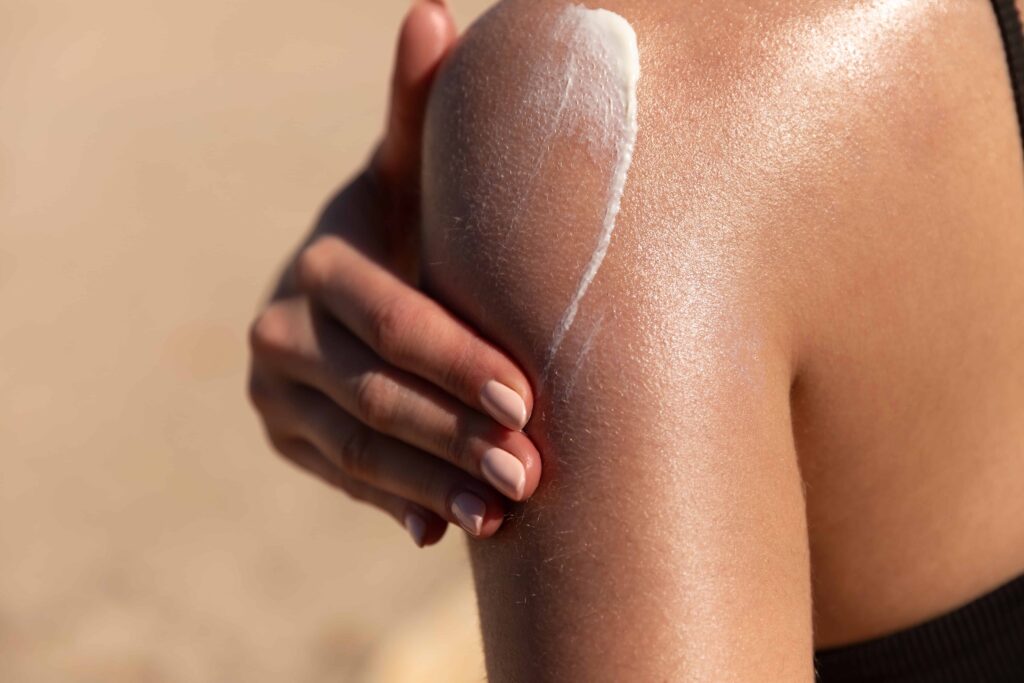
importance of applying sunscreen

There are many other steps you can take to protect yourself from the sun in addition to a skin care product, including protective clothing, sunglasses, umbrellas, and seeking shaded areas often. The best sunscreen product overall is the one you will use regularly! Don’t be afraid to explore the options available, as years of research help create newer products every day that are better and safer for us and our environment.

As always, comment below if you have any questions or comments. I’d love to hear about your favorite sunscreen or DIY sunscreen ingredients that you find work best.

Author: Natalie, DIY Skincare Enthusiast

chemical Metallic sunscreen
bhanuprakash.cg
healthtost
  • Website

Related Posts

Summer skin care tips for sensitive skin – why your skin suddenly breaks out

July 15, 2026

How to use nature’s retinol: Bakuchiol in your beauty routine

July 13, 2026

How our natural hair care achieves salon-level results without silicones

July 11, 2026

Leave A Reply Cancel Reply

Don't Miss
Fitness

5 Common Pilates Mistakes That Could Be Holding Back Your Results

By healthtostJuly 15, 20260

Pilates has become one of the most popular workouts for building strength, improving posture and…

Scientists develop ultra-thin skin sensors for seamless health monitoring

July 15, 2026

I did red light therapy for 3 months so I shouldn’t have

July 15, 2026

Is pelvic floor dysfunction inevitable for older women?

July 15, 2026
Stay In Touch
  • Facebook
  • Twitter
  • Pinterest
  • Instagram
  • YouTube
  • Vimeo
TAGS
Baby benefits body brain cancer care Day Diet disease exercise finds Fitness food Guide health healthy heart Improve Life Loss Men mental Natural Nutrition Patients People Pregnancy research reveals risk routine sex sexual Skin Skincare study Therapy Tips Top Training Treatment ways weight women Workout
About Us
About Us

Welcome to HealthTost, your trusted source for breaking health news, expert insights, and wellness inspiration. At HealthTost, we are committed to delivering accurate, timely, and empowering information to help you make informed decisions about your health and well-being.

Latest Articles

5 Common Pilates Mistakes That Could Be Holding Back Your Results

July 15, 2026

Scientists develop ultra-thin skin sensors for seamless health monitoring

July 15, 2026

I did red light therapy for 3 months so I shouldn’t have

July 15, 2026
New Comments
    Facebook X (Twitter) Instagram Pinterest
    • About Us
    • Contact Us
    • Privacy Policy
    • Terms and Conditions
    • Disclaimer
    © 2026 HealthTost. All Rights Reserved.

    Type above and press Enter to search. Press Esc to cancel.