

Close Menu
Healthtost
  • News
  • Mental Health
  • Men’s Health
  • Women’s Health
  • Skin Care
  • Sexual Health
  • Pregnancy
  • Nutrition
  • Fitness
  • Recommended Essentials
What's Hot

What to Eat During Weeks 2-4 on GLP-1: Simple Protein Plan | glp-1, weight loss, medical weight loss and more

January 13, 2026

Research finds persistent prescribing of dangerous drugs in elderly with dementia

January 13, 2026

Ways Omega-3s Benefit Women Specifically

January 13, 2026
Facebook X (Twitter) Instagram
  • About Us
  • Contact Us
  • Privacy Policy
  • Terms and Conditions
  • Disclaimer
Facebook X (Twitter) Instagram
Healthtost
SUBSCRIBE
  • News

    Research finds persistent prescribing of dangerous drugs in elderly with dementia

    January 13, 2026

    Why adherence determines weight loss success with semaglutide

    January 12, 2026

    Ultrasound-responsive nanocollectors enable precise in situ tumor antigen capture

    January 12, 2026

    Earthworm-based composting offers a low-energy solution to antibiotic resistance

    January 11, 2026

    Health action needed as environmental reservoirs fuel drug-resistant infections

    January 11, 2026
  • Mental Health

    How to apply for a fully funded PhD in the UK

    January 8, 2026

    9 Secrets on How to Stop Procrastinating

    January 6, 2026

    Setting boundaries for self-care in 2026

    January 4, 2026

    In a world of digital money, what is the proper etiquette for splitting the bill with friends?

    January 1, 2026

    Rest is essential during the holidays, but it can mean getting active, not crashing on the couch

    December 26, 2025
  • Men’s Health

    Glucose stability in diabetes is enhanced by natural daylight

    January 10, 2026

    I reconcile my father’s anger and mine: some hills don’t deserve to die

    January 10, 2026

    How to get enough sunlight in winter

    January 9, 2026

    Can physical activity and exercise help my depression?

    January 7, 2026

    25 minute full body Kettlebell workout for strength and fat loss

    January 5, 2026
  • Women’s Health

    Ways Omega-3s Benefit Women Specifically

    January 13, 2026

    Questions and answers about living with nasal polyps

    January 12, 2026

    Body Fat Percentage for Abs in Women: Is It Realistic for You?

    January 11, 2026

    looking back at 2025 and my goals for 2026

    January 11, 2026

    Benefits, uses and how it works

    January 10, 2026
  • Skin Care

    Postnatal massage: Benefits, timing and what to book

    January 13, 2026

    Prepare your lips for the cold with TNW Lip Balm – The Natural Wash

    January 12, 2026

    Your Oily Skin Guide – Tropic Skincare

    January 11, 2026

    Renée’s 2024 Year in Review and What to Expect in 2025

    January 9, 2026

    How Vitamin C Serums Inactivate Peptides – OUMERE

    January 8, 2026
  • Sexual Health

    Relationship diversity, conflict, and why it matters for sex counselor certification — Sexual Health Alliance

    January 12, 2026

    The love language of your nervous system

    January 9, 2026

    Tadalafil 20mg Read a full review that will change your view on ED treatment

    January 7, 2026

    Rewire News Group 2025 Wrapped: Our Favorite Stories

    January 6, 2026

    Protecting access to contraceptives amid COVID-19. don’t let the past divert us from meeting present needs < SRHM

    January 6, 2026
  • Pregnancy

    Which vitamins and minerals are important to consume during pregnancy?

    January 12, 2026

    Supporting emotional development in our children and ourselves – Podcast Ep 194

    January 11, 2026

    Empowered Twin Homebirth VBAC after Unmedicated Hospital Birth and C-Section

    January 10, 2026

    Winter skin care during pregnancy: Safe barrier protection

    January 8, 2026

    12 solid strategies that really help

    January 6, 2026
  • Nutrition

    What to Eat During Weeks 2-4 on GLP-1: Simple Protein Plan | glp-1, weight loss, medical weight loss and more

    January 13, 2026

    Embracing the Heart-Guided Life Amidst Divisive Influences

    January 12, 2026

    TikTok’s Viral Cranberry Recipes for Winter

    January 11, 2026

    What changed and why flexibility works for me • Kath Eats

    January 11, 2026

    Is surgery necessary to reverse diabetes?

    January 10, 2026
  • Fitness

    Inside the OPEX Method Week 9: Content, Social Media and Sales for Fitness Coaches

    January 12, 2026

    Stay in shape during the holidays

    January 11, 2026

    Can Pilates and Strength Training Go Together for Midlife Women?

    January 11, 2026

    Ben Greenfield Weekly Update: January 2nd

    January 10, 2026

    Preparing clients for success in the new year

    January 10, 2026
  • Recommended Essentials
Healthtost
Home»Skin Care»Metallic sunscreen vs chemical sunscreen
Skin Care

Metallic sunscreen vs chemical sunscreen

healthtostBy healthtostJuly 1, 2024No Comments6 Mins Read
Facebook Twitter Pinterest LinkedIn Tumblr Reddit WhatsApp Email
Metallic Sunscreen Vs Chemical Sunscreen
Share
Facebook Twitter LinkedIn Pinterest WhatsApp Email

Sunscreen is one of the hottest topics in the world of skin care and health in general, and for good reason. Sunscreen not only protects your skin from sunburn, it also helps prevent premature aging and even skin cancer. But with so many sunscreen options available in the market, choosing the right one can be confusing.

Today, we dive deep into the world of mineral and chemical sunscreens. We’ll break down how they work, their pros and cons, and which one might work best for you.

What is sunscreen?

A sunscreen, sunscreen, sun cream, or sunscreen product protects your skin from the harmful ultraviolet (UV) rays emitted by the sun.

Which UV rays are harmful?

  • UVA rays – these long rays cause damage by penetrating the skin. Skin aging, inflammation or even skin cancer can occur over time. This damage is usually not seen immediately, but can accumulate with repeated exposure.
  • UVB rays – these short rays cause sunburn on the surface of the skin and can damage your skin cells immediately and over time. It is easy to remember that “B” causes “burn”.

So the harmful rays to worry about are UVA and UVB rays. When you’re looking for a good sunscreen, you want to look for one that’s “broad spectrum.”” or protective against UVA and UVB rays. Many less effective or older sunscreens protect against one or the other, but with research from the last 50 years of sunscreen use, broad-spectrum sunscreens are essential for full protection and are more commonly available.

What is the difference between mineral and chemical sunscreen?

  • ONE mineral Sunscreen is usually made from natural minerals such as zinc or titanium oxides.
  • ONE chemical substance Sunscreen is made from synthetically produced organic chemicals that are made in a laboratory.

In the past, it was believed that chemical sunscreens worked by absorbing UV rays and mineral sunscreens worked by reflecting them.

Mineral sunscreen is often still referred to as “natural sunscreen’ because it was thought to naturally block UV rays from entering your skin.

However, both chemical and mineral sunscreens have recently been shown to work well absorbing UV rays before they come into contact with or enter your skin.
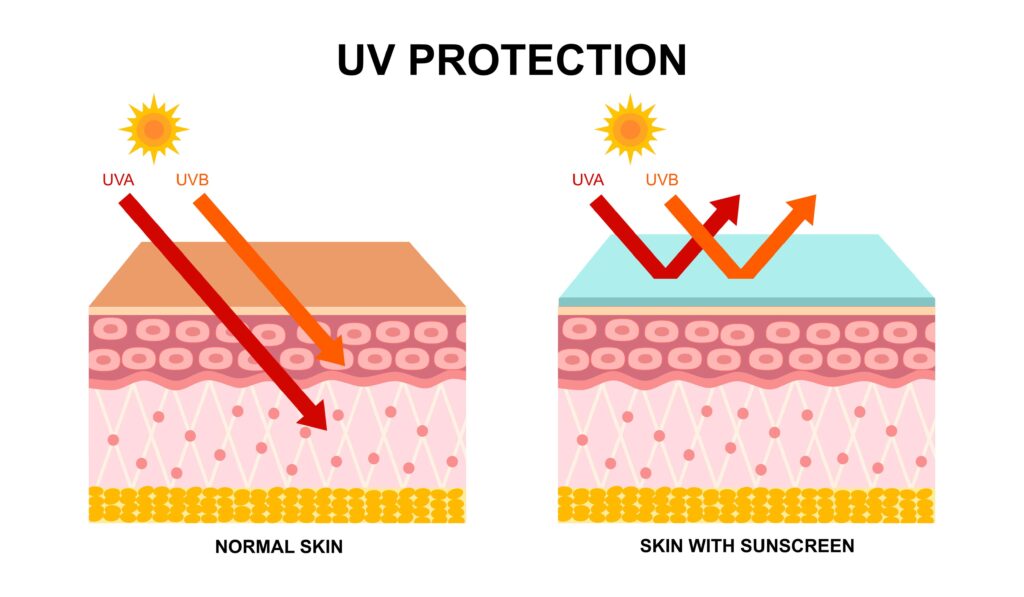
mineral UV protection against chemical sunscreens

Pros and cons of mineral and chemical sunscreens

You might be wondering if chemical or mineral sunscreen is better? Let’s look at some pros and cons of the two:

Benefits of mineral sunscreens:

  • Best for sensitive skin, so it can be used on babies, children, the elderly and people with acne-prone skin
  • Broad spectrum (protects against UVA and UVB rays) when not nano
  • Immediate effectiveness
  • Considered by dermatologists to work better overall
  • It is not absorbed into the body
  • These substances are considered GRAS (generally recognized as safe) by the FDA

Cons of Mineral Sunscreens:

  • In some formulas the percentage of zinc can be very high, so it is considered thick and more difficult to apply
  • Too high a percentage of zinc in the formula can be drying
  • Minerals such as zinc in high concentration can leave a white cast on the skin, especially noticeable on darker skin tones
  • Nano zinc is not broad spectrum and can cause damage to coral reefs. So make sure to use non nano if you choose a mineral sunscreen
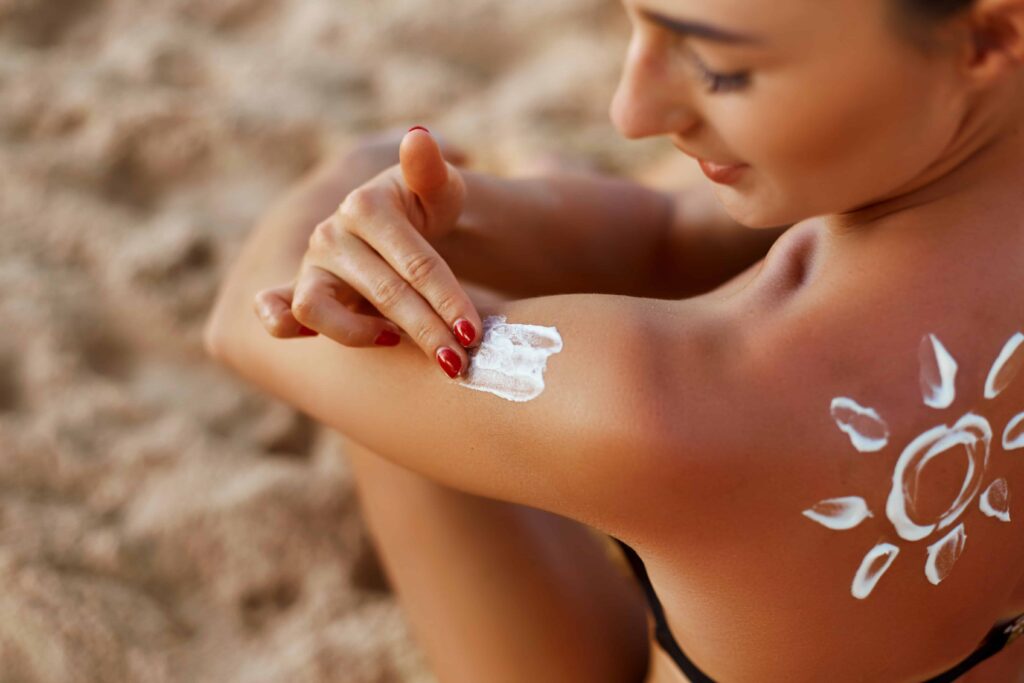
application of mineral sunscreens

Advantages of chemical sunscreens:

  • No white plaster
  • Broad spectrum when chemicals are combined into products
  • The texture is usually light and easy to apply
  • Invisible on all skin tones
  • It is more readily available

Disadvantages of chemical sunscreens:

  • May be irritating to skin, even non-sensitive skin
  • It can be caustic, so it can clog pores
  • Less reef-safe than mineral sunscreen, with some chemicals banned entirely
  • Slightly less broad spectrum than mineral sunscreen
  • Slightly less effective overall according to dermatologists
  • It is absorbed into the body, which can affect hormonal systems
  • The chemicals used are not considered GRAS (generally recognized as safe) by the FDA

There are many reasons to consider a mineral sunscreen over “regular” sunscreens or chemical sunscreens. You may be wondering, “is mineral sunscreen better for you?” or even if mixing chemical and natural sunscreens is a good idea for the best coverage.

Studies have shown that mixing different types of sunscreen reduces the effectiveness of both, so it’s something I prefer not to do. Many ready-made products may include both types in their formulas to achieve a nice texture on the skin. While I have used products like this in the past, I think with this latest research I will avoid products like this in the future.

How to tell if sunscreen is mineral or chemical

In a sunscreen product made in the USA, mineral sunscreens will have one or both of the following ingredients:

In a sunscreen product made in the USA, chemical sunscreens will have one or more of the following ingredients:

  • Oxybenzone
  • Avobenzone
  • Octisalate
  • Octocrylene
  • Homosalat
  • Octinoxate

Sometimes you may see some different chemicals listed on your skin care product in addition to these. This is because there are some chemical UV filters that are not yet FDA approved in the US, yet are widely used in sunscreens in Europe and Asia. Some of these sunscreens have been imported into the US for use.

Conclusion: Mineral SPF vs Chemical SPF

In my opinion, after trying both kinds of formulas on my own skin (which is sensitive), I decided that mineral sunscreen is the best choice for me.

Not only does it have better pros and minimal cons, it’s easy to make your own custom formula that includes natural, nutrient-dense ingredients. Many of these offer their own sunscreen benefits in their natural state. I find this to be very affordable and I can tailor my formula to my specific needs and skin type. Best of all, I don’t have to worry about finding a product that doesn’t match my skin tone. I can add shimmer pigments, a touch of ready bronzer or powder, or even natural iron oxide cosmetic pigments to make it a tinted moisturizer.
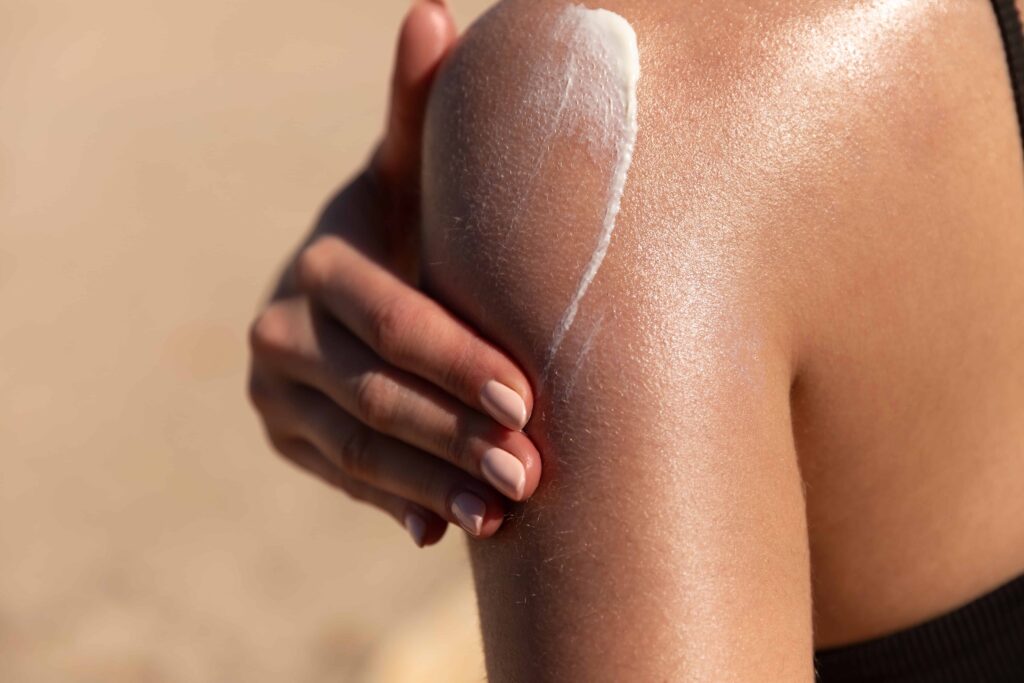
importance of applying sunscreen

There are many other steps you can take to protect yourself from the sun in addition to a skin care product, including protective clothing, sunglasses, umbrellas, and seeking shaded areas often. The best sunscreen product overall is the one you will use regularly! Don’t be afraid to explore the options available, as years of research help create newer products every day that are better and safer for us and our environment.

As always, comment below if you have any questions or comments. I’d love to hear about your favorite sunscreen or DIY sunscreen ingredients that you find work best.

Author: Natalie, DIY Skincare Enthusiast

chemical Metallic sunscreen
bhanuprakash.cg
healthtost
  • Website

Related Posts

Postnatal massage: Benefits, timing and what to book

January 13, 2026

Prepare your lips for the cold with TNW Lip Balm – The Natural Wash

January 12, 2026

Your Oily Skin Guide – Tropic Skincare

January 11, 2026

Leave A Reply Cancel Reply

Don't Miss
Nutrition

What to Eat During Weeks 2-4 on GLP-1: Simple Protein Plan | glp-1, weight loss, medical weight loss and more

By healthtostJanuary 13, 20260

Last updated: January 2026 Short answer: During weeks 2-4 on a GLP-1 journey, many people…

Research finds persistent prescribing of dangerous drugs in elderly with dementia

January 13, 2026

Ways Omega-3s Benefit Women Specifically

January 13, 2026

Postnatal massage: Benefits, timing and what to book

January 13, 2026
Stay In Touch
  • Facebook
  • Twitter
  • Pinterest
  • Instagram
  • YouTube
  • Vimeo
TAGS
Baby benefits body brain cancer care Day Diet disease exercise finds Fitness food Guide health healthy heart Improve Life Loss Men mental Natural Nutrition Patients People Pregnancy protein research reveals risk routine sex sexual Skin study Therapy Tips Top Training Treatment ways weight women Workout
About Us
About Us

Welcome to HealthTost, your trusted source for breaking health news, expert insights, and wellness inspiration. At HealthTost, we are committed to delivering accurate, timely, and empowering information to help you make informed decisions about your health and well-being.

Latest Articles

What to Eat During Weeks 2-4 on GLP-1: Simple Protein Plan | glp-1, weight loss, medical weight loss and more

January 13, 2026

Research finds persistent prescribing of dangerous drugs in elderly with dementia

January 13, 2026

Ways Omega-3s Benefit Women Specifically

January 13, 2026
New Comments
    Facebook X (Twitter) Instagram Pinterest
    • About Us
    • Contact Us
    • Privacy Policy
    • Terms and Conditions
    • Disclaimer
    © 2026 HealthTost. All Rights Reserved.

    Type above and press Enter to search. Press Esc to cancel.