



Black and African Americans have seen great progress in mental health support, but barriers to quality care remain. These challenges exist year-round, but this February, you can honor Black History Month by exploring the importance of mental health in the Black community and taking action to remove these barriers to access.
Below, we highlight the current challenges Black people face in the mental health space and how you can help find practical solutions to culturally competent care for yourself or a loved one.
Black History Month
Cultural Competence
BIPOC Mental Health
Access to health care
In this article
Discover why culturally competent mental health care matters to the Black community, explore common barriers to accessing treatment, learn about stressors unique to the Black experience, and find actionable steps toward treatment and equitable care.
Black Americans and mental health: Why culture matters
The mental health challenges of this community are complex. It is the result of a number of different factors, including historical trauma, social stigmasystemic racism and discrimination, socio-economic inequalities and cultural influences. Whether you identify as a person of color, a member of the LGBTQ+ community, an immigrant, someone of a particular religion, or a member of another group, one truth remains true: cultural identity shapes emotional expression and coping mechanisms.
Did you know?
Cultural identity is not only background, but fundamentally shapes how we express emotions, process trauma, and develop coping mechanisms. This is why culturally competent care is not optional. it is necessary.
You can see these challenges reflected in the harsh realities of mental health
within the Black community in the US:
The numbers tell a story
20%
of people with mental illness
1 in 3
Black adults receive treatment (only)
Source: US Mental Health Data 2023
Basic Realities in Black Mental Health
▸
Black adults in the US are more likely to report persistent signs of emotional distress
▸
As of 2023, black adults made up about 13% of the US population but 20% of those living with mental illness
▸
Only one in three black adults, on average, receive treatment and are generally less likely to seek mental health treatment
Healthcare professionals must consider these critical factors as they provide care. However, many mental health care systems miss the cultural nuances that make individuals unique and shape their emotional needs. However, BlackTherapy’s Black Indigenous People of Color (BIPOC) page helps people find therapists who truly understand them and their backgrounds.
Barriers to accessing mental health care for Black Americans
Your mental health needs are unique to you, but they often stem from cultural, historical, and intergenerational influences that people cannot control. For the black community, cultural factors such as segregation, discrimination, family trauma, religious beliefs, and societal pressures often prevent people from seeking care when they need it.
Basic Insight
Cultural, historical, and transgenerational factors such as segregation, discrimination, and religious beliefs create unique barriers that prevent many Black Americans from accessing the mental health care they deserve.
Understanding the obstacles
1
Historical trauma
Systemic discrimination & segregation
2
Social Stigma
Cultural pressures and misconceptions
3
Socioeconomic Factors
Financial constraints and access issues
4
Lack of representation
Limited culturally competent providers
Common stressors in the black experience
Below are some common experiences that tend to add emotional and mental burden to Black people. Knowing these can help you better protect your well-being or support your loved ones:
Switch codes
You change important aspects of yourself to feel seen and accepted in certain spaces. Doing this repeatedly can negatively affect your well-being.
Avoiding stereotypes
Don’t do activities you enjoy in public because you’re afraid of falling into certain cultural stereotypes. The constant fear of being judged can damage your emotional health.
The fear of systems
Many people of color feel afraid of cultural systems such as law enforcement, court systems, medical facilities, and more if they have experienced systemic discrimination in those spaces.
Internalized Racism
Negative self-talk or internal thoughts that enforce negative beliefs about Black people. If you do this repeatedly, it can negatively affect your emotional well-being.
These are not the only factors that can affect Black mental health, but recognizing the commons is the first step in emotional healing. The expert therapists at GoodTherapy are ready to help you identify and process these experiences so you can begin to protect your mental health for a better you.
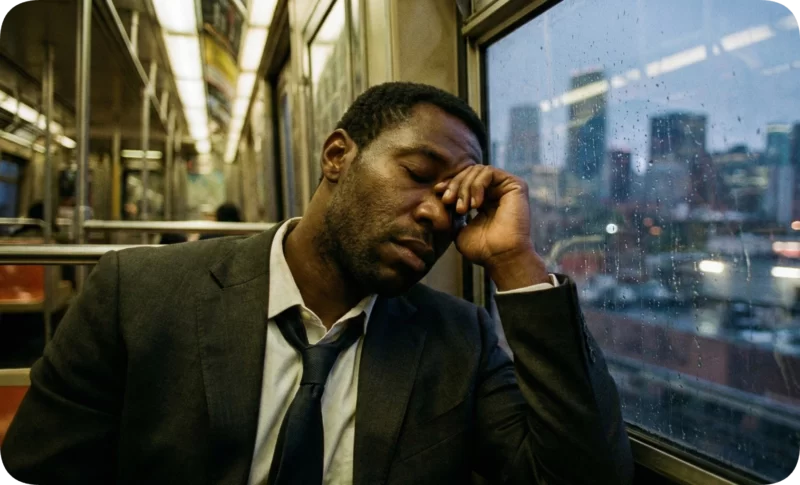
What is culturally competent care and why it matters
Culturally competent Therapy helps you feel validated, understood, and equipped to manage your emotional needs within your cultural identity. This approach is particularly beneficial for those in marginalized communities, but it is very important find a therapist who knows how to do this right.
What does culturally competent care look like?
✓ It validates your experience
It recognizes racism, discrimination and cultural trauma as real factors
✓ Understands context
Recognizes how systemic issues affect individual mental health
✓ Respects Cultural Identity
It values your traditions, beliefs and communities
✓ Adapts approaches
Uses healing techniques that align with your cultural worldview
✓ Creates a safe space
It builds confidence and allows you to be your authentic self
✓ Continuous Learning
They actively educate themselves on Black experiences and perspectives
Good therapists aren’t just seasoned professionals: they’re people in your corner who really get you and your experiences. Culturally competent therapists can help Black individuals understand the social stressors associated with the Black experience and feel heard.
In one of ours recent Spotlight member interviews;we talked Dr. LaNail Plummer about the importance of addressing the unique elements of Black Mental Health. Her recent book, titled The Essential Guide for Counseling Black Womenexplores this in more detail, helping both therapists and clients find culturally competent therapy that is unique to the Black experience.
Featured Expert:
Learn from the expertise of Dr. LaNail Plummer in our Member Spotlight interview about addressing unique elements of Black mental health.
Celebrating Healing and Resilience This Black History Month
Black History Month is all about celebrating the achievements of black people in US history and the legacy they have today. This includes pioneers in mental health such as:
Pioneers in Black Mental Health
Herman George Canady
The first psychologist to study the effect of race on IQ viewers
E. Kitch Childs
She founded the Association for Women in Psychology and helped found the Gay Liberation Front of Chicago
Mamie Phipps Clark & Kenneth Bancroft Clark
It helped uncover the facts about the psychological effects of segregation on black youth
Beverly Green
A pioneer in Black history and published the landmark article “When the Healer is White and the Patient is Black”
Celebrating people like them and recognizing the mental health needs of Black people helps us find solutions for better mental health services. Through advocacy and representation, access to mental health and care for Black people is improving, one conversation at a time.
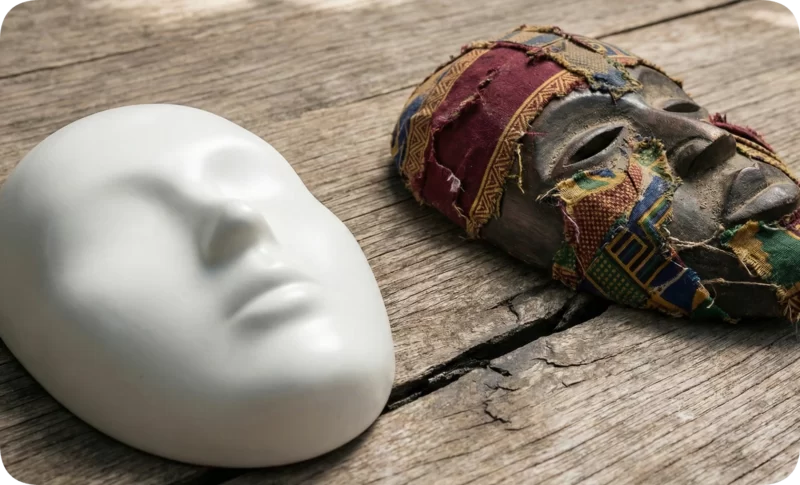
Moving towards equitable, compassionate mental health care
The black community is not the only group that experiences mistrust, fear, stigma, and systemic disparities when it comes to mental health. However, understanding the unique elements that influence Black mental health barriers is key to breaking them down.
Central to this effort are culturally competent therapists: professionals who are willing, trained, and prepared to help you navigate your unique experiences and identities. If you’re ready to prioritize your mental wellness or support someone else, explore GoodTherapy resources such as Find Help Quizzeswhich helps you determine which care is best for you.
Your path to healing begins here
Step 2: Login
Refer to culturally competent providers
Step 3: Deploy
Start your healing journey with support

The previous article was written exclusively by the author listed above. Any views and opinions expressed are not necessarily shared by GoodTherapy.org. Questions or concerns about the previous article can be directed to the author or posted as a comment below.
