

Close Menu
Healthtost
  • News
  • Mental Health
  • Men’s Health
  • Women’s Health
  • Skin Care
  • Sexual Health
  • Pregnancy
  • Nutrition
  • Fitness
  • Recommended Essentials
What's Hot

Low energy after 35? Because your sleep and blood sugar feel low

May 8, 2026

India’s first large-scale search for biomarkers of aging

May 8, 2026

Your sex life after menopause

May 8, 2026
Facebook X (Twitter) Instagram
  • About Us
  • Contact Us
  • Privacy Policy
  • Terms and Conditions
  • Disclaimer
Facebook X (Twitter) Instagram
Healthtost
SUBSCRIBE
  • News

    India’s first large-scale search for biomarkers of aging

    May 8, 2026

    Non-hormonal treatments for vasomotor symptoms

    May 7, 2026

    Targeted RAS inhibitor shows promise against pancreatic cancer mutations

    May 7, 2026

    Teenagers consider cannabis safer than alcohol, vaping and cigarettes

    May 6, 2026

    Popular GLP-1 drugs significantly reduce major cardiovascular events,

    May 6, 2026
  • Mental Health

    Every mental health journey starts with being seen

    May 2, 2026

    What animal studies teach us about toxic work environments

    April 27, 2026

    I hate hope: How to manage hope when you have treatment-resistant bipolar disorder

    April 19, 2026

    Rose Byrne is raw, magnetic and unfiltered as a woman in crisis

    April 18, 2026

    Can a single mother change her child’s surname in India?

    April 16, 2026
  • Men’s Health

    35 Minute High Rep Bodyweight Full Body Workout Challenge

    May 7, 2026

    Study reveals neglected crisis of paternal deaths after childbirth

    May 5, 2026

    Aging in place takes more than good intentions — It takes smart infrastructure

    May 5, 2026

    Dr. William O. Brant on male sexual health and the risks and benefits of supplements

    May 4, 2026

    3 Day Home Workout Plan: Build Muscle and Burn Fat

    April 30, 2026
  • Women’s Health

    Your sex life after menopause

    May 8, 2026

    How to insert a tampon: Step by step guide

    May 7, 2026

    Eat the Vitamins, Kids: A Guide to Kids Vitamins | The Wellness Blog

    May 6, 2026

    Breaking Barriers, Building Strength: The Maya Nassar Story

    May 5, 2026

    How to do a breast self-exam and spot lumps

    May 4, 2026
  • Skin Care

    Skin Spa NYC: What to book for radiance, pore cleansing and lifting

    May 7, 2026

    What is Skinification? A simple guide to this beauty trend

    May 6, 2026

    How I Did It: Fading Hormonal Hyperpigmentation Without Lasers

    May 3, 2026

    The truth about waterless care: What your skin really needs

    May 2, 2026

    What happens to your skin while you sleep? (the science of “Beauty Sle

    May 1, 2026
  • Sexual Health

    how do you tell them apart?

    May 7, 2026

    What is Sexology? Complete guide to the field — Sexual Health Alliance

    May 6, 2026

    5 Ways to Improve Heart Health for Men

    May 5, 2026

    Early signs of Peyronie’s disease and when to seek help

    May 3, 2026

    Boost erectile health and confidence

    May 1, 2026
  • Pregnancy

    Transforming birth through informed, empowered support

    May 6, 2026

    4 Key Steps to Reconnecting with Your Core

    May 5, 2026

    Why is anemia during pregnancy high in Indian women?

    May 2, 2026

    5 things you need for the third trimester

    May 1, 2026

    Eating disorders in pregnancy and breastfeeding: Why “healthy eating” is not always easy

    May 1, 2026
  • Nutrition

    Low energy after 35? Because your sleep and blood sugar feel low

    May 8, 2026

    How living with joy becomes a powerful act of rebellion

    May 5, 2026

    Can magnesium help you lose weight?

    May 4, 2026

    9 Easy Chia Pudding Recipes (+ The Perfect Pudding Ratio) • Kath Eats

    May 4, 2026

    A cancer-causing contaminant in drugs and meat

    May 3, 2026
  • Fitness

    Dealing with customer misconceptions with Ask-Offer-Ask

    May 7, 2026

    A must-have pre-wedding diet plan for every bride-to-be

    May 7, 2026

    Kemari Copeland’s Explains His Strategy for Squatting 605 Pounds for 10 Reps

    May 6, 2026

    The most underrated skill I wish everyone learned

    May 3, 2026

    Landmine Training and Why I Love It – Tony Gentilcore

    May 3, 2026
  • Recommended Essentials
Healthtost
Home»Mental Health»Mental health in England is really worse – our research found that one in five adults is struggling
Mental Health

Mental health in England is really worse – our research found that one in five adults is struggling

healthtostBy healthtostJuly 4, 2025No Comments6 Mins Read
Facebook Twitter Pinterest LinkedIn Tumblr Reddit WhatsApp Email
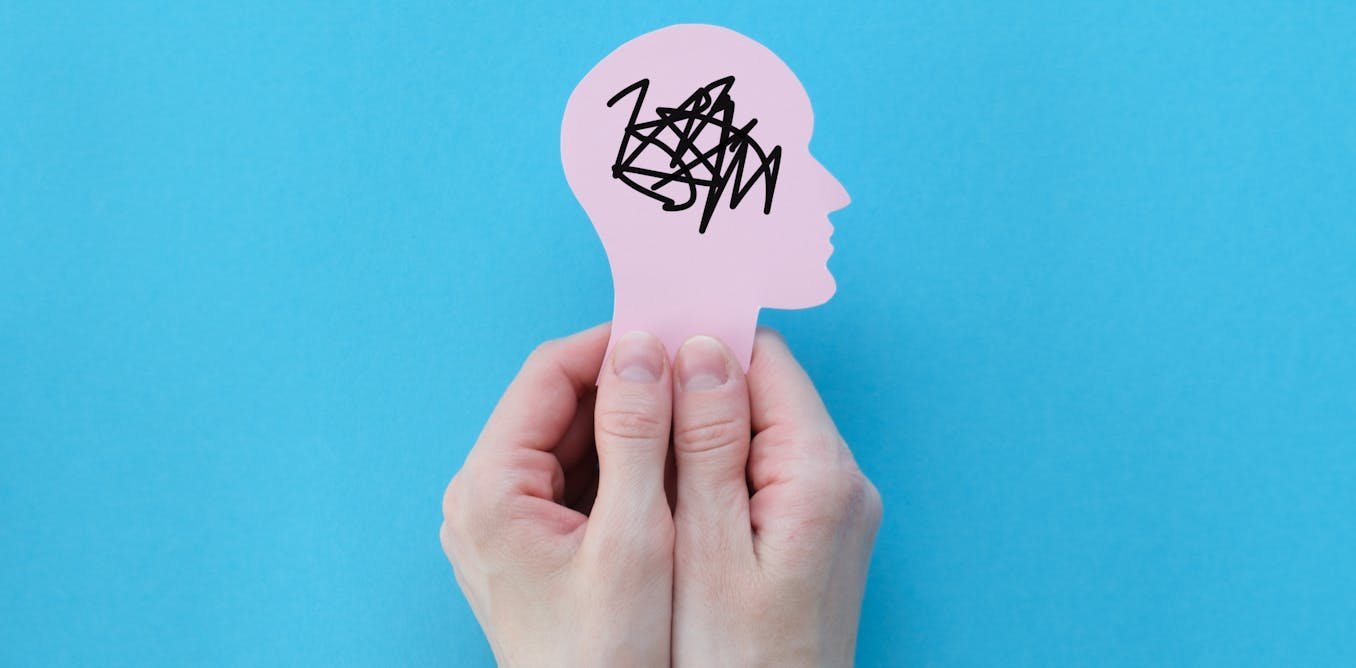
Mental Health In England Is Really Worse Our Research
Share
Facebook Twitter LinkedIn Pinterest WhatsApp Email

The percentage of people in England with poor mental health has increased abruptly over the past 30 years, according to England The most powerful national mental health research. While in 1993, 15% of the 16 to 64 years of age were found to have had anxiety or depression disorder, this reached 23% in 2024.

THE Psychiatric Nursery of Adult (APMS) is the longest order of mental health research in the world. It started in 1993 and has published five data waves since then. The research series was commissioned by the NHS England and is conducted by the National Center for Social Research, along with the University of Leicester and City St George’s University of London.

The findings in this order are the best barometer of nation’s mental health trends because of the quality of research samples and the rigor of mental health assessments. Each wave, a random sample of addresses, is called upon to participate. By training from the entire population and not just those who come into contact with health services, we can consider changing the population.

About 7,000 adults aged 16 to 100 were involved in the latest research. Detailed interviews at home asked questions from participants from Reviewed Clinical Interview Program (CIS-R) – A detailed mental health assessment tool with over 130 questions.

This recent research has revealed many things about the state of mental health in England. While it is clear that the prevalence of several mental health conditions has increased this century, there are also signs that access to mental health care has also increased.

Young people are a priority team

One quarter of 16 to 24 years in this latest research had a common state of mental health-the highest level observed since the APMS series began. An upward trajectory was also evident for self -injury rates.

Items from a sister research We carried out that for young people, the Covid pandemic had a steady impact on mental health. However, both studies show the upward trend in the poor mental health of young people, preceded the pandemic.

Although concerns have been linked to social media, evidence of this as The main causal factor is weak. There are possible multiple causes: Environmental, Social, Economic, Technological and Political Changes It can all play a place.

Anxiety disorders have increased

Generalized anxiety disorder is now one of the most common types of mental health status in England – which exists in one in 12 adults. The situation is characterized by feelings of anxiety or anxiety that affects everyday life, it is difficult to control and which have continued more than six months.

The percentage of 16 to 64 years met generalized anxiety disorder criteria also doubled since the series began- from 4.4% in 1993 to 8.5% in 2023-2024. The steepest increase was observed in children aged 16 to 24-with prevalence increased by just more than 2% in 1993 to almost 8% in 2024.

Socio -economic inequalities remain

Research also confirmed that people who are financially struggling and those with a restrictive physical health state (such as asthma, cancer or diabetes) are particularly at risk of experiencing poor mental health. About 40% of people who were unemployed had depression or anxiety disorder.

The research also revealed the inequalities at the area level, with common mental health conditions being more widespread among those living in the most degraded fifth of neighborhoods. In these areas, 26% of people had a common mental health – compared to 16% of people living in less degraded areas.

Mental health conditions were more widespread in degraded areas.
Wpixz/ shutterstock

Regional inequalities have also emerged – with people living in more degraded areas of England facing worse mental health. About 25% of adults in the east Midlands and the northeast had a common mental health-compared to about 19% of people living in the southwest and 16% in the southeast.

Age and ethnic inequalities in treatment remain

The likelihood of mental health therapy varies between groups. People aged 75 and older were less likely to receive treatment compared to people from other age groups. This could partly come from lack of help.

Ethnic inequalities were also observed, with people from Asian or black backgrounds less likely to be treated compared to people from white background. Ethnic inequalities in access to treatment have also been noted in connected Primary Care Data – inequalities that may also have worsened During the pandemic.

Inequalities of persistent treatment have been attributed to problems with the recognition and diagnosis of symptoms in people by ethnic minority backgrounds by health care workers. Cultural fluctuations in the expressions of discomfort can also lose in consultation procedures – affecting Whether or not they are offered treatments.

Men can seek help more

A decade ago, research found that among people with a common state of mental health, women were around 1.58 times more likely of men to get treatment.

This difference was no longer evident in the final results. It may be that mental health services have become better in recognizing and responding to the need for mental health in men or that reduced mark on mental health meant that more men were looking for help.

People are now more likely to get treatment

The percentage of people with depression or anxiety disorder Download Mental Health Therapy – Whether in the form of prescription drugs or with psychological treatment – it has increased significantly since the research began.

Between 2000 and 2007, one in four people with a common state of mental health was treated. This increased to 39% in 2014 – and almost half in the latest survey. The increase was evident for both psychological treatments (increased from 10% in 2007 to 18% in 2024) and prescription drugs (increased from 20% in 2007 to 38% in 2024).

Future of mental health

APMS has been carried out by consistent methods for decades, using the same powerful mental health assessments with large, random examples of the population. This means that the results are not greatly affected by the changes in the levels of the awareness of mental health or stigma and the changes to the levels of diagnosis or service contact.

Therefore, this gives us confidence in the evidence: that mental health in England is really getting worse and that access to mental therapy between people with a situation has increased.

Now it will be important for future research to consider who drivers of change in the mental health population and how we can improve mental health care for everyone.

adults England health mental research Struggling worse
bhanuprakash.cg
healthtost
  • Website

Related Posts

What is Sexology? Complete guide to the field — Sexual Health Alliance

May 6, 2026

Poor mental health is associated with poorer quality of care and lower trust in the health care system

May 5, 2026

5 Ways to Improve Heart Health for Men

May 5, 2026

Leave A Reply Cancel Reply

Don't Miss
Nutrition

Low energy after 35? Because your sleep and blood sugar feel low

By healthtostMay 8, 20260

Low energy after 35? Learn how eating patterns, stress, and hormones affect sleep and blood…

India’s first large-scale search for biomarkers of aging

May 8, 2026

Your sex life after menopause

May 8, 2026

Dealing with customer misconceptions with Ask-Offer-Ask

May 7, 2026
Stay In Touch
  • Facebook
  • Twitter
  • Pinterest
  • Instagram
  • YouTube
  • Vimeo
TAGS
Baby benefits body brain cancer care Day Diet disease exercise finds Fitness food Guide health healthy heart Improve Life Loss Men mental Natural Nutrition Patients Pregnancy protein research reveals risk routine sex sexual Skin Skincare study Therapy Tips Top Training Treatment ways weight women Workout
About Us
About Us

Welcome to HealthTost, your trusted source for breaking health news, expert insights, and wellness inspiration. At HealthTost, we are committed to delivering accurate, timely, and empowering information to help you make informed decisions about your health and well-being.

Latest Articles

Low energy after 35? Because your sleep and blood sugar feel low

May 8, 2026

India’s first large-scale search for biomarkers of aging

May 8, 2026

Your sex life after menopause

May 8, 2026
New Comments
    Facebook X (Twitter) Instagram Pinterest
    • About Us
    • Contact Us
    • Privacy Policy
    • Terms and Conditions
    • Disclaimer
    © 2026 HealthTost. All Rights Reserved.

    Type above and press Enter to search. Press Esc to cancel.