Close Menu
Healthtost
  • News
  • Mental Health
  • Men’s Health
  • Women’s Health
  • Skin Care
  • Sexual Health
  • Pregnancy
  • Nutrition
  • Fitness
  • Recommended Essentials
What's Hot

2.6 Friday Faves – The Fitnessista

February 7, 2026

How to avoid shaving irritation: 7 myths that keep your skin angry

February 7, 2026

Smart Shoulder Solutions: An Evidence-based Approach

February 7, 2026
Facebook X (Twitter) Instagram
  • About Us
  • Contact Us
  • Privacy Policy
  • Terms and Conditions
  • Disclaimer
Facebook X (Twitter) Instagram
Healthtost
SUBSCRIBE
  • News

    European collaboration turns immune cell data into cancer biomarkers

    February 7, 2026

    Senescent neutrophils promote tumor survival in all cancer types

    February 6, 2026

    Preoperative factors predict persistent opioid use after surgery

    February 6, 2026

    AI-enabled stethoscope doubles detection of valvular heart disease

    February 5, 2026

    Gut microbial butyrate enhances mucosal vaccine antibody responses

    February 5, 2026
  • Mental Health

    Advancing the Future of Behavioral Health Data Exchange

    February 7, 2026

    How to avoid watching disturbing videos on social media and protect your peace of mind

    February 6, 2026

    Mental Health in the Black Community: Addressing…

    February 3, 2026

    Some people gain confidence when they think things through, others lose it – new research

    February 2, 2026

    3 practical ways to improve a writer’s mental health

    January 31, 2026
  • Men’s Health

    Air conditioning in nursing homes reduces heat-related risk

    February 6, 2026

    Analysis: What it’s like to have non-verbal autism and what helped me

    February 5, 2026

    Testicular cancer self-examination and why it could save your life

    February 2, 2026

    25-Minute Bodyweight Functional Training Program for Beginners

    February 1, 2026

    Turning everyday eggs into powerful nutrient delivery systems

    January 30, 2026
  • Women’s Health

    2.6 Friday Faves – The Fitnessista

    February 7, 2026

    Enjoying Endorphins: How to Spoil Your Mood with Feel-Good Hormones

    February 5, 2026

    A critical maternal health data system is at risk

    February 5, 2026

    Prenatal care in 2026: New recommendations for healthy pregnancy

    February 1, 2026

    3 Teens Quit Social Media for a Week — and Loved It

    February 1, 2026
  • Skin Care

    How to avoid shaving irritation: 7 myths that keep your skin angry

    February 7, 2026

    TNW Rich Cream for Soft, Smooth Skin – The natural wash

    February 7, 2026

    Inside Susie Ma’s Makeup | Founder of Tropic – Tropic Skincare

    February 6, 2026

    5 Expert-Backed Tips on How to Reduce Forehead Wrinkles

    February 6, 2026

    5 Powerful Skincare Osmolytes (And Why Your Skin Loves Them)

    February 5, 2026
  • Sexual Health

    Adventurous intimacy is more common than you think — Alliance for Sexual Health

    February 5, 2026

    A guide to a comfortable cervical check with Dr. Unsworth

    February 1, 2026

    How “Bridgerton” and the Other Romances Evolved in Their Depictions of Consent

    January 30, 2026

    Extraction, gold mining and SRHR in Kenya

    January 29, 2026

    How the Wabi-Sabi Body Frame is Rewriting Body Image Therapy — Sexual Health Alliance

    January 28, 2026
  • Pregnancy

    Pregnant on Chhath Puja? Hydration and nutrition tips

    February 6, 2026

    The second trimester sweet spot is real. Here’s how to get the most out of it

    February 4, 2026

    Is it safe to drink milk during pregnancy? What to know

    January 31, 2026

    12 Expert Answers to Your Pregnancy Yoga Questions

    January 29, 2026

    Best Pregnancy and Postpartum Fitness Course 2026

    January 27, 2026
  • Nutrition

    5 Ways You’re Sabotaging Your Metabolism

    February 2, 2026

    How to Save Money on Travel • Kath Eats

    February 1, 2026

    How low can LDL cholesterol go on PCSK9 inhibitors?

    January 31, 2026

    Signs that your body is ready to reset

    January 31, 2026

    Healthy Pakistani Recipes: Low-Oil Versions of Beloved Classics

    January 30, 2026
  • Fitness

    Smart Shoulder Solutions: An Evidence-based Approach

    February 7, 2026

    Ja’Marr Chase Offseason Training: The Explosive Workouts Fueling NFL Elite Performance

    February 6, 2026

    What’s NEW in February 2026 for the BODi Community of Experience!

    February 5, 2026

    AI As a Learning Coach – BionicOldGuy

    February 5, 2026

    Can your customers actually do what you want them to do? – Tony Gentilcore

    February 2, 2026
  • Recommended Essentials
Healthtost
Home»Skin Care»Humectants vs Osmolytes in Skincare: What’s the Difference and Why Does It Matter?
Skin Care

Humectants vs Osmolytes in Skincare: What’s the Difference and Why Does It Matter?

healthtostBy healthtostJanuary 28, 2026No Comments5 Mins Read
Facebook Twitter Pinterest LinkedIn Tumblr Reddit WhatsApp Email
Humectants Vs Osmolytes In Skincare: What's The Difference And Why
Share
Facebook Twitter LinkedIn Pinterest WhatsApp Email

If your moisturizer isn’t working like it used to, or your skin still feels tight no matter how much you apply, there may be a science-backed reason. You’ve probably heard the term “moisturizers” in skin care whenever someone talks about hydration. However, another class of ingredients, called “osmolytes,” is starting to make waves. So what exactly are they, how do they differ, and which one does your skin really need? This article breaks down the differences between hygroscopics and osmolytes, two hydration aids that sound similar but work in very different ways. In the end, you’ll know which one delivers what your skin craves.

What are moisturizers?

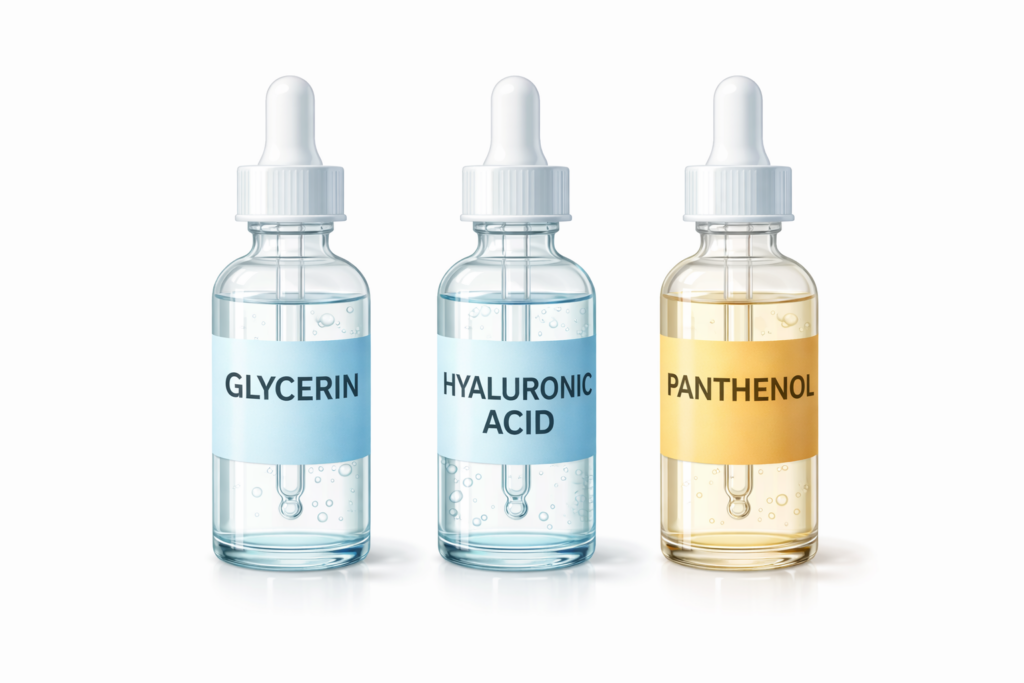
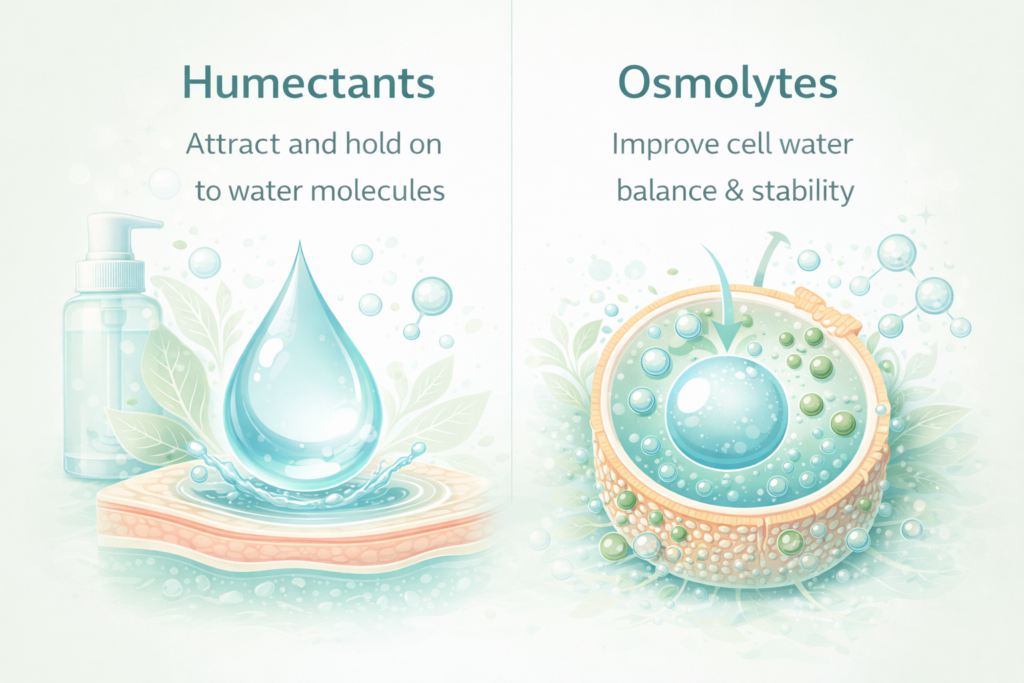
Humectants are ingredients that attract water and help draw moisture to the skin. Think of them as hydration magnets. Common examples include glycerin and hyaluronic acid.

When applied topically, moisturizers draw water from two main sources and a third that is commonly cited but not fully scientifically proven:

  • The most established way that hygroscopics grab water molecules is from excess water in the products.
  • The second most established way that hygroscopics grab water molecules is from the surrounding environment when the air is humid and there is a lot of free moisture.
  • And the third, which is often discussed but doesn’t have much scientific support, is the deeper layers of your skin (called the dermis) when there’s a moisture imbalance.

By attracting water to the outer layer (stratum corneum), they temporarily plump and smooth the skin. This is why humectants are essential ingredients in all skin care products, but especially moisturizing serums and moisturizers. Humectants are ideal for enhancing surface hydration, softening dry patches and giving the skin a dewy appearance, especially in humid climates.

What are osmolytes?

Osmolytes are small molecules that help skin cells maintain their water balance and resist stress. Unlike humectants, which work outside the cells, osmolytes work inside them.

They act like tiny bodyguards, helping skin cells survive:

  • Changes in temperature
  • Dehydration
  • Pollution or oxidative stress

Examples include ectoine, taurine and betaine. These ingredients stabilize proteins and membranes within cells, supporting the skin’s natural defenses and reducing inflammation. Osmolytes are a great addition to your skincare routine if you have sensitive, sensitized, stressed or mature skin that needs internal hydration support, not just surface moisture.

Humectants vs. Osmolytes: A Side-by-Side Comparison

Let’s break it down now with basic criteria so you can see how humectants and osmolytes stack up when the two are compared to each other.

1. Mechanism of Action

  • Moisturizers: Attract water molecules and hold them. They will absorb any free moisture they can find, either from excess water in your skin care products or free moisture in the environment.
  • Osmolytes: Not only do they attract and hold water molecules, but they also facilitate the way water moves across the cell membrane. They help cells retain water and stay balanced under stress. Work at the cellular level to protect internal structures.

Think of moisturizers as water magnets. Osmolytes are more like water managers.
2. Where They Work

  • Moisturizers: It acts mainly on the outer layer of the skin (stratum corneum).
  • Osmolytes: These are very small molecules so they can penetrate the skin cells (keratinocytes and fibroblasts), helping them work better under harsh conditions.

Some smaller hygroscopics penetrate through the upper layer of the skin, such as glycerin, but do not interact with cells like osmolytes.

3. Primary Benefits

  • Moisturizers: Fast hydration, smoother texture, temporarily firm skin.
  • Osmolytes: Long-term durability, less irritation, better water balance within the skin barrier.
4. Performance in difficult conditions

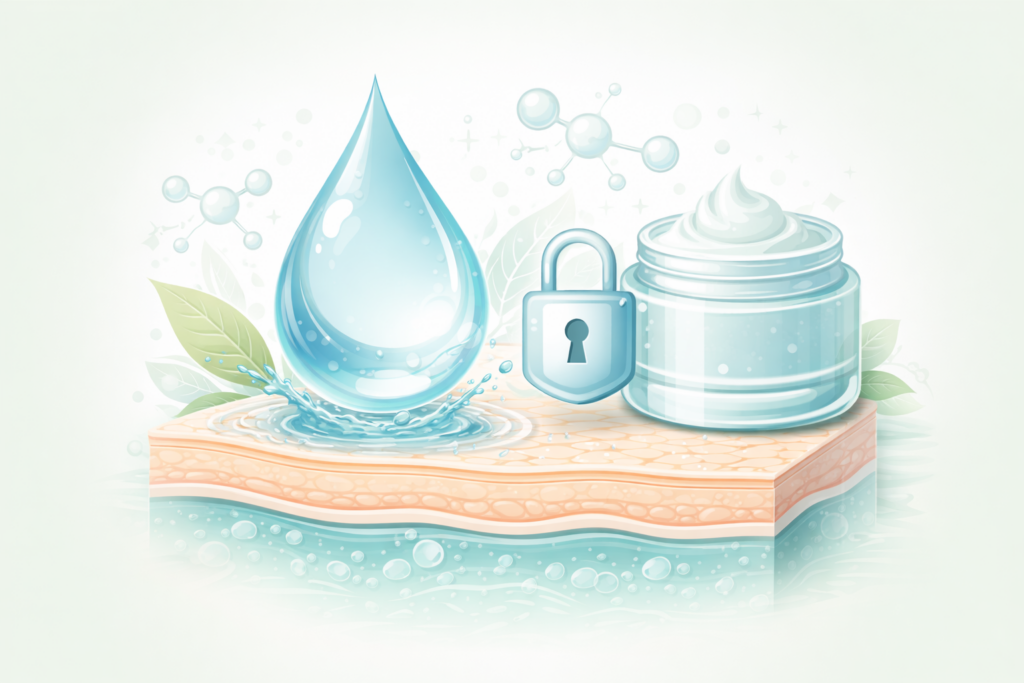
  • Moisturizers: May fail in dry climates. they can draw water from the skin if there isn’t enough in your products or in the air.
  • Osmolytes: Shine in extreme environments (heat, cold, dry air) by helping skin cells adapt and protect.

If your skin feels drier after using a moisturizer-heavy product in the winter, this is likely why.

5. Ideal skin types

  • Moisturizers: Normal to oily skin in humid environments. useful in layering routines.
  • Osmolytes: Sensitive, aged, dehydrated or degraded skin, especially in dry or polluted areas.

6. Compatibility with other ingredients

  • Moisturizers: Pair well with concealers and conditioners for a complete hydration routine.
  • Osmolytes: Work synergistically with antioxidants, barrier repair agents and even some moisturizers to boost overall skin resilience.

Which one should you use?

Both humectants and osmolytes play valuable roles in skin care, but they are not interchangeable.

  • If you want instant wetness and thicknessmoisturizers are your friend.
  • If you need deep hydration and protection at the cellular levelespecially in dry or stressful environments, osmolytes are worth the hype.

In fact, many modern skincare formulas now include both to deliver multi-layered benefits, humectants for immediate hydration and osmolytes for long-lasting skin resilience.

Final Thoughts

“Humectants vs. osmolytes” is not a battle. it’s a balance. Each serves a different purpose and together, they can transform the way your skin handles hydration and stress.

So the next time you scan an ingredient list, look beyond hyaluronic acid. Spotting terms like ectoine or taurine? This is the indication that the osmolytes are working behind the scenes to keep your skin calm, balanced and beautifully supple.

difference Humectants Matter Osmolytes Skincare Whats
bhanuprakash.cg
healthtost
  • Website

Related Posts

How to avoid shaving irritation: 7 myths that keep your skin angry

February 7, 2026

TNW Rich Cream for Soft, Smooth Skin – The natural wash

February 7, 2026

Inside Susie Ma’s Makeup | Founder of Tropic – Tropic Skincare

February 6, 2026

Leave A Reply Cancel Reply

Don't Miss
Women's Health

2.6 Friday Faves – The Fitnessista

By healthtostFebruary 7, 20260

Hello friends! Happy Friday! what are you doing What are you doing this weekend? We…

How to avoid shaving irritation: 7 myths that keep your skin angry

February 7, 2026

Smart Shoulder Solutions: An Evidence-based Approach

February 7, 2026

European collaboration turns immune cell data into cancer biomarkers

February 7, 2026
Stay In Touch
  • Facebook
  • Twitter
  • Pinterest
  • Instagram
  • YouTube
  • Vimeo
TAGS
Baby benefits body brain cancer care Day Diet disease exercise finds Fitness food Guide health healthy heart Improve Life Loss Men mental Natural Nutrition Patients People Pregnancy protein research reveals risk routine sex sexual Skin study Therapy Tips Top Training Treatment ways weight women Workout
About Us
About Us

Welcome to HealthTost, your trusted source for breaking health news, expert insights, and wellness inspiration. At HealthTost, we are committed to delivering accurate, timely, and empowering information to help you make informed decisions about your health and well-being.

Latest Articles

2.6 Friday Faves – The Fitnessista

February 7, 2026

How to avoid shaving irritation: 7 myths that keep your skin angry

February 7, 2026

Smart Shoulder Solutions: An Evidence-based Approach

February 7, 2026
New Comments
    Facebook X (Twitter) Instagram Pinterest
    • About Us
    • Contact Us
    • Privacy Policy
    • Terms and Conditions
    • Disclaimer
    © 2026 HealthTost. All Rights Reserved.

    Type above and press Enter to search. Press Esc to cancel.