

Close Menu
Healthtost
  • News
  • Mental Health
  • Men’s Health
  • Women’s Health
  • Skin Care
  • Sexual Health
  • Pregnancy
  • Nutrition
  • Fitness
  • Recommended Essentials
What's Hot

Comprehensive insurance-supported oncology symptom management program benefits cancer patients

July 11, 2026

Menopause and Your Microbiome: How Gut Health Shapes Weight, Mood, and Hormones

July 11, 2026

How our natural hair care achieves salon-level results without silicones

July 11, 2026
Facebook X (Twitter) Instagram
  • About Us
  • Contact Us
  • Privacy Policy
  • Terms and Conditions
  • Disclaimer
Facebook X (Twitter) Instagram
Healthtost
SUBSCRIBE
  • News

    Comprehensive insurance-supported oncology symptom management program benefits cancer patients

    July 11, 2026

    Azenta announces the completion of the sale of B Medical Systems to Thelema Sa rl. Whitestone Group acquires 40% stake in Thelema Sa rl, a special purpose vehicle (SPV) established to own B Medical Systems

    July 11, 2026

    Specialized therapies offer a new approach to regenerative medicine

    July 10, 2026

    New genomic map identifies hundreds of genes governing bone health

    July 10, 2026

    UCSF and Samsung launch remote study of aging brain health

    July 9, 2026
  • Mental Health

    Almost 20% of new mums have anxiety or depression, but a promising psychedelic treatment is on the horizon

    July 7, 2026

    How can ART help us improve our mental health? With 3 Ways

    July 5, 2026

    How much do friends affect the mental health of teenagers? What a new study can (and can’t) tell us

    July 3, 2026

    What happens in your blood when you are stressed? We put it to the test

    June 28, 2026

    Why negative news grabs our attention and what it means for our mental health

    June 25, 2026
  • Men’s Health

    Low testosterone or just stress? How to tell the difference

    July 11, 2026

    Gut-friendly diet linked to lower risk of coronary heart disease mortality

    July 9, 2026

    Men don’t just avoid their health. Many lose themselves.

    July 8, 2026

    The Crazy Hard Standards of the Hardest PE Program in History

    July 8, 2026

    Why our relationships are becoming more dishonest and what we can do about it

    July 7, 2026
  • Women’s Health

    Menopause and Your Microbiome: How Gut Health Shapes Weight, Mood, and Hormones

    July 11, 2026

    They heard us. Now will they listen?

    July 11, 2026

    Taite Heller on Why Barre Became a Top-5 Fitness Trend

    July 8, 2026

    Sunscreen TikTok convinces young people

    July 7, 2026

    Biology, Myths and Real Care

    July 7, 2026
  • Skin Care

    How our natural hair care achieves salon-level results without silicones

    July 11, 2026

    Coconut Allergy and Skin Care: 20 Questions Finally Answered by a Pharmacist

    July 11, 2026

    New Sunscreen Ingredient: Is This The SPF Upgrade We’ve Been Waiting For?

    July 9, 2026

    How to achieve the perfect tan

    July 8, 2026

    How I did it: I plump the skin without fillers

    July 6, 2026
  • Sexual Health

    Fildena 150 Benefits | Effective ED & Sexual Performance Treatment

    July 11, 2026

    Painful sex after menopause: When is it time to seek treatment?

    July 11, 2026

    Emotional capitalism and artificial intimacy

    July 10, 2026

    Why report e-6929 matters in Canada — Sexual Health Research Lab

    July 9, 2026

    Complete Career Guide — Sexual Health Alliance

    July 8, 2026
  • Pregnancy

    Calf Raises During Pregnancy: Step-by-Step Guide and Benefits

    July 8, 2026

    Tri-Tri Triplet Pregnancy with Vaginal Birth Story – The Birth Hour Triplet Pregnancy and Vaginal Birth Story with Ashlie Holladay

    July 7, 2026

    Common pregnancy drugs linked to higher rates of autism diagnosis in large study

    July 6, 2026

    Monsoon Infections During Pregnancy: Safety Tips for Expectant Moms

    July 5, 2026

    How to be the support she really needs

    July 4, 2026
  • Nutrition

    5 Easy High Fiber Bowl Recipes

    July 8, 2026

    Salmon Teriyaki Recipe (Ridiculously Easy!) • Kath Eats

    July 8, 2026

    Can exercise counteract a high-fat meal?

    July 6, 2026

    Natural ways to boost energy throughout the day

    July 6, 2026

    My story with iron deficiency as a plant-based nutritionist and runner

    July 4, 2026
  • Fitness

    where we ate in Tokyo (and gluten-free options!)

    July 9, 2026

    Using External Signaling to Improve Linear Acceleration – Tony Gentilcore

    July 8, 2026

    5 Simple Screen Changes That Can Improve Sleep and Focus

    July 7, 2026

    How to prevent muscle loss while losing weight

    July 5, 2026

    The role of nutrition in maintaining energy during regular exercise

    July 5, 2026
  • Recommended Essentials
Healthtost
Home»Women's Health»How to Monitor Core Body Temperature (Step by Step)
Women's Health

How to Monitor Core Body Temperature (Step by Step)

healthtostBy healthtostJune 18, 2026No Comments5 Mins Read
Facebook Twitter Pinterest LinkedIn Tumblr Reddit WhatsApp Email
How To Monitor Core Body Temperature (step By Step)
Share
Facebook Twitter LinkedIn Pinterest WhatsApp Email

Basal body temperature, or BTT, is the lowest your body temperature is at rest on any given day. For menstruating people, fluctuations in hormone levels – particularly the hormone progesterone – cause a slight increase in BTT. BTT tracking is a way of measuring your fertility window, which tells you which days of the month you are most likely to get pregnant if you have sex.

In addition to family planning, tracking your BTT can help you more accurately connect each stage of your cycle to how you feel, confirm the timing of ovulation, and provide a more complete picture of your body’s natural rhythms.

How does your cycle affect core body temperature?

Your BTT changes at each stage of your cycle, rising after ovulation and falling just before ovulation.

  • Follicular phase: During the pre-ovulatory (follicular) phase of the menstrual cycle, the average adult woman’s core body temperature usually drops to around 97.0 – 97.5°F (36.1°C to 36.4°C). This is the beginning of your cycle, when estrogen dominates.
  • Ovulation: In the 1-2 days before ovulation, there is a small “dip” of about 0.5°F (0.2°C). This is the lowest BTT in your cycle.
  • Yellow phase: Progesterone levels rise as your body prepares for a possible pregnancy, raising your resting body temperature by 0.4°F to 1.0°F (0.2°C-0.5°C) to a higher range of about 97.6°F to 98.6°F (36.4°C-37°C).
  • End of cycle: If pregnancy does not occur, progesterone levels fall and BTT decreases. Your body sheds the unfertilized egg and the lining of the uterus in what we call a “period.” If pregnancy occurs, the BTT remains elevated.

Ovulation Fever vs Illness

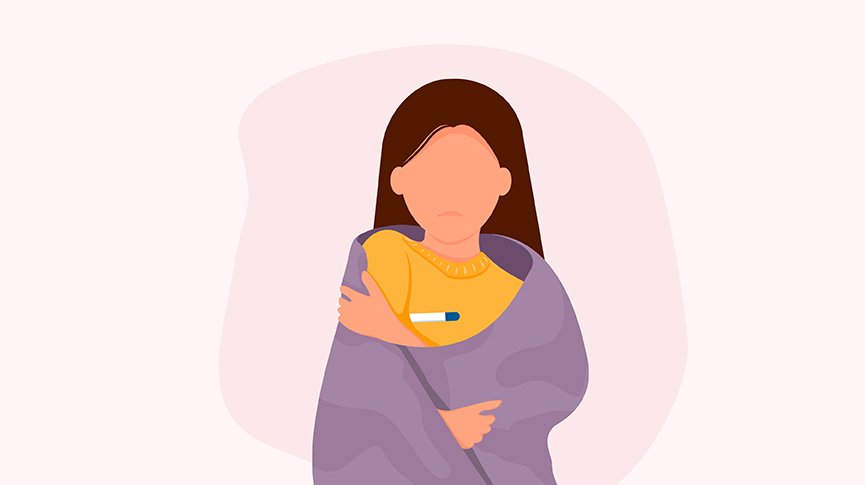
Do you ever feel like you have the flu in the days before your period? If you’re constantly feeling achy, tired, and a bit feverish during this time of the month, it might not just be a well-timed cold – you might be experiencing ‘ovulation fever’.

During the luteal phase, your body releases chemical messengers called prostaglandins. Prostaglandins are the same chemical messengers your body produces when you’re sick to fight bacteria and viruses. When you start your period, prostaglandin released in the lining of the uterus raises your body temperature, causing a low-grade fever. Prostaglandin combined with low estrogen levels and an increase in BBT due to ovulation can mimic flu-like symptoms such as fatigue and pain.

PMS symptoms vary widely from person to person, and researchers are still discovering new things about “ovulation fever.” Tracking your hormone cycle can help you figure out what times of the month you’re most likely to feel tired and whether or not you’re actually sick. Remember: Cyclical changes in body temperature are generally subtle, and if your body temperature rises significantly or remains high after your period, it’s time to see a doctor.

Why should I track my BTT?

You might be thinking: I’m very careful about using condoms and I’m not trying to get pregnant. Why should I track my BTT?

Cycle tracking is a way of measuring your hormonal health, providing real-time data on hormonal fluctuations, which can be responsible for a range of symptomsfrom irregular menstrual cycles and fatigue to weight changes and irritability. The average person experiences their period on a 21- to 35-day cycle, but this range (which is already quite large) can vary.

BTT offers a more specific way of measuring your bleeding patterns; If your period has never been very regular, tracking your BTT helps you figure out when your next period will be and plan accordingly (you might want to reschedule a swimming excursion in the days after the “dip,” for example).

BTT patterns can also be a predictor of hormonal health. For example, research shows that consistently low BTT measurements correlate with hypothyroidism. If your BTT patterns are all over the place, it could indicate hormonal conditions like polycystic ovary syndrome (PCOS), stress-induced fluctuations, or perimenopause. Understanding your hormonal patterns can lead you to potential problems and when to seek medical intervention.

How to track BTT: A step-by-step morning routine

Following the BTT requires consistency and a consistent sleep schedule. Keep in mind that your core body temperature can be affected by a number of factors, including:

  • Stress
  • Illness or fever
  • Does not sleep well or sleeps more than usual
  • Substances such as alcohol
  • Certain medicines
  • Travel, especially across time zones
  • Gynecological disorders

You will need a thermometer specifically designed to measure core body temperature to two decimal places. Most BTT thermometers can be inserted under the tongue, although vaginal or rectal options are also available. Here it is how to track BTT:

1. Take your temperature at the same time every day when you first wake up.

Our body temperature is lowest right when we wake up in the morning and rises with activity. Be sure to take BTT as soon as you wake up, before you sit down, drink water, or go to the toilet. Always take your temperature using the same methods as close to the same time each day as possible.

2. Track the numbers.

Use a chart or tracking app to record your daily core body temperature. There are many apps designed for this purpose that can provide useful visual aids.

3. Look for a pattern.

You should see a clear pattern emerge within a few months. Ovulation should occur on days when your BTT rises slightly. Be patient – ​​self-measurement is prone to human error and it may take some time to get a regular pattern.

Hormones should be cyclical, not precise

We are not robots and sometimes a night out or stress can mess up your readings. However, if you are consistent enough in your habits and you detect clear changes in your BTT after months of monitoring, it may be a sign of a hormonal disorder. Knowing how your hormones affect the way you feel can help you understand your body and provide valuable information to your doctor if you are concerned.

body Core Monitor step Temperature
bhanuprakash.cg
healthtost
  • Website

Related Posts

Menopause and Your Microbiome: How Gut Health Shapes Weight, Mood, and Hormones

July 11, 2026

They heard us. Now will they listen?

July 11, 2026

Taite Heller on Why Barre Became a Top-5 Fitness Trend

July 8, 2026

Leave A Reply Cancel Reply

Don't Miss
News

Comprehensive insurance-supported oncology symptom management program benefits cancer patients

By healthtostJuly 11, 20260

A new study from Connor Whole Health University Hospitals reports that an insurance-supported comprehensive oncology…

Menopause and Your Microbiome: How Gut Health Shapes Weight, Mood, and Hormones

July 11, 2026

How our natural hair care achieves salon-level results without silicones

July 11, 2026

Fildena 150 Benefits | Effective ED & Sexual Performance Treatment

July 11, 2026
Stay In Touch
  • Facebook
  • Twitter
  • Pinterest
  • Instagram
  • YouTube
  • Vimeo
TAGS
Baby benefits body brain cancer care Day Diet disease exercise finds Fitness food Guide health healthy heart Improve Life Loss Men mental Natural Nutrition Patients People Pregnancy research reveals risk routine sex sexual Skin Skincare study Therapy Tips Top Training Treatment ways weight women Workout
About Us
About Us

Welcome to HealthTost, your trusted source for breaking health news, expert insights, and wellness inspiration. At HealthTost, we are committed to delivering accurate, timely, and empowering information to help you make informed decisions about your health and well-being.

Latest Articles

Comprehensive insurance-supported oncology symptom management program benefits cancer patients

July 11, 2026

Menopause and Your Microbiome: How Gut Health Shapes Weight, Mood, and Hormones

July 11, 2026

How our natural hair care achieves salon-level results without silicones

July 11, 2026
New Comments
    Facebook X (Twitter) Instagram Pinterest
    • About Us
    • Contact Us
    • Privacy Policy
    • Terms and Conditions
    • Disclaimer
    © 2026 HealthTost. All Rights Reserved.

    Type above and press Enter to search. Press Esc to cancel.