


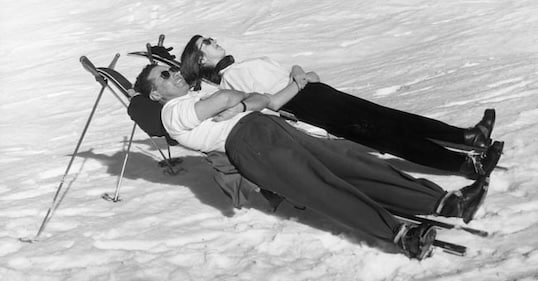
There is something about sunlight that recharges you. If you don’t get enough of it, you feel a lot like a potted plant that’s been kept too far from a window – you start to feel like you’re sagging and withering physically and mentally.
It’s not just in your head. Sunlight contains a powerful cocktail of health benefits: it lowers blood pressure, fights inflammation, supports optimal testosterone levels, improves insulin sensitivity, boosts immunity, and improves mood and sleep. These benefits don’t just come from sunlight-induced vitamin D production. some of them appear independently of it and are products of sunlight itself.
Unfortunately, it is difficult to get sufficient solar radiation during the winter months. The sun’s angle in the sky is lower, the days are shorter and grayer, and UVB rays—the ones your skin needs to make vitamin D—often don’t penetrate enough into the atmosphere for meaningful production in many northern latitudes.
Despite these challenges, winter doesn’t have to completely shut you out from the benefits of the sun. By using the strategies below, you can still get meaningful exposure — even during the darkest months of the year.
Maximize the sun moments you get
Even if sometimes pale, winter offers moments of sunlight. The trick is to capture those moments and maximize them.
Time right. Aim for outdoor exposure around noon (around 10am-2pm). That’s when the sun is highest and its light is brightest, giving you the biggest punch of bright light you’ll get all day.
Take 15–30 minutes when you can. In the summer, you can often meet your sunlight needs with 15 minutes of exposure several times a week. In winter, because sunlight is weaker, you’ll want at least that much, and ideally more, each day. If you can, climb to higher altitudes for a stronger dose.
Get active outside. Choose activities that get you outside—from walking the dog to shoveling snow—and try to intentionally engage in outdoor recreation, like snowshoeing on the weekend. Staying active outside will keep you warm as you soak up the rays, and movement has its own benefits for vitamin D metabolism, energy levels and mood — so you get triple the value of every minute of outdoor activity.
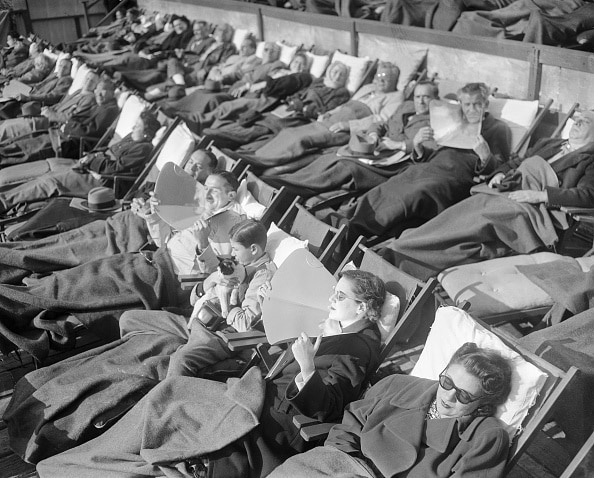
Sunbathing on a cold day at Coney Island
Expose as much skin as you can. What’s difficult about getting sunlight in the winter is that not only are the rays weaker, but you’ve probably covered your entire body to keep the cold at bay.
If the only skin you can expose is your face and hands, you can still be exposed that way – even lying in a warm mummy sleeping bag with only your face working. But bare more if tolerable. Consider wearing a very warm vest (keeping your core warm has a disproportionate effect on keeping the rest of your body warm) while wearing a short-sleeved shirt to expose your forearms. Especially consider doing your workout outside. it is much easier to shed the layers that cover the skin when your body heats up from physical exercise.
Skip the sunscreen. If you’re not going to be outside for long periods of time, will be at higher altitudes, and/or are very concerned about sun-related aging, you can skip sunscreen during the winter to allow more rays to penetrate your skin.
Go outside, even on cloudy days. Clouds may block some rays, but daylight is still much brighter than indoor lighting—meaning you’re setting your circadian clock and getting in the mood just by going outside.
Here’s something to keep in mind with winter sun exposure in general: even if it’s lower in intensity compared to summer and you’re not absorbing enough to trigger vitamin D production and other health benefits, daily access to bright light still helps maintain your body’s rhythms and mood-regulating systems.
Supplement as needed
In many areas, especially north of about 37° latitude (much of the continental United States and most of Europe), the sun, from October to March, is simply not strong enough to provide all the potential health benefits. Therefore, you may need to implement some strategies to supplement sunlight.
Use phototherapy. SAD (Seasonal Affective Disorder) lamps and bright light devices mimic bright daylight and can help with mood, circadian entrainment, and overall energy. Sit in front of a 10,000 lux lamp for 15-30 minutes every morning to compensate for the lack of natural light. These bulbs don’t directly produce vitamin D, but they are useful for your brain’s light-sensing pathways.
Go for a tan. Some people swear by the power of tanning beds to ward off the winter blues. But to get the full benefit, you need to choose the bed you use carefully.
Many modern commercial tanning beds, especially those marketed for “bronzing,” emphasize UVA rays, which penetrate deeper into the skin and mimic some of the benefits of natural sunlight, but do not produce vitamin D, which requires UVB radiation (especially in the 290–315 nm range).
So look for a tanning bed that emits a mix of UVB and UVA or is labeled as a low-pressure tanning bed (these tend to have a higher ratio of UVB). Ask the salon specifically, “What is the UVB percentage of your lamps?” Ideally, you want at least 2–5% UVB.
Yes, tanning beds carry a risk of skin cancer, but occasional, limited use—5-10 minutes, 1-2 times a week—is generally enough for fair to fair skin types to boost vitamin D without overexposure.
Even though I’m already tanned, I’ve tanned a bit in the winter and find that the warmth and light lift my mood.
Take a vitamin D3 supplement. Although some of the benefits of sunlight are independent of its vitamin D-producing properties, adequate levels of vitamin D are still important for health.
While you can get vitamin D from foods like oily fish and egg yolks, many people won’t get enough from their diet alone and should consider supplementing with vitamin D3 (the form closest to what your body makes from sunlight). Most adults looking to maintain or improve levels through the winter should get about 2,000 IU per day, but the exact dose you need can vary based on age, skin tone, body composition, and existing vitamin D status.
If you take a D3 supplement, look for one that includes vitamin K2. D3 helps you absorb calcium, and K2 ensures that calcium is deposited in your bones and teeth — not in places you don’t want it, like your arteries and joints.
Fill Sunlight Camel’s Hump with low latitude breaks
People who live in cold, dark, snowy locations often make a trip to warm, sunny, low-latitude locations in the middle of winter, and it’s wise to do so.
A week of regular sun exposure (30–60 min/day with skin exposure) can generate tens of thousands of IU of vitamin D. Since vitamin D is fat-soluble, it is stored in body fat and released gradually over time. A week of tropical sun can significantly raise circulating vitamin D levels, with effects lasting 4-8 weeks.
Multiple days of consistent sun exposure will also help reset your circadian rhythms, improve sleep, and give a big boost to mood-enhancing neurotransmitters like serotonin and dopamine.
It’ll also help you relax: sunlight, especially its UVA rays, triggers the release of nitric oxide from the skin, which relaxes blood vessels, lowers blood pressure and contributes to the calm, relaxed – sometimes downright euphoric – feeling we associate with the sun. There’s a reason you feel less stressed when you’re on a beach vacation.
The circadian/mood/blood pressure effects of a week of sun exposure don’t last as long as the vitamin D benefit—just a week or two after you get home from vacation—but it all adds up to a nice respite from the tighter, more depressed state you can find yourself in during the winter.
Look for the Winter Sun
Winter makes access to sunlight more difficult, but the season doesn’t have to completely deprive us of its bright rays. By being intentional about getting outside, using supplements when needed, and maybe even taking a tropical getaway, you can reap the physical and mental benefits of sunlight during the darker months. Keep actively seeking the sun in the gray days of winter until its rays return in force in the spring.
