


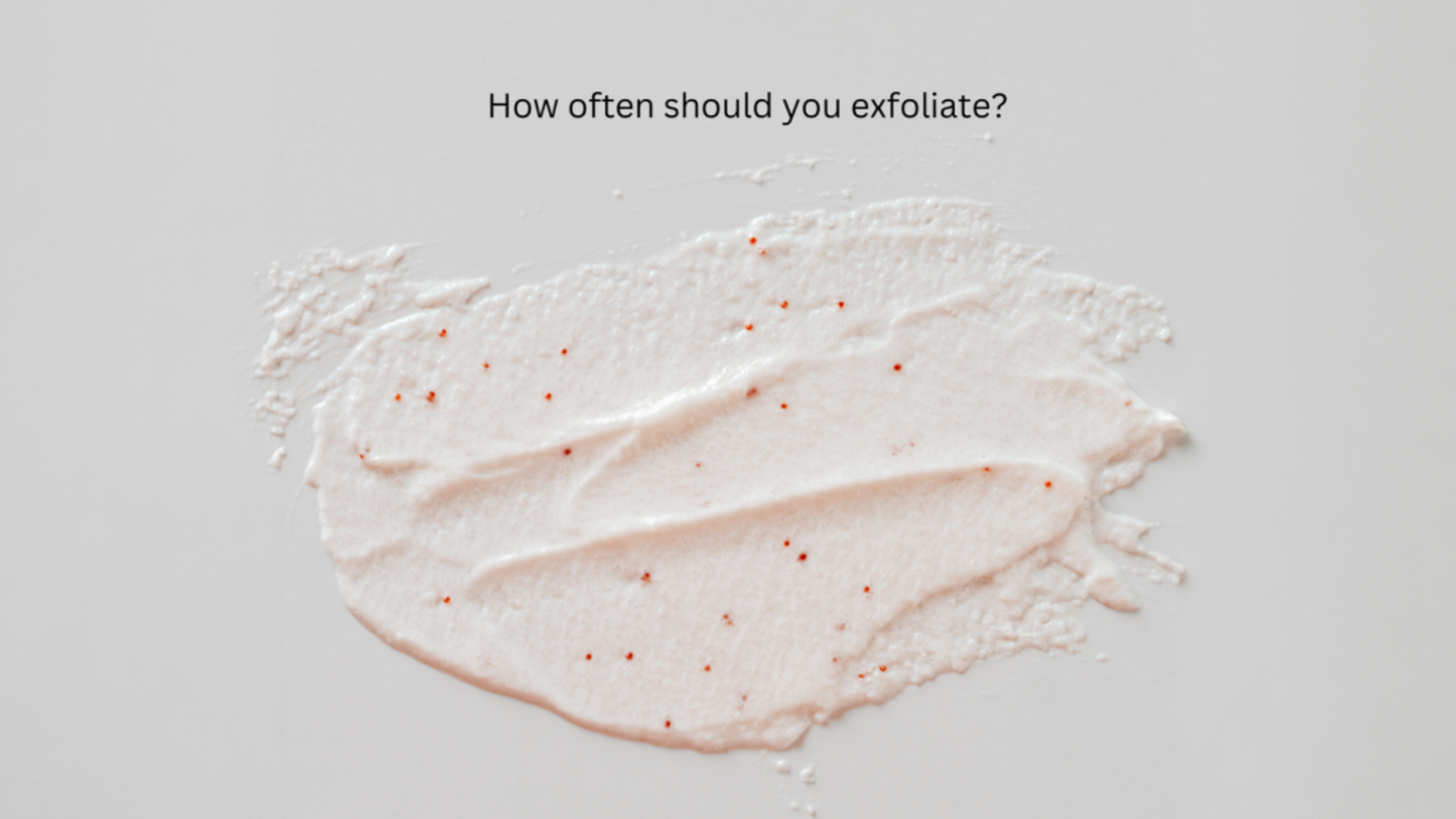
Exfoliating is like exercising your skin – it clears away dead cells to reveal fresh, glowing skin underneath! But like any good workout, it’s all about balance. Exfoliating too often or too aggressively can irritate your skin, while not exfoliating can leave your complexion looking dull and uneven. In this guide, we’ll explore how often should you exfoliate your skintailored for different skin types and share expert tips to keep your skin healthy and glowing.
If you want to upgrade your routine, check out EpiLynx Skin Care Collection for gentle, effective products that work for every skin type.
Why exfoliation is important for healthy skin
Our skin naturally sheds dead cells every 28 days, but sometimes the process slows down, leaving skin looking dull or flaky. Exfoliating helps speed up this cycle, revealing smooth, glowing skin while allowing your skincare products to penetrate more effectively.
There are two main types of exfoliation:
- Body exfoliation involves gently scrubbing the skin to remove dead cells.
- Chemical exfoliation uses acids or enzymes to dissolve dead skin without manual scrubbing.
When done right, exfoliation can improve skin texture, reduce clogged pores, and even boost your natural glow. A well-balanced exfoliation routine can transform tired, dull skin into soft, glowing skin that looks and feels healthy.
For a gentle option suitable for everyday use, try this Ultra-gentle daily Scrub Cleanserdesigned to cleanse and exfoliate without irritating sensitive skin.
How often you should exfoliate based on skin type
Not all skin types are the same, so your exfoliation regimen should be individualized. Here is a breakdown:
Normal or Combination Skin: The Balanced Act
Think of your skin as a well-balanced canvas—it has just the right combination of oil and moisture. For normal or combination skin, exfoliating 2-3 times a week is usually enough. Exfoliation helps speed up the shedding of dead cells and keeps your skin smooth and fresh without overloading it.
This frequency ensures that your skin maintains its natural glow, avoiding unnecessary irritation. Consistency is key – your skin will thank you for a regular yet gentle routine.
Dry or sensitive skin: The gentle approach
Dry or sensitive skin is more sensitive, therefore exfoliating once a week is sufficient. Excessive exfoliation can strip the skin of its natural oils, leaving it even drier. Gentle methods like enzymatic exfoliants (using fruit enzymes) or bland AHAs like lactic acid they are ideal as they dissolve dead skin cells without compromising the skin barrier.
For a soothing and effective option, consider this Ultra-gentle daily Scrub Cleanser. Its hypoallergenic formula is perfect for sensitive skin, offering a safe exfoliating experience that leaves skin feeling soft and refreshed
Oily or acne-prone skin: The frequent flier
If your skin produces extra oil, exfoliation up to 3 times a week can help prevent clogged pores and breakouts. Chemical exfoliants such as salicylic acid they penetrate pores and remove excess oil, while mild natural exfoliants can also help keep skin clear.
The key is moderation—exfoliating too much can lead to irritation and make breakouts worse. A balanced program allows your skin to recover between sessions while remaining healthy and smooth.
Mature Skin: The Fountain of Youth
As we age, the skin’s natural exfoliation process slows down. Peeling 2 times a week it can stimulate cell cycle, reduce the appearance of fine lines and support collagen production. Mild chemical exfoliants such as retinol or glycolic acidthey are ideal for promoting youthful skin without causing damage.
Regular exfoliation can help mature skin maintain its elasticity and smoothness, giving you a vibrant and glowing complexion.
Signs You’re Exfoliating Too Much
Even with the best of intentions, over-exfoliating is a common mistake. Here are signs you may be doing too much:
- Redness or persistent irritation
- Dryness or peeling
- Increased sensitivity to skin care products
- Breakouts or dam damage
Your skin needs recovery time, just like your body after a workout. Adjust your routine if you notice these signs and always listen to your skin’s signals.
The best ways to exfoliate
Natural Exfoliation
Natural exfoliation involves gentle scrubbing with beads, granules, or textured cloths. Best used sparingly and on skin that tolerates it well. Excessive physical exfoliation can cause microtears, so it’s important to be gentle.
Chemical Exfoliation
Chemical exfoliants work by dissolving dead skin cells and promoting cell turnover. Popular options include:
- AHAs (Alpha Hydroxy Acids): Lactic acid and glycolic acid are ideal for dry or aging skin.
- BHAs (beta hydroxy acids): Salicylic acid penetrates pores, making it ideal for oily and acne-prone skin.
- Enzymes: Derived from fruit, these are gentle options for sensitive skin.
For sensitive or sensitive skin, the Ultra-gentle daily Scrub Cleanser combines gentle natural and enzymatic exfoliation, leaving the skin clean without irritation.
When and how to exfoliate
The timing of the exfoliation matters:
- Morning vs Night: Exfoliating at night allows your skin to recover while you sleep. Exfoliating in the morning is fine, but sunscreen is essential afterwards.
- Sun protection: Exfoliating skin is more sensitive to UV rays. Always apply a broad-spectrum SPF after exfoliating.
- Seasonal adjustments: Dry winter air may require less frequent exfoliation, while wet months may allow for slightly more frequent sessions.
Frequently asked questions about exfoliation
Can I exfoliate every day?
Daily exfoliation is usually overkill, except with mild, specially formulated products. Most skin types do best with 1-3 sessions per week depending on their needs.
Should I exfoliate before or after cleansing?
Exfoliating on clean skin is best. Use a gentle cleanser first, then exfoliate to remove dead cells and let your products absorb more effectively.
How to exfoliate sensitive skin safely?
Stick to mild chemical or enzymatic exfoliants and avoid scrubbing with harsh particles. Products like Ultra-gentle daily Scrub Cleanser they are perfect.
Can exfoliation help with acne or blackheads?
Yes. Exfoliation helps unclog pores, reduce breakouts and remove surface discoloration, but should be done carefully and not excessively.
Small Scenario: The Glow-Up Story
Imagine someone noticing that their skin looks dull and tired every morning. They start using mild exfoliation based on their skin type. Within a few weeks, their skin becomes softer, smoother and brighter. The products are absorbed better and the natural glow returns. This simple change transforms not only their skin, but their confidence and everyday life.
Conclusion
Exfoliation is a powerful tool for achieving smooth, clear, healthy skin—but only when done right. Understanding your skin type, choosing the right products and sticking to a consistent schedule ensures you get the benefits without irritation.
For a safe and effective exfoliating option, explore this EpiLynx Skin Care Collection or try it Ultra-gentle daily Scrub Cleanser to maintain soft, glowing skin every day.
Start small, listen to your skin and enjoy the transformation!
