

Close Menu
Healthtost
  • News
  • Mental Health
  • Men’s Health
  • Women’s Health
  • Skin Care
  • Sexual Health
  • Pregnancy
  • Nutrition
  • Fitness
  • Recommended Essentials
What's Hot

Global childhood immunization rates stagnate despite slight recovery from pandemic

July 15, 2026

Is it okay to be imperfect and still be happy? 6 Challenges

July 15, 2026

Sexual evolution: What 500 million years of life tell us about sex, gender and mating

July 15, 2026
Facebook X (Twitter) Instagram
  • About Us
  • Contact Us
  • Privacy Policy
  • Terms and Conditions
  • Disclaimer
Facebook X (Twitter) Instagram
Healthtost
SUBSCRIBE
  • News

    Global childhood immunization rates stagnate despite slight recovery from pandemic

    July 15, 2026

    Weight loss and anti-inflammatory drugs combine to fight leukemia

    July 14, 2026

    Unreliable datasets shape clinical prediction models

    July 14, 2026

    Bariatric surgery is safe, effective for obese teenagers and young adults

    July 13, 2026

    Engineered ribozyme repairs broken RNA to explain origin of life

    July 13, 2026
  • Mental Health

    Is it okay to be imperfect and still be happy? 6 Challenges

    July 15, 2026

    How can you be tired but wired? Blame it on your stone age brain

    July 12, 2026

    Almost 20% of new mums have anxiety or depression, but a promising psychedelic treatment is on the horizon

    July 7, 2026

    How can ART help us improve our mental health? With 3 Ways

    July 5, 2026

    How much do friends affect the mental health of teenagers? What a new study can (and can’t) tell us

    July 3, 2026
  • Men’s Health

    Sexual evolution: What 500 million years of life tell us about sex, gender and mating

    July 15, 2026

    Low testosterone or just stress? How to tell the difference

    July 11, 2026

    Gut-friendly diet linked to lower risk of coronary heart disease mortality

    July 9, 2026

    Men don’t just avoid their health. Many lose themselves.

    July 8, 2026

    The Crazy Hard Standards of the Hardest PE Program in History

    July 8, 2026
  • Women’s Health

    I tried to hide my hemiparesis

    July 15, 2026

    Kyoto recap, bamboo forest and monkey park

    July 13, 2026

    Menopause and Your Microbiome: How Gut Health Shapes Weight, Mood, and Hormones

    July 11, 2026

    They heard us. Now will they listen?

    July 11, 2026

    Taite Heller on Why Barre Became a Top-5 Fitness Trend

    July 8, 2026
  • Skin Care

    How to use nature’s retinol: Bakuchiol in your beauty routine

    July 13, 2026

    How our natural hair care achieves salon-level results without silicones

    July 11, 2026

    Coconut Allergy and Skin Care: 20 Questions Finally Answered by a Pharmacist

    July 11, 2026

    New Sunscreen Ingredient: Is This The SPF Upgrade We’ve Been Waiting For?

    July 9, 2026

    How to achieve the perfect tan

    July 8, 2026
  • Sexual Health

    Celebrating 30 years of Sex Sense

    July 15, 2026

    STDs in older adults are on the rise—up to seven times higher than in 2012

    July 13, 2026

    Fildena 150 Benefits | Effective ED & Sexual Performance Treatment

    July 11, 2026

    Painful sex after menopause: When is it time to seek treatment?

    July 11, 2026

    Emotional capitalism and artificial intimacy

    July 10, 2026
  • Pregnancy

    Exercise Wall Angels During Pregnancy: A Step-by-Step Guide

    July 15, 2026

    Breech VBAC (Vaginal Birth after Caesarean Section) Birth Story

    July 13, 2026

    How baby showers have changed throughout history

    July 13, 2026

    Calf Raises During Pregnancy: Step-by-Step Guide and Benefits

    July 8, 2026

    Tri-Tri Triplet Pregnancy with Vaginal Birth Story – The Birth Hour Triplet Pregnancy and Vaginal Birth Story with Ashlie Holladay

    July 7, 2026
  • Nutrition

    Chocolate Cherry Chia Pudding: Easy Vegan Recovery Snack

    July 14, 2026

    The Cholesterol Question: A Breakthrough Victory for Keto and Cognitive Health

    July 14, 2026

    15 No-Cook Dinners for Kids (Because It’s Too Hot to Turn on the Oven)

    July 12, 2026

    30 Minute Chicken Pesto Pasta (Dietist Approved)

    July 11, 2026

    5 Easy High Fiber Bowl Recipes

    July 8, 2026
  • Fitness

    How to Choose a Fitness Certification on a Budget

    July 14, 2026

    Meet the Belle Vitale™ Supplement System: Two Formulas. A comprehensive approach to hormone health.

    July 11, 2026

    where we ate in Tokyo (and gluten-free options!)

    July 9, 2026

    Using External Signaling to Improve Linear Acceleration – Tony Gentilcore

    July 8, 2026

    5 Simple Screen Changes That Can Improve Sleep and Focus

    July 7, 2026
  • Recommended Essentials
Healthtost
Home»Women's Health»How differences between men and women affect strength training
Women's Health

How differences between men and women affect strength training

healthtostBy healthtostSeptember 18, 2024No Comments4 Mins Read
Facebook Twitter Pinterest LinkedIn Tumblr Reddit WhatsApp Email
How Differences Between Men And Women Affect Strength Training
Share
Facebook Twitter LinkedIn Pinterest WhatsApp Email

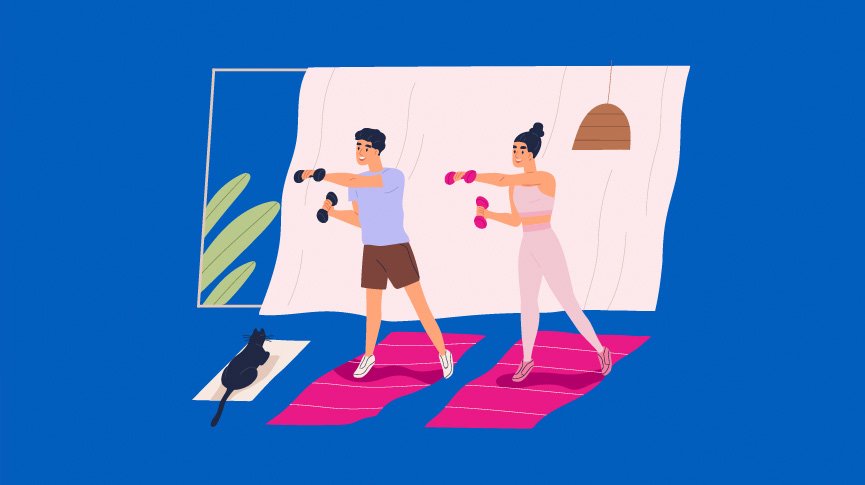
While men and women have physical differences, that doesn’t mean they can’t benefit from the same type of education. There is no reason for women to avoid lifting weights and lifting heavy – in fact, they can lift more for their body weight than men.

However, there are certain aspects of training that can be adapted to the female body to produce optimized results.

Women and men benefit from the same Guys of the Exercises

Muscles are muscles. No matter whose body it is, a tricep is a tricep and a quadriceps does what a quadriceps does. There is no reason for women to have resistance training programs that are wildly different than men, as the idea behind training programs is the same for both sexes.

The same main lifts (deadlift, squat, lunges) and exercise types benefit both sexes, and the weights can be loaded relative to the individual’s challenge level. However, women looking to build specific body parts, such as their butt, may want to incorporate more glute-targeting exercises, such as Romanian deadlifts or hip thrusts.

Contrary to popular opinion, you cannot specifically target fat loss (where you lose fat first is primarily genetic), but you CAN target and develop specific muscle groups with intensity and frequency.

Subtle physiological differences between the sexes can be affected How You should train

While women and men can benefit from the same types of exercises, there are some physiological differences between the two sexes that can be taken into account to optimize training.

For example, men are physically larger than women. Men are generally bigger, taller and more imposing more muscle mass as a percentage of their total weight (although there are many exceptions, such as when we compare a tall athlete with a high percentage of muscle mass to a short man who does not exercise, we compare men and women of similar activity levels and average structures for their groups).

As you may have learned during eighth grade science class, a taller person has to do more work on each repetition because they have to move a weight more during each exercise.

Due to the fact that men are usually taller, a man should do more work on average in a squat than a woman, even if the weight of the bar is the same. Of course, if they are the same height and weight, this can be ignored.

Since men typically have more muscle mass relative to body weight, which means they not only do more work (being taller), but also break down more muscle fibers during exercise. This is why most men will require one longer recovery period between tough workouts by a woman of similar fitness level.

Women and men also have different concentrations of muscle fiber types. Women have a higher proportion of type I muscle fibers compared to type II fibers, which makes them more resistant to fatigue.

Additionally, since women generally have less muscle mass, they require less recovery time between sets for muscle recovery and have greater endurance during weightlifting sets compared to men.

Postural differences

The pelvic shape more common in women can lead to an excessive arch in the lower back, which is known as lumbar lordosis. When your pelvis tilts too far forward, it can put extra pressure on your spine, which is further aggravated by lifting weights.

All of this means that when lifting weights, women need to be extra careful with their posture. Of course, while this is more common in women, it can happen to men too.

What does this mean for women’s strength training?

Simply put, the above physiological differences mean that women can:

  • More sets
  • More reps per set
  • More overall volume
  • Work at a higher relative intensity

Women don’t have to worry as much about overtraining because of their faster recovery times. For example, it may only take a day for a woman to recover from an intense squat session before hitting the squat rack again, compared to 2-3 days for a man.

Adaptation Training to the Female Body

As we’ve discussed above, women don’t need to avoid lifting heavy. are able to train with heavier weights relative to their one-repetition maximum (1RM) than their male counterparts.

For example, a woman may be able to lift 90% of her one repetition maximum more times than a man at the same percentage. They can also train muscle groups and movements with greater frequency than men.

However, watch your posture and if you feel pain, don’t ignore it – see a chiropractor or get it checked out by another doctor if it gets worse.

affect differences Men Strength Training women
bhanuprakash.cg
healthtost
  • Website

Related Posts

I tried to hide my hemiparesis

July 15, 2026

Kyoto recap, bamboo forest and monkey park

July 13, 2026

Menopause and Your Microbiome: How Gut Health Shapes Weight, Mood, and Hormones

July 11, 2026

Leave A Reply Cancel Reply

Don't Miss
News

Global childhood immunization rates stagnate despite slight recovery from pandemic

By healthtostJuly 15, 20260

In 2025, 90% of infants worldwide – or nearly 116 million – received at least…

Is it okay to be imperfect and still be happy? 6 Challenges

July 15, 2026

Sexual evolution: What 500 million years of life tell us about sex, gender and mating

July 15, 2026

I tried to hide my hemiparesis

July 15, 2026
Stay In Touch
  • Facebook
  • Twitter
  • Pinterest
  • Instagram
  • YouTube
  • Vimeo
TAGS
Baby benefits body brain cancer care Day Diet disease exercise finds Fitness food Guide health healthy heart Improve Life Loss Men mental Natural Nutrition Patients People Pregnancy research reveals risk routine sex sexual Skin Skincare study Therapy Tips Top Training Treatment ways weight women Workout
About Us
About Us

Welcome to HealthTost, your trusted source for breaking health news, expert insights, and wellness inspiration. At HealthTost, we are committed to delivering accurate, timely, and empowering information to help you make informed decisions about your health and well-being.

Latest Articles

Global childhood immunization rates stagnate despite slight recovery from pandemic

July 15, 2026

Is it okay to be imperfect and still be happy? 6 Challenges

July 15, 2026

Sexual evolution: What 500 million years of life tell us about sex, gender and mating

July 15, 2026
New Comments
    Facebook X (Twitter) Instagram Pinterest
    • About Us
    • Contact Us
    • Privacy Policy
    • Terms and Conditions
    • Disclaimer
    © 2026 HealthTost. All Rights Reserved.

    Type above and press Enter to search. Press Esc to cancel.